


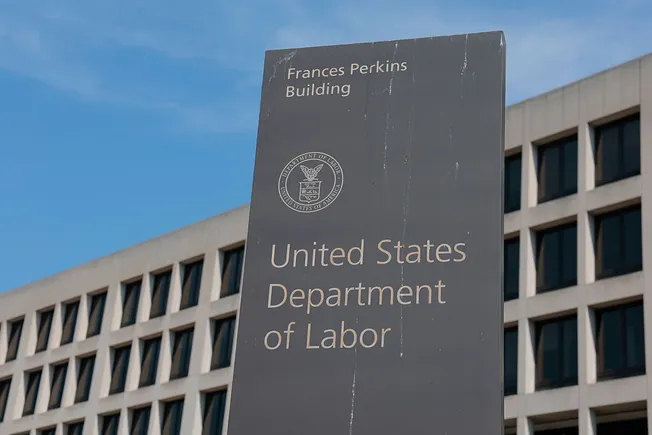
The U.S. Department of Education, in conjunction with the U.S. Department of Labor, has unveiled the inaugural grant competitions stemming from their newly established partnership. Announced on Wednesday, these initiatives mark a significant step in the federal government’s strategy to integrate education and workforce development programs, aiming to enhance educational opportunities and educator effectiveness. The partnership, formally initiated in November, involves the transfer of several Elementary and Secondary Education Act (ESEA) programs to the Department of Labor. These programs encompass critical areas such as support for low-income school districts, services for homeless youth and migrant students, academic interventions, after-school programs, and assistance for districts receiving Impact Aid.
Strategic Alignment of Education and Workforce Development
The two grant competitions introduced represent a concrete manifestation of the administration’s broader vision to create a more cohesive federal system for education and workforce development. The first competition is specifically designed to bolster literacy efforts within high-need districts and schools, recognizing literacy as a foundational skill for academic and professional success. The second grant competition focuses on incentivizing educators and school leaders through the implementation of performance-based compensation systems. This approach seeks to reward excellence and encourage innovative practices in the classroom, with the ultimate goal of improving student outcomes.
The selection criteria for these grants are multifaceted, reflecting a desire to support comprehensive educational ecosystems. Agencies will prioritize applications that demonstrate robust support for families engaged in at-home learning, showcase a commitment to meritocratic principles, align educational offerings with the evolving demands of various industries, and advocate for the return of certain educational authorities to the state level. A notable administrative detail is that the final distribution of these grants will be managed through the Department of Labor’s established grant management platform, a departure from the Department of Education’s usual procedures. This interagency operational adjustment underscores the collaborative nature of the partnership.
A New Era of Interagency Collaboration
According to the Department of Education’s official announcement, these grants "represent the next step in the Trump Administration’s efforts to align workforce and education programs, expand education freedom, and bolster educator effectiveness." This statement highlights the administration’s commitment to a policy agenda focused on empowering individuals with greater educational choices and enhancing the professional capabilities of educators.
Kirsten Baesler, Assistant Secretary for the Office of Elementary and Secondary Education, characterized the grant competitions as "an important milestone in our efforts to support our nation’s teachers and empower families with education choice." This sentiment echoes the administration’s emphasis on fostering a more dynamic and responsive educational landscape.
The broader context for these interagency agreements, including the one with the Department of Labor, stems from President Donald Trump’s stated objective to streamline and, where legally permissible, reduce the scope of the Department of Education. The rationale behind offloading numerous elementary and secondary education programs to the Department of Labor is to foster "a coordinated federal education and workforce system." This integration is intended to "enhance opportunities to invest in the education and upskilling of American students to meet rapidly evolving skill demands of industries," as outlined in the initial partnership announcement.
Bridging Education and the World of Work
Henry Mack, Assistant Secretary for Employment and Training at the Department of Labor, articulated a vision where education is intrinsically linked to practical application. In a statement released on Wednesday, he remarked, "Education reaches its fullest potential when learning is fused with vocation and industry." This perspective underscores the belief that aligning educational curricula with the needs of the labor market is crucial for preparing students for successful careers and for meeting the nation’s economic challenges.
The emphasis on vocational training and industry alignment is not new. For decades, policymakers and educators have grappled with the perceived disconnect between traditional academic schooling and the skills required by a rapidly evolving global economy. Reports from organizations like the National Skills Coalition have consistently highlighted the growing demand for middle-skill jobs, which require more than a high school diploma but less than a four-year college degree. These jobs often necessitate specialized technical and vocational training, areas where the Department of Labor has significant expertise. The partnership aims to leverage this expertise to make educational programs more relevant and responsive to these workforce needs.
For instance, the U.S. Bureau of Labor Statistics projects that occupations requiring post-secondary vocational awards are expected to grow by 11 percent between 2020 and 2030, faster than the average for all occupations. This growth rate underscores the importance of strengthening pathways that connect education directly to in-demand careers. The new grant competitions, by focusing on literacy and teacher incentives, can be seen as foundational elements that will ultimately support these vocational pathways. Improved literacy, for example, is a prerequisite for mastering complex vocational skills, and effective, motivated teachers are essential for delivering high-quality instruction across all educational levels.
Timeline and Evolution of the Partnership
The genesis of this partnership can be traced back to a series of interagency agreements initiated in late 2019 and early 2020. The Department of Education began forging agreements with various federal agencies, including the Department of Labor, the Department of Agriculture, and the Department of Defense. These agreements represented a deliberate effort to decentralize certain federal responsibilities and to leverage the specialized capacities of other departments.
- November 2019: The broad partnership between the Departments of Education and Labor is formally announced, signaling the intent to transfer specific ESEA programs.
- Early 2020: The Department of Education begins implementing a series of interagency agreements with multiple federal departments, including the Department of Labor. These agreements outline the transfer of specific program responsibilities.
- Wednesday, [Date of original article]: The first two grant competitions under the Department of Education-Department of Labor partnership are officially launched, focusing on literacy and teacher performance-based compensation.
This phased approach allowed for the gradual transfer of responsibilities and the development of new operational frameworks. The Department of Education, under its current leadership, has expressed a desire to reduce its federal footprint, a goal that aligns with the broader administrative agenda. By transferring certain programmatic oversight to departments with established expertise in areas like workforce development, the administration aims to create a more efficient and effective federal system.
Criticisms and Concerns Regarding Oversight
Despite the stated objectives of enhanced coordination and efficiency, the move to transfer educational grant competitions to the Department of Labor has not been without its critics. Concerns have been voiced by various stakeholders, including congressional lawmakers and education advocacy groups, regarding the potential weakening of oversight mechanisms for federal education programs.
A bipartisan and bicameral statement issued by members of Congress in February articulated these concerns, warning that "fragmenting responsibilities for education programs across multiple agencies will create inefficiencies, result in additional costs to the American taxpayer, and cause delays and administrative challenges in Federal funding reaching States, school districts; and schools." This statement highlights a fundamental worry that dispersing responsibilities could lead to a less streamlined and potentially less accountable federal role in education.
Furthermore, the congressional statement expressed apprehension that these interagency agreements might "weaken Federal support to protect the rights of students, children, youth, and families under Federal education laws." This concern points to the potential for reduced vigilance in ensuring equitable access to education and safeguarding the rights of vulnerable student populations, which are often a focus of federal education legislation and oversight.
The Department of Education has historically played a crucial role in enforcing civil rights in education, ensuring compliance with federal mandates such as Title I funding for disadvantaged students, Title IX prohibiting sex-based discrimination, and the Individuals with Disabilities Education Act (IDEA). Critics argue that shifting administrative control of related grants to a department not primarily focused on K-12 education could dilute the federal government’s capacity to enforce these critical protections. The Department of Labor’s primary mandate revolves around employment, worker protections, and labor statistics, areas distinct from the comprehensive legal framework governing elementary and secondary education.
Analysis of Potential Implications
The implications of this partnership and the subsequent grant competitions are far-reaching. On one hand, proponents argue that the integration of education and workforce development could lead to more relevant and effective training programs, better preparing students for the job market and fostering economic growth. The focus on performance-based compensation for educators could also incentivize innovation and improved teaching practices.
However, the concerns about weakened oversight are significant. If not managed meticulously, the transfer of responsibilities could lead to a fragmentation of federal support, potentially impacting the equitable distribution of resources and the consistent enforcement of federal education laws. The success of this partnership will hinge on the ability of both departments to establish clear lines of communication, robust accountability measures, and a shared understanding of the distinct but complementary missions they are undertaking.
The decision to channel grant awards through the Department of Labor’s platform, while administratively efficient, also raises questions about how the unique needs and legal frameworks of K-12 education will be fully integrated and understood within that system. The Department of Education’s established infrastructure and expertise in education policy and law are specifically tailored to address these complexities.
Moving forward, the effectiveness of these initiatives will likely be judged by their tangible impact on student outcomes, educator effectiveness, and the alignment of education with workforce demands, while simultaneously ensuring that federal protections for students and families remain robust and effectively enforced. The ongoing dialogue between federal agencies, state and local education leaders, and advocacy groups will be critical in shaping the future of this evolving partnership. The administration’s stated goal of enhancing educational freedom and educator effectiveness will need to be carefully balanced against the imperative of maintaining strong federal oversight and support for all students.