

The launch of a new learning platform or a significant overhaul of an existing Learning Management System (LMS) is a high-stakes endeavor, often demanding meticulous planning and the navigation of diverse stakeholder expectations. For organizations aiming to foster continuous learning and development, ensuring these digital environments are not only functional but also inclusive and engaging for every individual is paramount. This requires a fundamental shift from designing for an abstract "average" user to embracing the reality of diverse learner needs, digital access, and prior experiences.
Jess Bryant, Manager of Moodle’s Learning Design Team, emphasizes the critical role of the learning environment itself in shaping learner experience. “We spend a lot of time perfecting content,” Bryant states, “but content isn’t the only thing that shapes someone’s experience. To encourage learner engagement, we need to build an environment that supports learners with varying levels of digital confidence and connectivity.” This perspective underscores a growing understanding within the learning and development sector: the efficacy of any educational initiative is intrinsically linked to the accessibility and human-centered design of its delivery platform.
The Illusion of Universal Access and the Rise of "Digital Capital"
While online learning platforms may appear equally accessible on the surface—allowing registered users to log in, access courses, and participate in activities from various locations—this perceived ubiquity often masks a more complex reality. The experience of engaging with online learning is far from uniform. Learners who are already proficient with virtual learning systems and possess robust digital resources often navigate these environments with ease, progressing rapidly. Conversely, individuals facing challenges such as limited technological access, insufficient experience with online learning tools, or a lack of social support can find themselves falling behind.
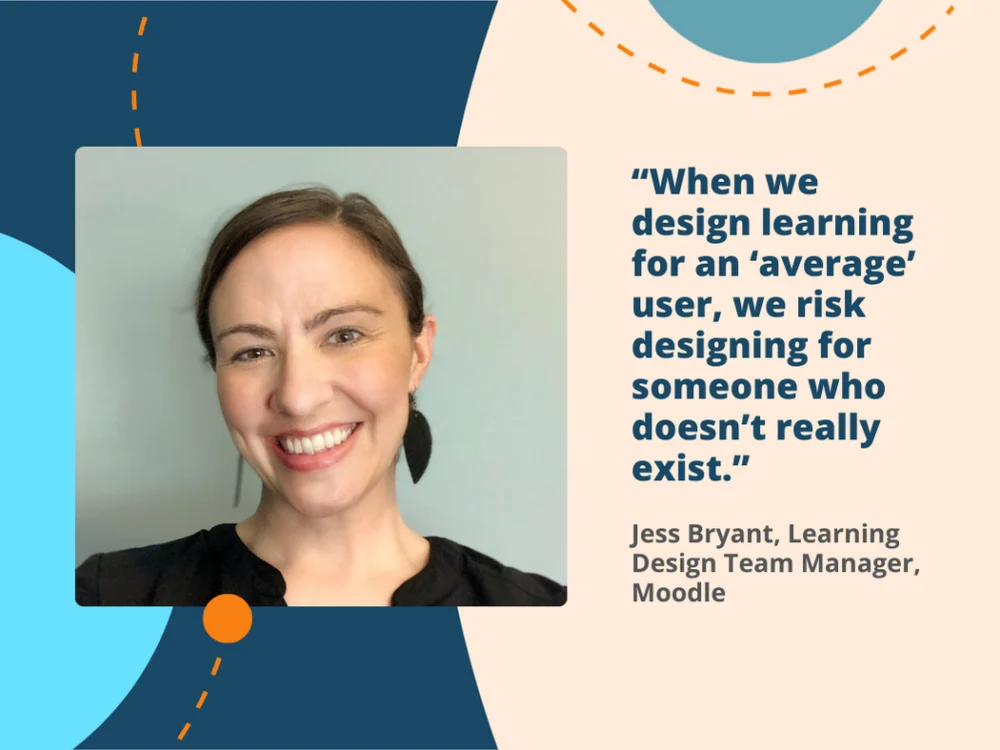
Bryant elaborates on this phenomenon: “When we design learning for an ‘average’ user, we risk designing for someone who doesn’t really exist. People engage with learning in very different ways depending on their circumstances.” This highlights the fallacy of a one-size-fits-all approach. The differences in how individuals engage with online learning can be attributed to what researchers term "digital capital." This multifaceted concept encompasses not only access to technology but also an individual’s experience with online learning platforms and the availability of social support networks that can aid their learning journey. Learners with lower levels of digital capital tend to exhibit lower engagement rates and progress at a different pace compared to their peers with higher digital capital.
Rethinking Course Design for Broader Impact
Bridging this "learning gap" necessitates a fundamental re-evaluation of how learning experiences are designed and delivered within organizational settings. While a complete overhaul of an LMS might be a significant undertaking, many organizations can achieve substantial improvements in learner experience through smaller, more intentional design choices. “Simple changes in the way we design courses can make a surprisingly large impact on learner engagement,” Bryant observes. “When the learning environment feels intuitive and relevant, people are far more likely to connect with content and keep coming back.”
For instance, creating clearer course structures can significantly benefit busy employees by providing a transparent understanding of expectations and learning pathways. This clarity reduces cognitive load and allows learners to focus their energy on the content itself. Simultaneously, offering flexible course formats that are responsive across a range of devices ensures that learners can engage with materials in ways that best suit their individual schedules and preferences, whether on a desktop computer, tablet, or smartphone.
Beyond structural elements, other often-overlooked design considerations can profoundly impact learner confidence and engagement. Implementing predictable navigation patterns across the entire learning environment fosters a sense of familiarity and reduces the learning curve associated with navigating different modules or courses. Providing straightforward, unambiguous instructions for activities and assignments further minimizes guesswork, empowering learners to feel more in control and build confidence as they progress. These seemingly minor adjustments collectively contribute to a more supportive and effective learning ecosystem.
Embracing Universal Design for Learning (UDL) in the Workplace
A robust framework that offers a guiding philosophy for creating more inclusive learning environments is Universal Design for Learning (UDL). Originating from educational research and further developed by CAST (Center for Applied Special Technology), UDL principles encourage course creators to build flexibility into learning experiences from the outset. Rather than designing for a single, idealized "typical" learner, UDL acknowledges and embraces the inherent variability among individuals, recognizing that learners bring diverse backgrounds, motivations, and levels of confidence to any learning endeavor.
The core tenets of UDL advocate for providing learners with multiple means of engagement, multiple means of representation, and multiple means of action and expression. This translates into offering diverse pathways for learners to interact with content, comprehend information, and demonstrate their acquired knowledge and skills.
Bryant articulates the strategic advantage of adopting UDL: “By keeping UDL in mind, we can design for variability from the beginning. Rather than adapting a course later for learners who are struggling, we create learning experiences that work for a wider range of people from day one.” While UDL is often associated with K-12 and higher education settings, its principles are readily transferable and highly beneficial within corporate learning environments. Implementing UDL does not necessarily require a complete dismantling and rebuilding of an existing LMS. Instead, it involves a mindful integration of its principles into existing design and content development processes.
For example, offering learning materials in multiple formats—such as short video summaries alongside detailed written transcripts or infographics—allows learners to select the modality that best aligns with their preferred learning style and current circumstances. Similarly, recognizing that individuals demonstrate their understanding in diverse ways is crucial. Providing a range of assessment options, from traditional quizzes and knowledge checks to more applied tasks like reflective discussions or project-based assignments, caters to different learning preferences and allows learners to showcase their mastery effectively. By offering these choices to all learners, organizations move away from a narrow definition of success and embrace a more holistic approach to knowledge acquisition and application.
The Transformative Power of Inclusive Learning
Returning to the initial challenge of launching or transforming a learning platform, the adoption of a variability-minded design approach shifts the focus from crafting the "perfect" course to cultivating an environment where every individual has the opportunity to succeed. This paradigm shift fosters a culture of continuous improvement and learning, where the platform becomes a valuable asset for the entire organization.
In recent years, there has been a concerted effort within the learning and development community to address the disparities that can arise in digital learning environments. A collaborative initiative, spearheaded by experts in learning design and accessibility, resulted in the development of a comprehensive resource titled "Bridging the Hidden Learning Gap." This guide offers expert insights, practical strategies, and actionable ideas for creating learning environments that are not only functional but also desirable and engaging for users. It caters to a broad audience involved in learning design and course development, providing valuable guidance whether they are initiating a new platform or refining an existing one.
As Jess Bryant aptly summarizes, “When learning is designed with real people in mind, it doesn’t just become more accessible – it becomes more valuable for the organisation as a whole.” This statement encapsulates the broader implications of investing in inclusive learning design. Organizations that prioritize accessibility and human-centered approaches to learning not only empower their workforce but also enhance overall productivity, innovation, and employee satisfaction. By creating learning environments where every learner feels supported and valued, organizations unlock the full potential of their human capital, fostering a more resilient and adaptable workforce prepared for the challenges of the future.
For organizations seeking to strengthen their learning initiatives and cultivate a truly inclusive educational experience, the resource "Bridging the Hidden Learning Gap" offers a roadmap. By downloading this guide, learning leaders and practitioners can access the tools and knowledge necessary to begin building learning environments where every learner can thrive, contributing to a more equitable and effective learning landscape for all. The impact of such intentional design extends beyond individual learning outcomes, fostering a more cohesive, skilled, and engaged workforce that drives organizational success.