

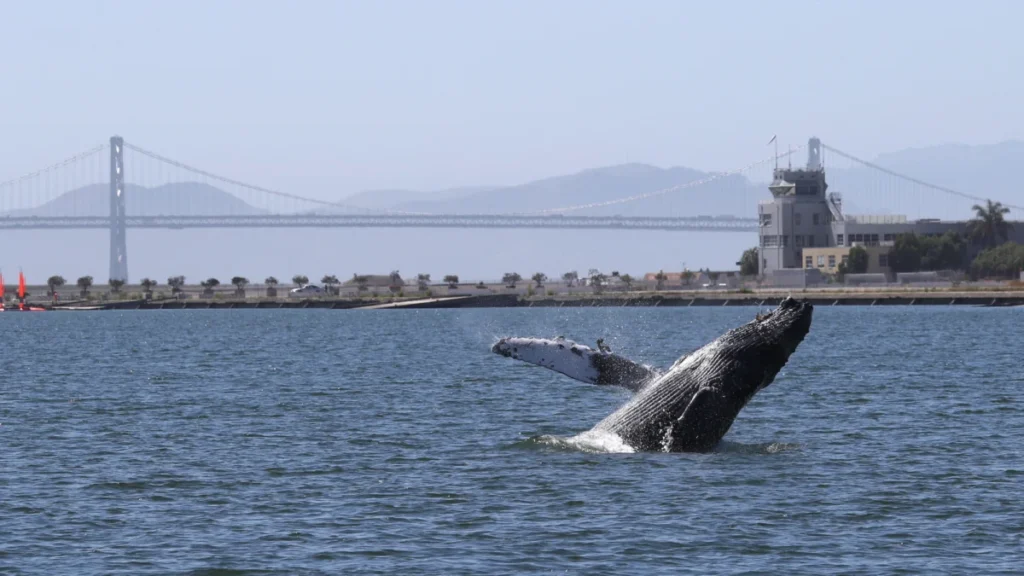
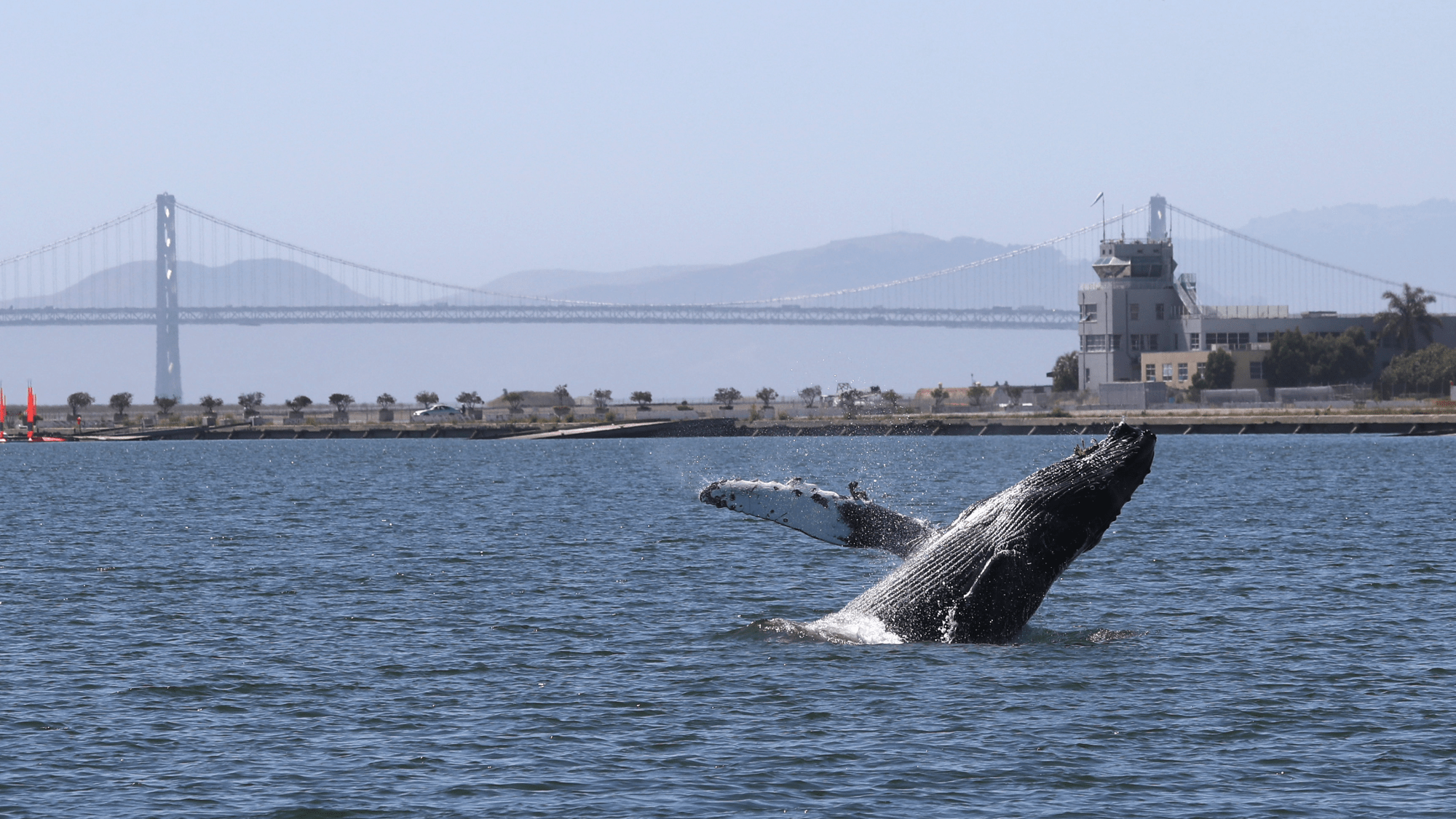
In an effort to mitigate a burgeoning ecological crisis within one of California’s most vital maritime corridors, Representative Sam Liccardo (D-CA) has officially introduced the Save Willy Act. This legislative initiative, co-sponsored by a coalition of regional representatives, seeks to implement rigorous protections for whale populations entering the San Francisco Bay, a habitat that has become increasingly hazardous for marine megafauna in recent years. The bill’s title draws inspiration from the 1993 cinematic drama Free Willy, which chronicled the bond between a young boy and a captive orca, a narrative that catalyzed a generation of marine conservation efforts. While the film focused on an orca, the Save Willy Act addresses a broader range of cetaceans, with a particular emphasis on the gray whales that have suffered unprecedented mortality rates in Northern California waters.
The introduction of the bill follows a series of alarming reports regarding whale health in the region. According to data provided by Representative Liccardo’s office, the San Francisco Bay Area documented 24 whale deaths in 2024 alone, marking a record high for the past quarter-century. This spike in mortality has continued into the current year, with at least eight whale deaths already recorded in the early months of 2025. The Save Willy Act represents a direct legislative response to these statistics, aiming to modernize maritime surveillance and create a centralized infrastructure for whale protection.
The Whale Desk: A Centralized Monitoring Hub
The cornerstone of the Save Willy Act is the establishment of a dedicated "Whale Desk" within the U.S. Coast Guard’s San Francisco station. This facility would serve as a real-time coordination center, integrating data from a variety of sources to prevent fatal interactions between marine mammals and maritime traffic. Currently, whale sightings are reported through a fragmented network of researchers, recreational boaters, and commercial pilots. The proposed Whale Desk would streamline this information, creating a single point of contact where the public and mariners can report sightings.
Once a whale is spotted, the Whale Desk would be responsible for disseminating immediate alerts to vessel operators in the vicinity. This early warning system is designed to allow large commercial ships and high-speed ferries to adjust their headings or reduce speeds, thereby minimizing the risk of vessel strikes—a leading cause of cetacean mortality in the bay. Representative Liccardo emphasized the efficiency of this model, noting that while researchers track these animals daily, the impact of their work can be significantly scaled by crowdsourcing data from the numerous commercial and recreational boats that navigate the bay.
In addition to its reporting functions, the bill instructs the U.S. Coast Guard to conduct a comprehensive assessment of emerging whale tracking and alerting technologies. This includes the potential deployment of acoustic sensors, satellite imagery, and thermal imaging systems that can detect whales even in low-visibility conditions. By leveraging 21st-century technology, the Save Willy Act aims to transform the San Francisco Bay from a navigational hazard into a model for coexistence between industry and ecology.
Statistical Context and the Gray Whale Crisis
The urgency of the Save Willy Act is underscored by the specific plight of the gray whale (Eschrichtius robustus). Of the 24 deaths recorded in the San Francisco Bay Area last year, 21 were gray whales. These massive mammals, which can weigh up to 90,000 pounds and grow to 49 feet in length, are currently navigating a perilous period in their natural history. A study published in the journal Frontiers in Marine Science in April 2024 highlighted a sobering statistic: approximately 18 percent of all gray whales that enter the San Francisco Bay perish before they can return to the open ocean.
The San Francisco Bay serves as a critical stopover for gray whales during their annual 12,000-mile migration between feeding grounds in the Arctic and breeding lagoons in Mexico. However, the bay’s narrow entrance at the Golden Gate and its high density of shipping traffic create a "bottleneck" effect. When whales enter the bay in search of food or rest, they must navigate a maze of container ships, tankers, and ferries. The physical size of these vessels often makes it impossible for them to stop or maneuver quickly if a whale surfaces in their path.
Furthermore, the condition of the whales themselves has become a point of concern for biologists. Many of the whales found dead in the bay show signs of malnutrition, a condition often referred to as "skinny whale syndrome." This physical weakness makes the animals less capable of avoiding ships or navigating the complex currents of the bay, leading to a higher likelihood of fatal accidents.
Environmental Drivers and the Role of Climate Change
The Save Willy Act was drafted following a formal inquiry by Representative Liccardo to the National Oceanic and Atmospheric Administration (NOAA) regarding the spike in whale deaths. In his 2025 letter to the agency, Liccardo questioned whether recent budget and staffing cuts had hampered the government’s ability to monitor marine life. NOAA’s response pointed toward a more systemic issue: the profound impact of climate change on Arctic ecosystems.
According to NOAA, ongoing ecosystem changes in Arctic feeding grounds—driven by warming sea temperatures and receding ice—have significantly altered the distribution of the benthic amphipods that gray whales rely on for food. As these traditional food sources become scarce or move to different locations, gray whales are forced to travel further and search longer for sustenance. This nutritional stress drives more whales to enter the San Francisco Bay in a desperate search for supplemental food sources, such as bay shrimp or other small organisms.
The "Unusual Mortality Event" (UME) for North Pacific gray whales, which was first declared in 2019, remains a backdrop for this legislative effort. While the UME was officially closed by NOAA in early 2024 after numbers appeared to stabilize, the subsequent record-breaking death toll in the San Francisco Bay suggests that the population remains in a state of precarious vulnerability. The Save Willy Act seeks to provide a localized safety net for these animals as they struggle to adapt to a rapidly changing global environment.
Chronology of Legislative Action
The path to the Save Willy Act began in late 2024, as environmental groups and local residents expressed growing alarm over the frequency of whale carcasses washing ashore on Bay Area beaches.
- October 2024: Marine biologists at The Marine Mammal Center reported a significant uptick in vessel-strike injuries among deceased gray whales.
- December 2024: Representative Liccardo initiated a formal inquiry with NOAA to investigate the correlation between federal funding levels and marine mammal protection efficacy.
- February 2025: NOAA provided a detailed response citing climate-driven behavioral shifts as a primary factor in the whales’ increased presence in the San Francisco Bay.
- April 2025: The Frontiers in Marine Science study was released, providing the empirical data necessary to quantify the bay’s mortality rate (18%).
- April 22, 2025: On Earth Day, Representative Liccardo and a bipartisan group of co-sponsors officially introduced the Save Willy Act in the House of Representatives.
The bill has since garnered endorsements from a wide array of scientific and educational institutions, including the Marine Mammal Center, the Monterey Bay Aquarium, and the California Academy of Sciences. Kathi George, Director of Cetacean Conservation Biology at The Marine Mammal Center, hailed the bill as a vital step forward, noting that the attention it brings to coastal whale protection is essential for the long-term survival of the species.
Broader Implications and Economic Considerations
The Save Willy Act is not merely an environmental preservation bill; it is also a measure intended to improve maritime safety. Collisions between large vessels and whales are, as Representative Liccardo described them, "costly and harrowing." Such impacts can cause significant damage to vessel hulls, propellers, and rudders, leading to expensive repairs and operational downtime. For smaller recreational craft, a collision with a 45-ton whale can be catastrophic, potentially leading to capsizing and loss of life.
By creating a centralized alert system, the Save Willy Act provides mariners with the situational awareness needed to avoid these incidents. This proactive approach is favored by many in the maritime industry over more restrictive measures, such as mandatory year-round speed zones, which can slow the flow of commerce in one of the nation’s busiest ports. The "Whale Desk" model emphasizes information sharing and voluntary cooperation, though it also provides the data necessary for the Coast Guard to implement temporary, targeted speed reductions when a high concentration of whales is detected in specific shipping lanes.
As the bill moves through the legislative process, it serves as a potential blueprint for other major port cities—such as New York, Seattle, and Boston—that face similar challenges with urban-dwelling whale populations. The integration of crowdsourced data, federal oversight, and advanced technology represents a modern approach to conservation that acknowledges the reality of human-wildlife conflict in industrial waterways.
The Save Willy Act now awaits review by the House Committee on Transportation and Infrastructure. If passed, it will represent a significant milestone in the effort to ensure that the "magnificent creatures" of the Pacific can navigate the waters of the San Francisco Bay with a renewed chance at survival, honoring the spirit of the cinematic namesake that inspired its creation.