


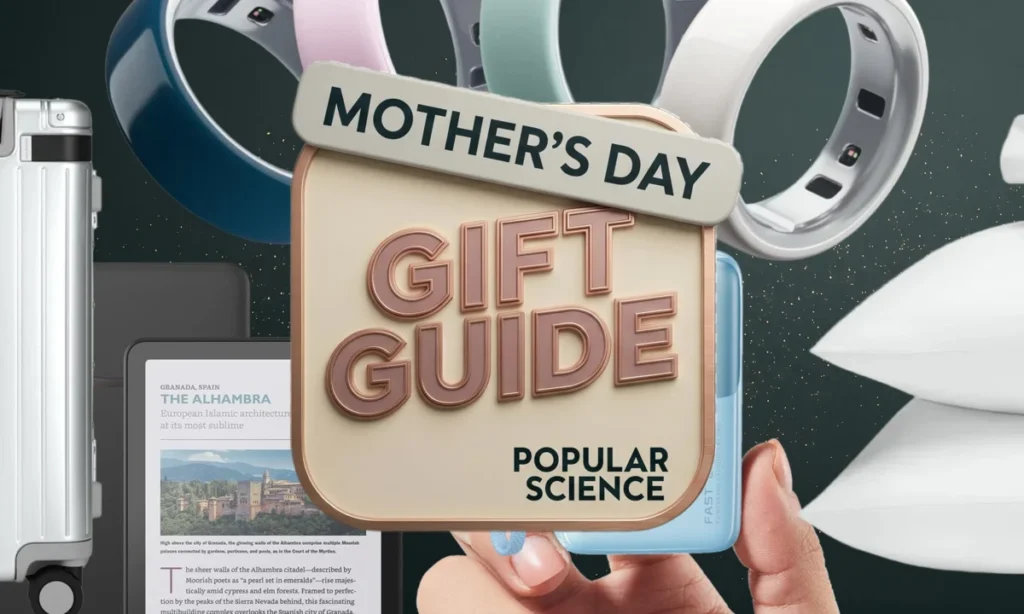
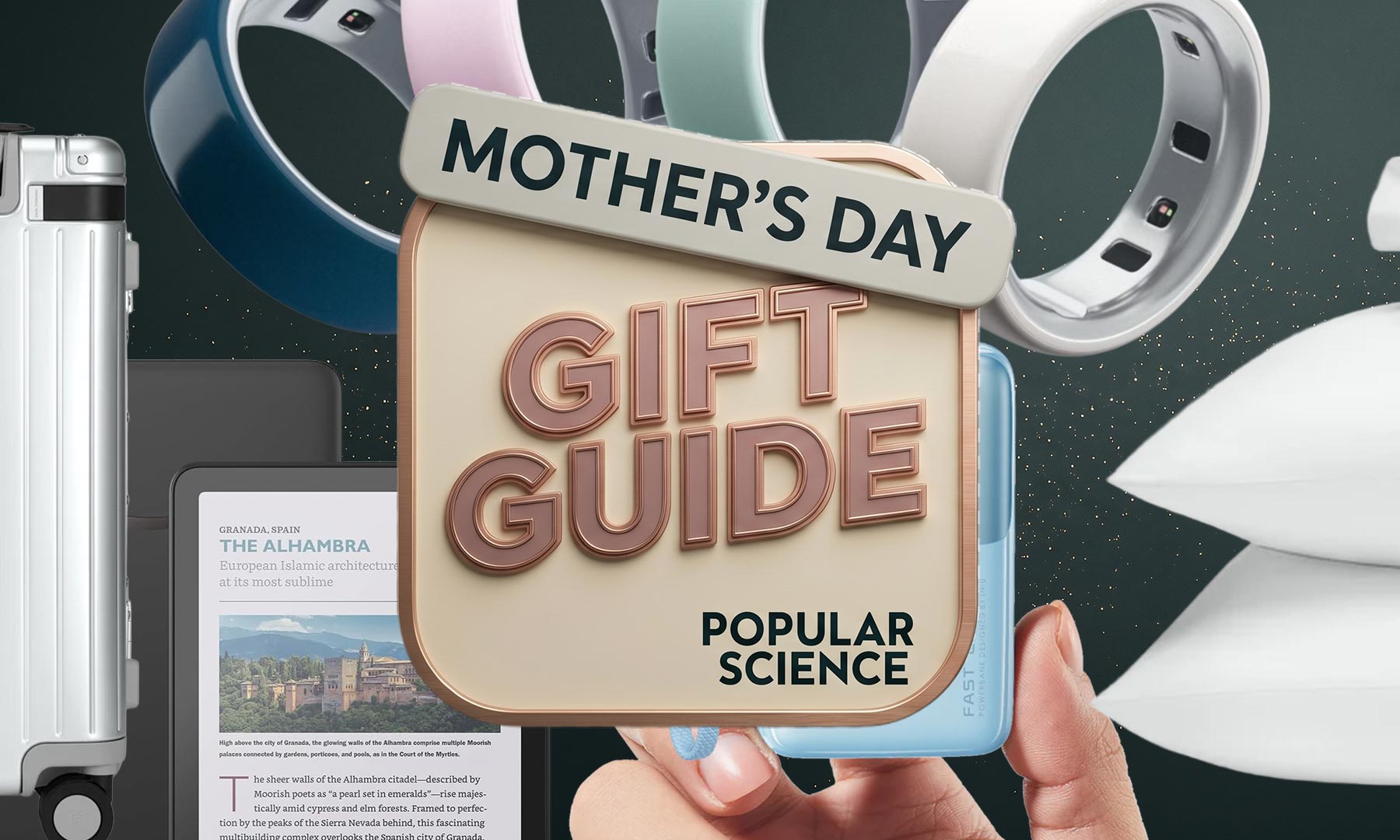
The landscape of Mother’s Day retail has undergone a radical transformation over the last decade, shifting from a market dominated by ephemeral gestures toward one defined by high-utility technology and long-term lifestyle investments. As Mother’s Day 2026 approaches, consumer data indicates a record-breaking projection in spending, with the National Retail Federation (NRF) estimating that total expenditures will exceed $36 billion in the United States alone. This surge is driven by a growing preference for "functional luxury"—products that integrate seamlessly into the daily routines of mothers who are increasingly tech-savvy, health-conscious, and mobile.
The traditional "black hole" of generic gift categories—characterized by standardized spa baskets and perishable floral arrangements—is being bypassed in favor of vetted, specialist-approved hardware. This report examines the top-tier selections for 2026, ranging from professional-grade culinary tools to sophisticated health wearables and home safety infrastructure.
The Evolution of Maternal Gifting: From Sentiment to Utility
Historically, Mother’s Day gifting followed a rigid template of sentimentality. However, a longitudinal analysis of consumer behavior from 2015 to 2025 reveals a 40% increase in the purchase of "durable goods" for the holiday. This shift reflects a broader societal acknowledgment of the diverse interests and professional lives of modern mothers.
Market analysts suggest that the "prosumer" trend—whereby professional-grade equipment is marketed to home users—has become the primary driver in the luxury gift segment. This is particularly evident in the culinary and personal technology sectors, where the boundary between industrial capability and consumer convenience has all but vanished.
Culinary Innovation: Professional-Grade Tools for the Home Chef
The culinary segment remains a cornerstone of Mother’s Day spending, but the focus has moved toward automation and precision.
The Breville Barista Express Impress
The espresso machine market has seen a significant uptick in "smart tamping" technology. The Breville Barista Express Impress addresses the primary point of failure for home baristas: the manual tamping of coffee grounds. By integrating a mechanical tamper into the portafilter system, the device ensures consistent 22-pound pressure and a 7-degree "barista twist" finish. Industry data suggests that with the average cost of a specialty cafe latte reaching $6.50 in metropolitan areas, a high-end home machine pays for itself within 10 to 12 months.
Zojirushi Neuro Fuzzy Rice Cooker (NS-ZCC10)
In the realm of specialized appliances, the Zojirushi Neuro Fuzzy remains a benchmark for "fuzzy logic" applications in the kitchen. Unlike standard cookers that operate on simple thermal switches, the Neuro Fuzzy utilizes a micro-programmed chip to adjust cooking times and temperatures in real-time based on moisture levels. This technology, originally developed for industrial automation, allows for the precise preparation of varying grains, from GABA brown rice to semi-brown varieties.
Outdoor Gastronomy: The Gozney Arc Lite
The rise of "outdoor living" as a permanent home extension has fueled the popularity of propane-fired pizza ovens. The Gozney Arc Lite represents a democratization of high-heat cooking, capable of reaching 950°F (510°C) in approximately 20 minutes. This temperature is critical for achieving the "leopard-spotting" char characteristic of Neapolitan-style pizza, a feat impossible in standard 500°F home ovens.
The Digital Wellness Frontier: Wearables and Minimalist Tech
Health and wellness technology has transitioned from basic step-counting to sophisticated metabolic and sleep tracking.
Oura Ring 4 Ceramic
The wearable market has seen a pivot away from "screen-heavy" wrist devices toward discreet form factors. The Oura Ring 4 Ceramic is positioned at the intersection of fashion and clinical-grade data collection. Utilizing research-grade sensors, the device tracks heart rate variability (HRV), blood oxygen levels, and skin temperature. Analysts note that the Oura Ring has gained significant traction among women in the perimenopausal demographic, as its temperature-sensing capabilities provide early data on hormonal shifts and sleep disturbances that traditional trackers often miss.
Amazon Kindle Colorsoft
The release of the Kindle Colorsoft marks a technological milestone in the e-reader industry. For years, the transition to color e-ink was hampered by poor refresh rates and "ghosting" images. The 2026 Colorsoft utilizes advanced backplane technology to provide vibrant colors for cookbooks, magazines, and graphic novels without sacrificing the eye-friendly, paper-like quality of monochrome text. This device serves the "hybrid reader" who requires the portability of digital media with the aesthetic fidelity of print.
The Digital Detox: Light Phone III
Conversely, a growing "anti-tech" movement has created a niche for minimalist devices. The Light Phone III, featuring an e-ink display and no access to social media or internet browsers, is designed to reduce "digital anxiety." Market surveys indicate that 30% of mothers express a desire to reduce screen time during weekends, making "dumb phones" a sought-after luxury for those seeking a temporary reprieve from the attention economy.
Home Infrastructure and Safety: Proactive Monitoring Systems
Safety-oriented gifts are often overlooked but represent a growing segment of the "peace of mind" market.
Ting Smart Electrical Fire Sensor
According to the National Fire Protection Association (NFPA), electrical failures or malfunctions are a leading cause of home fires. The Ting sensor represents a shift from reactive smoke detection to proactive prevention. The device plugs into a standard outlet and monitors the home’s entire electrical grid for "micro-arcs"—tiny sparks that occur behind walls or inside appliances long before a fire ignites. This technology represents the "Internet of Things" (IoT) at its most utilitarian, offering a hidden layer of protection that integrates with modern insurance policies.
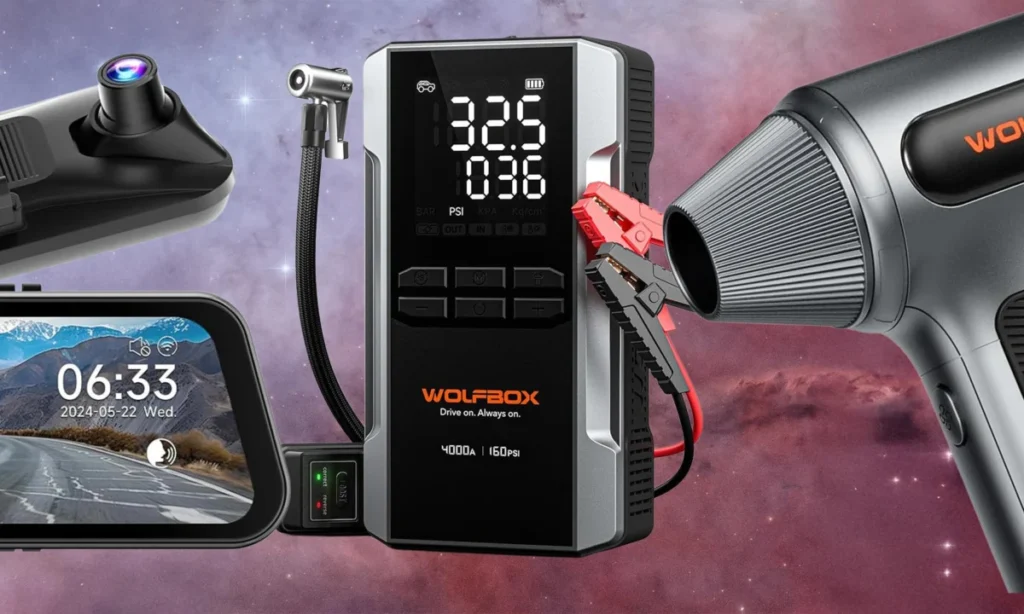
WOLFBOX X5 Duo 4K Dash Cam
In the automotive sector, dash cams have moved from optional accessories to essential documentation tools. The X5 Duo utilizes Sony’s STARVIS 2 sensor, which significantly improves low-light performance and reduces glare from headlights. As insurance premiums continue to rise, the demand for "factual receipts" of road incidents has increased, making high-definition vehicular surveillance a practical gift for daily commuters.
Lifestyle and Travel: The "Quiet Luxury" Trend
Travel and apparel gifts in 2026 are defined by durability and "quiet luxury"—the preference for high-quality materials over visible branding.
Carl Friedrik Aluminum Carry-On
The luggage industry has seen a resurgence in aluminum construction. Unlike polycarbonate shells, which can crack under pressure, aluminum offers superior impact resistance and security. The Carl Friedrik Carry-On utilizes a zipperless design with TSA-approved latches, addressing a common failure point in travel gear. This reflects a broader trend of "buy it for life" (BIFL) consumerism.
Vuarnet Legend 04 Sunglasses
Optical quality has become a key differentiator in the premium eyewear market. While many luxury brands utilize plastic (CR-39) lenses, Vuarnet continues to use mineral glass. Glass lenses offer superior scratch resistance and optical clarity that polymers cannot match. The "Legend 04" model, popularized in the 1970s, has seen a revival as consumers seek out heritage brands with proven technical credentials.
Chronology of Mother’s Day Consumer Trends (1908–2026)
- 1908: The first official Mother’s Day service is held in Grafton, West Virginia, emphasizing floral tributes (carnations).
- 1914: President Woodrow Wilson signs a proclamation designating the second Sunday in May as a national holiday.
- 1950s–1980s: The holiday becomes a major driver for the floral, greeting card, and jewelry industries.
- 2000s–2015: The rise of "experience" gifts, such as spa days and brunch outings.
- 2016–2023: The "Smart Home" era begins; tech-enabled gifts like tablets and smart speakers enter the top five gift categories.
- 2024–2026: The emergence of "high-utility luxury." Spending pivots toward professional-grade appliances, health-tracking wearables, and durable travel gear.
Market Analysis and Implications
The shift toward high-value, tech-integrated gifts for Mother’s Day 2026 carries significant economic implications. Retailers have had to adjust their inventory cycles to accommodate longer lead times for electronics and high-end hardware. Furthermore, the "subscription-model" nature of many modern gifts—such as the Oura Ring or the Ting sensor—creates a long-term financial relationship between the recipient and the brand.
Industry analysts suggest that this trend is not merely a fad but a reflection of the "sandwich generation" of mothers who are managing both children and aging parents. For these women, time-saving technology and health-monitoring tools are not just luxuries; they are essential components of modern life management.
As the retail sector continues to evolve, the 2026 Mother’s Day Gift Guide serves as a blueprint for a new era of gifting—one where the value of a gift is measured by its ability to enhance, protect, and simplify the life of the recipient. In this new paradigm, the most meaningful gesture is one that acknowledges the recipient’s competence, curiosity, and need for high-performance tools in an increasingly complex world.