

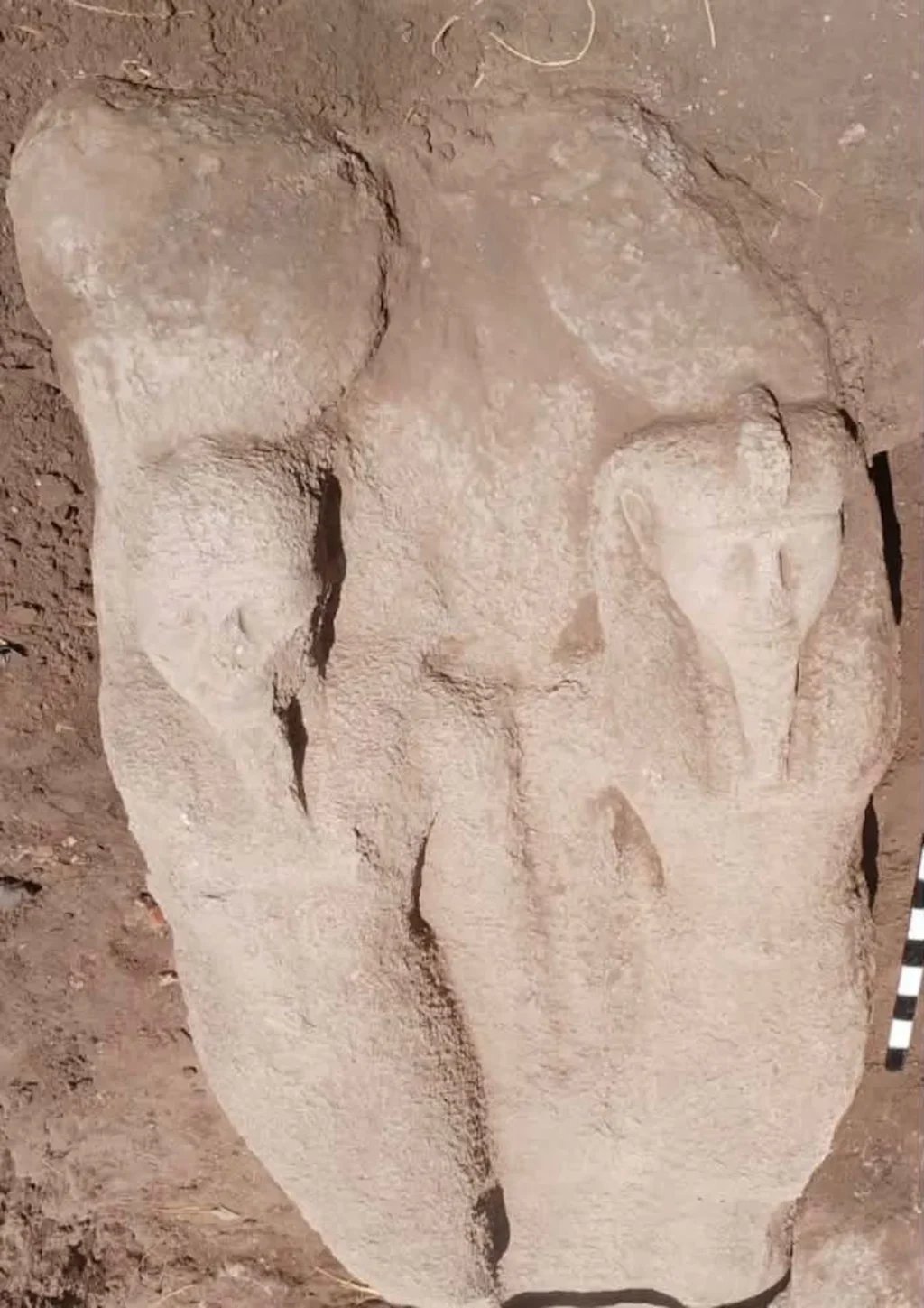
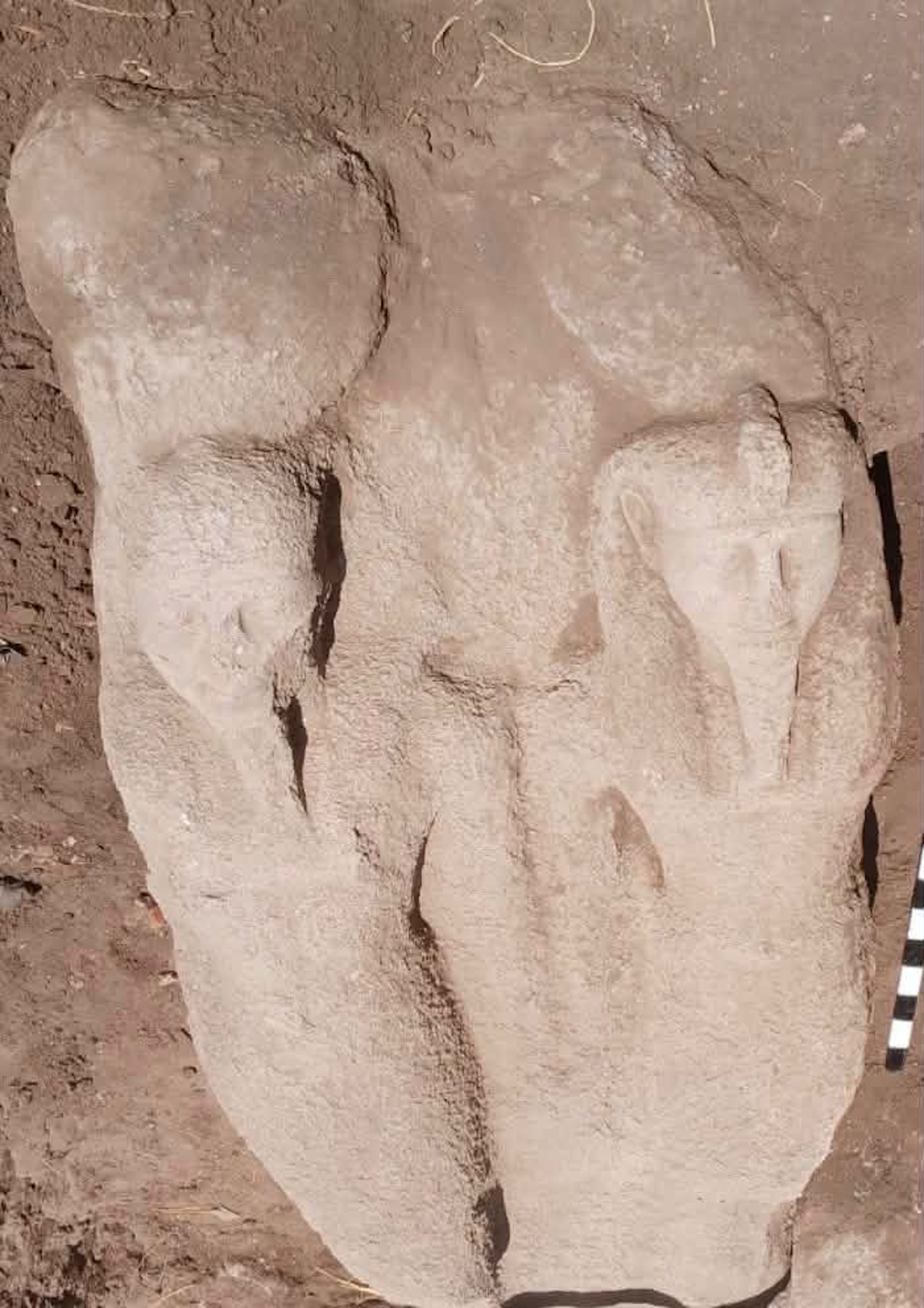
The Egyptian Ministry of Tourism and Antiquities has announced the discovery of a significant archaeological treasure at the ancient site of Imet, located in the modern-day Tel Faraoun area of the eastern Nile Delta. Excavation teams recently recovered the upper portion of a massive stone statue depicting Ramses II, one of the most formidable and celebrated pharaohs of ancient Egypt. The find, which weighs between five and six tons and stands approximately 7.2 feet tall, represents a major addition to the corpus of New Kingdom artifacts and provides further evidence of the sprawling architectural and propagandistic reach of the 19th Dynasty.
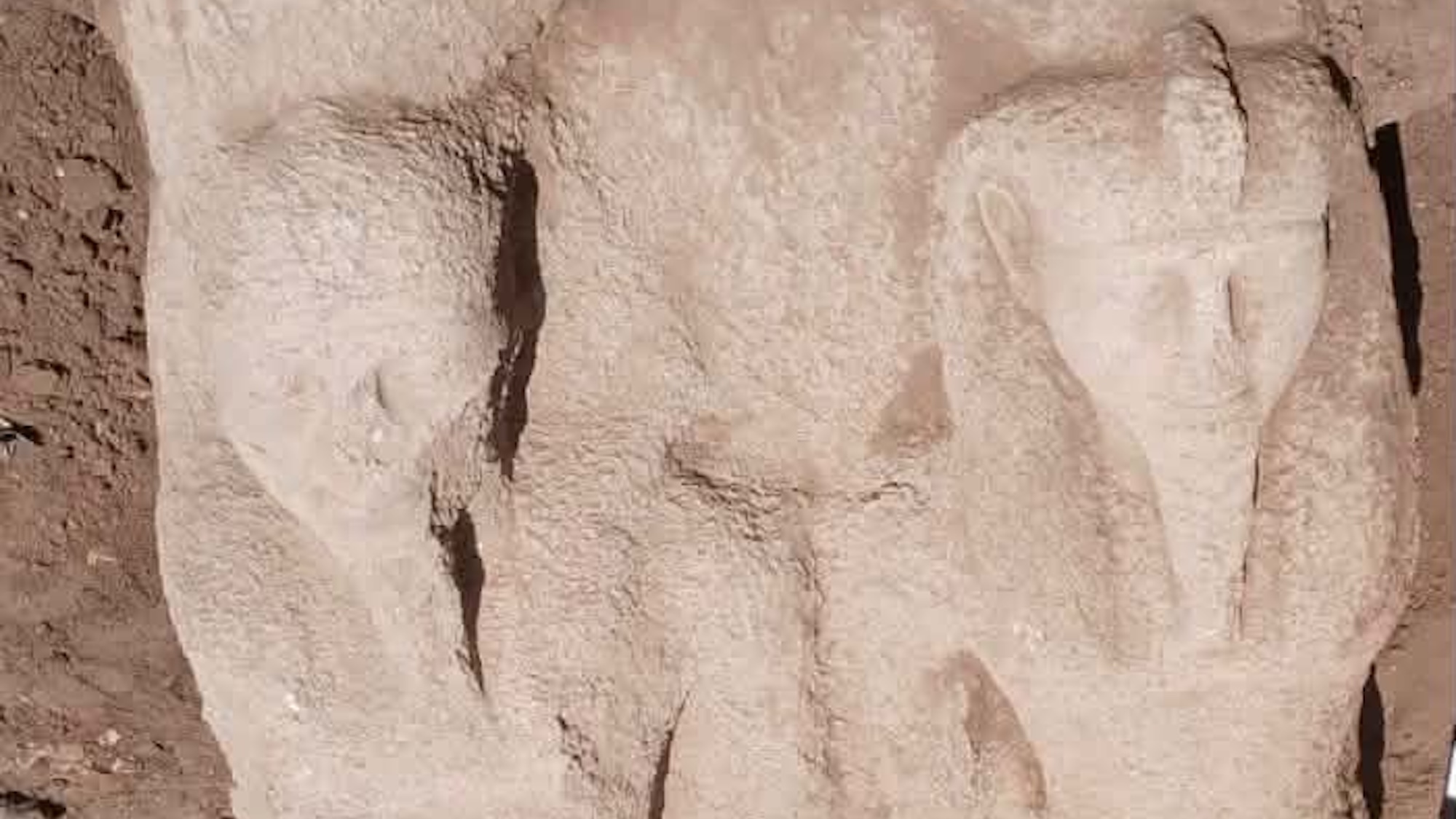
The discovery occurred during routine excavation work aimed at documenting the remains of the ancient city of Imet, which served as a religious and administrative center in the northeastern reaches of the Delta. Preliminary assessments by Egyptologists suggest that the fragment is in relatively good condition, despite the passage of over 3,000 years and the environmental challenges of the Delta’s soil. The surviving artistic details, including the intricate carvings of the pharaoh’s features and the traditional royal regalia, have allowed experts to confidently identify the subject as Ramses the Great. To ensure the artifact’s long-term preservation, the Ministry has already relocated the fragment to a secure storage facility where it will undergo rigorous cleaning, analysis, and restoration.
The Architectural Grandeur of Ramses II
Ramses II, who reigned from approximately 1279 to 1213 BCE, is synonymous with the height of Egyptian power and imperial expansion. His tenure, lasting roughly 66 years, was characterized by an unprecedented building program that transformed the landscape of the Nile Valley. From the rock-cut temples of Abu Simbel in the south to the sprawling administrative capital of Pi-Ramsesse in the north, Ramses II utilized monumental architecture as a tool for both religious devotion and political self-glorification.
The newly discovered statue fragment at Tel Faraoun is consistent with this legacy of grandeur. While the upper half alone is over seven feet tall, researchers believe the complete statue would have stood at a height that dominated its surroundings. The scale suggests that the statue was not merely a decorative element but a central feature of a temple or a public plaza. Furthermore, experts suspect that this sculpture was originally part of a "triad"—a common Egyptian sculptural arrangement that depicted the pharaoh flanked by two deities. Such compositions were designed to visually solidify the king’s divine right to rule and his close relationship with the gods of the Egyptian pantheon.
Engineering and Logistics of the New Kingdom
One of the most compelling aspects of the discovery is the logistical effort required to place the statue in Imet. Analysis of the stone and the style of the carving suggests that the statue was not produced by local artisans in the immediate vicinity of Tel Faraoun. Instead, evidence points to the royal workshops of Pi-Ramsesse, the capital city established by Ramses II. Pi-Ramsesse was located approximately 15 miles south of Imet.
Transporting a stone sculpture weighing upwards of ten to twelve tons (for the full original piece) over 15 miles of Delta terrain was a feat of ancient engineering. During the New Kingdom, such transport typically involved the use of large wooden sledges and the strategic wetting of sand to reduce friction. The statues were often moved during the annual inundation of the Nile, allowing heavy barges to carry the artifacts as close as possible to their final destinations via canals and river branches. The presence of this statue in Imet underscores the importance of the city within the pharaoh’s geopolitical strategy, signaling that even secondary urban centers were graced with high-quality royal monuments.
Chronology of a 66-Year Reign
The discovery of the statue provides an opportunity to reflect on the timeline of Ramses II’s lengthy and impactful reign. His rule is often divided into several key phases that defined the New Kingdom era:
- 1279 BCE: Ramses II ascends the throne following the death of his father, Seti I. He immediately begins consolidating power and initiating construction projects in Abydos and Thebes.
- 1274 BCE: The Battle of Kadesh occurs. Ramses II leads his forces against the Hittite Empire in modern-day Syria. While the battle ended in a stalemate, Ramses portrayed it as a resounding victory on the walls of his temples.
- 1258 BCE: Ramses II signs the world’s first recorded international peace treaty with the Hittites, ushering in a period of relative stability and increased trade.
- 1240–1213 BCE: The later decades of his reign are marked by the celebration of numerous Sed festivals—jubilees intended to rejuvenate the king’s strength—and the continued expansion of the capital at Pi-Ramsesse.
- 1213 BCE: Ramses II dies at the approximate age of 90. He is buried in the Valley of the Kings (KV7), leaving behind a kingdom at its territorial and cultural zenith.
Throughout this chronology, Ramses II fathered an estimated 100 children, ensuring that his lineage would dominate Egyptian politics for generations. His longevity and the sheer volume of his monuments led later Greeks to refer to him as Ozymandias, a name derived from his throne name, Usermaatre.
The Significance of Imet (Tel Faraoun)
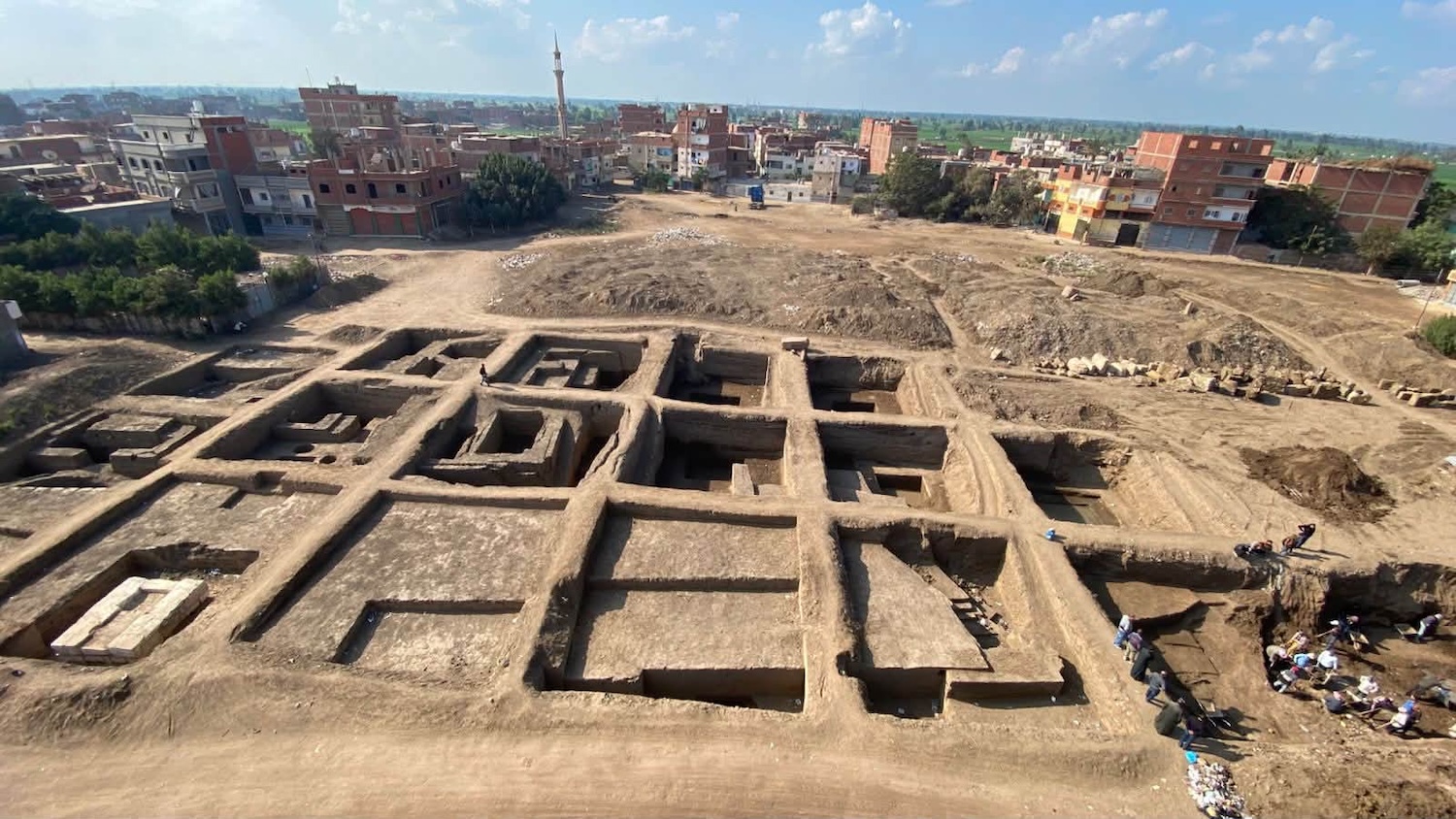
The site of the discovery, Tel Faraoun, holds deep historical significance. Known in antiquity as Imet, it was the capital of the 19th Nome of Lower Egypt. The city was primarily dedicated to the goddess Wadjet, the cobra deity who served as the protector of Lower Egypt and the pharaoh himself.
The presence of a massive Ramses II statue at a site dedicated to Wadjet is symbolically potent. By placing his image in the House of Wadjet, Ramses II was claiming the goddess’s direct protection. Excavations at the site have previously revealed temple foundations and smaller votive offerings, but the discovery of a five-ton royal fragment suggests that the temple complex at Imet was far more substantial than previously estimated. Archaeologists believe that further exploration of the area may reveal the lower half of the statue or even additional fragments of the triad, which could include depictions of Wadjet or other local deities like Min or Horus.
Official Responses and Preservation Efforts
The Egyptian Ministry of Tourism and Antiquities has emphasized that the discovery is part of a broader mission to protect Delta sites, which are often threatened by agricultural expansion and rising groundwater. In a statement regarding the find, officials noted that the recovery of the Ramses II fragment is a testament to the success of ongoing Egyptian-led archaeological missions.
"The relocation of the statue fragment to a restoration lab is our first priority," noted a Ministry spokesperson. "Once the stone is stabilized and the inscriptions are fully documented, we will evaluate the best way to present this piece to the public. It is a vital link to our understanding of how the 19th Dynasty projected power in the eastern Delta."
The restoration process will involve desalting the stone to prevent the crystallization of minerals that can cause the surface to flake. High-resolution 3D scanning will also be employed to create a digital model of the fragment, allowing researchers to virtually reconstruct the missing portions and compare the work with other known statues of Ramses II housed in the Luxor Museum and the Grand Egyptian Museum.
Broader Implications for Egyptology
The discovery at Tel Faraoun comes at a time when Egypt is experiencing a "golden age" of archaeological finds. From the Saqqara tombs to the "Lost Golden City" in Luxor, new discoveries are reshaping the historical narrative of the Pharaonic era. The find in the Delta is particularly important because the region’s damp environment often destroys organic materials and erodes stone more quickly than the arid climate of Upper Egypt. Every major find in the Delta provides a rare window into the administrative heart of the New Kingdom.
Furthermore, the discovery has significant implications for Egypt’s tourism sector. As the country prepares for the full opening of the Grand Egyptian Museum (GEM) in Giza, newly unearthed artifacts like the Ramses II fragment provide fresh content for exhibitions and help maintain global interest in Egypt’s cultural heritage.
The statue serves as a reminder that despite centuries of study, the sands of Egypt still hold secrets of its most famous ruler. Ramses II’s desire for immortality through stone seems to have been realized; even in fragments, his image continues to command attention and provide scholarly insight into the mechanics of ancient royal power. As analysis continues at Tel Faraoun, historians remain hopeful that the site will yield more clues about the relationship between the great pharaoh and the ancient city of Imet.