


The landscape of workplace learning is undergoing a profound transformation, driven by the increasing reliance on digital platforms. However, as organizations strive to equip their workforce with new skills and knowledge through Learning Management Systems (LMS), a critical challenge emerges: ensuring that these digital environments are truly inclusive and effective for all learners. This requires a shift away from designing for an elusive "average" user and embracing principles that cater to the diverse needs, experiences, and access levels of every individual.
The Illusion of Universal Access: Unpacking the "Average Learner" Myth
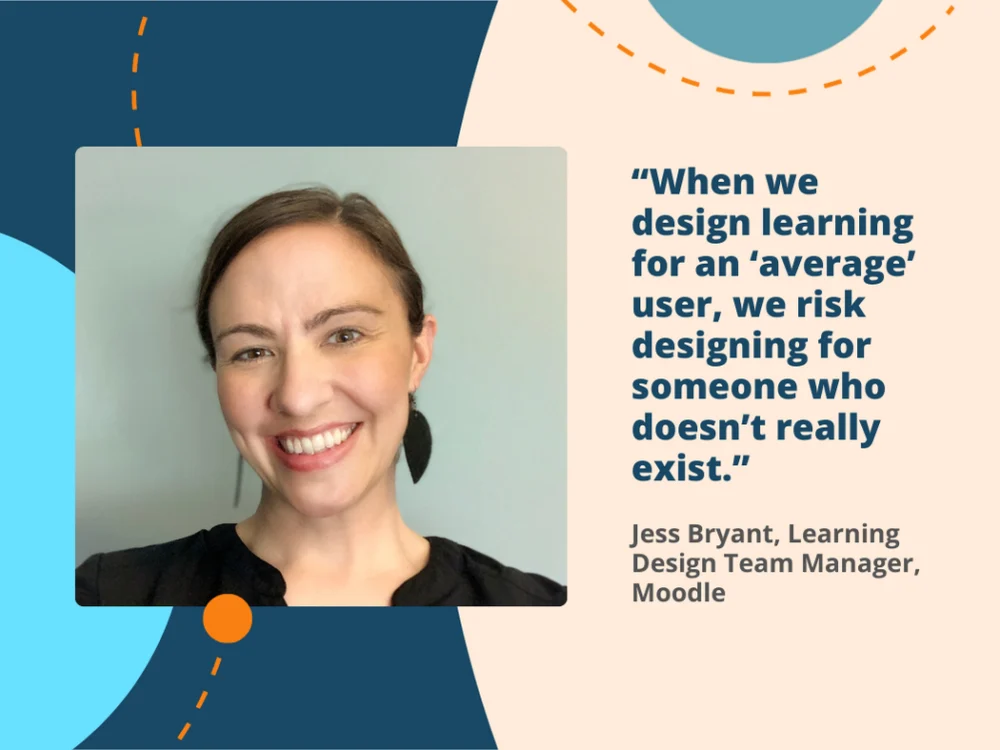
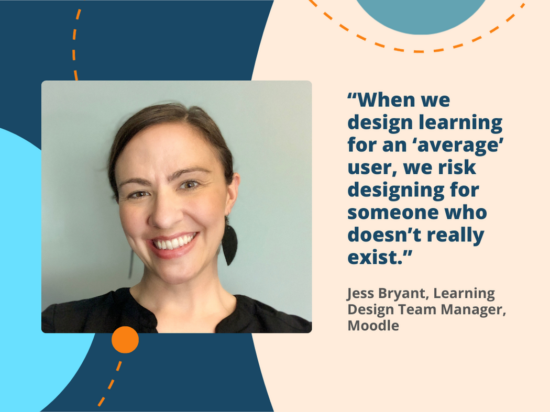
The initial rollout of a new learning platform or a significant overhaul of an existing LMS can be a daunting undertaking. It involves navigating a complex web of stakeholder expectations, ambitious engagement targets, tight deadlines, and a constant stream of questions. This high-stakes project demands meticulous planning and a deep understanding of the end-users. Jess Bryant, the Learning Design Team Manager at Moodle, a prominent open-source learning platform provider, underscores the inherent flaw in designing for a hypothetical "average" learner.
"When we design learning for an ‘average’ user, we risk designing for someone who doesn’t really exist," Bryant explains. "People engage with learning in very different ways depending on their circumstances." This observation highlights a fundamental truth: while digital platforms may appear equally accessible on the surface, the actual learning experience can vary dramatically.
Learners who are already proficient with virtual learning systems and possess strong digital literacy often navigate these platforms with ease, progressing rapidly. Conversely, individuals with limited technological access, less experience with online learning, or insufficient social support can find themselves falling behind. This disparity can be attributed to what researchers term "digital capital" – a multifaceted construct encompassing access to technology, prior experience with online learning, and the availability of social support networks that facilitate learning. Those with lower levels of digital capital tend to exhibit less engagement and progress at a slower pace compared to their peers with higher digital capital.
A recent analysis of online learning trends indicated that over 60% of employees reported facing challenges with digital learning platforms due to varying levels of technical proficiency. This data underscores the urgency for organizations to address these disparities. The gap in digital capital can significantly impede the effectiveness of corporate training initiatives, leading to a workforce that is not uniformly upskilled.
Rethinking Course Design: Small Choices, Big Impact
The good news is that bridging this "learning gap" is achievable through a thoughtful reimagining of course design strategies. While a complete LMS overhaul might be necessary in some instances, often, transformative improvements in the learner experience can be achieved through small, deliberate design choices that foster more inclusive participation.
"Simple changes in the way we design courses can make a surprisingly large impact on learner engagement," Bryant asserts. "When the learning environment feels intuitive and relevant, people are far more likely to connect with content and keep coming back."
Consider the impact of clearer course structures. For busy employees, a well-organized curriculum that clearly outlines expectations, learning objectives, and assessment criteria can significantly reduce cognitive load and anxiety. This predictability allows learners to focus on the content rather than deciphering the platform’s intricacies. Similarly, flexible course formats that are responsive across a range of devices – from desktops and laptops to tablets and smartphones – empower learners to engage with material in ways that best suit their schedules and personal circumstances. This is particularly crucial in today’s hybrid work environments, where employees may access learning materials from various locations and devices.
Further enhancing the learner experience are seemingly minor yet profoundly impactful changes such as implementing predictable navigation patterns throughout the learning environment. Consistent placement of menus, links, and action buttons across all courses minimizes the need for learners to constantly reorient themselves, thereby reducing frustration and building confidence. Providing straightforward, unambiguous instructions for all activities and assignments is another critical element. These seemingly small adjustments remove guesswork, allowing learners to concentrate on acquiring knowledge and skills, ultimately fostering a more positive and productive learning journey.
Embracing Universal Design for Learning (UDL) in the Workplace
A powerful framework that can guide the creation of more inclusive learning environments is Universal Design for Learning (UDL). Originally developed for educational settings, UDL principles translate seamlessly into the corporate world. The core tenet of UDL, as outlined by CAST (Center for Applied Special Technology), is to design learning experiences that are flexible and accessible from the outset, catering to the inherent variability among learners.
Instead of designing for a single, idealized "typical" learner, UDL acknowledges that individuals bring diverse backgrounds, motivations, learning preferences, and levels of confidence to any learning endeavor. Consequently, UDL advocates for providing learners with multiple means of engagement, representation of information, and avenues for demonstrating their learning.
"By keeping UDL in mind, we can design for variability from the beginning," Bryant emphasizes. "Rather than adapting a course later for learners who are struggling, we create learning experiences that work for a wider range of people from day one." This proactive approach not only benefits struggling learners but also enhances the experience for all participants by offering richer, more varied learning opportunities.
Implementing UDL in the workplace doesn’t necessitate a complete overhaul of existing LMS infrastructure. Instead, it involves strategic adjustments to content delivery and assessment methods. For instance, offering learning materials in multiple formats – such as short video summaries alongside detailed written transcripts or interactive modules alongside static readings – allows learners to choose the method that best aligns with their preferred learning style and cognitive processing. This caters to visual, auditory, and kinesthetic learners alike.
Similarly, recognizing that individuals demonstrate mastery in diverse ways is crucial. Some learners thrive on quizzes and knowledge checks, while others engage more deeply with reflective discussions, case studies, or applied tasks. By offering a variety of assessment options, organizations can provide all learners with the opportunity to showcase their understanding in a manner that feels most authentic and effective for them. This not only promotes equitable assessment but also provides valuable insights into different facets of a learner’s comprehension.
The Broader Impact: When Learning Works for Everyone, it Works Better
Returning to the initial challenge of launching or transforming a learning platform while meeting the diverse needs of an entire organization, the adoption of a variability-centric design approach shifts the focus. It moves away from the pursuit of a singular "perfect" course and towards the creation of an environment where every individual has the opportunity to succeed.
The implications of such an approach are far-reaching. When learning is designed with real people in mind, it doesn’t just become more accessible; it becomes more valuable for the organization as a whole. A workforce that feels supported and empowered to learn is more likely to be engaged, productive, and innovative. This can translate into tangible benefits such as improved employee retention rates, enhanced customer satisfaction, and a stronger competitive advantage.
A recent study published in the Journal of Applied Learning Technologies found that organizations implementing UDL principles in their corporate training programs reported an average increase of 15% in employee skill acquisition and a 10% improvement in knowledge retention rates. These statistics highlight the significant return on investment for inclusive learning design.
To further support organizations in this endeavor, Moodle has developed a comprehensive resource titled "Bridging the Hidden Learning Gap." This guide offers expert insights, practical strategies, and actionable ideas for creating learning environments that employees genuinely want to engage with. Whether an organization is embarking on a new platform launch or refining an existing one, this resource provides a roadmap for fostering thoughtful learning design, prioritizing accessibility, and adopting human-centered approaches.
"When learning is designed with real people in mind, it doesn’t just become more accessible – it becomes more valuable for the organization as a whole," reiterates Bryant. This sentiment encapsulates the transformative power of inclusive learning design. By embracing the principles of Universal Design for Learning and making small, intentional design choices, organizations can cultivate a learning ecosystem where every employee is empowered to thrive, contributing to a more skilled, adaptable, and successful workforce.
For those ready to strengthen learning across their organization and ensure that every learner can succeed, downloading the "Bridging the Hidden Learning Gap" guide is a crucial first step. This resource is designed to be a go-to reference, simplifying the process of creating effective and inclusive learning experiences that yield lasting benefits.