



The demanding landscape of modern education often presents unique challenges for neurodivergent teachers, many of whom are only now receiving diagnoses that provide clarity for lifelong patterns of struggle and exceptional skill. While the profession is built on the premise of nurturing diverse learners, the systems and expectations within schools frequently overlook the cognitive differences of their own staff, leading to burnout and a potential loss of invaluable talent. Recognizing and actively supporting neurodivergent educators – encompassing individuals with ADHD, autism, dyslexia, and other forms of cognitive diversity – is not merely an act of inclusion but a strategic imperative that can profoundly enrich school communities and enhance educational outcomes for all students.
The intricate demands of teaching, from meticulously crafting lesson plans and managing complex schedules to providing individualized student support and tackling an ever-present backlog of administrative tasks, inherently rely heavily on executive functioning skills. For many educators, particularly those who are neurodivergent, these daily tasks, which may appear straightforward to some, can represent an immense cognitive load, leading to constant juggling, improvising, and an underlying sense of overwhelm. This often goes unrecognized, both by the individuals themselves and the institutions they serve, until the cumulative strain becomes unsustainable. Recent data from the National Center for Education Statistics indicates that teacher burnout remains a significant concern, with a substantial percentage of educators reporting high levels of stress, a factor often exacerbated by unaddressed neurodivergent needs.
The Overlooked Workforce: A "Lost Generation" Emerges
A significant demographic of current educators, often spanning those in their 30s, 40s, and 50s, comprises a "lost generation" of neurodivergent adults. These individuals grew up in an era when understanding and diagnostic criteria for neurodevelopmental conditions were far less developed and widely recognized than they are today. For instance, in the early 1990s, ADHD was frequently and narrowly associated with hyperactivity, predominantly observed and diagnosed in boys. Similarly, autism spectrum disorder (ASD) was often defined by more pronounced presentations, leading to many, particularly girls, high achievers, or those with less outwardly disruptive behaviors, remaining undiagnosed. The prevailing diagnostic models often overlooked internal presentations, masking strategies, and the varied ways neurodivergence manifests across different genders and cognitive profiles.
This historical context means that countless educators navigated their schooling and early careers without the language or framework to understand their own cognitive profiles. The burgeoning public discourse around adult neurodivergence, fueled by increased research, social media awareness campaigns, and educational podcasts, has provided a crucial turning point. Many teachers report connecting their own experiences of lifelong overwhelm, inconsistency, and susceptibility to burnout with the traits of ADHD, autism, or dyslexia, often after their own children receive diagnoses or through self-reflection spurred by newfound information. This belated recognition can bring immense relief, offering an explanation for past struggles, but it can also be accompanied by a profound sense of grief for decades spent in self-blame, misunderstanding, and the unnecessary exhaustion of trying to conform to neurotypical expectations.

The irony is particularly sharp for these educators, who are expertly trained to identify and support neurodivergent traits in their students, meticulously collecting data, documenting behaviors, and designing interventions. Yet, they often failed to apply the same lens to their own experiences, frequently attributing their struggles with organization, focus, or sensory sensitivities to personal failings rather than inherent cognitive differences. This reinterpretation of one’s personal and professional narrative is a process that is both liberating and, at times, destabilizing, fundamentally altering how they perceive their work, their students, and the educational systems they operate within.
Despite increasing awareness, a pervasive stigma surrounding neurodivergence persists within professional settings. Admitting difficulties with executive functioning, attention regulation, or sensory processing can be perceived as a sign of incompetence or lack of professionalism in environments that often equate "having it all together" with capability. Consequently, many neurodivergent teachers continue to mask their challenges, expending immense energy to conform, which inevitably contributes to heightened stress, fatigue, and ultimately, burnout. This silence prevents both individuals from seeking appropriate support and institutions from understanding the true diversity of their workforce. Educational advocacy groups, such as the Neurodiversity in Education movement, continually highlight the need for greater understanding and reduced stigma to foster genuinely inclusive professional environments.
The Unseen Strengths: Valuing Cognitive Diversity in Education
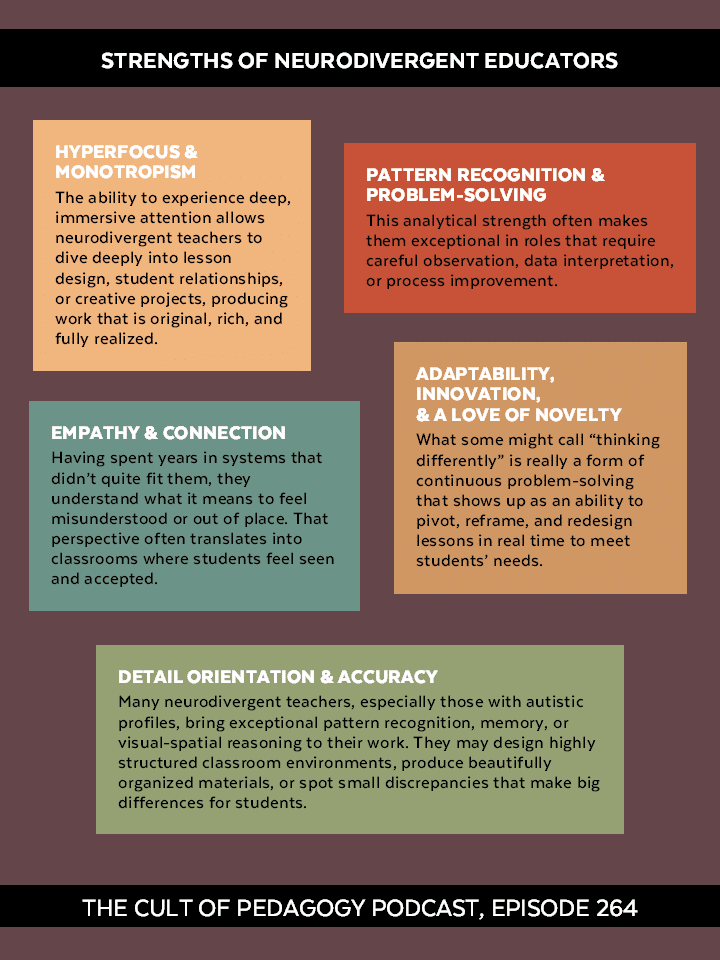
Far from being a deficit, neurodivergence often endows educators with a unique suite of strengths that are profoundly beneficial to the teaching profession and the students they serve. When viewed as variations in thinking, processing, and engaging, rather than shortcomings, these traits reveal themselves as powerful assets.
- Innovative Problem-Solving: Neurodivergent individuals often approach challenges with non-linear thinking, leading to creative solutions and novel instructional strategies. They might devise unique ways to explain complex concepts, design engaging activities, or adapt curricula to meet diverse learning styles, born from their own experiences of navigating traditional learning environments. This fresh perspective can invigorate stagnant teaching practices.
- Deep Empathy and Connection: Having often experienced academic or social hurdles themselves, neurodivergent teachers frequently possess a heightened sense of empathy for students who struggle. They can better understand and connect with neurodivergent students, fostering a classroom environment where differences are celebrated, and individual needs are genuinely addressed. This leads to stronger teacher-student relationships and a more inclusive learning atmosphere, critical for student well-being and academic success.
- Authenticity and Role Modeling: When given the space to be their authentic selves, neurodivergent educators model self-awareness, resilience, and creative problem-solving. They demonstrate to students that there isn’t a singular "right" way to learn, think, or teach, fostering a culture of acceptance and reducing the pressure for students to mask their own neurodivergent traits. This modeling of self-acceptance is invaluable in developing confident, self-aware students.
- Hyperfocus and Passion: Many neurodivergent individuals, particularly those with ADHD or autism, can experience periods of intense hyperfocus on subjects of interest. When this aligns with their teaching subject, it translates into profound knowledge, enthusiastic delivery, and an infectious passion that deeply engages students and enriches the learning experience. This deep dive into topics can lead to highly specialized and inspiring lessons.
- Attention to Detail (for some profiles): While some neurodivergent profiles may struggle with broad organization, others exhibit a remarkable attention to detail, particularly in areas of their specialized interest. This can translate into meticulous planning, thorough feedback, or a deep understanding of nuanced curriculum points, ensuring high standards in specific aspects of their work.
- Advocacy for Inclusivity: Drawing from their personal experiences, neurodivergent teachers often become powerful advocates for inclusive practices within their schools, pushing for accommodations and pedagogical approaches that benefit not only neurodivergent students but all learners. They often champion universal design for learning (UDL) principles, making education accessible to a wider range of students.
Studies on workplace diversity consistently demonstrate that teams composed of individuals with diverse cognitive styles outperform homogenous groups in terms of innovation, problem-solving, and adaptability. In an educational context, this translates into a richer, more dynamic learning environment that is better equipped to serve an increasingly diverse student population. Educational psychologists emphasize that a diverse teaching staff better reflects the diversity of the student body, offering varied perspectives and approaches that cater to individual learning styles.
When Systems Don’t Fit: The Friction Points
Despite these undeniable strengths, the prevailing structures within educational institutions can inadvertently create significant barriers for neurodivergent teachers. Schools are typically designed with routines, expectations, and environments catering to the neurotypical majority, often overlooking the sensory, social, and executive function needs of neurodivergent staff.
- Sensory Overload: Classrooms and school common areas are often highly stimulating environments with constant noise, fluorescent lighting, strong smells, and visual clutter. For neurodivergent individuals with sensory sensitivities, this can lead to chronic overstimulation, fatigue, and difficulty concentrating, impacting their ability to sustain focus throughout the day.
- Rigid Schedules and Transitions: The highly structured nature of the school day, with its fixed bells, rapid transitions between classes, and constant demand for immediate responsiveness, can be particularly challenging. Quick shifts in focus, managing multiple competing priorities, and the lack of flexible downtime can deplete executive functioning resources quickly, leading to feelings of being constantly "on" and overwhelmed.
- Unclear Communication and Social Dynamics: School cultures can sometimes rely on implicit social cues, unwritten rules, and informal communication channels. For neurodivergent teachers who may prefer direct, explicit communication, or find social navigation taxing, this can lead to misunderstandings, feelings of isolation, and difficulties engaging in collaborative settings or navigating office politics.
- Administrative Burden and Paperwork: The sheer volume of administrative tasks, data collection, and paperwork, often with strict deadlines and complex organizational requirements, disproportionately impacts educators who struggle with executive functions like planning, prioritization, and task initiation. This can lead to missed deadlines, increased stress, and a feeling of being constantly behind, detracting from their core teaching responsibilities.
- Meeting Culture: Frequent, lengthy meetings, often with unstructured agendas or reliance on auditory processing, can be overwhelming and unproductive for neurodivergent individuals who may struggle with sustained attention, processing spoken information in real-time, or contributing effectively in group settings without prior preparation.
This paradox highlights a fundamental disconnect: schools verbally espouse the value of diversity and individualized support for students, yet often fail to extend the same considerations to their staff. When flexibility, understanding, and appropriate accommodations are absent, the unique strengths of neurodivergent teachers can be stifled, transforming into sources of stress and ultimately leading to disillusionment and early departure from the profession. The challenge lies not with the teachers themselves, but with systems that require adaptation.
Empowering Educators: Practical Tools and Strategies
While systemic change is crucial, neurodivergent educators can also employ a range of personal strategies to manage their energy, optimize their work environment, and enhance their sustainability in the profession. These are not universal solutions but rather a toolkit for experimentation.
-
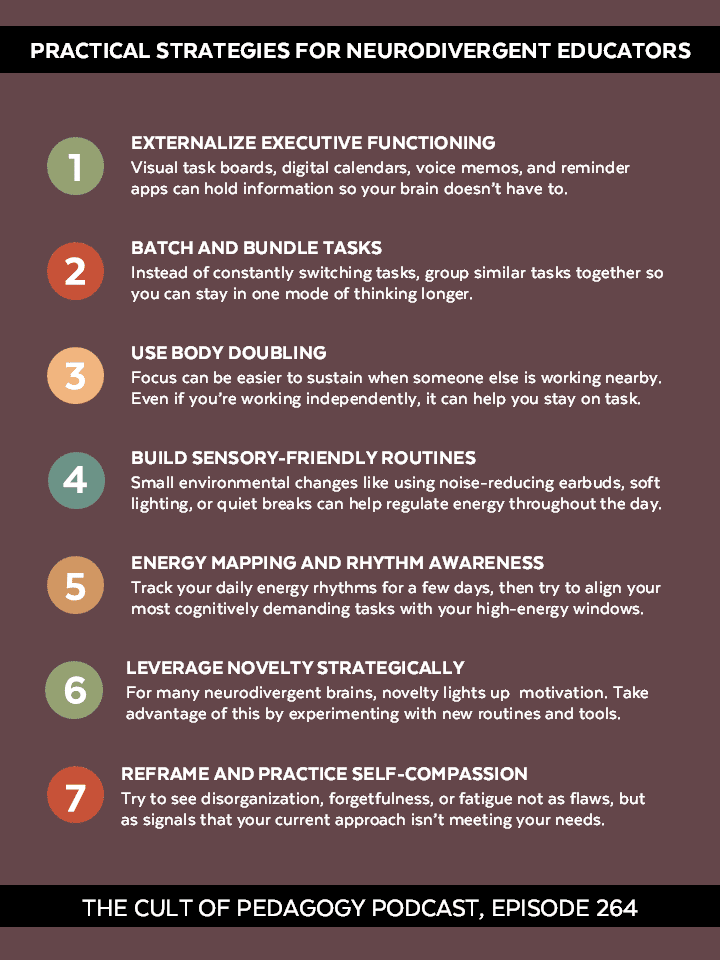
Externalize Executive Functioning: Teaching involves an enormous amount of mental juggling. Relying solely on internal memory is unsustainable. Educators can offload mental tasks using visual task boards (e.g., Kanban boards), digital calendars with robust reminder systems, or dedicated planning apps. Voice memos can capture fleeting ideas, and automation tools like IFTTT (If This Then That) can streamline routine digital tasks, such as organizing emails or setting recurring reminders. The core principle is to make the invisible mental workload visible and manageable, reducing cognitive load.
-
Batch and Bundle Tasks: Constant task-switching is a significant energy drain for many neurodivergent brains. Grouping similar tasks allows for sustained focus in one cognitive mode. For example, dedicating a specific block of time solely to grading all short-answer responses, or planning all lessons for the week in a single sitting, minimizes the friction of "gear-shifting." Similarly, designating separate times for email communication, parent updates, or curriculum development can significantly improve efficiency and reduce cognitive fatigue.
-
Utilize Body Doubling: The presence of another person working nearby can significantly improve focus and task initiation, a phenomenon known as "body doubling." Neurodivergent educators can benefit from scheduling shared planning periods with a trusted colleague, participating in virtual co-working sessions, or even using apps designed for remote body doubling. This external accountability, even if silent, can provide the necessary impetus to start and persist with challenging tasks like grading, report card writing, or administrative paperwork.
-
Cultivate Sensory-Friendly Routines and Environments: Small adjustments to the immediate environment can yield substantial benefits. Noise-reducing headphones or earbuds can mitigate auditory overstimulation. Adjusting lighting, perhaps using desk lamps or maximizing natural light instead of harsh overhead fluorescents, can reduce visual strain. Incorporating intentional movement breaks, stretching, or brief grounding exercises between classes or during planning periods helps regulate energy and sensory input. Establishing a "reset ritual"—a few deep breaths in the hallway, a sip of water, or a moment of mindfulness—can help teachers transition between demands more smoothly.
-
Energy Mapping and Rhythm Awareness: Every individual has natural energy fluctuations throughout the day. Tracking these patterns for a week or two—identifying peak focus times and periods of lower energy—allows educators to strategically align tasks. Cognitively demanding work, such as lesson planning, complex problem-solving, or providing detailed feedback, can be scheduled during high-energy windows. Lower-energy tasks, like organizing materials or routine administrative checks, can be reserved for times when focus naturally wanes. This awareness also informs when to schedule proactive rest and recovery, preventing burnout.
-
Leverage Novelty Strategically: For many neurodivergent brains, novelty acts as a powerful motivator. This can be harnessed by introducing small, controlled variations into routines. Experimenting with a new lesson format, slightly rearranging classroom furniture, or integrating a new digital tool can rekindle engagement when feeling stuck. The key is to use novelty as a spark for focus, integrating it thoughtfully rather than letting it become a source of distraction.
-
Reframe and Practice Self-Compassion: Operating within systems not designed for one’s brain can lead to feelings of inadequacy. It is crucial for neurodivergent educators to reframe patterns of disorganization, forgetfulness, or fatigue not as personal failures, but as valuable feedback that the current approach is not meeting their needs. Cultivating self-compassion creates the mental space for experimentation without shame, allowing for the understanding that "professionalism" does not equate to neurotypical perfection. Sustainable teaching is rooted in honoring one’s inherent human needs and cognitive profile.
These individual strategies are not about pushing harder, but about working smarter and differently, aiming to reduce friction, preserve precious energy, and allow inherent strengths to flourish.
Fostering Inclusive Environments: Institutional Responsibilities
The onus of adaptation should not solely rest on individual educators. Schools and administrators play a critical role in creating environments that support and retain their neurodivergent staff. This is not about granting "special treatment" but ensuring equitable access to a profession that benefits immensely from cognitive diversity.
- Promote Neurodiversity Awareness and Training: Invest in professional development for all staff, including leadership, on neurodiversity. This should cover common profiles like ADHD, autism, and dyslexia, focusing on strengths, common challenges, and practical support strategies. Understanding is the first step towards empathy and effective accommodation. Research from organizations like the National Education Association supports the positive impact of such training on school culture.
- Cultivate a Culture of Openness and Psychological Safety: Leaders should model acceptance and vulnerability, encouraging open dialogue about diverse needs without fear of judgment or professional repercussions. Creating clear channels for confidential accommodation requests and ensuring these are met with understanding can significantly reduce the pressure to mask, as noted by mental health experts in education.
- Offer Flexible Work Arrangements and Accommodations: Where possible, provide flexibility in work schedules, meeting formats (e.g., offering agendas in advance, allowing for virtual participation), and physical workspaces. Simple accommodations like noise-canceling headphones, adjustable lighting, or a quiet space for focused work can make a profound difference. Review and streamline administrative burdens, perhaps by offering centralized support or technological solutions to reduce individual paperwork load, mirroring best practices in corporate diversity and inclusion initiatives.
- Re-evaluate Communication Practices: Prioritize clear, concise, and explicit communication. Utilize multiple modalities (written, visual, verbal) for important information. Provide agendas and expected outcomes for meetings well in advance, allowing neurodivergent staff time to process and prepare their contributions, which can improve meeting efficacy for everyone.
- Mentor and Peer Support Networks: Establish formal or informal mentorship programs and peer support networks specifically for neurodivergent educators. Connecting with others who share similar experiences can provide invaluable strategies, emotional support, and a sense of community, reducing feelings of isolation and fostering resilience.
- Focus on Outcomes Over Process: Shift the emphasis from rigid adherence to prescribed processes to achieving desired educational outcomes. This allows neurodivergent teachers to leverage their unique problem-solving abilities and find effective methods that align with their cognitive strengths, rather than being penalized for not conforming to a single "right" way of working.
- Invest in Assistive Technology and Tools: Provide access to and training for assistive technologies that can support executive functioning, organization, and sensory regulation, such as speech-to-text software, organizational apps, or noise-reduction devices. These tools are increasingly affordable and can significantly enhance productivity and reduce strain.
Towards a More Equitable Future
When schools intentionally design for flexibility, clarity, and belonging, the benefits extend far beyond neurodivergent staff. A supportive environment for educators translates directly into a more inclusive and effective learning environment for students. Teachers who feel safe to operate in ways that align with their cognitive profiles are better equipped to model that same acceptance for their students. When students witness adults openly using visual schedules, taking sensory breaks, or discussing their attention patterns as tools for success, it normalizes these strategies and reinforces the message that diversity in learning and thinking is a strength, not a weakness. This contributes to a broader understanding of neurodiversity within the school community, preparing students for a diverse world.
For school leadership, approaching neurodiversity with empathy and a commitment to systemic flexibility builds profound trust across the entire staff. Clear communication, reasonable and adaptable expectations, and a genuine openness to diverse working styles foster a culture where all educators feel valued, engaged, and innovative. This ultimately leads to improved teacher retention, reduced burnout rates, and a more vibrant, resilient educational community capable of meeting the complex demands of the 21st century. Data on teacher attrition consistently shows that supportive work environments are key to retaining experienced educators.
As the understanding of neurodiversity continues to grow, the conversation must move beyond mere awareness to tangible action. Schools that proactively design for inclusion, by embracing flexibility, ensuring clear communication, and cultivating a sense of belonging, do not just make life better for their neurodivergent staff. They create truly equitable and enriching environments where every teacher and every student can