


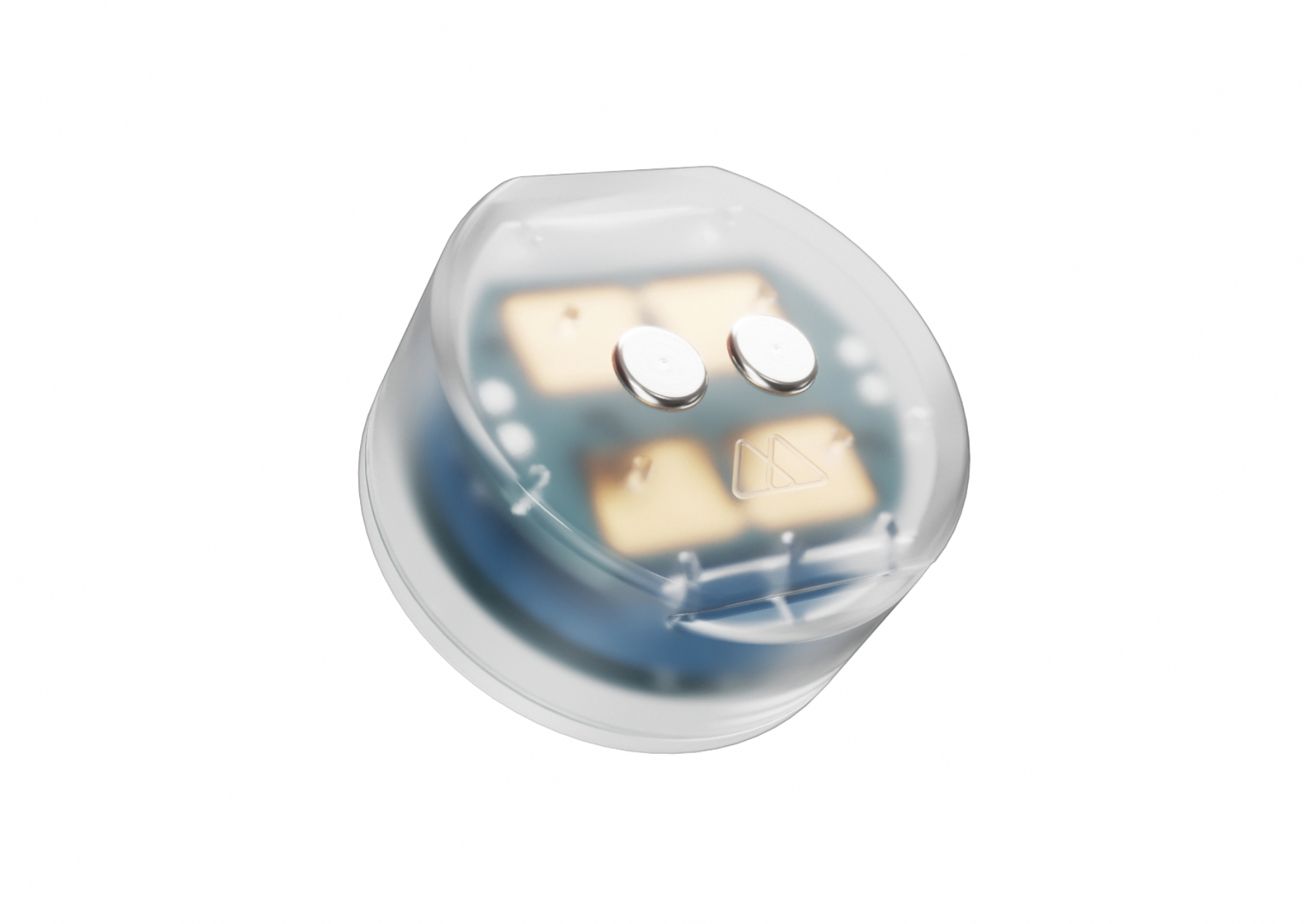
The United States Food and Drug Administration has officially granted approval for the first human clinical trials of a miniature brain-computer interface designed specifically to treat individuals suffering from treatment-resistant depression. Developed by the Houston-based neurotechnology startup Motif Neurotech, the device—a wireless, leadless implant approximately the size of a blueberry—represents a significant shift in the application of neural implants, moving beyond motor restoration toward the direct modulation of mood and cognitive networks. This milestone marks the beginning of a new era in psychiatric care, where "brain pacemakers" may soon offer a permanent, at-home solution for the millions of Americans who have found no relief through traditional pharmacology or psychotherapy.
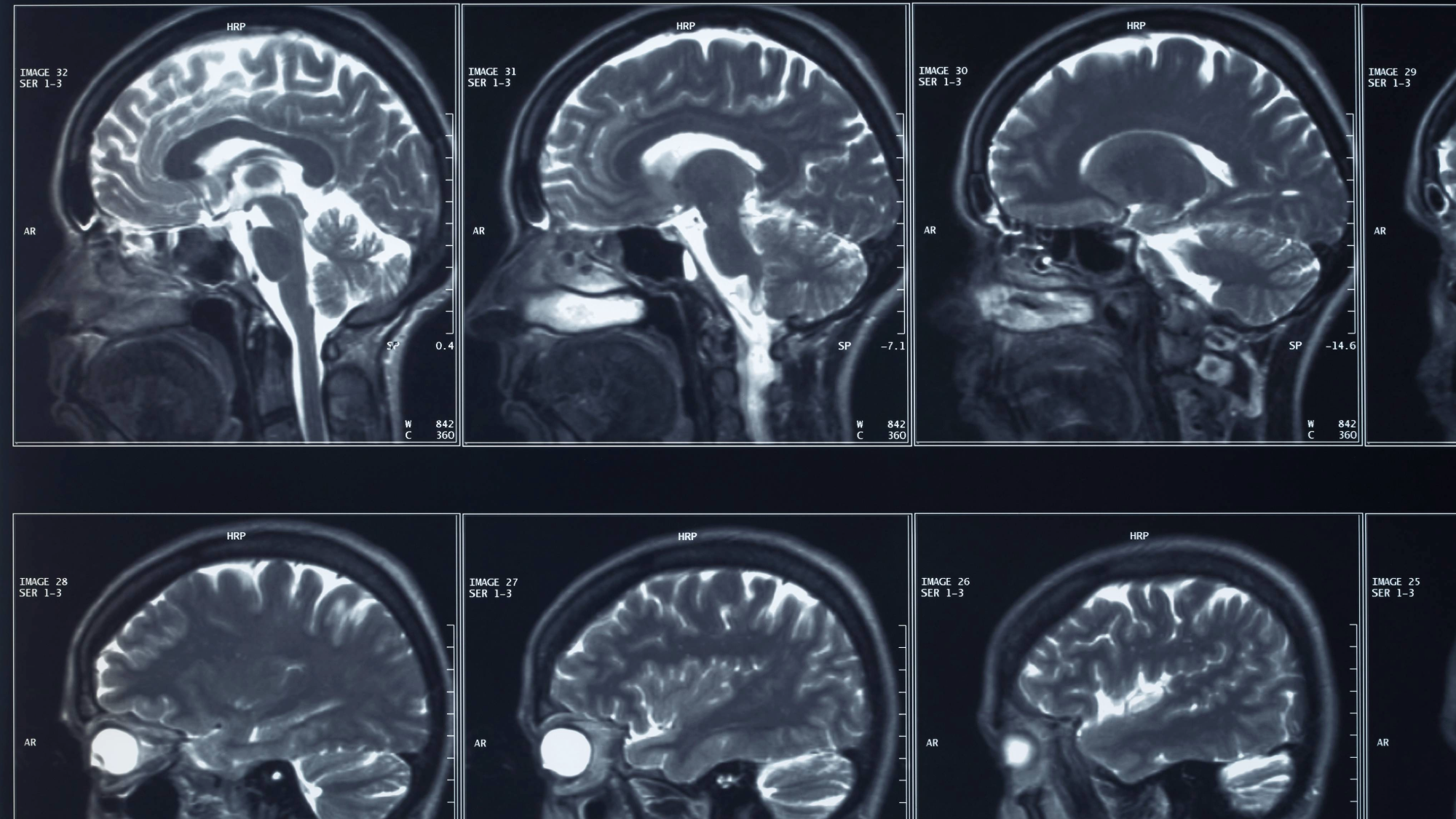
The device, known as the "DOT" microstimulator, is engineered to sit within the skull bone, resting on the dura mater—the thick, protective outermost membrane surrounding the brain. Unlike more invasive brain-computer interfaces (BCIs) that require electrodes to be inserted directly into brain tissue, the Motif implant is designed to deliver targeted electrical stimulation to the central executive network, specifically the dorsolateral prefrontal cortex. This region is frequently found to be underactive in patients diagnosed with Major Depressive Disorder (MDD). By stimulating these dormant neural circuits, the device aims to restore healthy brain activity patterns and alleviate the debilitating symptoms of chronic depression.
Technical Specifications and the Wireless Interface
The Motif Neurotech implant distinguishes itself through its "minimally invasive" architecture. While companies like Neuralink and Synchron focus on high-bandwidth data transfer to control external computers, Motif’s primary function is therapeutic neuromodulation. The implant itself contains no internal battery, which eliminates the need for periodic replacement surgeries common with older-generation neurostimulators. Instead, it is powered through magnetoelectric technology—a sophisticated method of wireless power transfer that converts magnetic fields into electrical energy to drive the device’s stimulation pulses.
To activate the treatment, patients utilize a specialized wearable device integrated into a standard-looking baseball cap. This cap contains the necessary hardware to wirelessly power the implant and communicate treatment protocols. Under the proposed treatment regimen, a patient might wear the cap for brief intervals, such as 10 to 20 minutes daily, during which the implant delivers precise "motifs" of electrical pulses. This "at-home" capability is a central pillar of the technology’s design, intended to make psychiatric neuromodulation as routine and accessible as monitoring glucose levels is for a diabetic patient.
The Burden of Treatment-Resistant Depression
The clinical necessity for such a device is underscored by the staggering prevalence of treatment-resistant depression (TRD). Conventional wisdom suggests that antidepressants and therapy are the gold standards for mental health care; however, data from the National Institute of Mental Health (NIMH) and various longitudinal studies, such as the landmark STAR*D study, reveal a more complex reality. Approximately one-third of adults with major depression do not achieve remission after multiple rounds of different antidepressant medications. In the United States alone, this accounts for nearly three million people living in a state of "clinical stalemate," where existing medical interventions have failed.
For these individuals, the options are often limited to more intensive procedures. These include Transcranial Magnetic Stimulation (TMS), which requires frequent visits to a clinic for weeks at a time, or Electroconvulsive Therapy (ECT). While highly effective, ECT remains stigmatized due to its historical portrayal and its requirement for general anesthesia and potential side effects like temporary memory loss. Motif Neurotech’s device is positioned as a modern, high-tech evolution of these concepts—offering the localized stimulation of TMS with the long-term consistency of an implant, all while avoiding the systemic side effects of oral medications.
Chronology of Development and Regulatory Path
The journey toward this FDA-approved trial began at Rice University, where Jacob Robinson, now the CEO and co-founder of Motif Neurotech, led research into magnetoelectric materials. The fundamental challenge was finding a way to stimulate the brain through the skull without the use of bulky wires or large batteries that could cause tissue heating or infection.
In 2022, Motif Neurotech was formally established to transition this academic breakthrough into a medical product. Over the subsequent two years, the company conducted extensive pre-clinical testing to ensure the safety of the magnetoelectric transfer and the durability of the implant’s housing. The timeline of development was accelerated by a growing national interest in neurotechnology and a shifting regulatory environment.
The FDA’s approval of the clinical trial in late April 2026 followed closely on the heels of a significant policy shift at the federal level. Just one week prior to the announcement, an executive order was signed directing the Department of Health and Human Services to prioritize and accelerate the development of treatments for serious mental illnesses. This political tailwind reflects a broader recognition of the mental health crisis as a matter of public health urgency, providing companies like Motif with a clearer, albeit still rigorous, path toward commercialization.
Clinical Trial Structure and Objectives
The upcoming clinical trial is designed as a feasibility study, focusing primarily on the safety and tolerability of the DOT implant. The study will enroll approximately 10 participants, all of whom must meet strict criteria for treatment-resistant depression—specifically, having failed to respond to at least four different antidepressant treatments.
Researchers will monitor the participants for a duration of 12 months following the implantation. The primary endpoints of the study include:
- Surgical Safety: Assessing the 20-to-30-minute outpatient procedure used to place the device in the skull.
- Device Integrity: Ensuring the wireless power transfer remains consistent and the implant does not migrate or cause irritation to the dura.
- Symptomatic Response: Using standardized psychiatric scales, such as the Montgomery-Åsberg Depression Rating Scale (MADRS), to observe any reduction in depressive symptoms or anxiety.
While the initial sample size is small, the data gathered will be pivotal for designing the larger, pivotal trials required for full FDA clearance. If the safety profile is established, the subsequent phases will focus on "dose-finding"—determining the exact frequency and intensity of stimulation required to maintain remission in various patient profiles.
A Comparative Analysis of Neurotechnology Approaches
The emergence of Motif Neurotech highlights a diversifying landscape in the BCI industry. To understand the implications of this trial, it is necessary to compare it with other prominent players in the field:
- Neuralink: Focused on "high-bandwidth" BCIs that involve thousands of electrodes penetrating the motor cortex. Neuralink’s primary goal is to allow paralyzed individuals to control digital devices with their thoughts. It is a high-risk, high-reward approach that involves complex robotic surgery.
- Synchron: Uses a "stentrode" delivered through the vascular system (the jugular vein) to reach the brain’s motor cortex without open-skull surgery. Like Neuralink, its current focus is on communication for those with limited mobility.
- Motif Neurotech: Unlike the others, Motif is focused on "neuromodulation" rather than "neuro-prosthetics." It does not seek to read complex thoughts or movements but rather to "tune" the brain’s emotional circuitry. By staying on the surface of the brain (the dura), it avoids the biological complications of "intracortical" implants, such as the buildup of scar tissue (gliosis) that can degrade electrode performance over time.
This distinction is crucial for the psychiatric market. Patients with depression are generally more mobile and have different risk-tolerance profiles than those with total paralysis. A 20-minute outpatient procedure is far more scalable for a population of millions than a multi-hour neurosurgical intervention.
Broader Implications for Mental Health Care
The successful deployment of a "brain pacemaker" for depression could fundamentally alter the hierarchy of psychiatric treatment. For decades, the "chemical imbalance" theory dominated the field, leading to a reliance on pills that affect the entire body and brain. This new approach views depression through the lens of "circuitry"—the idea that mental illness is a result of specific neural networks becoming dysregulated.
If the Motif trial proves successful, it could pave the way for treating other circuit-based disorders using similar miniature implants. Conditions such as Obsessive-Compulsive Disorder (OCD), Post-Traumatic Stress Disorder (PTSD), and even certain types of chronic pain are known to involve specific, identifiable brain networks that could, in theory, be modulated by a blueberry-sized device.
Furthermore, the integration of a wearable "baseball cap" controller introduces a data-driven element to psychiatry. Future iterations of the device could potentially "read" brain activity to determine when a patient is entering a depressive dip and automatically adjust the "motif" of stimulation, creating a closed-loop system that provides personalized therapy in real-time.
As the 12-month trial commences, the medical community will be watching closely. While the promise of a "mental health equivalent of a glucose monitor" is high, the challenges of long-term neural stimulation remain. However, for the three million Americans trapped in the shadows of treatment-resistant depression, the approval of this trial represents more than just a technological milestone—it represents a tangible hope for a future where relief is as simple as putting on a hat.