

The modern digital landscape, characterized by an incessant flow of information and instant gratification, appears to be profoundly reshaping fundamental human cognitive abilities, most notably the capacity for sustained attention. This phenomenon has become strikingly evident in academic settings, where even students specializing in film studies are reportedly struggling to engage with feature-length cinematic works. This concerning trend, coupled with a broader challenge in critically assessing complex technological developments like artificial intelligence, signals a critical juncture for both education and media literacy.
The Waning Gaze: Film Students and the Attention Crisis
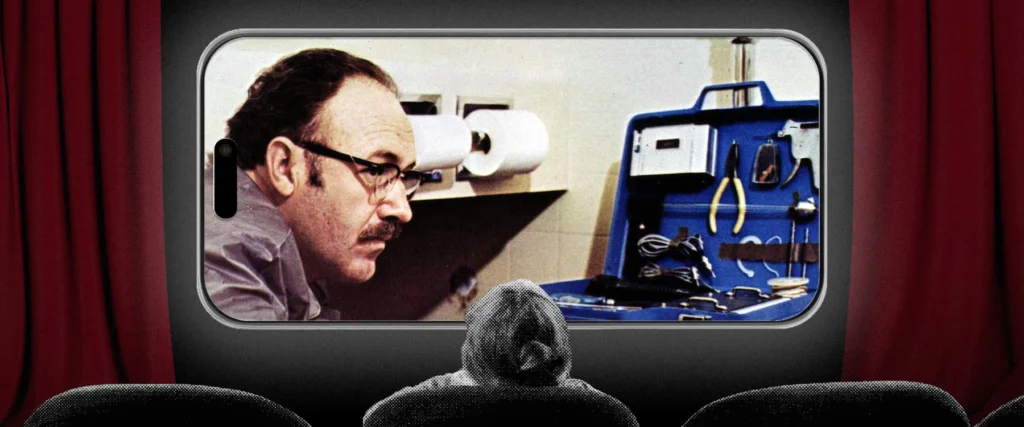
Last month, a thought-provoking article published in The Atlantic, titled "The Film Students Who Can No Longer Sit Through Films," brought this issue into sharp focus. Authored by Rose Horowitch, the piece detailed a disturbing observation made by film professors across the United States: an increasing number of their students, ostensibly dedicated to the study of cinema, exhibit a profound inability to maintain focus through an entire movie. This isn’t merely a matter of preference; it represents a tangible decline in cognitive endurance.
Craig Erpelding, a film professor at the University of Wisconsin at Madison, articulated the sentiment shared by many of his peers, telling Horowitch, "I used to think, if homework is watching a movie, that is the best homework ever. But students will not do it." This sentiment was echoed by approximately 20 film-studies professors nationwide, who reported a consistent struggle among students to pay sustained attention to feature-length films, a trend that has noticeably intensified over the past decade, particularly since the onset of the global pandemic. The shift from communal, dedicated cinema viewing to fragmented, multi-device consumption at home has exacerbated this issue, transforming what was once a cultural ritual into another opportunity for digital distraction.
Smartphones: The Primary Disruptor of Focus
The consensus among these educators points to a clear and pervasive culprit: the smartphone. These ubiquitous devices, designed for constant connectivity and instant access to bite-sized content, have fundamentally rewired attention patterns. The founding director of Tufts University’s Film and Media Studies program recounted the futility of attempting to ban electronics during screenings, observing that "About half the class ends up looking furtively at their phones." Similarly, a Cinema and Media Studies professor at USC vividly described his students’ behavior as akin to "nicotine addicts going through withdrawal…the longer they go without checking their phone, the more they fidget."
This struggle is rooted in the degradation of what reading scholar Maryanne Wolf terms cognitive patience. Defined as "the ability to [maintain] focused and sustained attention and delay gratification, while refraining from multitasking," cognitive patience is essential for deep engagement with any complex material, be it a novel, a lecture, or a feature film. Smartphones actively undermine this ability by consistently activating the brain’s short-term reward system. Each notification, each quick scroll, each new piece of content triggers a release of neurochemicals that reinforce the behavior, creating a powerful motivation to repeatedly pick up the device. Research by organizations like Common Sense Media consistently shows that teenagers spend an average of seven to nine hours a day on screens, not including schoolwork, a significant portion of which is dedicated to short-form video platforms. Over time, this constant seeking of immediate, low-effort rewards leads to a diminished capacity for sustained, effortful attention. The brain, lacking practice in prolonged focus, loses its comfort with it, making tasks like watching a two-hour film an increasingly daunting challenge.
The Broader Societal Impact of Fragmented Attention
The implications of this widespread decline in cognitive patience extend far beyond the confines of a film studies classroom. In an era where information overload is the norm, the ability to focus, synthesize, and critically evaluate complex narratives is paramount. Education, professional productivity, and even civic engagement rely heavily on this capacity. If an entire generation struggles with sustained attention, the ripple effects on academic rigor, innovation, and informed decision-making could be profound. Studies have linked excessive screen time and fragmented attention to decreased academic performance, reduced critical thinking skills, and even challenges in emotional regulation. Educators across disciplines express concern that students are less able to read lengthy texts, follow complex arguments, or engage in sustained problem-solving, skills vital for a well-functioning society.
A Call for Attention Autonomy: Reclaiming Focus Through Film
Despite the alarming nature of this trend, there lies an opportunity for intervention and reclamation. The very challenge posed by feature films can be reframed as a valuable training ground for rebuilding cognitive patience. Just as a new runner gradually increases their distance to achieve a 5K, engaging with a full-length film can serve as a manageable yet challenging goal to foster "attention autonomy." This approach suggests a deliberate, strategic effort to rewire our brains for sustained focus, using an activity that many once found inherently enjoyable. The act of sitting through a film requires active participation: following a plot, tracking character development, understanding thematic elements, and appreciating artistic choices, all without the immediate gratification of a swipe or a new notification.
For those ready to embark on this journey to improve their "cinematic cognitive patience" and, by extension, their overall ability to focus, several practical strategies can be employed:
- Cultivate a Distraction-Free Viewing Environment: This is perhaps the most critical step. Before pressing play, physically remove all potential distractions. This means placing your smartphone in another room or in a locked drawer, turning off notifications on other devices (tablets, smartwatches), and informing housemates or family members that you require uninterrupted time. Dim the lights, get comfortable, and treat the viewing experience with the respect it deserves as a dedicated activity. This physical separation helps break the habitual urge to check devices and allows the brain to settle into a state of sustained engagement, minimizing the "neuronal bundles" in the short-term reward system from anticipating new stimuli.
- Start Strategically and Gradually Increase Duration: If a two-hour film feels overwhelming, begin with shorter, highly engaging films (e.g., 60-90 minutes) or even critically acclaimed television episodes that demand focus. As your cognitive patience strengthens, gradually increase the length of the content you consume. Choose films that genuinely pique your interest, as intrinsic motivation can significantly aid in sustaining attention. Curate a watchlist of highly-regarded films known for their narrative depth or visual appeal to enhance engagement. This progressive approach mirrors cognitive behavioral therapy techniques, building tolerance for sustained attention in manageable increments.
- Engage Actively with the Narrative: Passive viewing is more susceptible to mind-wandering. Instead, adopt an active approach. Consider the film’s cinematography, dialogue, themes, and character development. You might even take brief, unobtrusive notes during pauses (if you need them initially, but aim to reduce this reliance). After the film, reflect on what you watched, discuss it with others, or read reviews. Engaging in critical analysis or discussion transforms viewing from a mere consumption of images into an intellectual exercise, strengthening the neural pathways associated with deep processing and sustained attention. Joining a film club or discussing films with friends can also provide a social accountability layer, encouraging more focused viewing.
The irony of suggesting screen time as a remedy for screen-induced distraction is not lost. However, the distinction lies in the quality and intent of engagement. Passive, fragmented scrolling versus active, sustained immersion in a narrative represents two fundamentally different cognitive processes. Many individuals express frustration with the pervasive impact of digital devices on their mental faculties but feel powerless to push back. Rediscovering the patient joys and cognitive demands of cinema could indeed offer a tangible pathway toward reclaiming control over our attention in a world increasingly vying for it.
Navigating the AI Landscape: The Peril of "Vibe Reporting"
Beyond the personal battle for attention, the broader information ecosystem presents its own challenges, particularly in how emerging technologies like Artificial Intelligence are communicated to the public. In an increasingly complex technological landscape, the media’s role in providing accurate, nuanced information is more critical than ever. Yet, a growing concern is the rise of what has been termed "AI vibe reporting" – a form of journalism that prioritizes sensationalism and speculative narratives over factual rigor and empirical evidence.
The author of the original article, who also hosts a podcast on depth and focus, notes a significant increase in distressed messages from individuals overwhelmed by the volume of this kind of reporting. This trend makes it challenging for the public to navigate the real implications of AI without succumbing to unnecessary anxiety. This phenomenon is particularly dangerous given the rapid advancements in generative AI tools like ChatGPT, which have only recently become widely accessible, leading to a public fascination mixed with apprehension.
Case Study: "The Worst-Case Future for White-Collar Workers"
A recent example cited is The Atlantic‘s article titled "The Worst-Case Future for White-Collar Workers." While the subsequent sections of the article, exploring hypothetical government responses to massive economic disruptions, are acknowledged as well-researched and valuable, the opening sections are critiqued for their "vibe-filled" approach. This style of reporting often begins with emotionally charged claims or generalized anxieties about AI’s potential impact on jobs, without sufficient grounding in current data or expert consensus. Such reporting can cherry-pick isolated anecdotes, extrapolate findings from niche research into broad societal trends, or present future possibilities as imminent realities. The danger lies in fostering a pervasive sense of fear or inevitability that can hinder constructive dialogue, policy-making, and individual preparedness. Instead of analyzing the current state and probable near-term trajectories, "vibe reporting" often works backward, seeking to confirm a pre-existing narrative of disruption.
The Reality of AI’s Impact on the Job Market
What, then, is the actual situation regarding AI and employment? While generative AI certainly possesses the potential to create significant disruptions in various sectors, the current reality is far more nuanced and less dramatic than much of the "vibe reporting" suggests. We are not yet at a point of widespread, immediate displacement of white-collar jobs. The historical context of technological advancements, from the Industrial Revolution to the internet age, often shows job displacement in some sectors being offset by job creation in others, albeit with periods of transition and retraining challenges.
The initial major shifts are more likely to occur in specific tasks within professions rather than wholesale job elimination, often leading to job augmentation rather than outright replacement. For instance, in software development, AI tools are already assisting programmers with code generation, debugging, and testing. However, the magnitude of this shift remains complex and is still being actively studied. The author’s own reporting project, which has gathered insights from over 300 computer programmers on their current use of AI, indicates that the situation is "complicated." Many programmers view AI as a powerful assistant that enhances their productivity and creativity, rather than an an immediate threat to their livelihoods. Data from institutions like the National Bureau of Economic Research and the World Economic Forum suggest that while AI will automate certain tasks, it will also create new roles and necessitate upskilling in others, particularly those requiring uniquely human attributes like creativity, critical thinking, and emotional intelligence.
Economists and researchers from institutions like the World Economic Forum and various labor organizations generally agree that AI will transform jobs, requiring new skills and adapting existing roles, but a mass unemployment event driven by current AI capabilities is not the consensus forecast for the immediate future. Projections often highlight the creation of new jobs and the increased demand for human skills that complement AI, such as critical thinking, creativity, and emotional intelligence. The focus should be on proactive workforce development and adaptable education systems rather than alarmist predictions.
The Imperative for Media Literacy in the AI Era
The actual stories related to AI — its ethical implications, its potential for bias, its regulatory challenges, its genuine applications in science and industry, and its incremental integration into various workflows — are significant enough on their own. There is no need for media outlets to manufacture or amplify speculative fears. Responsible journalism demands a commitment to empirical evidence, expert consensus, and a clear distinction between current capabilities, near-term projections, and distant hypothetical scenarios.
For the public, cultivating media literacy is more crucial than ever. This involves:
- Scrutinizing Headlines: Headlines are often designed to grab attention and may sensationalize content. Look beyond them to the substance of the article.
- Checking Sources: Evaluate the credibility of the publication and the expertise of the author. Is the source known for rigorous reporting or for provocative commentary?
- Seeking Nuance: Be wary of articles that present overly simplistic narratives of doom or utopian visions. Real-world changes, especially technological ones, are usually complex and multifaceted.
- Looking for Data and Evidence: Does the article support its claims with verifiable data, peer-reviewed research, or expert consensus, or does it rely on anecdotes, hypothetical scenarios, and unverified predictions?
- Considering the Author’s Intent and Bias: Is the piece genuinely informative, or is it aiming to provoke a strong emotional reaction, drive clicks, or support a pre-determined narrative?
While The Atlantic article on white-collar jobs does indeed transition into a valuable hypothetical discussion on governmental responses to future economic disruptions, the initial "vibe reporting" serves as a potent reminder of the need for critical engagement with media narratives surrounding AI. Understanding the distinction between well-researched analysis and speculative sensationalism is vital for individuals to make informed decisions, avoid undue panic, and engage constructively with the evolving technological landscape.
Conclusion: Reclaiming Focus for a More Informed Future
The intertwined challenges of diminishing attention spans and the proliferation of "vibe reporting" highlight a critical need for individual and collective action. The erosion of cognitive patience, fueled by the constant demands of digital devices, impacts our ability not only to enjoy a film but also to engage deeply with complex societal issues, including the transformative potential of AI.
By consciously working to rebuild our capacity for sustained attention, perhaps by embracing the simple yet profound act of watching an entire film without distraction, individuals can strengthen their cognitive resilience. This renewed focus will, in turn, equip them with the mental fortitude necessary to critically evaluate information, discern fact from sensationalism, and navigate the intricate realities of a world increasingly shaped by both human and artificial intelligence. The fight for depth, in an age of digital distraction and algorithmic noise, begins with the individual’s commitment to their own attention.