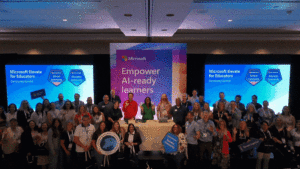



Microsoft has unveiled a comprehensive suite of artificial intelligence tools specifically engineered for the academic sector, signaling a strategic shift toward specialized AI "agents" designed to assist both educators in curriculum management and students in active learning. This announcement, which includes the introduction of the "Teach" platform for faculty and the "Study and Learn" agent for students, comes as the technology giant seeks to formalize its presence in the classroom with a dedicated academic pricing model for Microsoft 365 Copilot. By integrating generative AI directly into Learning Management Systems (LMS) and existing productivity software, the company aims to move beyond general-purpose chatbots toward a more nuanced, pedagogy-driven ecosystem.
The initiative is grounded in the findings of the 2025 AI in Education Report, which indicates that over 80% of stakeholders in the educational sector have already experimented with AI tools for school-related tasks. Despite this high adoption rate, Microsoft’s internal research suggests a significant gap remains between general AI utility and the specific, high-stakes requirements of classroom instruction and institutional administration. The new offerings are intended to bridge this gap by providing tools that do not merely generate content but facilitate the complex balancing act performed by educators and students alike.
The Evolution of AI in the Classroom: Introducing Teach and Study and Learn
At the center of this rollout is "Teach," a dedicated experience within the Microsoft 365 Copilot app designed to alleviate the administrative burden on educators. Teach allows faculty to centralize the creation of lesson plans, quizzes, and rubrics. Unlike standard generative AI, Teach includes intuitive customization features that allow educators to modify the language, reading level, and difficulty of materials to align with specific academic standards. This tool is currently being deployed to education customers at no additional cost, with a focus on streamlining the "frontline" innovations that teachers are often forced to manage alongside their primary instructional duties.
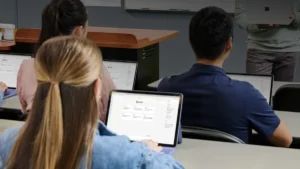
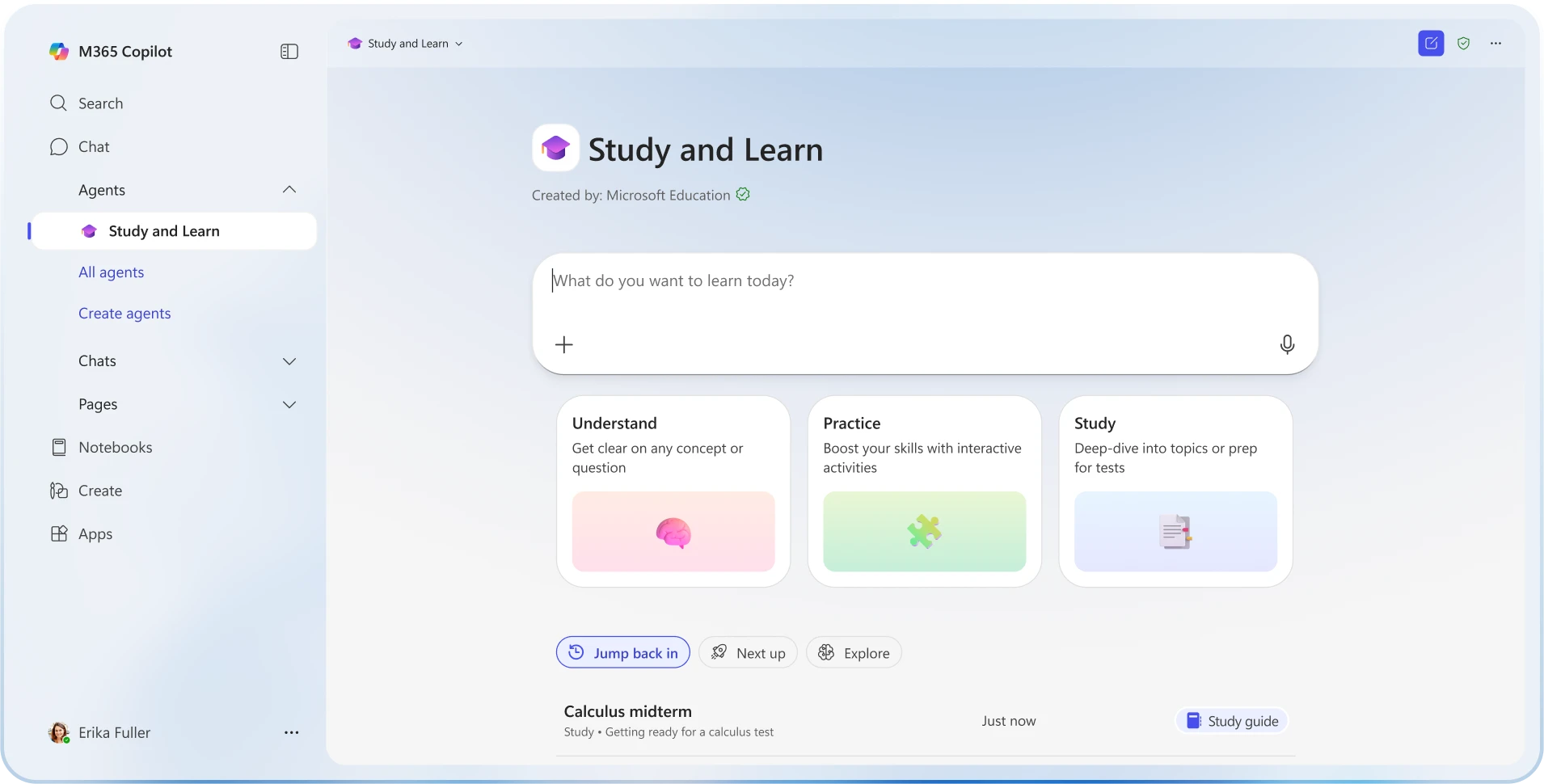
Complementing the educator-focused tools is the "Study and Learn" agent, an advanced AI assistant for students scheduled for a preview release in November 2025. This agent represents a departure from traditional AI "homework helpers" that have occasionally been criticized for encouraging academic dishonesty. Instead, Study and Learn is built on learning science principles to foster critical and reflective thinking. The agent provides adaptive experiences where students can engage in active practice through flashcards, matching exercises, and fill-in-the-blank quizzes. By shifting the focus from content generation to skill acquisition, Microsoft intends to position AI as a cognitive partner rather than a shortcut.
Academic Offering and Integration with Learning Management Systems
A major component of the announcement is the introduction of a specific academic offering for Microsoft 365 Copilot. Starting in December 2025, educational institutions will be able to access the full suite of Copilot features for $18 USD per user per month. This pricing tier is available for educators, staff, and students aged 13 and older, providing a structured pathway for schools to implement enterprise-grade AI. This package includes "Researcher" and "Analyst" capabilities, "Copilot Tuning" for institutional customization, and the "Copilot Control System," which provides IT administrators with the tools necessary to protect institutional data and ensure compliance with privacy regulations.

To ensure these tools are accessible within existing workflows, Microsoft is expanding its integration with major Learning Management Systems. By December 2025, Copilot will be accessible via the Microsoft 365 LTI (Learning Tools Interoperability) within platforms such as Canvas, Schoology, Brightspace, Blackboard, and Moodle. This integration is critical for adoption, as it allows students and faculty to utilize AI capabilities without leaving the digital environments where their primary coursework resides. Furthermore, Copilot Chat—powered by the latest GPT models—is now being integrated directly into Outlook and PowerPoint, providing secure AI assistance with enterprise data protection.
Institutional Impact: Data and Case Studies from the Field
The deployment of these AI tools is already yielding measurable results across various institutions. At Brisbane Catholic Education, Chief Information Officer Leigh Williams reported that educators and staff participating in AI pilots saved an average of over nine hours per week on administrative and planning tasks. Williams noted that this time recovery allows faculty to focus more on student wellbeing and personalized instruction, tasks that are often sidelined by the demands of curriculum documentation and reporting.
Similarly, the University of South Carolina (USC) has seen high levels of satisfaction among its user base. According to internal metrics, 84% of users at the university reported saving between one and five hours per week using Microsoft 365 Copilot. Professors at USC highlighted not only the time savings but an improvement in the quality of academic output, which enabled them to dedicate more resources to high-value research and student mentoring. In the administrative sphere, the university utilized AI for faster data synthesis, which streamlined decision-making processes and reduced the time required for meeting preparation.
In the K-12 sector, Fulton County Schools and Broward County Public Schools have begun utilizing Copilot and specialized agents to increase student agency. Broward County, for instance, is developing an interactive quiz engine to enhance student engagement and a resume analyzer to support career readiness initiatives. These applications demonstrate a shift toward using AI as a vocational tool, preparing students for a workforce where AI literacy is increasingly becoming a prerequisite.
The Rise of Custom Agents in Higher Education
The University of South Florida (USF) has emerged as a leader in the development of custom AI agents for campus-wide operations. The university’s IT team has built specialized agents to handle complex tasks such as travel policy inquiries, IT help desk support, and commencement event planning. Furthermore, USF’s College of Medicine is partnering with IT to develop an advanced accreditation system and interactive student handbooks.
Perhaps most notably, USF has empowered "Student Ambassadors" to build agents for various departments. These student-led projects have resulted in decreased manual reporting times and expedited inventory analysis. The university is also piloting autonomous agents to drive IT process automation, suggesting that the future of campus administration may rely heavily on a "human-in-the-loop" model where AI handles the bulk of routine data processing and logistics.
Chronology of Microsoft’s AI Education Roadmap
The current rollout is the result of a multi-year development cycle aimed at integrating generative AI into the fabric of the Microsoft 365 ecosystem.
- Early 2024: Initial pilots of Copilot in higher education institutions began, focusing on administrative efficiency and research support.
- May 2024: Microsoft began highlighting specific success stories from early adopters like Babson College and Brisbane Catholic Education.
- October 2024: Official announcement of "Teach" and "Study and Learn," alongside the commitment to a December 2025 launch for the academic pricing model.
- December 2024: Expected preview of LMS integrations for major platforms through the Microsoft 365 LTI.
- November 2025: Scheduled preview of the "Study and Learn" advanced student agent.
- December 2025: General availability of the $18/month academic offering for Microsoft 365 Copilot.
Analysis of Implications: Equity, Privacy, and the Future of Learning
Microsoft’s aggressive expansion into the educational AI market carries significant implications for the future of the sector. By offering many of these tools at "no additional cost" for existing education customers, Microsoft is attempting to lower the barrier to entry for AI adoption. However, the $18 per user per month price point for the full Copilot suite still represents a substantial investment for resource-strapped public school districts and smaller colleges.
From a pedagogical perspective, the focus on "learning science" in the Study and Learn agent addresses a major concern among academics: the potential for AI to atrophy critical thinking skills. By designing tools that act as tutors rather than ghostwriters, Microsoft is attempting to align its commercial interests with the core mission of educational institutions.
Data privacy remains a paramount concern. Microsoft has countered these anxieties by emphasizing "enterprise data protection" and the "Copilot Control System." Unlike consumer-grade AI models that may use input data for training, the academic offering is designed to keep institutional knowledge within the school’s secure environment. This distinction is vital for maintaining the integrity of research and protecting student privacy under laws such as FERPA (Family Educational Rights and Privacy Act) in the United States.
As the educational landscape continues to evolve, the integration of specialized agents suggests that the next phase of the digital transformation in schools will not just be about "using" AI, but about building custom AI ecosystems. Institutions that successfully leverage these tools to reduce administrative friction may find themselves with a significant advantage in faculty retention and student outcomes, provided they can navigate the ethical and financial challenges inherent in such a profound technological shift.