


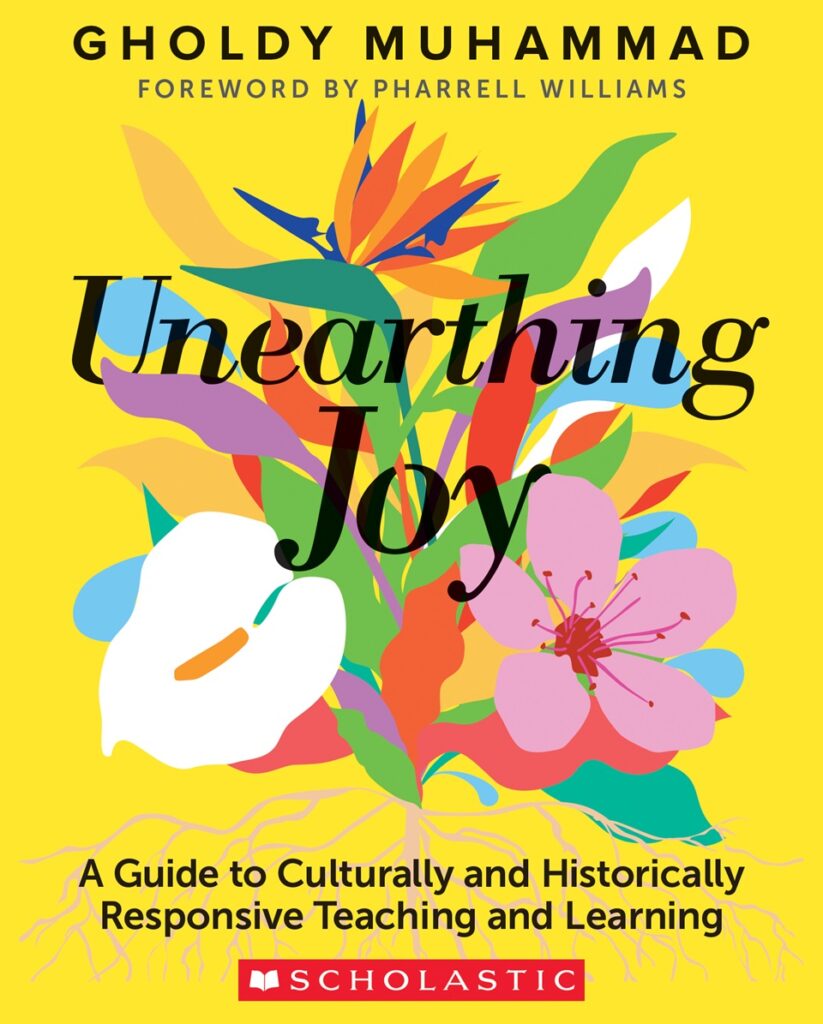
In an educational landscape increasingly marked by adversity and constraint, leading scholar Dr. Gholdy Muhammad is championing "joy" not as a mere supplement but as a fundamental, fifth pursuit essential for humanizing and complete education. Her recent insights, particularly in an interview published in August 2025, underscore the critical necessity of fostering joy in classrooms as both a pedagogical strategy and a vital act of resistance against prevailing systemic pressures. This call to action, articulated in her 2023 book Unearthing Joy and expanding upon her acclaimed Culturally and Historically Responsive Literacy (CHRL) framework, offers a powerful counter-narrative to the exhaustion and demoralization felt by many educators and students in post-pandemic learning environments.
The Evolving Landscape of Education: A Context of Crisis
The current era presents unprecedented challenges for the education sector. Teachers across the globe report escalating levels of stress, burnout, and a sense of helplessness. Data from various educational organizations consistently highlight alarming rates of teacher attrition and a significant decline in morale. For instance, a 2024 report by the National Education Association indicated that over 55% of educators are considering leaving the profession earlier than planned, citing stress, insufficient pay, and lack of support as primary factors. This sentiment is amplified by the lingering effects of the COVID-19 pandemic, which not only disrupted traditional learning models but also exacerbated existing inequalities and mental health crises among students and staff.
Beyond the operational strains, educators navigate a complex and often hostile policy environment. In many regions, new legislation seeks to restrict curriculum content, particularly concerning discussions around race, gender, and social justice. These policies, often framed as efforts to depoliticize education, are perceived by many as direct assaults on equity initiatives and the academic freedom of teachers. The result is a chilling effect on inclusive teaching practices, forcing educators to self-censor and creating environments where the rights and identities of marginalized students and their families feel increasingly threatened. Simultaneously, communities grapple with rising anxieties stemming from violence, economic instability, and social divisions, all of which permeate school walls and impact the psychological well-being of students and staff alike. These layers of pressure make the act of teaching, already a demanding profession, feel unsustainable for many.
Dr. Muhammad’s Foundational Framework: Culturally and Historically Responsive Literacy
Dr. Gholdy Muhammad, an Associate Professor of Literacy, Language, and Culture at the University of Illinois Chicago, first introduced her transformative Culturally and Historically Responsive Literacy (CHRL) framework in her seminal 2020 book, Cultivating Genius: An Equity Framework for Culturally and Historically Responsive Literacy. This framework emerged from a deep study of 19th-century Black literary societies and their holistic approach to education, aiming to create learning experiences that are "humanizing and complete."
The original CHRL framework proposed four interconnected pursuits designed to guide educators in developing comprehensive literacy instruction:

- Identity: Fostering a strong sense of self, understanding one’s heritage, and recognizing one’s place in the world. This pursuit emphasizes self-love, self-worth, and cultural pride.
- Skills: Developing proficiency in traditional academic skills, including reading, writing, speaking, and critical thinking, in alignment with grade-level standards.
- Intellect: Cultivating knowledge, curiosity, and the ability to comprehend complex ideas, encouraging deep understanding and intellectual growth across disciplines.
- Criticality: Empowering students to analyze power dynamics, challenge injustices, and understand systems of oppression. This pursuit equips learners to read the world critically and advocate for social change.
Cultivating Genius quickly became a cornerstone text for educators committed to equity and culturally responsive teaching, offering a robust model for designing curriculum that addresses the whole child and prepares them to be engaged, critical citizens.
The Genesis of Joy: A Fifth, Essential Pursuit
While Cultivating Genius touched upon elements of emotional well-being, the profound global shifts of the early 2020s necessitated a more explicit integration of joy into the framework. Dr. Muhammad explains that the addition of joy as the fifth pursuit was a direct response to the unprecedented challenges posed by the COVID-19 pandemic, coupled with heightened awareness of racial injustices following widespread protests. "Given the loss, the illness, the change, the shift, the confusion, and so much more in our country and the world," she reflected, "I thought to myself, wow, we need joy more than ever."
Initially, Muhammad had assumed that joy, like love, was an innate element teachers naturally brought into their classrooms. However, the intensity of collective trauma and stress revealed that intentionality was paramount. Joy, she realized, was not automatically present for everyone, nor could it be taken for granted. Drawing on the wisdom of Black ancestors, Muhammad’s definition of joy extends far beyond fleeting happiness or celebration. She describes it as "that embodied feeling that you have once justice is achieved. Joy is a sense of belonging, of safety. It’s a feeling of peace and safety. Joy is wonder, imagination, and laughter, and creativity, and art, and music." This expansive understanding positions joy as an outcome of holistic well-being and a precursor to deep, meaningful learning.
The integration of joy is seen not as a soft, optional addition but as equally vital as academic standards. Muhammad emphasizes that "when we unearth joy, we are bringing rich experiences into the classrooms that children remember, that they feel loved by, that they feel invigorated by… The goal is learning. The goal is not just fun or sensations. The goal is coming away elevated, higher, ascending. And that’s what joy offers, that ascension." This perspective aligns with growing research in neuroscience and educational psychology, which demonstrates a strong correlation between positive emotional states, intrinsic motivation, and enhanced cognitive function. When students experience joy, they are more engaged, more resilient, and more receptive to learning, leading to deeper understanding and retention.
Joy as a Survival Strategy: Insights from the Interview
The interview with Dr. Muhammad, initially delayed, proved serendipitous in its timing, arriving in 2025 when the need for hope and resilience in education seemed even more urgent. In the discussion, Muhammad articulated joy and community building as essential "survival strategies" rather than mere "extras." This perspective resonates deeply with the experiences of marginalized communities throughout history, where collective joy, cultural expression, and mutual support have often served as powerful forms of resistance and sustenance in the face of systemic oppression.
Actionable Strategies for Cultivating Joy in the Classroom
Dr. Muhammad provided several concrete, actionable strategies for educators to intentionally integrate joy into their daily teaching practices:
-
Self-Reflection for Educators: Before addressing the needs of students, teachers are encouraged to engage in personal introspection regarding their own relationship with each of the five pursuits: identity, skills, intellect, criticality, and joy. This self-awareness helps educators understand their own biases, strengths, and areas for growth, enabling them to create more authentic and resonant learning environments. It recognizes that an educator’s well-being and sense of purpose are foundational to their ability to foster these qualities in students.
-
Seeing Oneself as an Artist: This paradigm shift invites teachers to view curriculum not as rigid, pre-packaged materials but as a dynamic medium for storytelling and legacy-building. By adopting an artist’s mindset, educators can infuse creativity, passion, and personal relevance into their lessons, transforming teaching into an act of creation. This approach encourages innovation and allows teachers to leave a lasting impact, much like artists who create timeless works.
-
Layering Texts: Recognizing that a single textbook rarely addresses all five pursuits comprehensively, Muhammad advocates for incorporating diverse, multi-modal texts. This includes short stories, videos, songs, memes, and even physical objects as "texts" that students can analyze and interpret. For example, in a unit on architecture, bringing in actual tools used by architects transforms abstract concepts into tangible, engaging experiences. This strategy broadens the scope of learning, makes content more accessible and culturally relevant, and sparks curiosity by presenting information through varied lenses.
-
Student Spark: The initial 5-10 minutes of any lesson are crucial for igniting enthusiasm and intellectual curiosity. Muhammad suggests starting lessons with activities that "ignite the flame for learning" and gauge not just joyful interest but also intellectual purpose. This could involve intriguing questions, surprising facts, hands-on activities, or personal connections that immediately capture students’ attention and demonstrate the relevance of the upcoming learning. A strong "spark" ensures students see the purpose behind their learning, fostering intrinsic motivation.
-
Intentional Classroom Decor: Beyond mere aesthetics, classroom decor should be a purposeful extension of the learning environment, reflecting the five pursuits. This means consciously selecting visuals, colors, and artifacts that elicit discussions around skills, intellect, criticality, justice, and joy. For instance, displaying images of diverse historical and contemporary figures, showcasing student work that celebrates identity and creativity, or incorporating elements that promote peace and safety can transform a classroom into a vibrant, affirming space. The materials used should also be "joy-giving," creating an environment that feels welcoming, organized, and inspiring.
-
Rich, Collaborative Learning Experiences: Muhammad urges educators to move away from rote learning, worksheets, and passive instruction. Instead, she advocates for designing "enriched, memorable learning experiences that are very collaborative in nature." These experiences allow students to actively apply their "genius and their joy" to explore topics, solve problems, and create together. Collaborative projects, debates, creative performances, and community-based learning initiatives not only deepen understanding but also build essential social skills and foster a sense of belonging.
Broader Implications and Scholarly Context

Dr. Muhammad’s framework aligns with and significantly contributes to broader educational discourse around holistic development, social-emotional learning (SEL), and culturally responsive pedagogy. Educational psychologists and neuroscientists have long underscored the profound impact of emotional states on learning and memory. Positive emotions, including joy, reduce stress, enhance attention, improve problem-solving abilities, and foster creativity. Conversely, chronic stress and negative emotions can hinder cognitive function and lead to disengagement.
The emphasis on joy also complements the growing recognition of SEL as a critical component of education. Organizations like the Collaborative for Academic, Social, and Emotional Learning (CASEL) advocate for integrating social and emotional competencies into all aspects of schooling, recognizing that these skills are foundational for academic success and life-long well-being. Muhammad’s work extends SEL by specifically framing joy not just as an individual emotional state but as a collective, culturally responsive pursuit intertwined with justice and identity.
Furthermore, her framework offers a robust response to the critiques of traditional, often Eurocentric, educational models that prioritize standardized test scores and narrow academic metrics over the holistic development of students. By explicitly valuing identity, criticality, and joy, Muhammad champions an education that prepares students not just for college or career, but for a meaningful, engaged, and just life. This philosophical shift is gaining traction as educational leaders increasingly acknowledge that a truly equitable and effective education must address the intellectual, social, emotional, and cultural needs of every learner.
Joy as an Act of Courage and Resistance
In closing her interview, Dr. Muhammad delivered a poignant message about the power of joy as an act of courage and resistance in unsettling times. "It’s the joy that’s going to keep us going, keep us waking up, keep us fighting," she asserted. "Joy is what lets us stay present, care for ourselves, and give our best to students, even when fear is trying to take over."
She encouraged educators to draw strength from history, reminding them that current challenges—such as book bans, curriculum restrictions, and policies perceived as inhumane—are not new phenomena. "We have to remember when we were in this state before… This is not anything new. Banning books, changing policy for a certain agenda that feels very inhumane or hurtful and harmful. This is not new, and our reactions, our responses must not be new either." This historical perspective provides a vital sense of resilience, urging educators to continue acting with kindness, love, and humanity. By doing so, they not only sustain themselves but also create beacons of hope that might inspire others. For those who remain resistant to such approaches, Muhammad advises establishing boundaries to protect one’s own health and well-being, emphasizing the importance of self-care as a component of sustained resistance.
Looking Ahead: The Genius & Joy Curriculum
To translate these powerful theoretical frameworks into tangible classroom practice, Dr. Muhammad’s newest project is the "Genius & Joy" curriculum, a K-5 offering developed with a collaborative group she calls the "Genius Garden." Set for release in Fall 2026, this comprehensive curriculum promises six two-week units per grade level, meticulously aligned with ELA standards and featuring connections to other subjects.
Key components of the "Genius & Joy" curriculum will include:
- Multicultural Anchor Texts: Rich, diverse literature that reflects a variety of cultures and experiences, ensuring all students see themselves and others represented.
- Student Journals: Tools specifically designed to prompt reflection and engagement with the five pursuits: identity, skills, intellect, criticality, and joy.
- Parent Letters: Resources to involve families in the learning process and foster home-school connections.
- Guidance for Localization: Support for teachers to adapt units to their specific community contexts, making learning even more relevant and meaningful.
The curriculum’s themes — identity, community & cultural diversity, environmental design, creativity and art, activism, and building the future — are designed to holistically engage students and empower them to become agents of positive change, all while experiencing the transformative power of joy in their learning journey.
Conclusion
Dr. Gholdy Muhammad’s unwavering advocacy for joy as an indispensable pursuit in education arrives at a pivotal moment. In an era marked by profound societal and educational upheaval, her framework provides not only a roadmap for more equitable and effective teaching but also a profound source of inspiration for educators struggling to navigate complex challenges. By deliberately cultivating joy, alongside identity, skills, intellect, and criticality, educators can foster environments where students not only achieve academic excellence but also develop resilience, a sense of belonging, and the courage to envision and create a more just and joyful world. Joy, in Muhammad’s vision, is not a luxury; it is the very essence of humanizing education and a powerful, enduring act of resistance.







