


In the rapidly evolving landscape of digital learning, the promise of universal access is often tempered by the reality of vastly different user experiences. As organizations increasingly rely on learning management systems (LMS) to upskill their workforce and disseminate knowledge, a critical question emerges: how can these platforms truly serve every individual, regardless of their technological background, access, or learning style? This article delves into the nuances of designing inclusive learning environments, drawing insights from experts like Jess Bryant, Moodle’s Learning Design Team Manager, and exploring frameworks such as Universal Design for Learning (UDL) to illuminate pathways toward more effective and equitable educational experiences in the workplace.
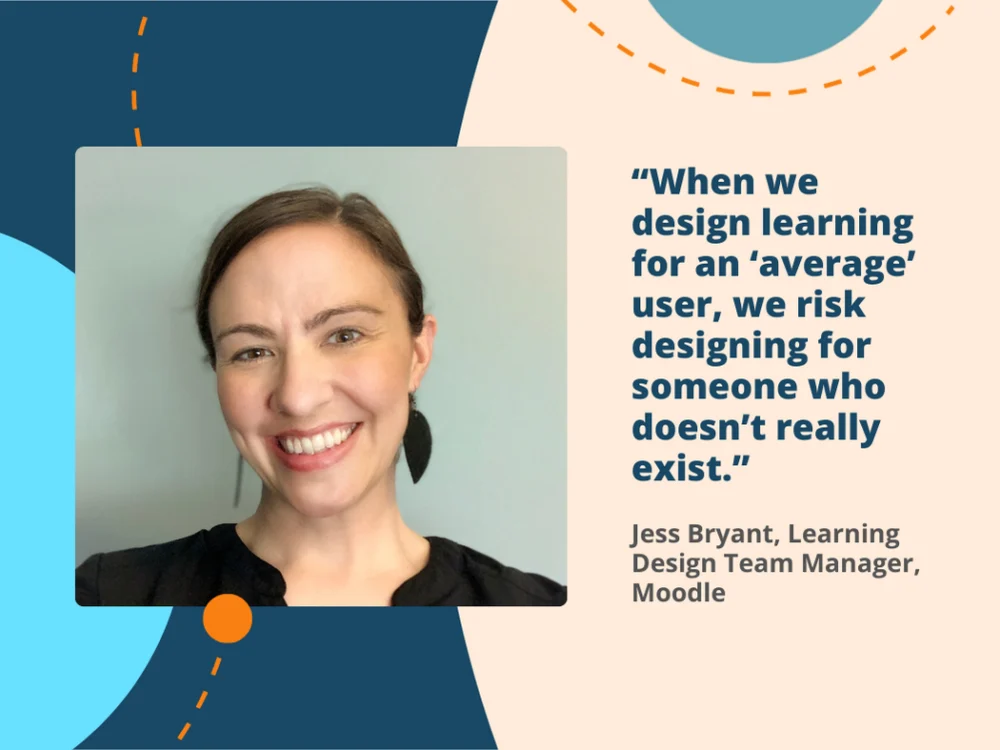
The challenge of creating a truly inclusive digital learning environment is significant, particularly when undertaking large-scale projects like launching a new platform or overhauling an existing LMS. These initiatives demand careful consideration of diverse user expectations, ambitious engagement targets, stringent deadlines, and a multitude of stakeholder inquiries. As Bryant aptly notes, "When we design learning for an ‘average’ user, we risk designing for someone who doesn’t really exist." This assertion underscores a fundamental flaw in many traditional approaches to digital education: the assumption of a homogeneous learner, equipped with uniform digital literacy, consistent access, and a singular learning pathway.
The Illusion of Equal Access in Digital Learning
At face value, online learning platforms appear to offer an equitable starting point for all registered users. The ability to log in, access courses, and engage with content from virtually any location suggests a level playing field. However, this surface-level availability belies a more complex reality. For learners already proficient with virtual learning systems, navigating these environments can be seamless, leading to rapid progress. Conversely, individuals facing barriers such as limited technological access, unfamiliarity with online learning paradigms, or a lack of robust social support often find themselves at a disadvantage, struggling to keep pace with their more digitally native peers.
This disparity can be largely attributed to what researchers term "digital capital." This multifaceted concept encompasses not only the tangible resources of technology access but also the intangible assets of prior experience with online learning and the availability of social support systems that can aid in navigating digital educational spaces. Learners with lower levels of digital capital, whether due to socioeconomic factors, geographic location, or a lack of institutional training, tend to exhibit lower engagement rates and progress at a slower pace compared to those with higher digital capital.
The impact of this digital divide is not merely academic. In the corporate world, it can translate into significant disparities in skill acquisition, professional development, and ultimately, career progression. Organizations that fail to address these inherent inequalities risk creating a two-tiered learning system, where a portion of their workforce is inadvertently excluded from critical knowledge and development opportunities. This can lead to decreased employee morale, reduced productivity, and a widening skills gap within the organization.
The Moodle perspective, articulated by Jess Bryant, highlights the critical role of design in bridging this divide. "We spend a lot of time perfecting content," Bryant observes, "but content isn’t the only thing that shapes someone’s experience. To encourage learner engagement, we need to build an environment that supports learners with varying levels of digital confidence and connectivity." This perspective shifts the focus from the content itself to the architecture of the learning experience, emphasizing that the way information is presented and accessed is as crucial as the information itself.
A Timeline of Evolving Learning Design Principles
The evolution of learning design has been a gradual process, moving from a focus on rote memorization and instructor-centric delivery to more learner-centered and interactive models.
- Early Digital Learning (1990s – early 2000s): Characterized by static content, basic online modules, and a focus on accessibility of information rather than engagement.
- Web 2.0 and Social Learning (mid-2000s – early 2010s): Introduction of collaborative tools, forums, and user-generated content, fostering more interaction but still often lacking structured support for diverse needs.
- Personalized and Adaptive Learning (2010s – present): Leveraging data analytics and AI to tailor learning paths, but sometimes struggling with the foundational principles of universal access and inclusive design.
- Human-Centered and Inclusive Design (current focus): Emphasizing empathy, understanding diverse user needs, and applying frameworks like UDL to create inherently accessible and engaging experiences for all.
This historical trajectory demonstrates a growing awareness that effective digital learning requires more than just a repository of information; it necessitates a thoughtful, human-centered approach that anticipates and accommodates the diverse needs of its users.
Universal Design for Learning: A Framework for the Workplace
A powerful framework that offers a robust solution to these challenges is Universal Design for Learning (UDL). Originally developed for educational settings, UDL’s principles are highly adaptable and profoundly relevant to workplace learning environments. UDL, as championed by CAST (Center for Applied Special Technology), advocates for creating learning experiences that are flexible and accessible from the outset, rather than attempting to retrofit them for learners who may be struggling.
The core of UDL lies in providing multiple means of engagement, multiple means of representation, and multiple means of action and expression. This means designing courses that offer:
- Multiple Means of Engagement: Providing options for how learners can connect with the material and stay motivated. This could involve offering choices in learning activities, fostering collaboration, or linking learning to real-world applications and personal interests. For instance, instead of a mandatory webinar, offering recorded sessions with interactive transcripts, discussion forums, and optional Q&A sessions caters to different schedules and engagement preferences.
- Multiple Means of Representation: Presenting information in a variety of formats to accommodate different learning preferences and cognitive styles. This might include text-based materials, audio recordings, videos with captions, infographics, and interactive simulations. A learner who struggles with dense text might thrive with a well-produced video explanation accompanied by a concise written summary and an opportunity to practice through an interactive quiz.
- Multiple Means of Action and Expression: Allowing learners to demonstrate their understanding in diverse ways. This moves beyond traditional tests and essays to include presentations, projects, role-playing exercises, portfolios, and even verbal discussions. For example, an employee might demonstrate mastery of a new software by completing a practical task within the system, creating a short tutorial video for colleagues, or participating in a facilitated problem-solving session.
Jess Bryant emphasizes the proactive nature of UDL: "By keeping UDL in mind, we can design for variability from the beginning. Rather than adapting a course later for learners who are struggling, we create learning experiences that work for a wider range of people from day one." This proactive approach not only benefits learners with identified needs but also enhances the experience for all, as flexibility and choice are generally appreciated by everyone.
The "Myth of the Universal Learner" Debunked: Data and Analysis
The notion of a "universal learner" is a persistent, yet flawed, assumption in many educational and corporate training contexts. Research consistently demonstrates significant variation in how individuals approach and engage with learning materials.
- Digital Literacy Statistics: While global internet penetration continues to rise, significant disparities remain. According to a 2023 Statista report, while over 5 billion people use the internet, access and proficiency vary dramatically by region and socioeconomic status. In some developing nations, digital literacy rates can be as low as 30%, impacting an employee’s ability to engage with even basic online training modules.
- Learning Style Preferences: While the concept of rigid "learning styles" has been debated, the principle of offering diverse modalities to cater to different preferences and cognitive strengths is well-established. A 2018 study published in Frontiers in Psychology suggested that while individuals may not fit neatly into discrete learning style categories, presenting information through multiple sensory channels can enhance comprehension and retention for a broader audience.
- Connectivity and Device Access: The proliferation of mobile devices has democratized access to some extent, but reliable, high-speed internet remains a luxury in many areas. A significant portion of the global workforce may rely on mobile data or shared devices for their learning, necessitating content that is optimized for lower bandwidth and smaller screens. Moodle’s responsive design principles, for instance, are crucial in ensuring content is accessible across a wide range of devices, from powerful desktops to entry-level smartphones.
The implications of ignoring these variations are substantial. Organizations that fail to design for diverse needs risk alienating a significant portion of their workforce, leading to:
- Reduced ROI on Training Investments: If a substantial number of employees cannot effectively access or engage with training, the organization’s investment in those programs yields diminished returns.
- Stagnation in Skill Development: When learning is not inclusive, certain groups of employees may be left behind in acquiring new skills, hindering individual career growth and organizational innovation.
- Increased Support Burden: Conversely, a poorly designed, inaccessible platform can lead to an overwhelming number of support requests from frustrated users, diverting valuable IT and HR resources.
Actionable Strategies for Inclusive Learning Design
Transforming a learning environment to be more inclusive does not always necessitate a complete overhaul. As Jess Bryant suggests, "Simple changes in the way we design courses can make a surprisingly large impact on learner engagement." Small, intentional design choices can yield significant improvements.
1. Streamline Navigation and Structure:
- Predictable Layouts: Implement consistent navigation menus and page structures across the entire learning platform. This reduces cognitive load, allowing learners to focus on the content rather than figuring out how to move around.
- Clear Course Organization: Break down complex courses into smaller, manageable modules with clear learning objectives for each. Use headings, subheadings, and bullet points to make information scannable and digestible.
- Intuitive Naming Conventions: Employ straightforward and descriptive names for courses, activities, and resources. Avoid jargon or ambiguous terminology.
2. Enhance Content Accessibility and Flexibility:
- Multi-Format Materials: Offer core content in at least two formats (e.g., text and video, audio and written summaries). Ensure all multimedia content has accurate captions and transcripts.
- Downloadable Resources: Provide options for learners to download materials for offline access, catering to those with intermittent connectivity.
- Device Optimization: Design content and activities to be fully responsive and functional across a range of devices, from desktops to tablets and smartphones.
3. Provide Clear Instructions and Support:
- Explicit Guidance: Offer straightforward instructions for all activities, assignments, and assessments. Avoid assuming prior knowledge of specific digital tools or processes.
- Onboarding and Orientation: Provide clear onboarding materials for new users of the learning platform, explaining its features and how to navigate it effectively.
- Accessible Support Channels: Ensure learners know where and how to seek help, whether through FAQs, dedicated support forums, or direct contact with instructors or administrators.
4. Foster Learner Agency and Choice:
- Varied Assessment Options: Offer learners multiple ways to demonstrate their understanding, such as quizzes, projects, reflective journals, or peer reviews.
- Flexible Pacing: Where possible, allow learners to progress through content at their own pace, accommodating different learning speeds and schedules.
- Choice in Learning Path: For certain topics, consider offering elective modules or pathways that allow learners to delve deeper into areas of particular interest or relevance to their roles.
The "Bridging the Hidden Learning Gap" Initiative
Recognizing the critical need for practical guidance in this area, Moodle, in collaboration with a consortium of experts, has developed a comprehensive resource titled "Bridging the hidden learning gap." This guide offers expert insights, actionable strategies, and realistic ideas for learning designers, course developers, and organizational leaders aiming to create more inclusive and human-centered learning environments. The initiative underscores a growing organizational commitment to not only provide training but to ensure that training is effective, equitable, and valued by all employees.
The guide’s premise is simple yet profound: when learning is designed with the variability of real people in mind, it transcends mere accessibility to become a significant driver of organizational value. By focusing on thoughtful learning design, robust accessibility measures, and human-centered approaches, organizations can cultivate learning environments that employees not only use but actively want to engage with.
Conclusion: Towards a More Equitable Future of Learning
The launch or transformation of a learning platform presents a pivotal opportunity to re-evaluate an organization’s commitment to its people. By moving beyond the illusion of the universal learner and embracing principles of inclusive design, organizations can move from simply delivering content to fostering genuine growth and development for every individual. The work of Moodle and experts like Jess Bryant highlights that this is not an insurmountable challenge, but rather an achievable goal through intentional, empathetic, and strategically implemented design choices.
As the digital learning landscape continues to evolve, the organizations that will thrive are those that prioritize inclusivity, recognizing that a learning environment that works for everyone, ultimately, works better for the entire organization. Downloading resources like "Bridging the hidden learning gap" is a crucial step for any organization serious about strengthening its learning ecosystem and ensuring that every learner has the opportunity to succeed, contribute, and flourish. The future of workplace learning is inclusive, and the time to build it is now.