



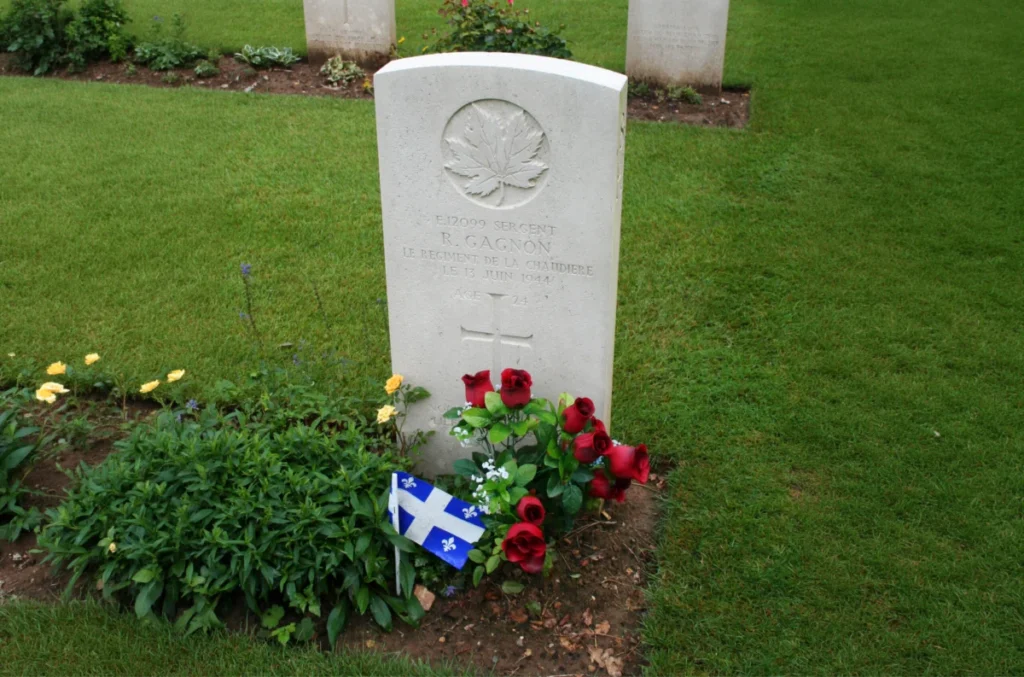
The outbreak of the Second World War in September 1939 created a starkly different landscape of student engagement and sentiment across Quebec’s chartered universities, a divergence deeply rooted in linguistic, cultural, and political identities. Research spearheaded by Jeremy John Walling, undertaken for his PhD dissertation under the guidance of Université de Montréal (UdeM) history Professor Carl Bouchard, meticulously examined student newspapers from McGill, Bishop’s, Université de Montréal, and Université Laval. His findings reveal a significant schism: anglophone students at McGill and Bishop’s were largely galvanized by their attachment to the British Empire, while their francophone counterparts at UdeM and Laval exhibited a more pronounced anti-war stance, bolstered by a burgeoning Quebec nationalism.
This divergence was not merely a matter of passive observation; it translated into distinct on-campus experiences and institutional responses to the war effort. Walling’s doctoral research, defended in February, illuminates how these differing attitudes shaped recruitment, academic priorities, and even the long-term commemoration of the conflict.
Initial Mobilization and the Imperial Bond
Upon the declaration of war, a wave of patriotic fervor swept through the anglophone universities of Montreal and Lennoxville. Students at McGill and Bishop’s, deeply connected to the British Empire and its wartime cause, felt a compelling sense of duty. “At McGill and Bishop’s, young men of military age saw their friends being sent to the front and feared that society would see them as cowards if they didn’t rally too,” Dr. Walling explained. This sentiment was amplified by a societal expectation that young men of military age should contribute to the war effort.
Simultaneously, government policies aimed at maintaining university enrollments played a crucial role. To prevent a severe depletion of the student population, the government offered exemptions from conscription, encouraging students to continue their studies. This policy, however, did not deter those who felt a call to service. Instead, many viewed their university years as a period for preparing for leadership roles within the military.
On-Campus Officer Training Programs
Recognizing this inclination, universities facilitated on-campus military training. The Canadian Officers’ Training Corps (COTC) became a significant avenue for student participation. “The attitude at the time was that universities were training the leaders of tomorrow,” stated Professor Bouchard. “Students also saw themselves that way. They trained to command troops, not to become cannon fodder.”
The response at McGill was dramatic. The number of COTC recruits surged from a mere 125 to an impressive 1,323 by the end of October 1939, representing approximately 60 percent of the male student body. Bishop’s University experienced a similarly immediate and enthusiastic uptake. In stark contrast, Walling’s research indicated that COTC membership at UdeM and Laval grew “very little by comparison,” underscoring the nascent divergence in student priorities and allegiances.
The Erosion of Pan-Canadian Student Unity
The early years of the war also witnessed the unraveling of national student organizations that had sought to foster inter-university dialogue and cooperation. Since the 1920s, student groups had been working to build a coordinated presence across Canada. The Canadian Student Assembly (CSA) and the National Federation of Canadian University Students (NFCUS), previously in competition, had agreed to a merger in December 1939.
However, pre-war alignments quickly fractured under wartime pressures. In 1938, both groups had expressed opposition to the looming conflict. Post-declaration, the more conservative NFCUS shifted its stance to pledge support for the war effort. The liberal CSA, however, maintained its pacifist or anti-war position.
This ideological divide proved irreconcilable. “Once NFCUS realized the CSA hadn’t budged, it accused the CSA of cowardice and claimed it was a disgrace to the Empire,” Dr. Walling recounted. The acrimonious exchanges and internal disagreements ultimately led to the collapse of both federations in 1940, a casualty of the deep divisions exacerbated by the war. This disintegration of a unified national student voice further highlighted the regional and linguistic cleavages within Canadian academia.
The Fall of France and a Shift in Francophone Sentiment
A pivotal moment that significantly altered the mood among French Canadian students was the fall of France to Nazi Germany in June 1940. This event sent profound shockwaves through francophone universities, deeply impacting their perception of the war and their allegiances. “France’s defeat sent a shockwave through francophone universities,” Professor Bouchard elaborated. “France was a beacon of civilization for francophones, who felt little attachment to the British Empire.” The defeat of the motherland, a symbol of cultural and intellectual heritage for many French Canadians, fostered a sense of vulnerability and introspection.
The subsequent installation of Marshal Philippe Pétain, a celebrated hero of World War I, as the head of France’s collaborationist Vichy regime, further complicated the narrative. Pétain’s rhetoric, echoing the views of the Catholic Church, posited that France’s defeat stemmed from a loss of traditional values and called for a national cultural revolution. “This rhetoric resonated deeply with French Canadians,” Professor Bouchard observed, particularly within the deeply conservative and Catholic environments of UdeM and Laval at the time, institutions often led by clergy with a strong vision for societal traditionalism. This ideological alignment offered an alternative framework for understanding the war, one that was less about imperial duty and more about the preservation of cultural and religious identity.
Mandatory Military Training and Divergent Outcomes
Following France’s defeat, the Canadian government made military training mandatory in universities. The rationale was pragmatic: Canada required a substantial army, and thus a large cadre of officers. “University students were considered intelligent young people from good families. Training them into officers seemed like a quick and efficient solution,” Dr. Walling noted.
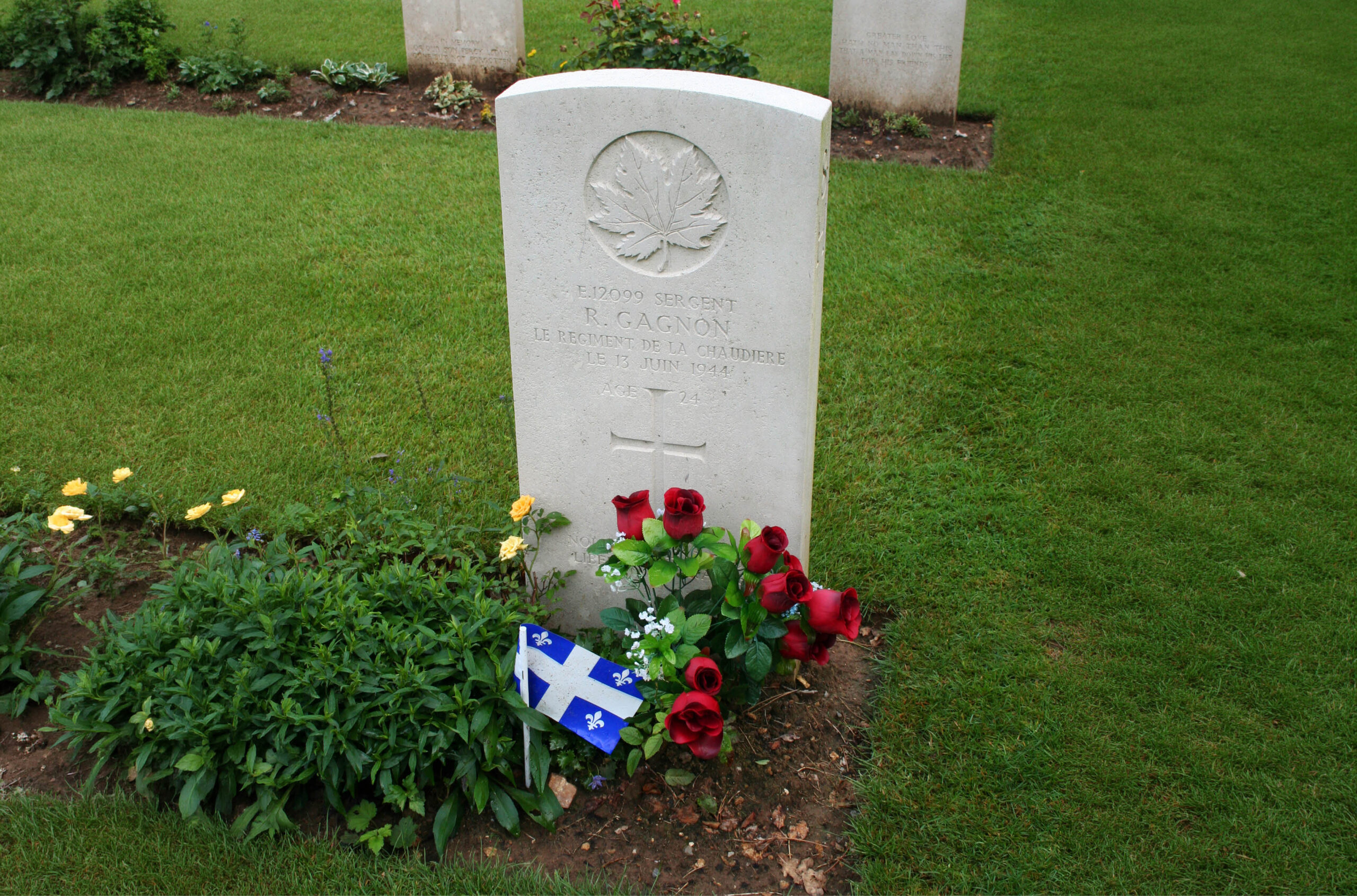
However, the implementation and reception of this mandate varied significantly. While many anglophone graduates readily entered military service, francophone graduates displayed a marked reluctance. “A lot of them were waiting to see if the government was going to conscript them,” Professor Bouchard commented, suggesting a strategic caution or perhaps a continued skepticism towards the war effort. This hesitancy reflected a broader reluctance among some French Canadians to be drawn into a conflict perceived as primarily an imperial undertaking.
The "Purge" of Humanities and Social Sciences
As the war intensified, accusations of students evading their responsibilities grew, prompting the government to scrutinize academic programs for their perceived essentiality to the war effort. The focus shifted towards a utilitarian view of higher education. “They decided that doctors and engineers were necessary for the war,” Dr. Walling stated, “but philosophers and historians were not.” This led to a de facto “purge” of humanities and social science departments, with the government considering drastic measures, including the potential closure of entire departments.
Universities resisted the outright closure of departments, but the government ultimately mandated the removal of underperforming students from humanities programs. The implementation of this policy was uneven. “Francophones didn’t generally support the government’s decision and therefore didn’t follow the letter of the law,” Dr. Walling observed. The Rector of UdeM publicly denounced the policy, sparking significant controversy. In contrast, McGill adhered strictly to the government’s directives. Consequently, anglophone universities experienced a greater loss of students to the war effort compared to francophone institutions, whose student populations, in some cases, continued to grow due to lower attrition rates in humanities programs and continued reluctance to enlist.
The Late Francophone Rally and Shifting Narratives
Francophone student engagement with the war effort did not entirely remain dormant; it manifested more prominently towards the latter stages of the conflict. “It was easier to be critical of the war in 1939 when there were no French Canadians on the front than it was in 1944, when there were tens of thousands,” Dr. Walling pointed out. As French Canadian participation increased, so too did a sense of shared responsibility and national pride in the military achievements.
Furthermore, the narrative surrounding the war began to evolve. The focus shifted from imperial defense to the liberation of France and the broader European continent, and the definitive defeat of the Nazi regime. “We also knew by then that we were going to win the war, which made it easier to support,” Dr. Walling added. This dawning certainty of victory, coupled with the ideological imperative to combat Nazism, provided a more compelling rationale for French Canadian involvement.
Commemorative Legacies: A Tale of Two Universities
The divergent experiences of students during the Second World War left a lasting imprint on how the conflict was remembered and commemorated on university campuses. Dr. Walling’s research highlighted a significant disparity in memorialization efforts. McGill University, from the outset, actively collected photographs and information about students who served, diligently building its archival records and initiating fundraising for war memorials.
Francophone institutions, conversely, undertook far less in the way of immediate commemoration. This difference in approach continues to be observable today. “Remembrance Day was observed in francophone universities for a few years after the war ended, but then it was abandoned,” Dr. Walling noted. At McGill and Bishop’s, however, Remembrance Day remains an important occasion, with Bishop’s, for instance, annually reading the names of every student lost in wartime. This disparity in commemorative practices reflects the differing levels of emotional and national investment in the war effort as experienced by their respective student bodies.
Echoes in the Present: A Hypothetical Conflict
The distinct cultural identities of Quebec’s anglophone and francophone universities persist. A crucial question arises: would a similar schism in sentiment and response occur if Canada were to enter an armed conflict today?
Professor Bouchard expressed reservations about a direct parallel. “Canada is a sovereign nation and no longer has the imperial tie that existed during the Second World War, so I’m not sure you’d see the same division,” he stated. He also pointed to the professionalization of academia, noting that “university professors are now mostly unionized, so they have an official voice in a way they didn’t then. I think there would be a strong critical response” to any government’s decision to engage in war, regardless of linguistic background.
The nature of modern warfare also presents a different context. “Military conflict is now much more technological and can be carried out with far fewer soldiers,” Dr. Bouchard observed. Dr. Walling added that universities are unlikely to resume their role as primary officer training grounds. “The Canadian Army now has a more stringent framework for officer training, because the formula of training part-time while taking university courses didn’t work,” he explained. “Officer training is intensive and long-term.”
However, the wartime era did leave a legacy of a more utilitarian view of higher education. “Back then, the impetus was to cut humanities departments,” Professor Bouchard recalled. “Today, governments are pressuring universities to develop closer ties to industry. In wartime, the question arises of dual-use research: civilian and military. Does university research have potential applications in military defense? What about offense?”
Ultimately, as Professor Bouchard concluded, Quebec universities, being public institutions, operate within a framework of societal obligation. “As beneficiaries of public funds, universities serve society and the state,” he affirmed. “If the state needs something from universities, universities have the obligation to provide it. And that’s also true when it comes to contributing to the war effort.” This principle, while enduring, would likely be navigated through a more complex and diverse landscape of public discourse and institutional response in the event of a future conflict.