



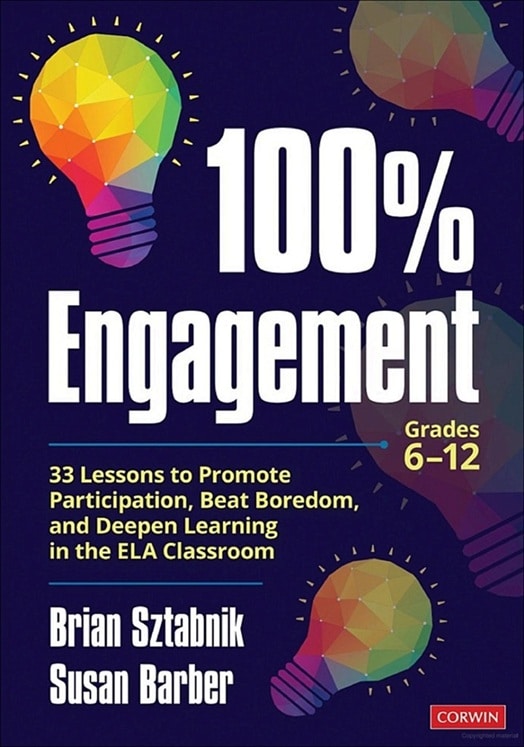
The persistent challenge of student disengagement in English Language Arts (ELA) classrooms is being actively addressed by two veteran educators, Brian Sztabnik and Susan Barber, whose innovative, low-tech strategies for enhancing textual interaction and learning have recently garnered significant attention. Their new book, "100% Engagement: 33 Lessons to Promote Participation, Beat Boredom, and Deepen Learning in the ELA Classroom," offers practical solutions to make reading and text analysis a more dynamic and less daunting experience for students. The strategies, which emphasize active participation and critical thinking, were recently highlighted in an interview on the widely respected "Cult of Pedagogy" podcast, signaling a growing recognition of their potential to transform ELA instruction.
For decades, ELA curricula have fundamentally relied on students’ ability to engage deeply with various forms of text—from classic literature and poetry to contemporary articles and textbooks. This foundational interaction is crucial for developing literacy, critical thinking, and communication skills. However, educators frequently encounter a common hurdle: student apathy. Traditional methods of close reading or textual analysis can often feel monotonous, leading to glazed-over eyes and a lack of genuine intellectual curiosity, particularly among high school students. This disengagement can have far-reaching consequences, impacting not only academic performance in ELA but also across other subjects that demand strong reading comprehension and analytical skills. Studies by organizations like the National Assessment of Educational Progress (NAEP) consistently indicate that a significant portion of high school students struggle with reading comprehension at proficient levels, underscoring the urgent need for more effective engagement strategies.
Brian Sztabnik and Susan Barber, both seasoned high school English teachers, identified this pervasive problem through their extensive work within the educational community. For over a decade, they have leveraged online platforms, including social media chats and their dedicated blog, "Much Ado About Teaching," to foster a vibrant community of ELA educators. This collaborative environment became a crucial forum for sharing insights, discussing challenges, and co-creating solutions. It was through these interactions that Sztabnik and Barber realized many ELA teachers shared a common struggle: designing lessons that truly captivate students and move beyond rote learning to foster deeper understanding. Their shared experiences and the collective wisdom gleaned from their online community formed the bedrock of their mission to curate and disseminate highly effective engagement strategies.
This commitment culminated in the recent publication of "100% Engagement," a compendium of 33 lessons designed to combat boredom and ignite student participation. The book’s release earlier this year marks a significant milestone in their efforts to equip teachers with actionable tools. The strategies are characterized by their simplicity, accessibility (often requiring minimal technology), and their ability to get students physically and mentally involved in the learning process. The "Cult of Pedagogy" podcast, known for its in-depth exploration of pedagogical innovations, featured Sztabnik and Barber, providing a platform to share three exemplary strategies from their book. These examples demonstrate a clear departure from passive learning, encouraging students to actively manipulate texts, make inferential connections, and distill core meanings.

Spotlight on Key Strategies for Textual Mastery
The three strategies highlighted on the podcast exemplify the book’s core philosophy: transforming text interaction into an active, hands-on, and collaborative experience.
1. Cutting Up Poems: Fostering Analytical Reading
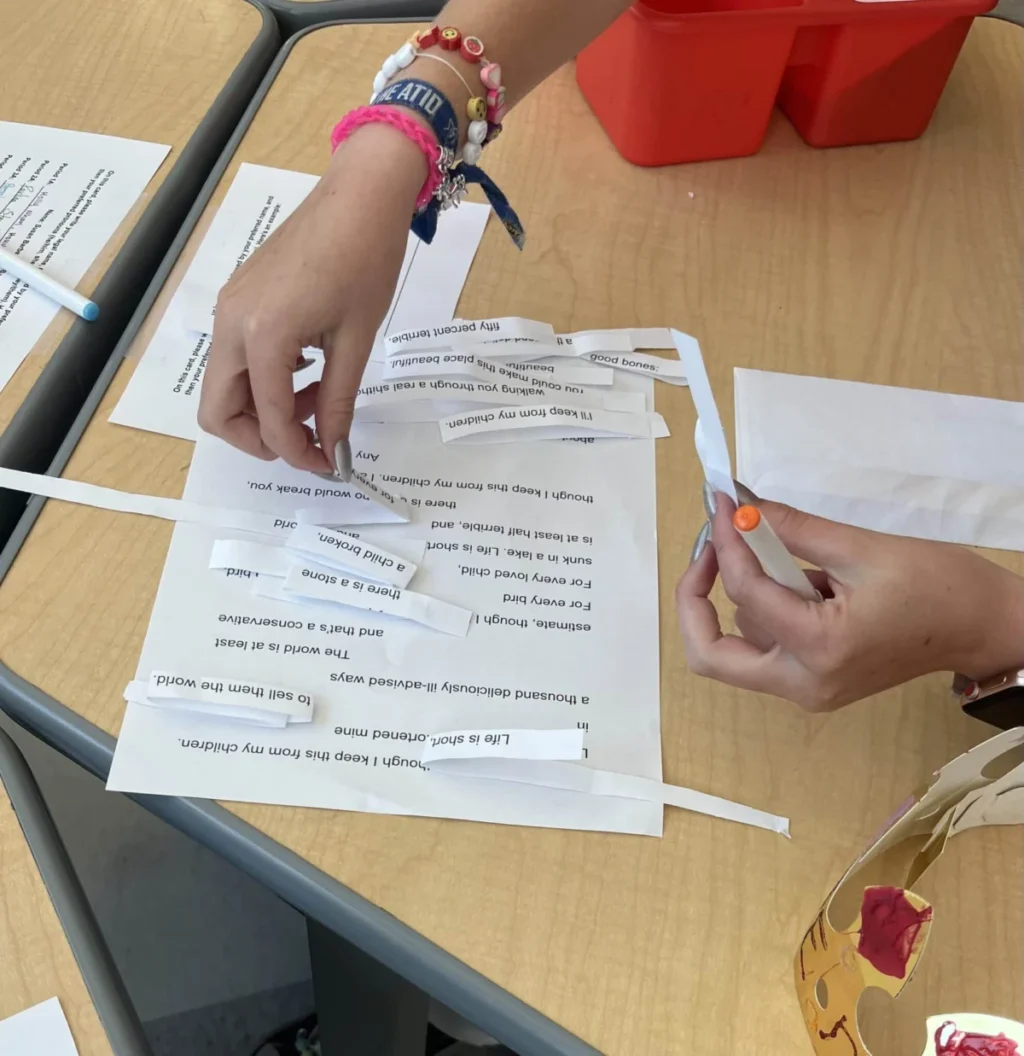
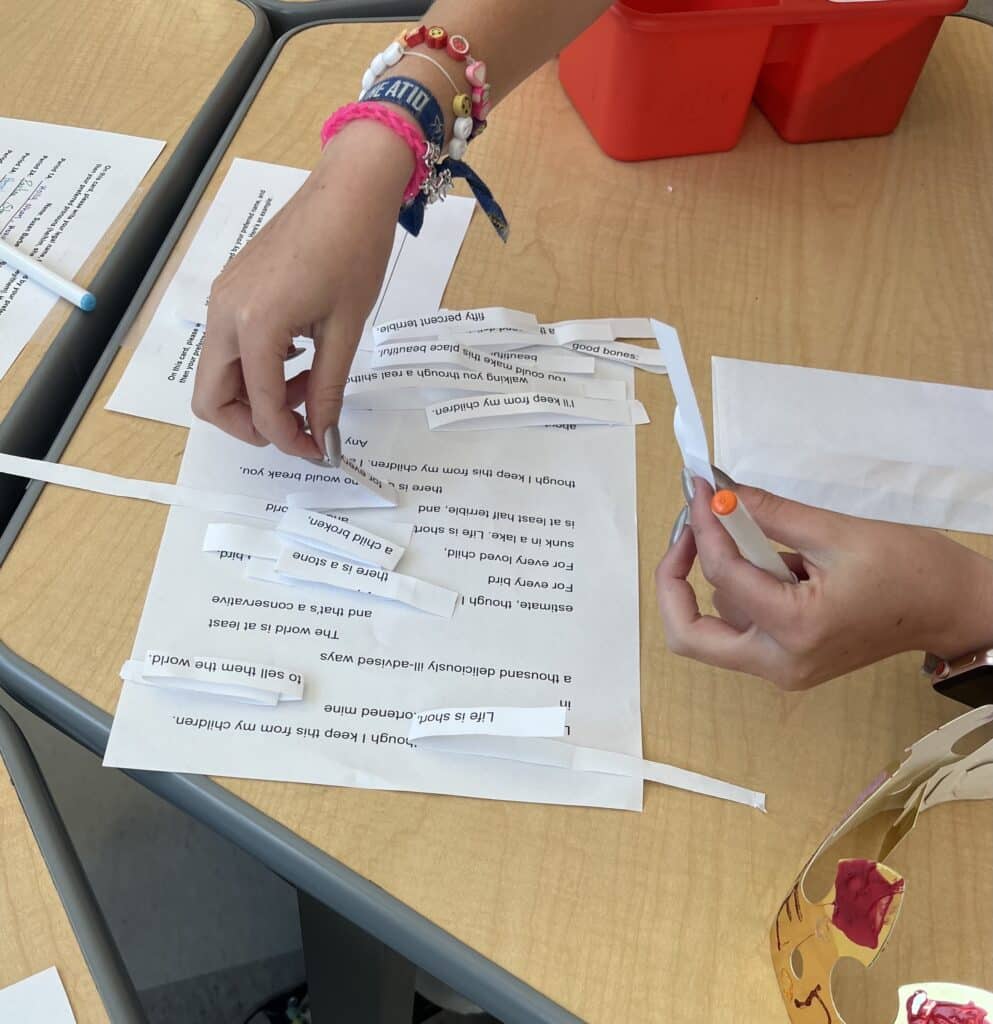
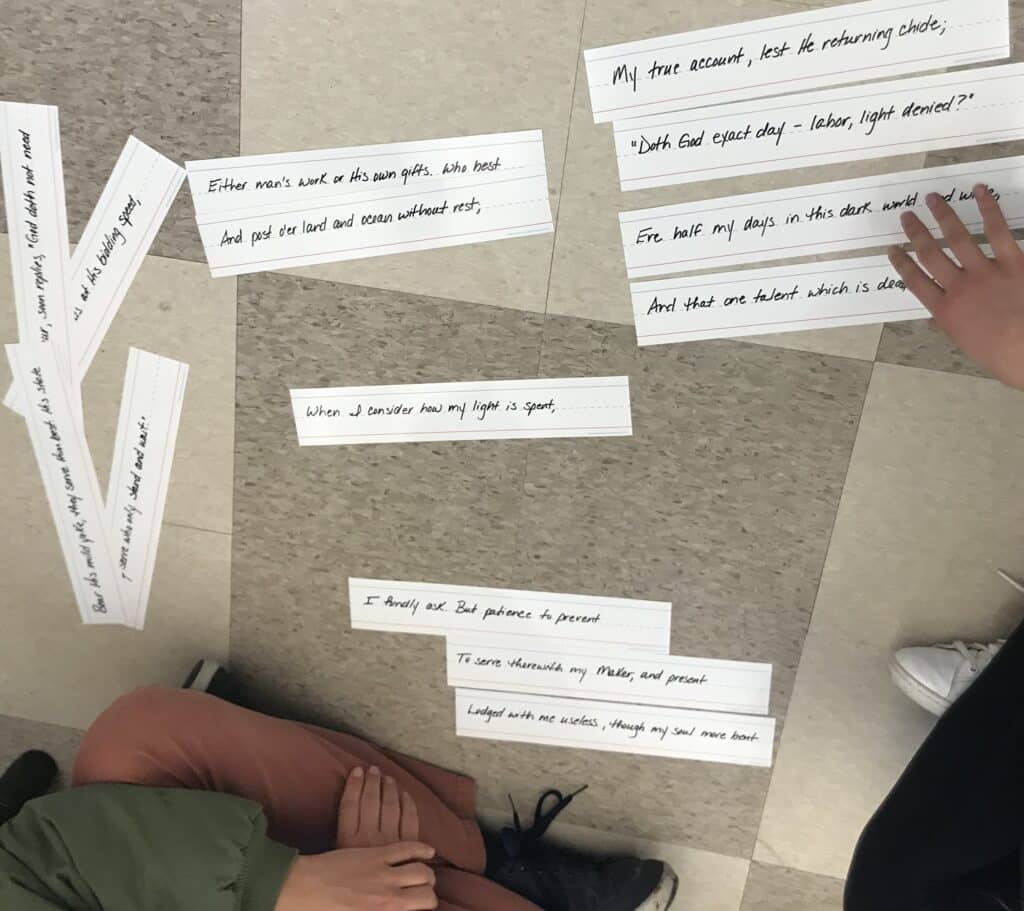
This innovative lesson invites students to become textual architects. A poem is meticulously deconstructed, with individual words, phrases, or lines cut into separate paper strips. Students are then tasked with the challenge of reconstructing the poem, not necessarily into its original form, but into a version that makes sense to them. Following this reconstructive phase, students annotate their newly formed poem, articulating their interpretive choices. The final, critical step involves comparing their version to the original, prompting a rich discussion about authorial intent, structural choices, and the nuances of poetic language.
Susan Barber elucidates the profound impact of this seemingly simple activity: "It’s forcing the students to do a close reading of the poem. If I would have passed out this poem and said, ‘I want you to do a close reading,’ their eyes would be glazed over." She emphasizes that the physical act of arranging the strips compels students to engage in analytical thinking from the outset. Considerations such as capitalization, punctuation, and grammatical flow become immediate points of analysis. "They’re having to consider, ‘Does this make sense if it goes here? Well, this is a capital letter, so it may not go in the middle of those sentences, or this is a comma here, that may not fit right there.’ And so students are already thinking about this poem analytically, and having really good discussion. They’re reading closely." Barber playfully refers to this as a "teacher trick," highlighting its effectiveness in subtly guiding students toward deep textual engagement without the explicit instruction that often accompanies traditional close reading. This strategy aligns with constructivist learning theories, where learners actively construct knowledge rather than passively receive it, leading to more robust comprehension and retention.
2. Inferential Timeline: Cultivating Higher-Order Thinking and Collaboration
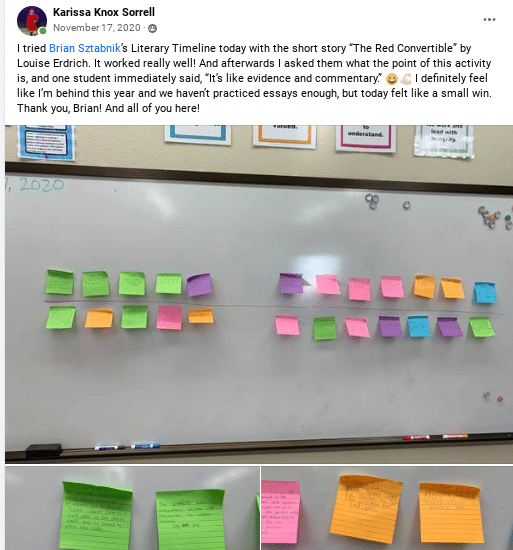
Designed primarily for novel studies or longer textual units, the Inferential Timeline strategy engages students in a multi-layered analysis of plot and significance. Students are assigned specific page ranges from a section of a novel and provided with an index card or post-it note. Their initial task is to identify the single most important event or development within their assigned pages, summarizing it concisely. Crucially, they must also select a supporting quote that vividly illustrates this pivotal moment. These cards are then arranged sequentially along a classroom timeline, creating a visual representation of the narrative arc.
Brian Sztabnik explains the cognitive demands of this first tier: "What I’m really asking is to summarize the plot and boil it down to one or two sentences. So this is all about decision-making and cutting out the extraneous details and just focusing on what’s really important. And often it’s either character development or increasing conflict or maybe a symbol finally emerges." This initial phase hones students’ summarization skills and their ability to discern main ideas from supporting details.
The second tier elevates the activity to a higher level of critical thinking and collaborative interpretation. Once the top row of summary cards is complete, students select another student’s card from the timeline. Their task is to create a new card, placed beneath the chosen one, offering an inference about why that specific event is significant to the broader narrative. Sztabnik highlights the intellectual collaboration involved: "It’s collaborative without being collaborative physically. It’s collaborative mentally: They have to look at their classmate’s card, determine what happened, and make an inference about why that event was so important in the grand scheme of those chapters. So here’s where we’re getting to the higher level thinking – we can understand the plot; now we need to draw conclusions." The lesson culminates in a "gallery walk," where students move along the complete timeline, taking notes on their classmates’ inferences, further deepening their understanding of character motivations, thematic developments, and narrative structures. This strategy effectively integrates reading comprehension, summarization, textual evidence, inference, and peer learning.
3. Text Rendering: Precision in Meaning-Making
The Text Rendering strategy focuses on guiding students to extract precise meaning from complex passages, addressing a common challenge many educators face when students struggle to articulate specific textual support for their interpretations. The lesson begins with a selected passage of text. Students are then guided through a hierarchical process of distillation: first, they identify the single most important sentence or line within the passage; next, they pinpoint the most crucial phrase or clause within that chosen sentence; and finally, they select the single most impactful word from that phrase.
This multi-step reduction forces students to engage in meticulous textual analysis. After making their selections, students defend their choices to their peers, articulating their reasoning and demonstrating their understanding of the text’s nuances. Subsequently, small groups collaborate to synthesize their individual "renderings" and draw broader conclusions about the passage’s overall meaning and significance.
Barber developed this lesson to address a specific academic need: "I have trouble every year getting students to narrow their focus when they’re making meaning from the text. They talk in these really big, general ideas, and I would be like, ‘Where did this come from?’ And they’re like, ‘You know, it’s just there.’ It has to come from someplace specific in the text. I had to find some activity to get them to take the big ideas to the small." Text Rendering directly tackles this by compelling students to ground their interpretations in specific linguistic choices made by the author, moving from macro-level understanding to micro-level analysis. This process not only improves close reading skills but also strengthens students’ ability to construct evidence-based arguments, a critical skill in academic writing and critical discourse.
The Broader Pedagogical Impact and Implications
The strategies championed by Sztabnik and Barber represent a significant shift towards student-centered, active learning methodologies. In an educational landscape increasingly grappling with digital distractions and passive consumption of information, these low-tech, interactive approaches offer a powerful antidote. They align with contemporary pedagogical research that underscores the effectiveness of kinesthetic and collaborative learning environments in promoting deeper understanding and retention. By encouraging students to physically manipulate texts, engage in peer-to-peer discussions, and justify their analytical choices, these strategies foster metacognition—the ability to think about one’s own thinking—which is a hallmark of truly engaged and independent learners.
The implications extend beyond the ELA classroom. The skills cultivated through these activities—summarization, inferential reasoning, critical selection of evidence, collaborative problem-solving, and precise communication—are transferable across disciplines. From history class, where students analyze primary sources, to science, where they interpret experimental data, the ability to engage deeply and analytically with text is paramount. Furthermore, by making learning more dynamic and less prescriptive, these strategies can help mitigate the educational inequities often exacerbated by traditional, lecture-based instruction, offering diverse learners multiple entry points into complex texts.
Expert Perspectives and Community Building
The reception to "100% Engagement" and the authors’ work has been overwhelmingly positive within the educational community. The feature on "Cult of Pedagogy" validates the pedagogical soundness and practical applicability of their methods. Educators widely acknowledge the imperative to combat student apathy, and Sztabnik and Barber’s approach provides concrete, replicable models. The emphasis on community building, evident in their decade-long online presence and the dedicated "100% Engagement" Facebook group, is a testament to their belief in collaborative professional development. This group serves as a vital hub for teachers to share experiences, adapt the strategies to their unique classroom contexts, and collectively refine best practices. Their blog, "Much Ado About Teaching," continues to be a go-to resource for practical advice and inspiration for ELA teachers seeking to inject vitality into their lessons.
The Future of ELA Engagement
As educational systems worldwide continue to evolve, the demand for innovative teaching strategies that genuinely engage students remains critical. Brian Sztabnik and Susan Barber’s "100% Engagement" offers a compelling blueprint for revitalizing ELA classrooms, proving that deep learning doesn’t require complex technology but rather thoughtful design and a commitment to active student participation. By shifting the paradigm from passive reception to active construction of meaning, these strategies promise to cultivate a generation of students who are not only proficient readers but also enthusiastic, critical, and collaborative learners. The impact of their work underscores the power of teacher-led innovation and the enduring value of practical, research-informed pedagogy in shaping the future of education.
For educators interested in exploring these strategies further, the book "100% Engagement: 33 Lessons to Promote Participation, Beat Boredom, and Deepen Learning in the ELA Classroom" is available through Bookshop.org and other retailers. The "100% Engagement" Facebook group and the "Much Ado About Teaching" blog offer additional resources and a collaborative platform for ongoing professional growth.