


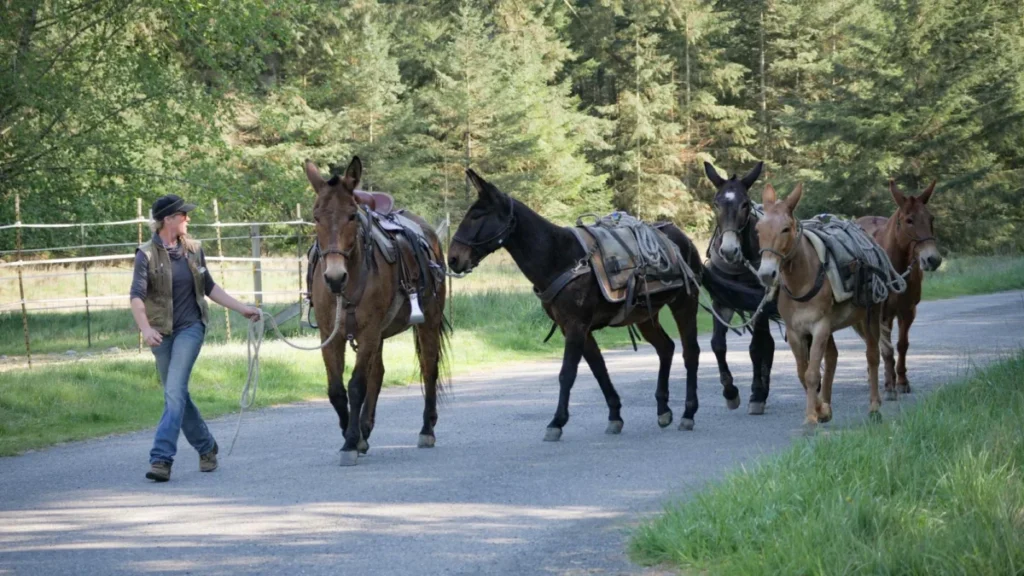
Olympic National Park has officially announced the addition of five new mules to its specialized backcountry workforce, strengthening the park’s ability to maintain its vast and rugged infrastructure. The new recruits—named Murl, Cutti, Pip, Checkers, and Gopher—have joined the existing herd in preparation for the high-intensity summer season. These animals are tasked with supporting trail crews across the park’s nearly one million acres of protected land, which includes 600 miles of trails and 64 distinct trailheads. The names of the new mules were selected by park staff to honor the diverse native flora and fauna found within the Olympic Peninsula, reflecting the deep connection between the working herd and the ecosystem they serve.
The Vital Role of Pack Animals in Modern Conservation
While modern technology has transformed many aspects of park management, the mule remains an indispensable asset for the National Park Service (NPS). Mules have been a staple of national park operations since the early 1900s, providing a reliable means of transporting heavy equipment into areas where motorized vehicles are prohibited or physically unable to navigate. In Olympic National Park, much of the terrain is designated as "wilderness" under the Wilderness Act of 1964. This federal designation strictly limits the use of mechanized tools and motorized transport to preserve the primitive character of the landscape. Consequently, the maintenance of bridges, boardwalks, and drainage systems in these remote areas depends almost entirely on the physical labor of human trail crews and the logistical support of pack animals.
The five new mules join a legacy of service that predates the formal establishment of the NPS in 1916. Early rangers relied on horses and mules for patrols, fire response, and the construction of the first backcountry shelters. Today, the Olympic mule herd continues this tradition, ensuring that the park’s 600-mile trail network remains safe and accessible for hundreds of thousands of visitors annually.
Biological Advantages and Logistical Capacity
A mule is the hybrid offspring of a male donkey (Equus asinus) and a female horse (Equus caballus). This crossbreeding results in "hybrid vigor," a phenomenon where the offspring displays superior qualities to those of its parents. Mules inherit the size and strength of the horse alongside the endurance, sure-footedness, and cognitive caution of the donkey. Unlike horses, which may bolt when startled, mules possess a strong self-preservation instinct that makes them exceptionally safe for navigating narrow, steep, or rocky switchbacks.
Each mule in the Olympic National Park herd typically weighs approximately 1,000 pounds. According to data from Washington’s National Park Fund, a healthy, well-conditioned mule can carry roughly 20 percent of its body weight. This equates to a payload of approximately 200 pounds per animal. When moving in a "string"—a line of multiple mules led by a single packer—the herd can transport over a ton of supplies in a single trip. The materials carried vary widely based on the needs of the season:
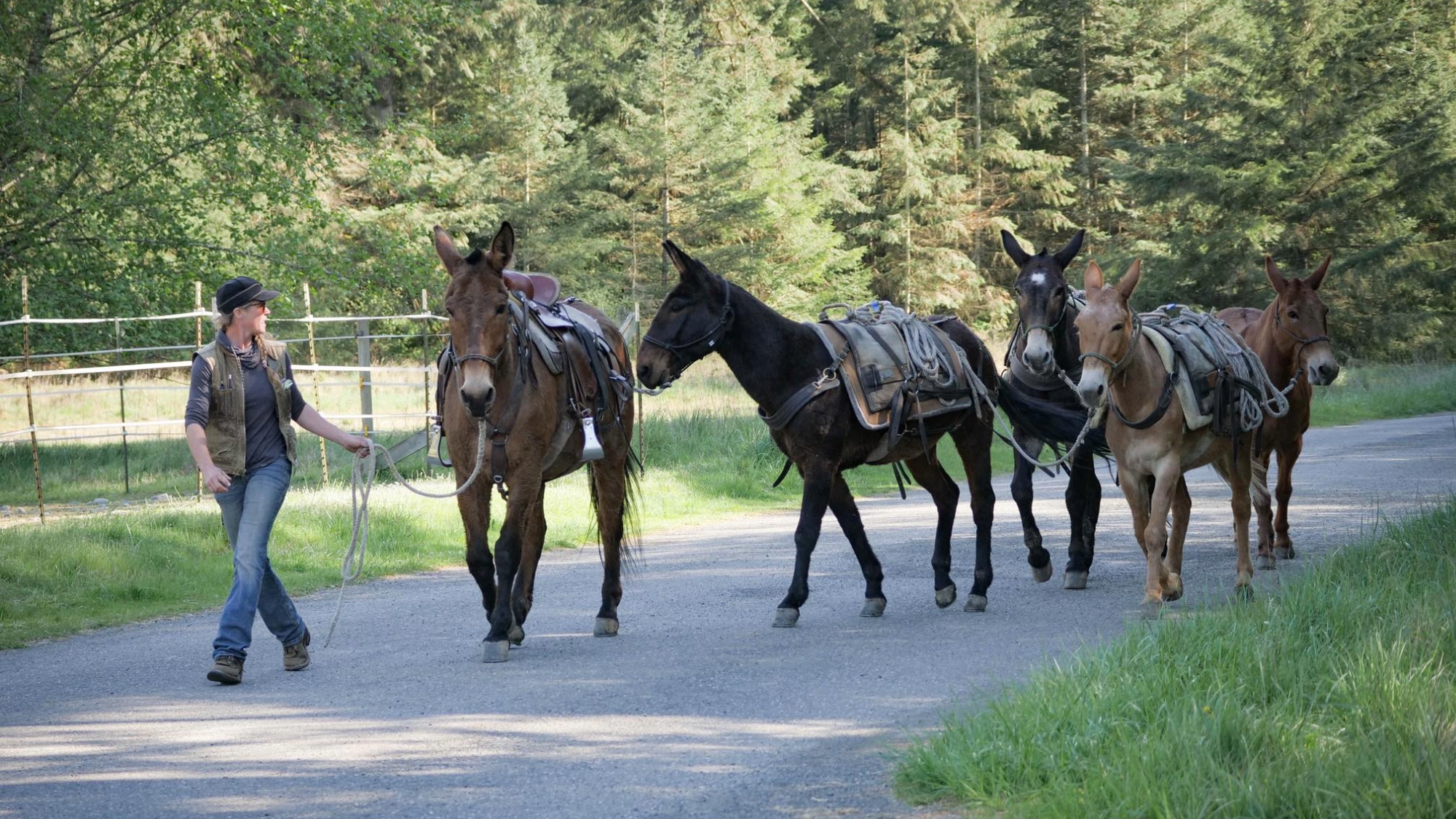
- Trail Maintenance: Sledges, crosscut saws, rock bars, and timber for bridge repairs.
- Infrastructure: Bags of gravel, cement, and specialized hardware for stabilizing erosion-prone paths.
- Scientific Research: Delicate monitoring equipment for studying glacier recession, water quality, and wildlife populations in the high alpine.
- Search and Rescue (SAR): Supplies for emergency medical teams and, in some cases, the safe extraction of injured hikers from areas where helicopter landings are impossible due to canopy cover or weather.
The Annual Operational Cycle: From Elwha to Sequim
The working life of an Olympic National Park mule is dictated by the seasons and the snowpack. The operational year is divided into two distinct phases: the working season and the wintering period.
The Working Season (April – October):
As the spring thaw begins, the herd is mobilized to the Elwha River valley, which serves as their primary staging area. During these months, the mules are in near-constant motion. They are deployed to various districts of the park, including the Hoh Rainforest, the Quinault Valley, and the rugged Hurricane Ridge area. New recruits like Murl and Gopher undergo a period of "apprenticeship" during this time. They are paired with veteran mules to learn the nuances of the trail, the weight of the pack saddles, and the discipline required to remain calm during encounters with wildlife or unpredictable weather.
The Wintering Period (November – March):
When the high-altitude trails become impassable due to snow, the herd is moved to a lower-elevation pasture in Sequim, Washington. This five-month hiatus allows the animals to recover from the physical toll of the summer season. During the winter, they receive specialized veterinary care, hoof maintenance from professional farriers, and a controlled diet to ensure they maintain the muscle mass necessary for the following year’s labor.
Economic and Environmental Impact Analysis
The continued use of mule teams represents both a strategic environmental choice and a cost-effective management tool. From an environmental perspective, mules have a lower impact on trail surfaces than heavy machinery. Their ability to navigate existing footpaths prevents the need for widening trails to accommodate ATVs or other vehicles, thereby protecting sensitive vegetation and reducing soil compaction.
From a budgetary standpoint, mules provide significant savings compared to aerial logistics. While helicopters are occasionally used for massive infrastructure projects, the cost of flight time can exceed several thousand dollars per hour. In contrast, the daily operational cost of a mule string is significantly lower, and they can operate in weather conditions (such as heavy fog or light rain) that would ground aircraft. Furthermore, the presence of the mules serves an educational purpose, offering visitors a glimpse into the traditional skills required to manage a wilderness area.
Community Integration and Public Engagement
Olympic National Park has leveraged the popularity of its working animals to foster a deeper connection with the public. Through social media initiatives like the "Mule of the Month," the park highlights the individual personalities and contributions of the herd members. Previous featured mules include RainCloud, described as a high-energy "sports-model" mule known for her speed and agility, and Daisy, a "magnificent matriarch" who has provided steady leadership for the younger animals for years.
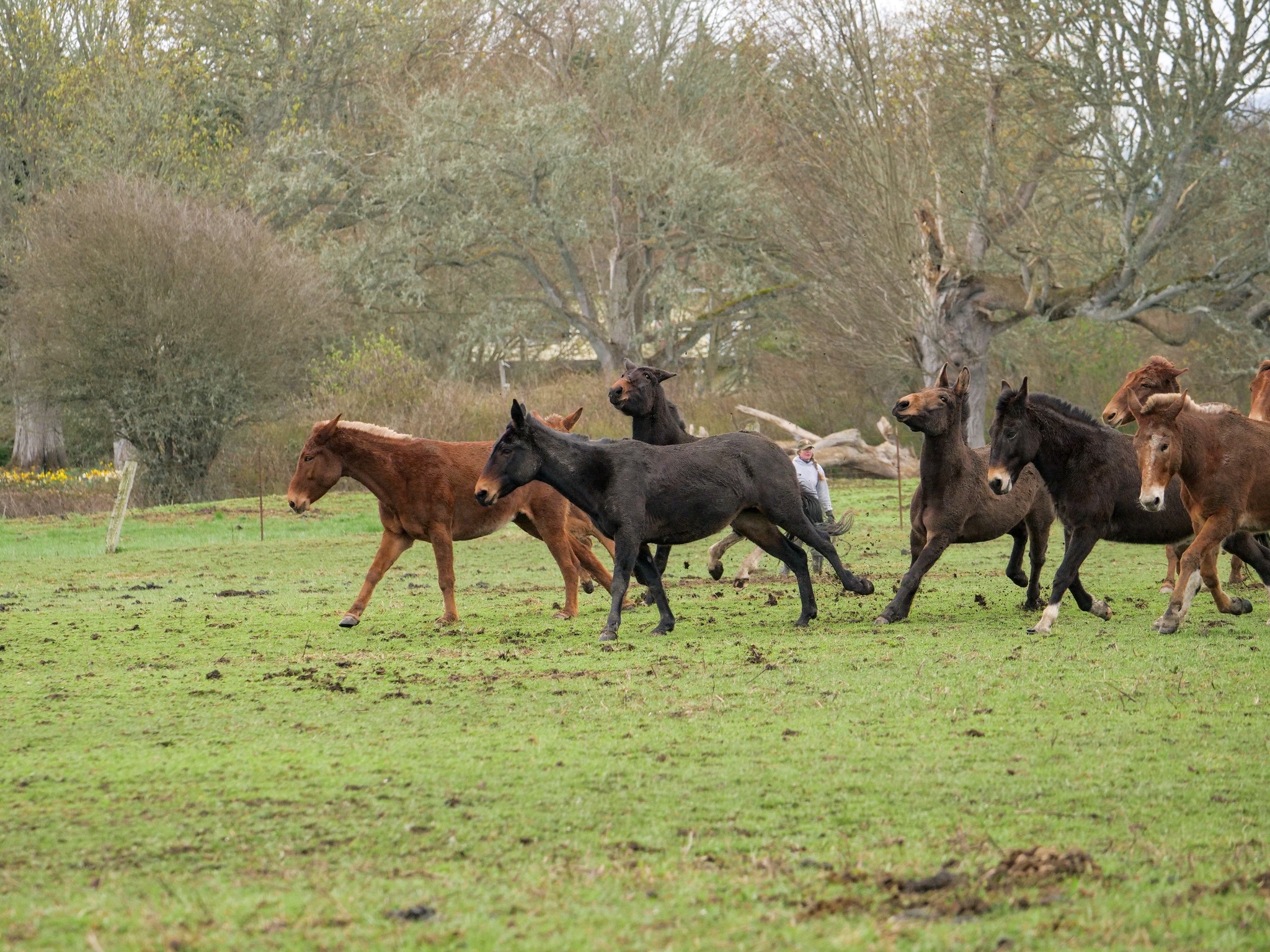
These engagement efforts have proven successful in humanizing the logistical challenges of park management. By introducing Murl, Cutti, Pip, Checkers, and Gopher, the park service provides a face—or rather, a long-eared profile—to the labor-intensive work of conservation. This transparency helps the public understand why certain trails may be closed for maintenance or why they might encounter a pack string while hiking.
Implications for Future Park Management
The acquisition of five new mules is a clear signal that Olympic National Park remains committed to traditional wilderness management techniques. As climate change leads to more frequent and severe weather events, the park’s trail infrastructure faces increasing threats from landslides, washouts, and downed timber. The flexibility of mule teams allows the NPS to respond to these challenges dynamically.
Moreover, as national park visitation numbers continue to rise, the pressure on trail systems grows. The ability to move materials into the backcountry efficiently is essential for implementing sustainable trail designs that can handle higher foot traffic. The new mules represent a long-term investment in the park’s resilience. With a working life that can span two decades, Murl, Cutti, Pip, Checkers, and Gopher will likely be walking the trails of the Olympic Peninsula well into the 2040s.
The integration of these animals ensures that the "Olympic Wilderness" remains more than just a name on a map. It remains a place where the sounds of the forest are not drowned out by engines, and where the heavy lifting of preservation is done one step at a time, guided by the steady hooves of the park’s most reliable employees. As the summer season approaches, visitors are reminded to yield the right-of-way to these working teams, acknowledging the critical role they play in keeping the wild heart of Washington State beating.