



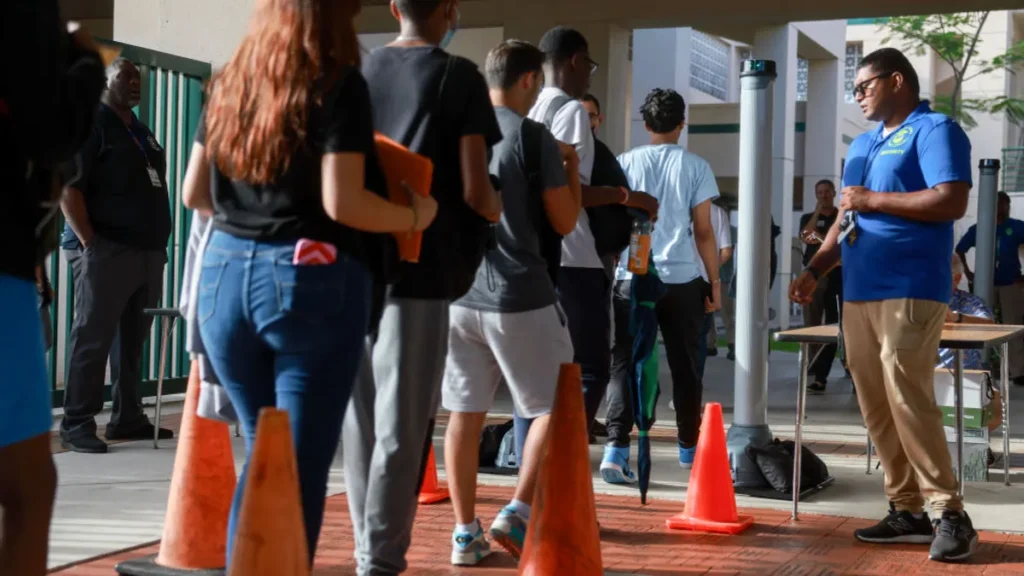
A growing body of research and advocacy from educational policy experts suggests that the most effective strategies for ensuring student safety within educational institutions do not lie solely in the implementation of advanced technological surveillance and physical security measures. Instead, the Learning Policy Institute (LPI), a nonpartisan research organization dedicated to improving education, asserts that fostering trusting relationships between students and staff, and cultivating a positive, inclusive school climate, are the bedrock of genuine safety. This perspective challenges the prevailing trend of investing billions of dollars in "hardening" schools with an array of security technologies, arguing that such approaches may inadvertently undermine the very foundations of a secure and supportive learning environment.
The urgency surrounding school safety has intensified in recent years, driven by a concerning rise in school-based violence and the tragic events that have captured national attention. In response, school districts across the United States have allocated substantial financial resources towards physical security enhancements. Data indicates that these expenditures now exceed $4 billion annually, encompassing a wide spectrum of technologies such as metal detectors, sophisticated surveillance camera networks, and increasingly, AI-powered weapons detection systems. These investments are often made with the explicit intention of preventing unauthorized weapons from entering school premises and mitigating the risk of violent incidents.
However, the LPI’s analysis, detailed in a recent blog post, casts doubt on the efficacy and potential unintended consequences of these technological solutions. The organization points out that the research substantiating the effectiveness of many of these "school hardening" technologies in preventing violence is surprisingly "thin." This lack of robust evidence, coupled with the significant financial outlay, raises critical questions about whether these investments are yielding the desired safety outcomes or diverting resources from more impactful, relationship-centered interventions.
One particular area of concern highlighted by the LPI is the proliferation of AI-powered weapons detection systems. While these systems are designed to scan individuals for concealed weapons by creating digital images that pinpoint the location of a potential threat, their deployment has not been without controversy. The LPI notes instances where these technologies have led to erroneous identifications, resulting in wrongful arrests or false alarms. Such occurrences can have profound and damaging psychological effects on students, eroding trust and fostering an environment of suspicion rather than safety.
A stark example cited by the LPI involved a student in Maryland who was confronted at gunpoint and handcuffed by police. The alarming incident occurred after a school’s weapons detection system mistakenly identified a bag of chips carried by the student as a weapon. This case, and others like it, underscore the potential for technological failures to create dangerous situations and inflict significant emotional distress on young individuals, effectively creating the opposite of a safe environment.
Beyond weapons detection systems, the LPI also expressed reservations about other technologies, including license plate readers and AI monitoring of student accounts, which are increasingly being adopted by schools. While proponents of these technologies argue they enhance security by tracking individuals and monitoring communications, the LPI contends that their implementation can foster distrust among students and their families. When students perceive themselves as constantly under surveillance or subject to automated scrutiny, it can stifle open communication, discourage engagement, and create an atmosphere of anxiety and fear, counteracting the sense of belonging and psychological security that are vital for learning.
The LPI’s stance is rooted in the understanding that true school safety is multifaceted and deeply intertwined with the social and emotional well-being of the school community. The organization emphasizes that a positive school climate, characterized by strong, supportive relationships between students, teachers, administrators, and support staff, is a powerful preventative measure against violence and disruptive behavior. When students feel seen, heard, valued, and connected to their school, they are more likely to report concerns, seek help when needed, and engage positively with their peers and the educational process.
The Financial Landscape of School Security
The substantial financial commitment to physical security measures is a testament to the perceived threat of school violence. According to the LPI’s research, U.S. schools collectively spend over $4 billion annually on physical safety measures. This figure represents a significant portion of school budgets, raising questions about resource allocation and prioritization. The types of investments include:
- Metal Detectors and Weapons Screening: These systems are designed to identify metallic objects, including firearms and knives, as individuals pass through them. Their installation often leads to increased wait times for students entering school and can create a sense of entering a high-security facility.
- Surveillance Cameras: A ubiquitous presence in many schools, surveillance cameras are intended to monitor activity, deter misconduct, and provide evidence in the event of an incident. The sheer volume of cameras and the potential for constant monitoring can contribute to a feeling of being perpetually observed.
- AI-Powered Weapons Detection Systems: These newer technologies leverage artificial intelligence to analyze images and detect potential weapons in backpacks or on a person’s body. Their rapid adoption is fueled by advancements in AI and the desire for more proactive threat detection.
- Access Control Systems: This category includes measures like locked doors, security vestibules, and visitor management systems, aimed at controlling who enters school buildings and when.
The Research Gap and the Rise of AI in Schools
Despite the significant investment in these technologies, the LPI highlights a critical gap in rigorous research that definitively proves their effectiveness in preventing violence. The organization states that research into how effective these technologies truly are in preventing violence is "thin." This lack of empirical evidence is particularly concerning when considering the potential for these systems to negatively impact the school environment.

The rise of AI in schools, while promising in certain educational applications, has also brought its own set of challenges when applied to security. AI-powered weapons detection systems, for instance, have been a focal point of LPI’s critique. These systems operate by capturing a digital image of a person and their belongings, identifying the location and type of any detected weapon. This technology, similar to that used at professional sporting events and concerts, has seen increased adoption in schools as AI capabilities have advanced and as the frequency of school shootings has unfortunately remained a persistent concern.
The year 2023 saw school shootings reach what some reports have termed an all-time high, further intensifying the national conversation around school safety. This trend, coupled with technological advancements, led to legislative considerations such as the one in Georgia, where a bill mandating statewide weapons detection systems was debated but ultimately tabled.
Unintended Consequences and Erosion of Trust
The LPI’s analysis strongly suggests that the pervasive use of security technologies can inadvertently lead to the erosion of trust, a sense of belonging, and psychological security, which researchers identify as the actual foundations of a safe school. When students are subjected to what they may perceive as excessive surveillance or suspicion, it can create a climate of fear and distrust.
This is particularly relevant for AI monitoring of school-issued student accounts. While intended to identify potential threats or cyberbullying, such monitoring can lead to students feeling that their privacy is being violated and that their online activities are being scrutinized, potentially chilling free expression and open communication.
The Human Element: Building a Foundation of Safety
The LPI’s core argument is that resources allocated to school safety should prioritize strategies that nurture positive human connections and build strong, supportive school communities. This includes:

- Investing in School Counselors and Mental Health Professionals: Providing adequate staffing of counselors and mental health experts can address the root causes of behavioral issues and offer students crucial support.
- Implementing Social-Emotional Learning (SEL) Programs: SEL programs equip students with the skills to manage their emotions, build relationships, make responsible decisions, and develop empathy.
- Training for Staff in De-escalation and Conflict Resolution: Equipping educators and staff with the skills to manage conflicts constructively can prevent minor issues from escalating into more serious problems.
- Fostering Positive Relationships: Encouraging open communication, active listening, and mutual respect between students and staff creates an environment where students feel comfortable seeking help and reporting concerns.
- Promoting a Sense of Belonging: Creating inclusive school environments where all students feel valued and connected can significantly reduce instances of bullying, alienation, and violence.
The LPI’s message is a call for a paradigm shift in how schools approach safety. It suggests that while physical security measures may play a role, they should not overshadow or replace the fundamental importance of fostering a nurturing and trust-based environment. "Every dollar spent on school safety is ultimately a choice about what kind of environment schools create for young people," the LPI blog post states. "Districts can invest in technologies that monitor and sometimes criminalize students, but these measures often come with significant psychological costs for the school community."
The organization’s findings provide a critical counterpoint to the prevailing trend of technological "school hardening." By emphasizing the power of trusting relationships and positive school climates, the LPI offers a roadmap for creating schools that are not only physically secure but also emotionally supportive, fostering environments where all students can thrive and learn without fear. This approach recognizes that true safety is built not on barriers and surveillance, but on connection, understanding, and a shared commitment to the well-being of every student. The ongoing debate over school safety measures necessitates a careful consideration of both the immediate perceived benefits of technology and the long-term impact on the psychological and social fabric of educational institutions.