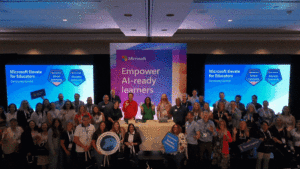




Microsoft has unveiled a comprehensive suite of initiatives and technological advancements designed to integrate generative artificial intelligence into the global education sector, spearheaded by the launch of the Microsoft Elevate for Educators program. This strategic move aims to bridge the gap between traditional pedagogical methods and the rapidly evolving demands of the AI era by providing educators with a structured ecosystem of community support, professional development, and purpose-built software tools. As educational institutions worldwide grapple with the dual challenges of administrative burnout and the need for student AI literacy, Microsoft’s latest offerings represent a significant expansion of its 50-year commitment to the education sector, focusing on reclaiming instructional time and fostering personalized learning experiences.
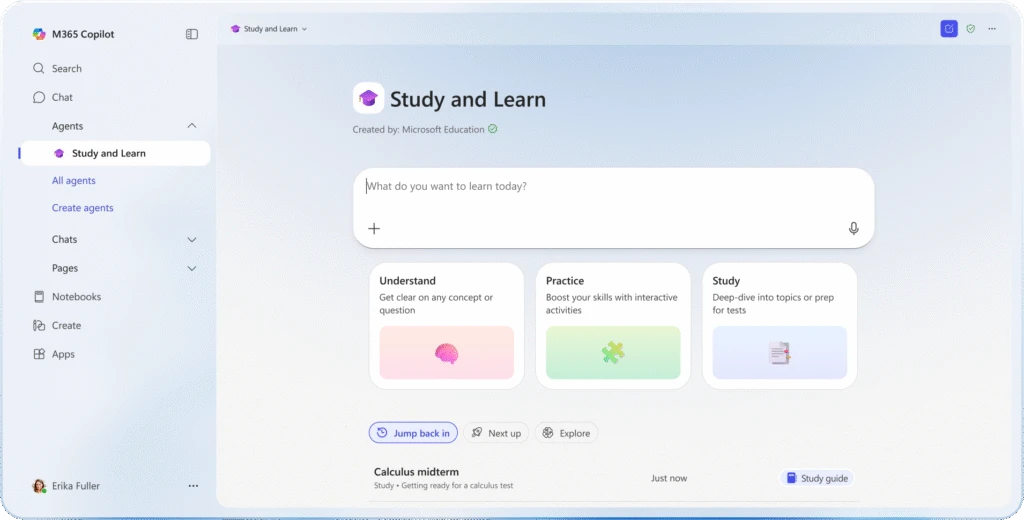
The cornerstone of this announcement is Microsoft Elevate for Educators, an initiative embedded within the company’s broader global commitment to assist 20 million people in gaining in-demand AI skilling credentials over the next two years. By providing access to one of the world’s largest peer educator networks and offering free professional development resources, the program seeks to empower school leaders and teachers to integrate AI into their classrooms with confidence and ethical rigor. The rollout coincides with the introduction of several software innovations, including the "Teach" feature within the Microsoft 365 Copilot app, the Microsoft Learning Zone for Copilot+ PCs, and an AI-powered Study and Learn Agent designed specifically for students.
A Chronological Shift Toward AI-Integrated Classrooms
The transition toward AI-centric education at Microsoft has followed a calculated trajectory over the past three years. Following the widespread adoption of remote learning tools during the early 2020s, the company pivoted toward integrating large language models into its existing productivity suites. By late 2023 and throughout 2024, early pilot programs in school districts across North America and Australia provided the foundational data necessary to refine education-specific AI.
The current announcement, scheduled for a major showcase at Bett UK 2026 from January 21–23, marks the culmination of this development cycle. This timeline suggests a move from experimental AI implementation to standardized, "education-ready" deployments. The launch of the IDC White Paper, "A Blueprint for AI-Ready Schools," in December 2025 served as the analytical precursor to these tools, establishing a framework for how districts like Brisbane Catholic Education and Broward County Schools have successfully navigated the initial hurdles of AI adoption.

Technological Specifications of the Teach and Learning Zone Apps
Central to the new toolkit is "Teach," an AI assistant integrated directly into the Microsoft 365 Copilot environment. Unlike general-purpose AI, Teach is calibrated for pedagogical standards. It allows educators to generate lesson plans, design rubrics, and create quizzes that align with specific curricular requirements. A key feature of the tool is its ability to adapt instructional materials to different reading levels instantaneously, addressing the diverse needs of inclusive classrooms without requiring hours of manual rewriting.
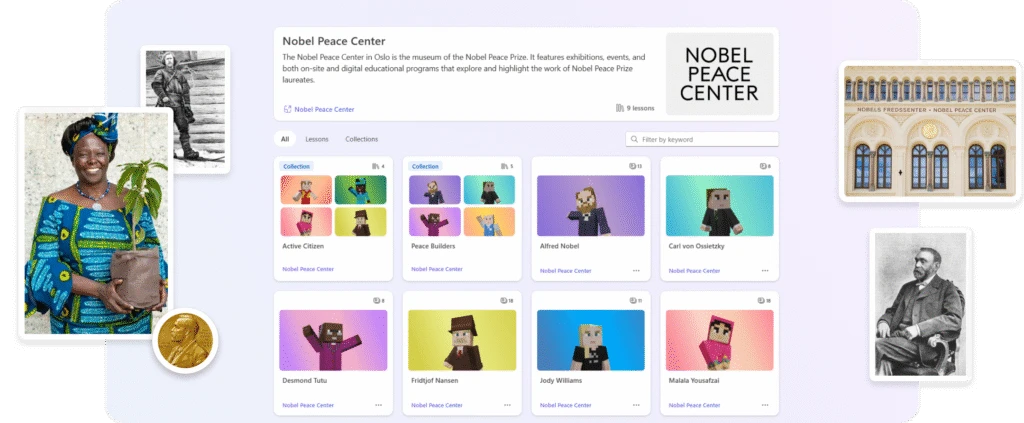
For hardware-integrated solutions, the Microsoft Learning Zone leverages the "on-device" intelligence of Copilot+ PCs. This application is designed to function with minimal latency and enhanced privacy by processing data locally. The Learning Zone has notably received the ISTE (International Society for Technology in Education) Seal of Alignment, a distinction that validates its adherence to research-backed teaching practices and usability standards. The app features curated content from high-profile partners, including NASA, the Nobel Peace Center, and the World Wildlife Fund. For example, the Nobel Peace Center collection allows students to explore human rights through the narratives of laureates like Malala Yousafzai, complemented by interactive activities within Minecraft Education.
Supporting the Student Journey from K-12 to Career Readiness
Microsoft’s strategy extends beyond teacher support to direct student engagement through the Study and Learn Agent. Targeted at students aged 13 and older, this agent is built on learning science principles to move beyond simple answer-generation. Instead, it acts as a digital tutor, utilizing adaptive exercises, flashcards, and guided study sessions to encourage critical thinking and self-reflection. By focusing on the "how" of learning rather than just the "what," the tool aims to foster academic independence.
In the higher education sector, Microsoft is addressing the "skills gap" by offering eligible students 12 months of free access to Microsoft 365 Premium and LinkedIn Premium Career. This dual-platform approach is intended to support students through their final years of study while simultaneously providing the networking and job-seeking tools necessary for entering a competitive, AI-influenced workforce. The integration of AI-powered writing and research tools within Microsoft 365, paired with LinkedIn’s career insights, creates a pipeline from classroom success to professional employment.
Analytical Insights: The IDC Blueprint and Data-Driven Adoption
To support the implementation of these tools, Microsoft commissioned an IDC White Paper titled "A Blueprint for AI-Ready Schools: Strategies from the Front Lines of K-12 Education." The research highlights that while AI adoption is increasing, the primary barrier for many institutions remains a lack of clear strategic planning and concerns over data security.
The white paper identifies three key areas where AI-ready schools are excelling:
- Administrative Efficiency: Early adopters reported a 20-30% reduction in time spent on routine administrative tasks, such as grading and scheduling, when AI tools were integrated into the workflow.
- Personalized Learning: Data suggests that AI-assisted differentiation—where content is tailored to individual student performance—leads to higher engagement rates in STEM subjects.
- Policy Development: Schools that established "Responsible AI" guidelines early in the process saw fewer issues regarding academic integrity and a higher level of trust from parents and faculty.
The introduction of the Microsoft Education Security Toolkit is a direct response to these findings. This resource provides educational institutions with a framework to strengthen their cybersecurity posture, offering guidance on compliance and real-world case studies to prevent data breaches in an increasingly connected digital environment.
Official Responses and Institutional Reactions
While official statements from individual school boards remain focused on local implementation, the broader sentiment among education technology analysts suggests a cautious but optimistic reception. Dr. Aris Warren, a senior analyst in educational technology, noted that "The shift from general AI to education-specific agents like ‘Teach’ is a necessary evolution. It addresses the ‘hallucination’ and ‘relevance’ problems that have plagued teachers trying to use standard AI tools for lesson planning."
Administrators from the Coquitlam School District in Canada, cited in the IDC report, emphasized that the success of these tools depends heavily on the "Elevate for Educators" skilling component. "The technology is only as effective as the teacher’s ability to direct it," the report noted. "By focusing on professional development and peer networks, Microsoft is acknowledging that the human element remains the most critical factor in the classroom."
Broader Impact and Global Implications
The implications of Microsoft’s AI expansion in education are twofold. On a micro level, the individual tools like the Study and Learn Agent have the potential to democratize access to high-quality tutoring, providing students in under-resourced areas with a personalized learning companion that was previously only available through private instruction.
On a macro level, the initiative reflects a global trend where AI literacy is becoming as fundamental as traditional literacy. By aiming to skill 20 million people, Microsoft is positioning itself as a primary architect of the future workforce’s foundational skills. The integration of LMS (Learning Management System) capabilities into the Learning Zone app, expected by late 2026, further suggests a long-term plan to become the central operating system for modern schools.
However, the rapid deployment of these tools also necessitates ongoing scrutiny regarding the digital divide. While the Study and Learn Agent and Teach are available at no additional cost to existing Microsoft 365 Education customers, the full benefits of on-device AI are currently tied to the purchase of Copilot+ PCs. Ensuring that these advancements do not widen the gap between affluent and underfunded school districts will remain a critical challenge for both Microsoft and global education leaders.
As the industry prepares for Bett UK 2026, the focus will likely remain on how these tools perform in diverse linguistic and cultural contexts. With plans to expand language support to Portuguese, French, and German by 2026, Microsoft is signaling its intent to maintain a dominant role in the global education market, ensuring that the "age of AI" is defined by structured, secure, and pedagogically sound technological integration.