


Immigration and the H-1B visa program have been targets of the Trump administration, and many changes have left employers scrambling to comply. The year 2026 has seen a dramatic escalation in federal scrutiny and regulatory adjustments concerning the H-1B visa program, a cornerstone for many U.S. companies seeking to employ highly skilled foreign workers. These policy shifts, initiated and amplified by the Trump administration, have not only created a complex compliance environment for businesses but have also sparked legal challenges and ignited broader debates about the nation’s approach to skilled immigration. The cumulative effect of these changes has left employers in a state of perpetual adaptation, grappling with increased costs, new vetting processes, and uncertainty about future talent acquisition.
A Timeline of Increased Scrutiny and Regulatory Action
The evolving landscape of H-1B visa regulations throughout 2025 and into 2026 reflects a deliberate strategy by the Trump administration to reshape the program’s accessibility and impact on the U.S. labor market. This period has been characterized by a series of executive actions, proposed rule changes, and increased enforcement, all aimed at tighter control and perceived protection of American jobs.
September 2025: The $100,000 Fee and the Proclamation
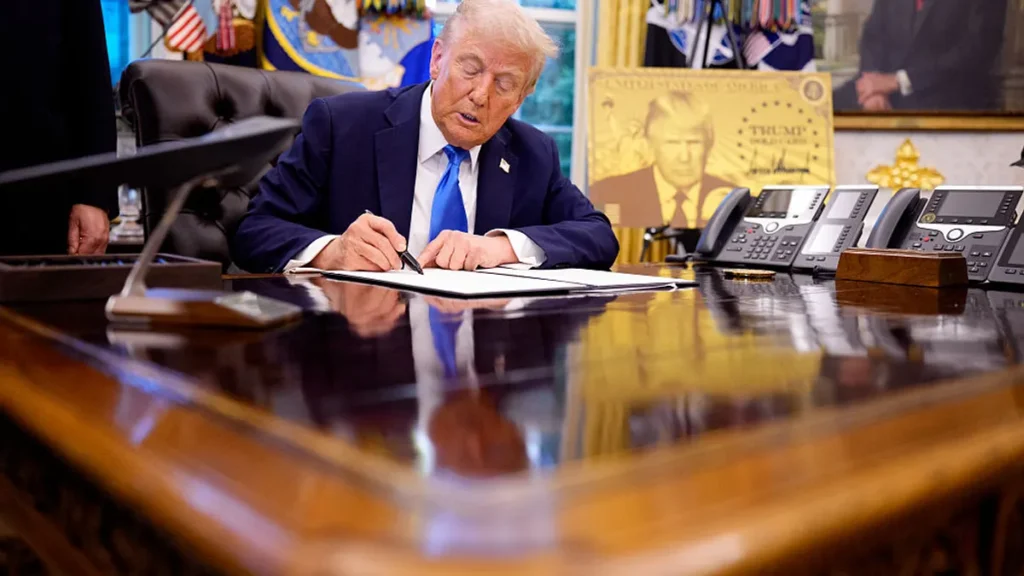
A pivotal moment arrived in September 2025 with President Donald Trump’s presidential proclamation introducing a significant financial hurdle for new H-1B visa petitions. This proclamation mandated a $100,000 fee on new H-1B visa petitions, though it included certain exceptions. The stated rationale behind this move was to generate revenue and disincentivize what the administration termed "abuse" of the H-1B program, aiming to prioritize American workers.
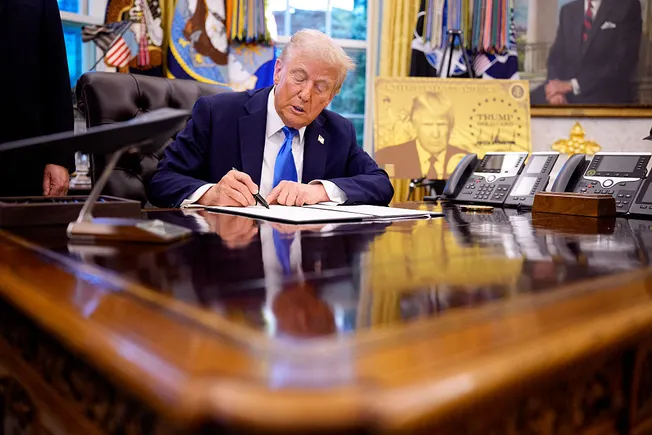
This fee structure, however, was not universally applied and sparked immediate controversy. While intended to curb perceived overreliance on foreign talent, critics argued it disproportionately affected smaller businesses and startups that might not have the financial capacity to absorb such a substantial cost. The proclamation also raised questions about its legal standing and the executive branch’s authority to impose such fees without congressional approval.
December 2025: Social Media Scrutiny and Online Presence Reviews
As 2025 drew to a close, the U.S. State Department announced another significant policy change: the implementation of "online presence reviews" for H-1B visa applicants and their dependents. This directive mandated a thorough examination of applicants’ social media activity and other online footprints. The intention was to enhance national security and immigration vetting by identifying potential risks or misrepresentations in visa applications.
This expansion of the vetting process meant that consular officers would now be tasked with reviewing publicly available online information, including social media profiles, blogs, and other digital content. The scope and depth of these reviews, along with the criteria used to assess information, became a significant concern for applicants and employers alike. The potential for misinterpretation of online content and the privacy implications of such widespread digital surveillance added to the growing unease surrounding the H-1B program.
Early 2026: Proposed Rule to Increase Prevailing Wage Rates

The trend of heightened regulation continued into early 2026 with the U.S. Department of Labor issuing a proposed rule aimed at increasing prevailing wage rates for H-1B visa holders. The department, under the leadership of U.S. Secretary of Labor Lori Chavez-DeRemer, stated that the proposed changes were designed to combat "abuse" of the program and ensure that foreign workers do not undercut the wages of American employees.
Prevailing wage rates are determined based on the occupation, skill level, and geographic location, setting a minimum salary that employers must offer to H-1B visa recipients. The proposed increase signaled a potential rise in labor costs for companies relying on H-1B workers and aimed to align the compensation of foreign professionals more closely with that of their U.S. counterparts, thereby theoretically making it more attractive for employers to hire domestically.
Legal Challenges and Employer Reactions
The series of policy changes and proposed regulations have not gone unchallenged. The $100,000 fee, in particular, has faced significant legal opposition. As reported, states have launched multiple lawsuits seeking to block the Trump H-1B order, arguing that it oversteps executive authority and harms their economies. These legal battles underscore the contentious nature of the administration’s approach and the significant disruption it has caused.
Beyond legal avenues, employers have voiced their concerns about the cumulative impact of these immigration and diversity, equity, and inclusion (DEI) policy shifts. A survey conducted by Littler Mendelson, a prominent employer-side law firm, revealed that over 300 employer representatives polled indicated that the effects of DEI and immigration changes had a substantial impact on their businesses. Notably, the share of employers citing these impacts was more than double that of any other category measured, including the compliance demands related to artificial intelligence. This suggests that the administrative burden and strategic adjustments required by evolving immigration policies have become a primary concern for businesses, even overshadowing the rapidly developing field of AI.
The Littler Mendelson survey highlights a critical point: the multifaceted nature of the Trump administration’s policy agenda, encompassing both immigration and DEI, has created a complex web of compliance challenges. For businesses that operate with a diverse workforce and rely on a global talent pool, navigating these shifting regulations has become a significant operational and strategic imperative. The increased scrutiny and potential for penalties have forced many companies to re-evaluate their hiring practices, talent acquisition strategies, and overall workforce planning.

Data and Analysis: The Economic and Operational Impact
The economic implications of these H-1B visa changes are multifaceted. The increased fees, while intended to generate revenue, can act as a barrier to entry for smaller and mid-sized companies, potentially stifling innovation and growth that relies on specialized international talent. The average salary for H-1B workers, prior to any proposed wage hikes, already indicates a significant investment by employers. For instance, data from the U.S. Department of Labor shows that the average annual wage for H-1B visa holders across various high-skilled occupations often ranges from $80,000 to over $120,000, depending on the industry and location. Adding a $100,000 fee to this investment for new petitions, even with exceptions, represents a substantial increase in the cost of employing foreign talent.
Furthermore, the expanded vetting process, including social media reviews, introduces an element of unpredictability. While intended to enhance security, the subjective nature of online content interpretation could lead to unintended rejections or delays, impacting project timelines and business operations. The potential for increased administrative costs associated with meticulously managing employee online presence and ensuring compliance with new vetting protocols also adds to the operational burden.
The proposed increase in prevailing wage rates, if implemented, would further elevate labor costs for employers. While the administration’s stated goal is to protect American jobs, a significant rise in these rates could make it less economically viable for some companies to sponsor H-1B visas, potentially leading to a reduction in the number of foreign workers employed. This, in turn, could exacerbate existing talent shortages in certain high-demand sectors, such as technology, engineering, and healthcare.
Broader Implications and Future Outlook
The sustained focus on tightening H-1B visa regulations signals a broader shift in the U.S. approach to skilled immigration. The administration’s rhetoric and policy actions suggest a prioritization of domestic workforce development and a more protectionist stance on immigration. This has led to a climate of uncertainty for businesses that depend on foreign talent to fill critical roles and maintain a competitive edge in the global economy.
The long-term implications of these policies could include a potential slowdown in innovation, particularly in sectors heavily reliant on specialized skills that may be in short supply domestically. Companies may also face increased pressure to invest more heavily in domestic training and recruitment programs, which can be time-consuming and costly. Moreover, the perception of a more restrictive immigration environment could deter highly skilled individuals from considering the U.S. as a destination for their talents, potentially leading to a "brain drain" effect.
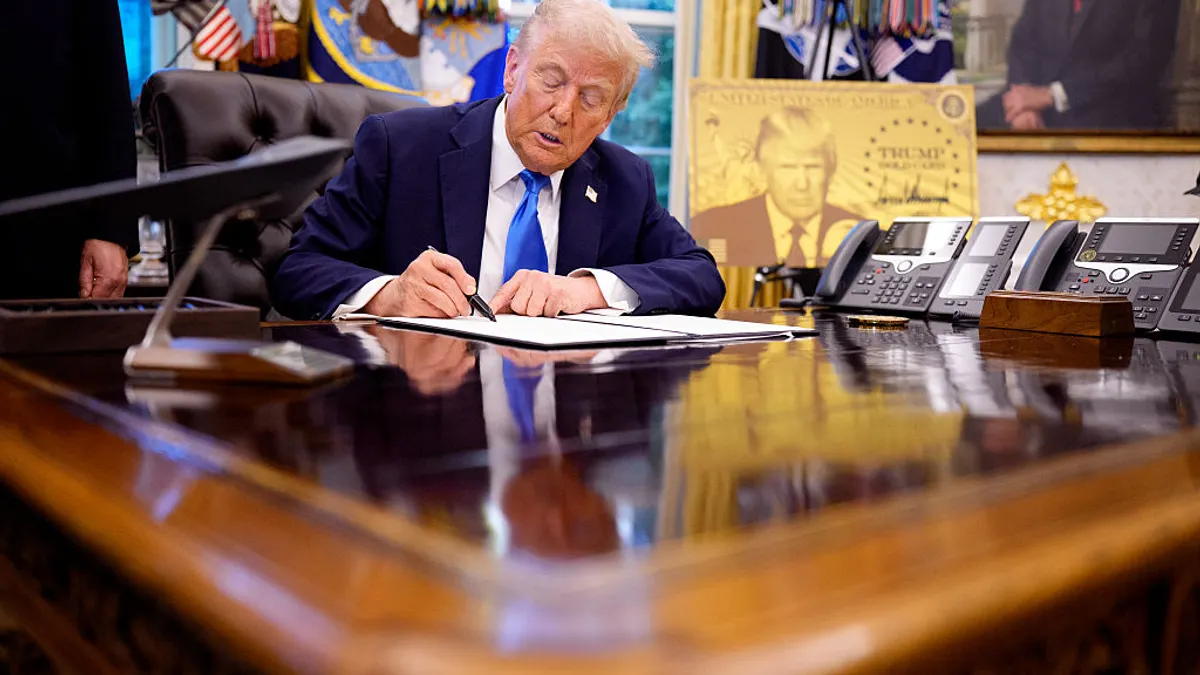
As the year progresses, the ongoing legal battles and the potential for further regulatory adjustments mean that employers must remain vigilant and adaptable. The interplay between immigration policy, economic competitiveness, and the needs of the U.S. labor market will continue to be a central theme, shaping the future of skilled immigration and its impact on American businesses. The events of 2026 underscore the dynamic and often challenging environment faced by organizations striving to leverage global talent within the evolving framework of U.S. immigration law.