
Microsoft has announced the launch of the Hour of AI initiative, a global educational program set to headline Computer Science Education Week (CS Ed Week) 2025. This initiative, developed in partnership with CSforALL and a broad coalition of organizations including Code.org, aims to provide 25 million learners of all ages with the foundational skills necessary to navigate and shape an increasingly AI-driven world. By offering a suite of free, interactive lessons and resources, Microsoft seeks to demystify artificial intelligence and transition students from passive consumers of technology to active creators and problem-solvers.
For decades, the standard for K-12 education was built upon preparing students for a predictable trajectory involving traditional college paths and stable career expectations. However, the rapid emergence of generative AI and machine learning has disrupted this paradigm. The modern workforce is undergoing a transformation that many economists describe as unprecedented, requiring a new set of competencies that blend traditional computer science with AI literacy. The Hour of AI initiative is designed to meet this challenge by making high-level technology accessible through gamified learning and guided exploration.
Background and Context: The Evolution of CS Ed Week
Computer Science Education Week was originally established in 2009 to raise awareness about the importance of computer science at the K-12 level. It was scheduled to coincide with the birthday of Admiral Grace Hopper, a pioneer in the field of computer programming. In 2013, the non-profit organization Code.org launched the "Hour of Code," a campaign that simplified programming concepts into one-hour tutorials. Since its inception, the Hour of Code has reached over a billion students globally, becoming a cornerstone of the academic calendar.
The transition to the Hour of AI in 2025 represents a strategic evolution of this movement. While coding remains a critical skill, the ability to interact with, manage, and ethically deploy AI agents is becoming equally vital. Microsoft’s partnership with CSforALL—a central hub for the computer science education ecosystem—signifies a commitment to ensuring that AI education is not reserved for elite institutions but is made available to underserved communities and diverse learner profiles.

A Chronology of Implementation: Preparing for 2025
The rollout of the Hour of AI follows a structured timeline designed to support educators long before the actual start of CS Ed Week. Throughout 2024, Microsoft has been developing and testing specialized modules across its most popular educational platforms, including Minecraft Education, Microsoft MakeCode, and Visual Studio Code for Education.
- Curriculum Development Phase: Microsoft collaborated with pedagogical experts to ensure that AI concepts—such as algorithms, neural networks, and prompt engineering—were translated into age-appropriate activities.
- Educator Training (Pre-Launch): Through the Microsoft Elevate program, teachers were provided with early access to facilitator training. These resources include step-by-step guides and alignments with international computer science standards.
- Global Localization: To ensure a truly global reach, key activities like the Minecraft "First Night" were translated into 29 different languages, removing the linguistic barriers that often hinder technological adoption in non-English speaking regions.
- CS Ed Week 2025 Execution: The official launch period will see millions of students simultaneously engaging in these tutorials, supported by a network of education nonprofits and school districts.
Core Activities: Bridging Play and Professional Skills
The 2025 Hour of AI curriculum is anchored by three primary activities, each targeting a specific developmental stage and technical proficiency level.
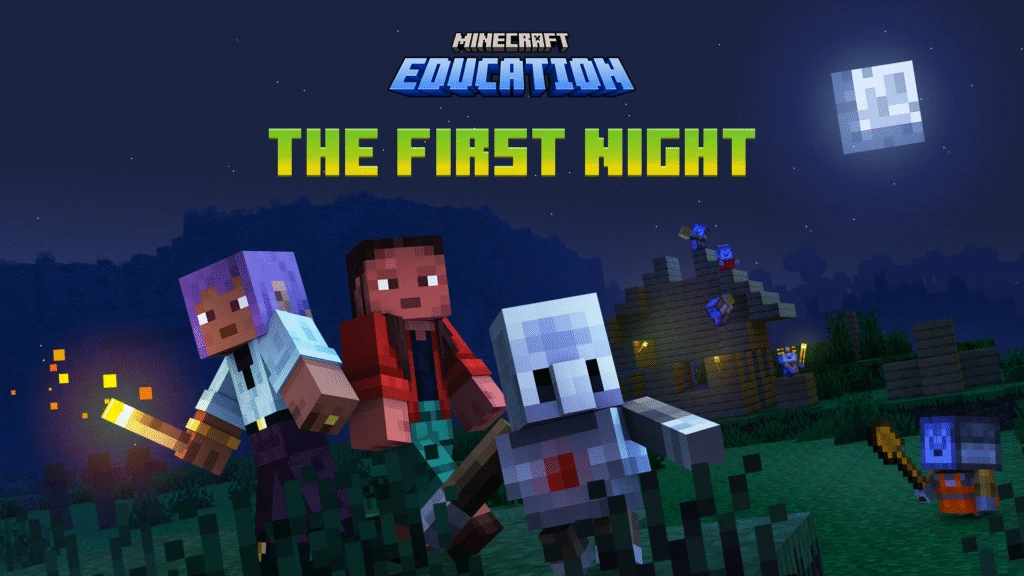
Minecraft Hour of AI: The First Night
Minecraft Education has long been a vehicle for teaching logic and spatial reasoning. In "The First Night," the classic survival gameplay is modified to introduce AI agents. Students are tasked with surviving their first night in the Minecraft world by collaborating with an AI companion. Instead of manually performing every task, students must understand how algorithms function to direct their AI agents to gather resources and construct shelters. This activity emphasizes the concept of "human-in-the-loop" AI, where human oversight is essential to the success of an autonomous agent.
Bug Arena from MakeCode
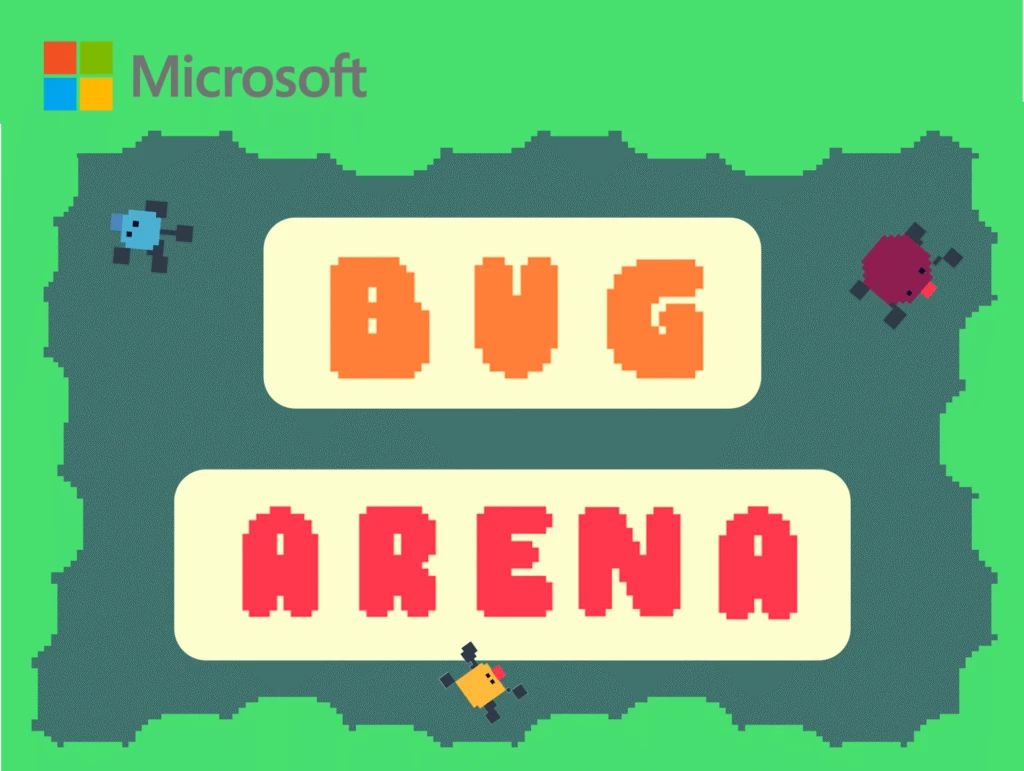
Designed for students in grades 3 through 8, Bug Arena utilizes Microsoft MakeCode, a block-based and JavaScript editor. This activity gamifies the learning process by allowing students to code their own "Bug" with specific behavioral algorithms. These bugs then enter a digital arena to compete against other AI-powered entities. By experimenting with movement and strategy code in real-time, students observe the immediate consequences of their logic, fostering an iterative approach to problem-solving.
Slither Slam from Visual Studio Code for Education
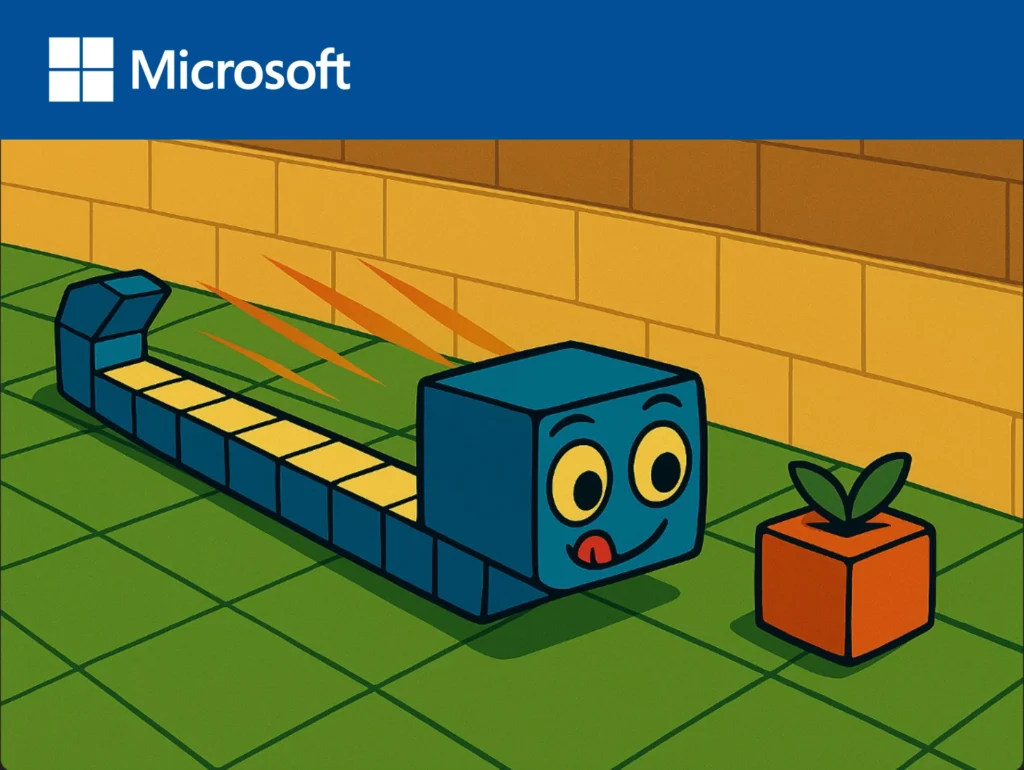
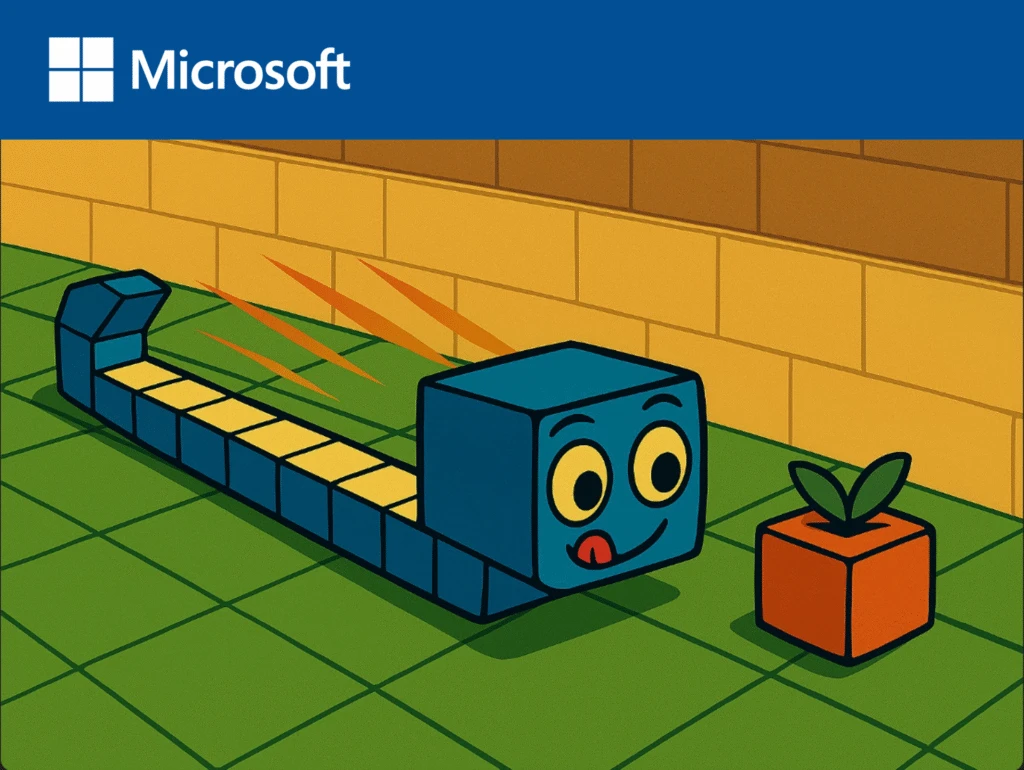
For high school learners (grades 9-12), Microsoft has introduced Slither Slam. This activity moves beyond block-based coding into the realm of professional development tools. Students use natural language prompts to generate code for a classic "Snake" game. This introduces the concept of AI-assisted development and prompt engineering. Learners must figure out how to refine their instructions so the AI interprets them correctly, a skill that is becoming central to software engineering in the private sector.
Supporting Data: The Growing Need for AI Literacy
The push for 25 million learners is supported by a growing body of data regarding the future of the global economy. According to various industry reports, including the World Economic Forum’s Future of Jobs Report, over 75% of companies are looking to adopt AI technologies over the next five years. Furthermore, job postings requiring AI or machine learning skills have seen a significant uptick, yet the talent pool remains limited.
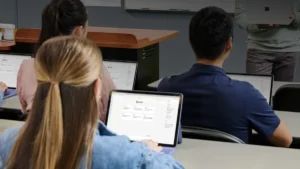
In a recent survey of educators, a majority expressed concern that they do not feel adequately prepared to teach AI concepts. Microsoft’s initiative addresses this gap by providing "classroom-ready" lesson plans that require zero prior experience from the teacher. By lowering the barrier to entry, the program aims to prevent a "digital divide" in AI education, where only students in well-funded districts have access to the latest technological training.
Official Responses and Collaborative Ecosystems
The collaboration between Microsoft, CSforALL, and Code.org has been met with positive reactions from the educational community. Inferred statements from participating organizations suggest a shared belief that AI is the "new literacy."
"The goal of the Hour of AI is to ensure that every student, regardless of their background, understands the mechanics of the technology that will define their careers," noted a representative from the coalition. "It is about moving from being a user of AI to being an architect of AI."
CSforALL has emphasized that the initiative is not just about technical proficiency but also about ethical awareness. The curriculum includes discussions on how AI is shaping the world, encouraging students to think critically about data privacy, bias in algorithms, and the social implications of automation.
Broader Impact and Educational Implications
The implications of the Hour of AI extend far beyond a single week of activities. It marks a fundamental shift in how computer science is categorized within the K-12 system. Historically, computer science was an elective, often focused on syntax and specific programming languages. The Hour of AI suggests a move toward "computational thinking" as a core competency, akin to reading or mathematics.
Furthermore, the initiative highlights the changing nature of software development. As shown in the Slither Slam activity, the role of the programmer is shifting from writing every line of code to "orchestrating" code through AI tools. Teaching students how to use AI responsibly and effectively is now seen as a prerequisite for professional success.
Continuous Learning through Microsoft Elevate
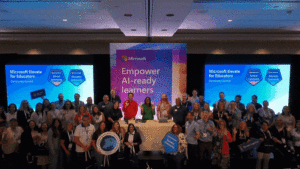
Microsoft has clarified that the Hour of AI is a gateway rather than a destination. To support year-round learning, the company is leveraging Microsoft Elevate, a platform that provides educators with continuous resources, community support, and professional development. This ensures that the momentum generated during CS Ed Week 2025 is sustained throughout the academic year.
Programs under the Elevate umbrella offer advanced certifications for teachers and deeper curriculum integrations for school districts. By providing these tools for free, Microsoft is positioning itself as a central pillar in the global infrastructure of AI education.
Conclusion: Shaping the Future One Hour at a Time
As Computer Science Education Week 2025 approaches, the Hour of AI stands as a significant effort to democratize the most transformative technology of the 21st century. By focusing on curiosity, inclusivity, and hands-on creation, the initiative aims to prepare a generation of learners who are not intimidated by AI, but rather empowered by it.
Through the combined reach of Minecraft, MakeCode, and Visual Studio Code, Microsoft is providing a comprehensive pipeline for AI literacy that spans from early childhood to the brink of professional career entry. As students across the globe participate in these lessons, the goal is clear: to ensure that the future of AI is shaped by a diverse, informed, and skilled global population.