
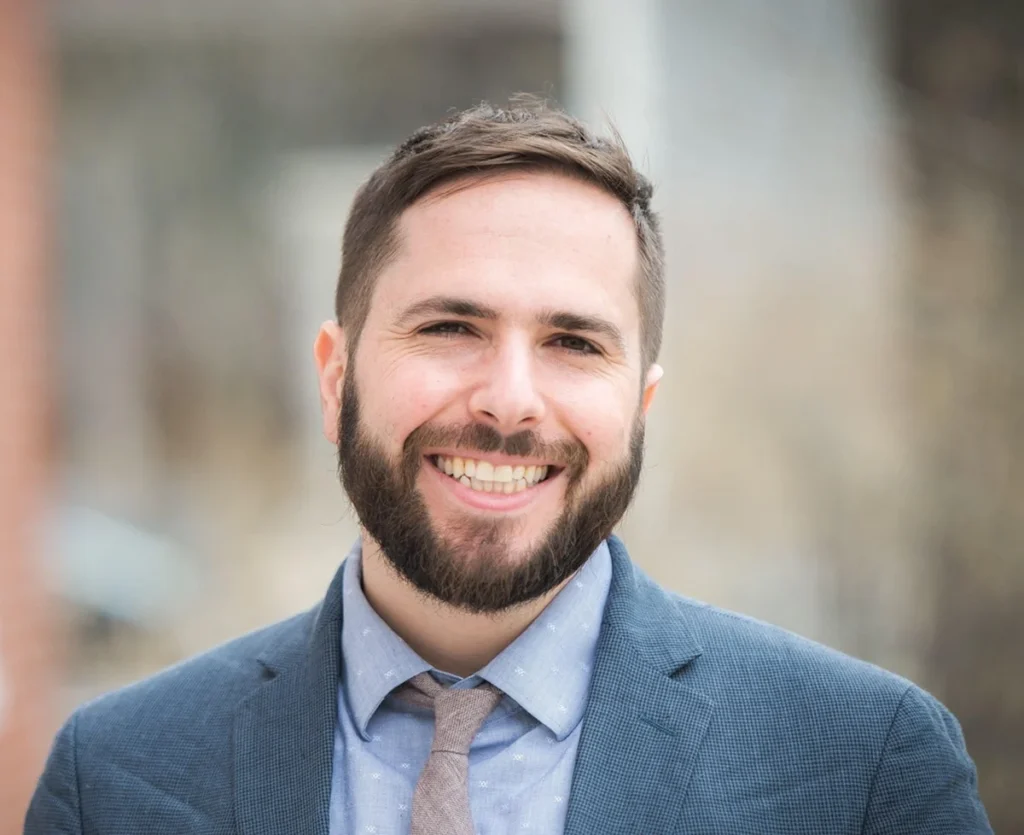


In an era increasingly defined by sharp disagreements and fractured social landscapes, the School for Ethics and Global Leadership (SEGL) has emerged as a beacon, championing a transformative approach to difficult conversations known as "growth discourse." This innovative framework, designed by SEGL founder and Head of School, Noah Bopp, equips high school juniors with the essential skills to navigate contentious topics productively, fostering personal development and societal cohesion in an often-polarized world.
The Contemporary Crisis of Discourse
The modern public sphere, amplified by digital platforms, has become a veritable minefield where differing opinions on anything beyond trivialities can trigger emotional outbursts, severed relationships, and entrenched divisions. This pervasive challenge has profound implications for democratic processes, community building, and individual well-being. Recent analyses underscore a worrying trend: according to a 2022 Pew Research Center study, political polarization in the United States remains at near-record highs, with significant gaps in trust and perception between ideological groups. Furthermore, a 2023 report by the National Association of Secondary School Principals highlighted that nearly 70% of educators believe students lack the skills to engage in respectful dialogue about controversial issues, leading to increased classroom tensions and missed learning opportunities. The inability to bridge these divides effectively has prompted educators and civic leaders alike to seek robust solutions that move beyond superficial civility to genuine understanding and progress.
The Genesis of SEGL and Its Foundational Philosophy
Noah Bopp founded SEGL in 2009 with a clear vision: to cultivate a new generation of ethical leaders prepared to tackle complex global challenges. Located in Washington D.C., SEGL is a semester-long residential program that attracts academically talented and diverse high school juniors from across the United States. The curriculum is meticulously crafted to emphasize ethical thinking skills, leadership development, and a deep understanding of international affairs. Bopp’s motivation stemmed from observing a growing deficit in young people’s capacity to engage constructively with differing viewpoints, a skill he deemed crucial for creating positive change in the world.
From its inception, SEGL recognized that traditional approaches to "civil discourse," while well-intentioned, often fell short. Mere politeness, Bopp observed, could mask deeper disagreements rather than resolve them, or worse, be dismissed as inadequate in moments of perceived moral urgency. This realization catalyzed the development of "growth discourse" – a framework designed not merely for polite conversation, but for rigorous intellectual and emotional engagement that actively promotes personal and collective evolution. The framework has been refined over more than a decade, incorporating feedback from hundreds of students and faculty, and adapting to the ever-changing landscape of global ethics and leadership. Its continuous evolution underscores SEGL’s commitment to dynamic, responsive education.
Deconstructing Growth Discourse: Beyond Mere Civility
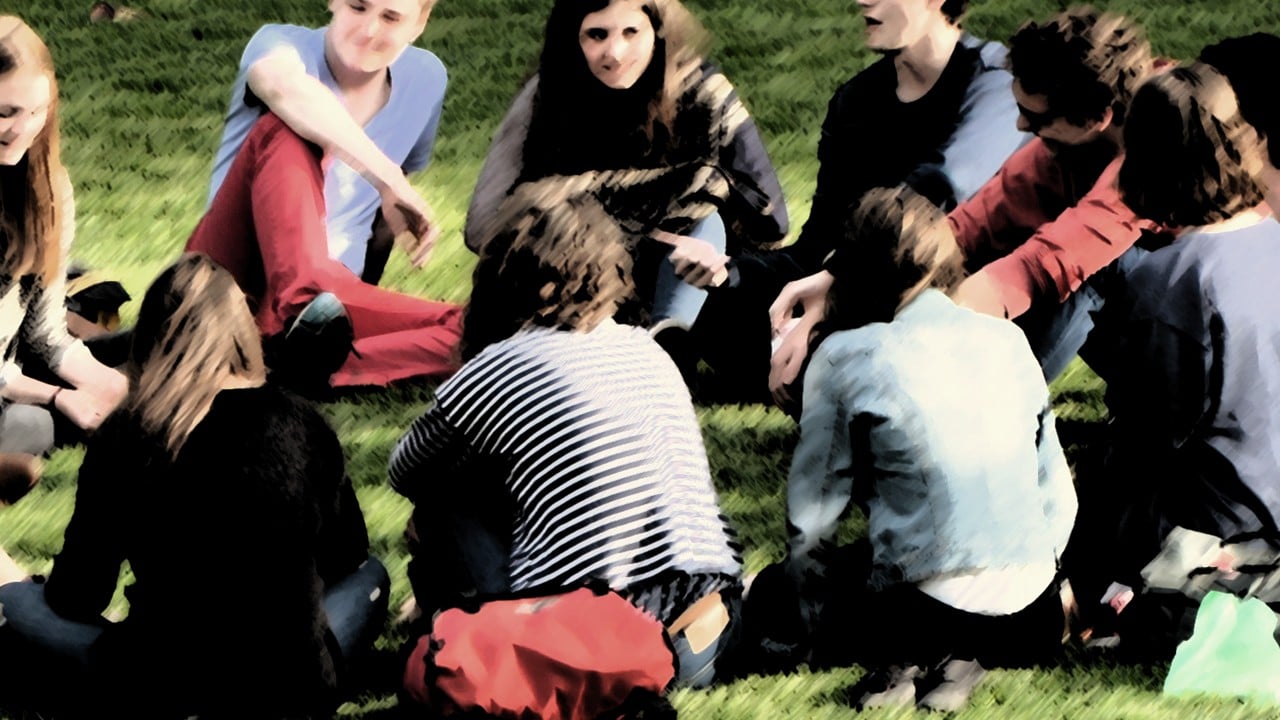
At the heart of SEGL’s approach is the deliberate distinction between "civil discourse" and "growth discourse." Bopp explains that while civil discourse aims to keep interactions polite, growth discourse prioritizes individual and collective learning and transformation. "A lot of people are talking about civil discourse these days," Bopp notes, "But some people are asking, Why do I need to be civil in a time like this? We believe discourse that helps you grow is essential to our meaningful lives and is also central to a functioning civic ensemble." This shift in mindset redefines the purpose of dialogue: for students, the goal is personal and intellectual growth; for teachers, it’s about facilitating conversations that genuinely challenge and expand students’ perspectives. This ethos encourages participants to lean into discomfort, viewing it as a catalyst for deeper understanding rather than a signal to retreat.
Navigating Nuance: Avoiding False Equivalence
A critical aspect of growth discourse is its careful navigation of "bothsidesism," the problematic practice of presenting opposing viewpoints as equally valid, even when one side lacks factual basis or ethical grounding. SEGL firmly asserts its non-partisan but non-neutral stance. "SEGL is nonpartisan. SEGL is not neutral," Bopp clarifies. "We don’t say, ‘The Holocaust, good or bad, you decide,’ right? We don’t say in our science classrooms, ‘Climate change, is that real or not real?’"
Instead, SEGL focuses on equipping students with robust critical thinking skills. When confronted with topics where "reasonable, educated people are disagreeing," the program empowers students to evaluate arguments rigorously, consider diverse perspectives, and then form their own informed opinions. The pedagogical philosophy emphasizes how to think, not what to think. Bopp warns against the pitfalls of prescriptive education: "If we err on the side of teaching students what to think — which is so easy to do — we shortcut the critical thinking process and we make that kid susceptible to the next demagogue who comes along. And there are a lot of demagogues in this world right now." This approach is vital in an information-saturated world where critical discernment is a cornerstone of responsible citizenship.
The Foundational Pillars of Growth Discourse
The growth discourse framework is built upon several interconnected principles designed to create a robust and intellectually honest environment for difficult conversations:
-
Begin with Belonging: Before any challenging dialogue can commence, participants must feel a profound sense of belonging. SEGL achieves this through explicit statements, integrated guidelines, and activities that encourage students to share their identities and histories. Crucially, the program ensures a diverse representation of backgrounds and viewpoints among both students and faculty. Bopp explains the strategic importance: "If we have a really homogenous group of students, it’s very hard for us to address a difficult topic like Trump’s immigration policy, right? Because we’re going to get similar views and some students are going to feel excluded. But if I can set up an environment where I have students who represent many different backgrounds and many different points of view, and I show those students that they all belong here, then I can create an environment where those students are not on edge when we’re having these conversations." This sense of psychological safety is foundational, allowing individuals to engage authentically without fear of alienation.
-
Value Intent and Impact: In sensitive discussions, words can inadvertently cause harm, leading to debates over whether intent or impact holds greater weight. Growth discourse posits that both are crucial. Bopp articulates this delicate balance: "If I use, Oh, I’m so sorry, that wasn’t my intent, as if it’s a get out of jail free card, I probably need to do some reflection on the impact I’m having on others. On the other end of the scale, for me to assign a motive to another human being solely based on what that person made me feel, I am at least being unreflective and incurious." This principle encourages empathy, self-reflection, and accountability, urging participants to consider both the speaker’s motivations and the listener’s experience. It fosters a more mature understanding of communication, moving beyond simplistic blame to mutual responsibility.

-
Avoid Echo Chambers: Human beings naturally gravitate towards those with similar beliefs, a phenomenon exacerbated by social media algorithms. While seeking solidarity is natural, exclusive echo chambers stifle intellectual growth and reinforce existing biases. SEGL actively challenges this tendency. "It makes sense that sometimes you need to go to people with whom you share some things, some ideas, some identity," Bopp acknowledges, "but at SEGL, we go to those conversations not to disengage, but to figure out how do we re-engage." The program encourages students to step outside their comfort zones, actively seeking out and engaging with diverse perspectives as a pathway to deeper understanding and more robust critical thinking. This deliberate effort to confront differing viewpoints is essential for developing intellectual resilience and a nuanced worldview.
The STAR Model for Critical Engagement
Complementing these foundational pillars is the STAR model, a critical thinking framework adapted from Harvard’s Project Zero Thinking Routines, which guides students through a structured process of understanding, judgment, action, and reflection.
-
SEE: This initial phase emphasizes comprehensive understanding before judgment. Students are encouraged to ask: "What can I see? What can I understand before I judge?" This involves seeking out expert opinions, identifying missing voices, and gathering factual information from diverse, credible sources. The goal is to develop a holistic picture of the issue at hand, ensuring that conclusions are based on thorough investigation rather than preconceived notions or superficial engagement.
-
THINK: Once a comprehensive understanding is established, students are challenged to form their own reasoned judgments. "Ultimately, and particularly as a leader, you do have to decide, what do I think about this situation? Is it good? Is it bad? Is it right? Is it wrong?" This stage moves beyond mere information gathering to the synthesis and evaluation of facts and perspectives, leading to an informed personal stance.
-
ACT: A crucial addition by SEGL to the original Project Zero framework, the "ACT" stage translates thought into responsible action. Recognizing that leaders must translate their convictions into tangible change, students are prompted to consider: "Once you decide what you think – as leaders, we have to decide what to do, how to act. We have to decide, do we vote for or do we vote against? Do we cheat on the test? Do we not cheat on the test? Do we lie to protect our friend or do we tell the truth? We have to act in the world." This element instills a sense of agency and responsibility, preparing students to be active participants in shaping their communities and the world.
-
REFLECT: The final stage, "REFLECT," encourages metacognition and continuous improvement. Students review their actions, assess their outcomes, and consider alternative approaches for future situations. "We want to reflect on what we just did. Did we like it? Did we not like it? What was the response that we got? What might we do next time?" The beauty of this model lies in its cyclical nature: the reflection from one situation feeds into the "SEE" phase of the next, creating a continuous loop of learning and refinement. This iterative process is crucial for developing adaptive leadership skills.
Practical Implementation and Broader Application

While SEGL is a specialized residential program, the growth discourse framework is intentionally designed for broader applicability. Noah Bopp offers practical advice for teachers seeking to implement this model in their own classrooms:
- Start Small and Build Trust: Begin with less contentious topics to establish the norms of growth discourse before tackling highly sensitive issues. Building a foundation of trust and shared understanding is paramount.
- Model the Behavior: Educators must embody the principles of growth discourse themselves, demonstrating active listening, intellectual humility, and a willingness to engage with diverse perspectives.
- Provide Clear Guidelines and Structure: Explicitly introduce the growth discourse principles and the STAR model, reinforcing them regularly. Structured activities and clear expectations help students internalize the process.
- Prioritize Psychological Safety: Continuously work to create an inclusive classroom environment where all students feel safe to express their views without fear of ridicule or personal attack, even when their opinions differ from the majority.
The impact of this framework extends far beyond the classroom. SEGL graduates are not only equipped with advanced critical thinking and ethical reasoning skills but also with the emotional intelligence and resilience needed to lead effectively in diverse settings. Anecdotal evidence from alumni suggests they are better prepared for college-level debates, professional collaborations, and civic engagement, demonstrating an enhanced capacity to navigate complex social and political landscapes with nuance and conviction. This pedagogical model contributes directly to the development of citizens capable of strengthening democratic institutions and fostering a more cohesive society.
A Vision for a More Cohesive Future
When asked about his optimism regarding humanity’s ability to overcome intense division, Bopp’s answer is an unequivocal "yes." He draws upon Plato’s Republic: "Education is not about putting sight into blind eyes." Bopp elaborates on this profound insight: "The effective educator assumes that the power to learn is already present in the soul of the learner. And that means the goal of the educator is to give the learner places to look and questions to ask."
This philosophical bedrock underpins the entire growth discourse model. Bopp expresses immense faith that by exposing students to the world’s challenges ("places to look") and providing them with ethical questions ("questions to ask" that transcend culture, time, and language), "the goodness that is already present in the learner will be uncovered." This fundamental belief in human potential and inherent goodness, while perhaps appearing naive to some, serves as a powerful motivator for Bopp and his team. It fuels their commitment to nurturing ethical leaders who can bridge divides, foster understanding, and ultimately contribute to a more just and harmonious world. The widespread adoption of such frameworks could indeed represent a crucial step towards rebuilding trust and productive dialogue in a fractured global community.
For educators and institutions interested in exploring the growth discourse framework further, the SEGL faculty actively encourages engagement. Support and resources are available through their website or by directly contacting Noah Bopp at [email protected]. Additionally, the podcast interview with Noah Bopp, including its full transcript, offers a deeper dive into the model’s practical application and foundational philosophy.