


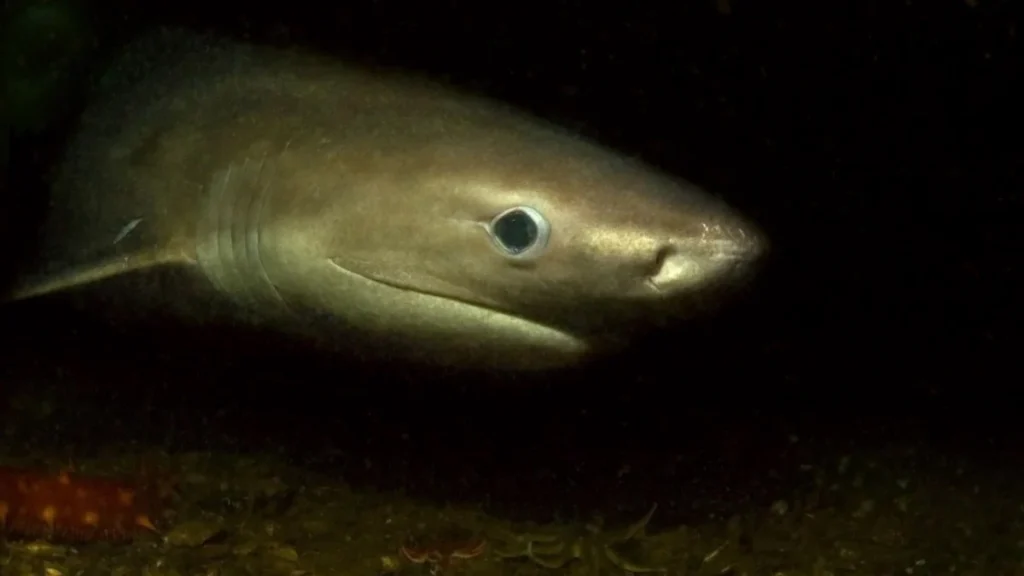
The bluntnose sixgill shark (Hexanchus griseus) represents one of the most enigmatic predators of the deep ocean, a lineage that has remained largely unchanged since before the rise of the dinosaurs. While most modern shark species possess five gill slits on either side of their heads, the sixgill retains a primitive anatomical structure that harkens back to the Paleozoic era. These massive fish, which can grow up to 16 feet in length and weigh over 1,000 pounds, typically inhabit the "midnight zone" of the world’s oceans, dwelling at depths of nearly 10,000 feet. However, a unique biological phenomenon in Washington State’s Puget Sound has provided marine biologists with a rare window into the lives of these ancient giants.
Researchers at the Seattle Aquarium have recently launched a comprehensive research initiative to investigate the behavior, migration, and reproductive habits of the sixgill sharks that frequent the Salish Sea. This population is an anomaly in the world of marine biology; while the species is globally distributed in tropical and temperate waters, they are rarely found in shallow coastal environments. In the Puget Sound, however, these sharks have been documented in water as shallow as 20 feet. This accessibility has turned the region into a critical laboratory for understanding a species that is otherwise nearly impossible to study in its natural habitat.
Evolutionary History and Biological Significance
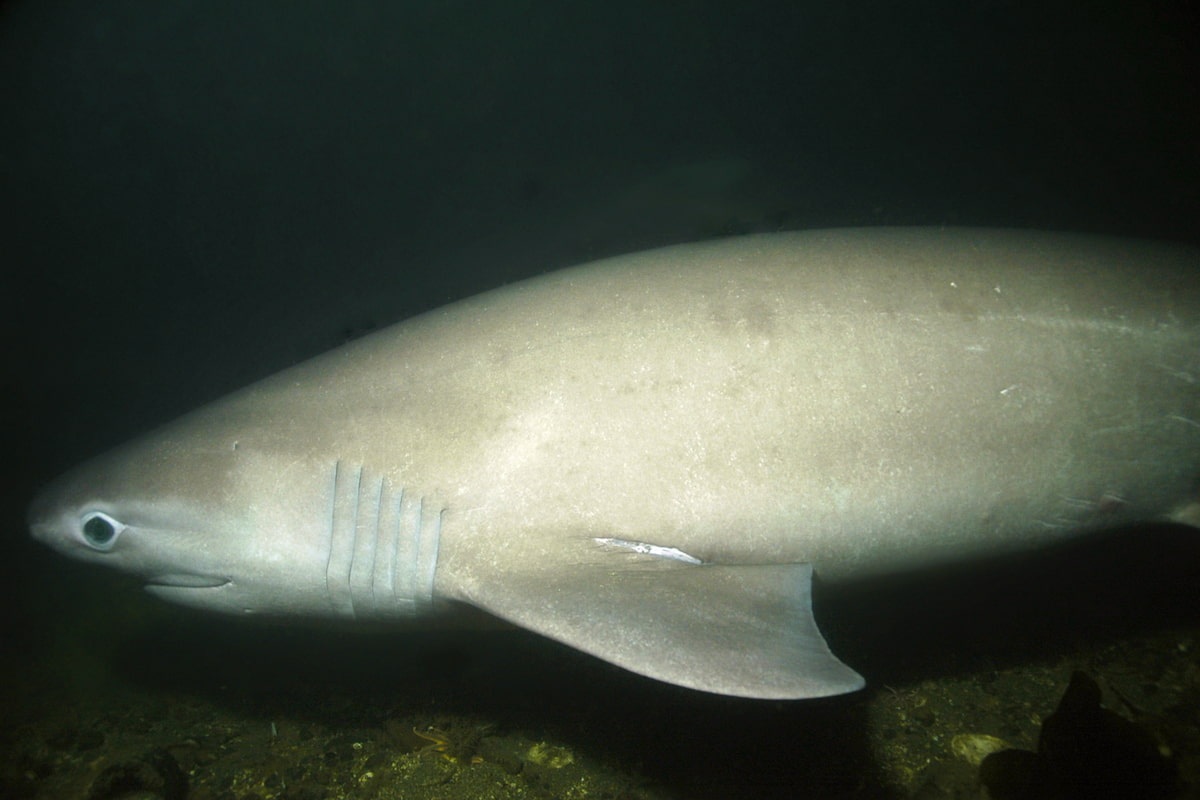
The Hexanchus griseus is often referred to as a "living fossil." Its ancestry predates the Tethys Ocean and the breakup of Pangaea, meaning these sharks survived the Permian-Triassic extinction event—the most devastating mass extinction in Earth’s history—as well as the event that wiped out the non-avian dinosaurs. Their most striking feature, the six pairs of long gill slits, is a primitive trait; most evolved sharks have transitioned to five gills to optimize oxygen intake and hydrodynamic efficiency.
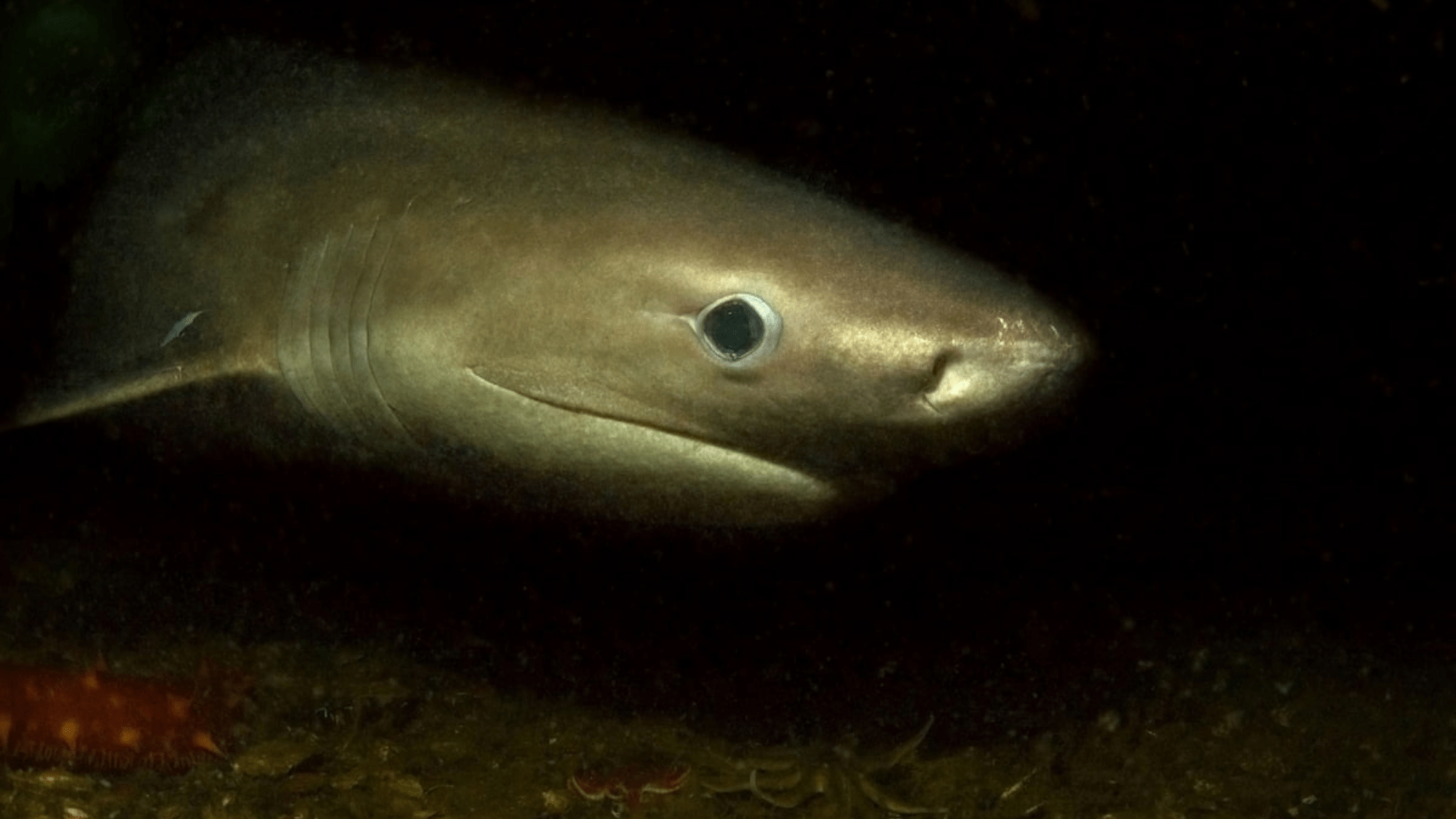
Beyond their gills, sixgills are distinguished by their single dorsal fin located far back on the body, near the tail, and their glowing, emerald-green eyes. These eyes are highly specialized for detecting bioluminescence and the faint traces of light available in the deep-sea environments they usually call home. Because they favor low-light conditions, they are highly sensitive to solar radiation, which typically keeps them in the abyss during daylight hours.
The presence of such an ancient apex predator in the relatively confined waters of the Puget Sound is of significant ecological interest. The Sound serves as a unique microcosm where the deep-sea environment meets the coastal shelf, creating a deep-water refuge that allows these sharks to thrive far from the open ocean.
The Puget Sound Nursery and Birthing Site Fidelity
One of the most significant breakthroughs in recent Seattle Aquarium research is the confirmation of birthing site fidelity among female sixgill sharks. Marine biologists believe that adult females enter the Salish Sea specifically to give birth, a process that may occur only once every few years due to the long gestation periods typical of large sharks.
Data suggests that these females return to the same locations within the Sound repeatedly to deliver their young. Once born, the pups—which are roughly 24 to 28 inches long—utilize the Puget Sound as a nursery. This environment provides a combination of abundant prey and protection from the larger predators found in the open Pacific.
The movement patterns of these juveniles are highly structured. Research indicates that young sixgills spend the summer and autumn months in the southern reaches of the Salish Sea, migrating northward during the winter and spring. Their daily behavior is characterized by vertical migrations: they ascend into shallower waters at dusk to hunt and retreat to the darker, deeper basins at dawn. Despite their size, they are relatively slow-moving, typically traveling less than two miles per day. Scientists believe this cycle continues for several years until the sharks reach a certain level of maturity, at which point they depart the Sound for the deeper waters of the continental shelf.
Methodology of the 2025 Research Initiative
To unlock the secrets of this elusive population, the Seattle Aquarium has organized a rigorous field study running from May through September. The research team, comprising veterinarians, marine biologists, and technicians, visits three distinct locations within the Puget Sound on a monthly basis.
The process of studying a 14-foot predator requires a combination of high-tech equipment and precise animal handling. When a shark is located, the team uses a custom-designed "cradle" to bring the animal to the surface safely. To ensure the shark remains calm and minimizes stress, researchers often employ a technique known as tonic immobility. By carefully flipping the shark upside down, they trigger a natural trance-like state. Throughout this procedure, the team prioritizes the shark’s respiratory health, ensuring that water continues to flow over all six pairs of gills.
The examination is a race against time. In a window of just five to ten minutes, the team performs a series of critical tasks:
- Morphometric Measurements: Recording the total length and girth to track growth rates.
- Tissue Sampling: Collecting small biopsies for genetic analysis and stable isotope studies, which reveal the shark’s long-term diet.
- Photographic Identification: Documenting unique markings for a regional database.
- Tag Deployment: Attaching sophisticated wearable tags that track depth, temperature, and acceleration.
These tags are designed to eventually detach and float to the surface, where they transmit data via satellite. This information allows researchers to reconstruct the shark’s movements in three-dimensional space, providing insights into how they interact with the complex underwater topography of the Puget Sound.
Inter-Agency Collaboration and Conservation Goals
The study of the bluntnose sixgill is not a solitary effort. The Seattle Aquarium is collaborating with a network of scientific institutions, including the Washington Department of Fish & Wildlife (WDFW), the Big Fish Lab at Oregon State University, and the Point Defiance Zoo & Aquarium. This multi-agency approach allows for a broader sharing of data and expertise, ensuring that the findings contribute to a comprehensive understanding of the species across the Northeast Pacific.
Dani Escontrela, a lead researcher at the Seattle Aquarium, emphasized that animal welfare is the cornerstone of the project. The goal is to fill the massive gaps in the life history of the sixgill while ensuring the local population remains undisturbed. By understanding the growth rates and prey preferences of these sharks, the scientific community can better assess the health of the entire Salish Sea ecosystem, as apex predators are often the first to show signs of environmental distress.

Broader Implications and Environmental Analysis
The research carries significant implications for marine conservation. The IUCN Red List currently classifies the bluntnose sixgill shark as "Near Threatened." Because they are long-lived, slow-growing, and have late maturity, they are particularly vulnerable to overfishing and habitat degradation. In the past, sixgills were targeted for their liver oil, and although commercial fishing for the species has largely ceased in North American waters, they are still frequently caught as bycatch in deep-sea trawling operations.
Furthermore, the Puget Sound population faces unique anthropogenic pressures. As an urbanized waterway, the Sound is subject to chemical runoff, heavy vessel traffic, and noise pollution. Because sixgills are apex predators, they are susceptible to bioaccumulation—the buildup of toxins like PCBs and heavy metals through the food chain. The tissue samples collected by the Seattle Aquarium will provide vital data on the contaminant loads carried by these sharks, offering a glimpse into the chemical health of the deeper reaches of the Sound.
Climate change also poses a potential threat. As ocean temperatures rise and oxygen minimum zones expand, the vertical migration patterns of deep-sea species may be altered. Understanding the current baseline behavior of the sixgill is essential for predicting how they will adapt to a changing marine climate.
Conclusion: Protecting an Ancient Legacy
The ongoing research into the sixgill sharks of Puget Sound is more than a biological survey; it is an effort to understand one of the last great mysteries of the deep. For a species that has survived multiple mass extinctions, the sixgill now faces a world rapidly reshaped by human activity.
The data gathered by the Seattle Aquarium over the coming months will provide the foundation for future management strategies, ensuring that the Salish Sea remains a safe haven for these ancient mariners. As the research team continues its monthly expeditions into the deep basins of the Sound, each tagged shark brings the scientific community one step closer to understanding the life cycle of a predator that has patrolled the shadows of the ocean for over 200 million years. Through rigorous science and collaborative conservation, the mystery of the sixgill is slowly being brought into the light.