



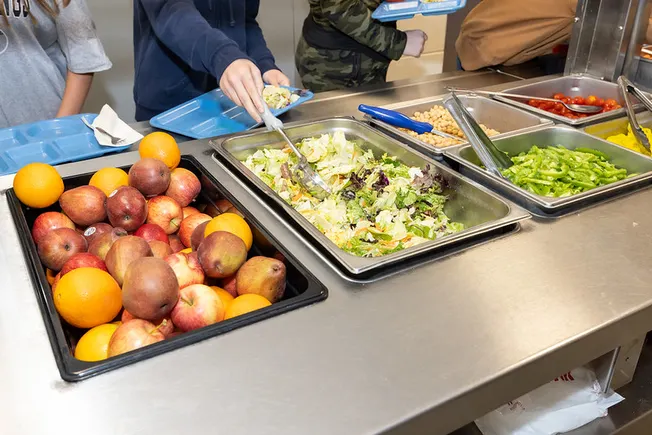
Educators nationwide are transforming kitchens and cafeterias into dynamic science labs, leveraging the universal appeal of food to engage students from elementary to high school. This innovative approach moves beyond textbook theory, offering tangible, hands-on experiences that connect scientific principles to everyday life, particularly through the lens of nutrition, agriculture, and culinary arts. From meal planning in school cafeterias to cultivating produce in on-campus greenhouses, these initiatives aim to foster not only scientific literacy but also healthier eating habits and an appreciation for the food system.
The Culinary Classroom: St. James Public Schools Integrates Foodservice into Curriculum
In the heart of southwest Minnesota, St. James Public Schools has pioneered a unique program where health teacher Steve Chapin collaborates closely with the district’s foodservice provider. The Tenth Grade Chefs program immerses students in the practical application of nutrition science by tasking them with planning and preparing meals that are ultimately served in the school cafeteria. This initiative, which has been gaining traction over the past several years, provides students with a direct understanding of how dietary choices impact their well-being.
"We’re giving kids the opportunity to plan and prepare nutritious, healthy, intelligent meals," Chapin stated. His curriculum delves into the complexities of macronutrients and micronutrients, illustrating how their presence or absence directly affects energy levels essential for academic focus, athletic performance, and overall daily functioning. A key component of this program involves a representative from the district’s foodservice department, who educates students on the stringent guidelines set forth by the U.S. Department of Agriculture’s National School Lunch Program. These guidelines dictate specific parameters for fat, sodium, and carbohydrate content in school meals, underscoring the federal commitment to student health.
The program’s impact is multifaceted. Students learn to translate nutritional knowledge into practical meal designs, often drawing inspiration from traditional recipes within their predominantly Hispanic community. They meticulously analyze how their proposed meals align with nutrient requirements and adhere to budgetary constraints. The district’s internal foodservice director plays a crucial role, often suggesting substitutions with commodity items – foods purchased in bulk by the government – which students then adapt their plans around.
Between December and February of the current academic year, students in Chapin’s program meticulously prepared and cooked 23 distinct meals. Working in teams of five, they reported to the cafeteria by 8 a.m. to receive hands-on instruction and crucial safety guidance from the foodservice staff. This immersive experience allows students to directly engage with the realities of food preparation on a larger scale, fostering teamwork and problem-solving skills. Chapin expressed profound gratitude for the expertise and dedication of the foodservice team. "We’re super-fortunate to have an incredible, knowledgeable foodservice staff," he remarked. "They are genuinely excited to have our kids come in and work with them."
For eighth graders, Chapin adapts the curriculum to focus on the critical issues of sugar and salt intake. Students are challenged to create a healthy snack that would be suitable for sharing with classmates, with the vital stipulation that it must be free of common allergens. Following this, they are tasked with preparing a complete meal for their families at home, reinforcing the idea that healthy eating is not confined to the school environment. "It doesn’t have to be complicated," Chapin emphasized. "I just want them to learn how to be a kitchen and learn how to make homemade food." This emphasis on fundamental culinary skills aims to empower students with lifelong tools for healthy living.
Cultivating Knowledge: AgWorks Program at Commonwealth Charter Academy
In Pennsylvania, the Commonwealth Charter Academy (CCA), a predominantly virtual public cyber charter school, offers a unique hands-on learning experience through its AgWorks program. For the past eight years, the program has utilized an indoor greenhouse on the school’s Harrisburg campus, providing students with a direct connection to agricultural science. Lindsay Coulter, the program coordinator, explained that students engage with a wide spectrum of agricultural practices, from the simple act of planting strawberry seeds to the more complex process of raising tilapia for consumption.
"Agriculture is such an important career in Pennsylvania. We bring any exposure we can," Coulter stated, highlighting the program’s relevance to the state’s agricultural economy. This exposure extends across various grade levels, offering tailored learning experiences. Kindergarten through third graders participate in a club where they learn the fundamentals of planting a variety of crops, including strawberries and tomatoes.
Middle school students delve deeper into the science of plant nutrition, exploring vitamins and minerals. A recent notable project involved a "moon soil" experiment, where students successfully cultivated pepper and mustard seeds in a simulated lunar environment, a testament to the program’s innovative approach to scientific inquiry. This experiment, which drew inspiration from NASA’s extraterrestrial agriculture research, allowed students to explore the challenges of growing food in extreme conditions, a concept with implications for future space exploration and sustainable agriculture on Earth.
For high school students, the AgWorks program tackles more advanced ecological concepts, focusing on the nitrogen, phosphorus, and carbon cycles – all fundamental to understanding ecosystem health. These cycles are readily demonstrated through the school’s aquaponic system, a sustainable method of raising fish and plants together. "We’re bringing in environmental science, showing them catfish and American eels, talking about conservation and how people fish," Coulter elaborated. "Tilapia is a big source of food, and it’s invasive to Pennsylvania, so we can talk about the pros and cons of fishing for them in the environment versus producing our own." This dual approach fosters an understanding of ecological balance, food security, and responsible resource management. The program’s integration of diverse scientific disciplines, from biology and chemistry to environmental science and economics, provides a holistic view of the food system.
The Science of Sustenance: Nutrition Education at Clayton High School
In the St. Louis suburbs, Sarah Gietschier-Hartman, a health teacher at Clayton High School, recognized a pervasive issue among her students: persistent hunger and its detrimental effects on their focus and energy levels. This observation, shared by the school’s nurses, theater teacher, and athletic coaches, prompted a collaborative effort to develop a targeted nutrition lesson. The outcome was a comprehensive curriculum focused specifically on the nutritional needs of teenagers.
"We collaborated to create a lesson on the benefits of balanced nutrition for teens, and how it makes us feel better and prevent crashes," Gietschier-Hartman explained. The lesson, launched in the fall of the previous academic year, uses an interactive worksheet and focuses on the fundamental roles of carbohydrates, protein, and fats in a teen’s diet. Students are then tasked with designing "performance plates" – meals they find both enjoyable and nutritionally beneficial, catering to their individual needs and preferences.
The impetus for this lesson arose from direct observations. School nurses noted that many student visits to their office were primarily for a snack, indicating a fundamental need for sustained energy. The field hockey and lacrosse coach reported athletes frequently experiencing energy depletion by halftime, impacting their performance. Similarly, the theater teacher observed that actors struggled with memorization, a cognitive function heavily influenced by adequate nutrition.
Gietschier-Hartman, a recipient of the 2018 SHAPE America Teacher of the Year award, emphasizes the accessibility and practicality of the information presented. "It’s a way to teach them easy information that would help them build easy meals and realistic snacks, and include everybody in the room," she said. The interactive nature of the lessons encourages active participation, allowing students to apply learned concepts immediately. "The students have been pretty receptive to it," Gietschier-Hartman observed. "If we give them the opportunity to make these decisions on their own, they do a great job of it." This student-centered approach fosters a sense of agency and responsibility, empowering them to make informed dietary choices.
Broader Implications and Future Directions
The widespread adoption of food-based science education signifies a critical shift in pedagogical approaches. By integrating science into familiar contexts like school lunches and agricultural projects, educators are making abstract concepts relatable and engaging. This hands-on methodology not only deepens students’ understanding of scientific principles but also equips them with practical life skills.
The connection between nutrition and academic performance is well-documented. Studies have shown that adequate intake of essential nutrients can improve cognitive function, memory, and attention span. Initiatives like those at St. James and Clayton High Schools directly address this, aiming to enhance student success by promoting healthier eating habits. Furthermore, understanding the nutritional content of food can empower students to make informed choices about their well-being, potentially reducing the incidence of diet-related health issues later in life.
The agricultural education programs, such as the one at Commonwealth Charter Academy, are cultivating a new generation of informed citizens who understand the complexities of food production, sustainability, and environmental stewardship. In an era of increasing awareness about climate change and food security, these programs are vital for fostering responsible agricultural practices and innovative solutions. The exploration of topics like invasive species and the pros and cons of different food sources encourages critical thinking about our relationship with the environment and the global food system.
These educational models also highlight the importance of community partnerships. The collaboration between teachers, foodservice staff, and external organizations demonstrates a holistic approach to student development. By bridging the gap between the classroom and real-world applications, these programs ensure that students receive a well-rounded education that prepares them for future academic pursuits and contributes to their overall health and well-being. As these innovative programs continue to expand and evolve, they hold the promise of creating a more scientifically literate, health-conscious, and food-aware generation.