



The education sector is increasingly recognizing the profound contributions and unique challenges faced by neurodivergent educators, individuals whose brains process information differently due to conditions such as ADHD, autism spectrum disorder, dyslexia, and dyscalculia. While these teachers often bring unparalleled creativity, empathy, and innovative problem-solving to the classroom, they frequently operate within institutional structures that were not designed to accommodate their distinct cognitive profiles, leading to significant personal and professional hurdles. This growing awareness necessitates a systemic shift, moving beyond individual coping mechanisms to create genuinely inclusive school environments that value and leverage neurodiversity.
The Evolving Landscape of Neurodiversity Recognition
For decades, conversations surrounding neurodiversity were limited, often focusing on children and primarily identifying hyperactive boys with ADHD or individuals with more pronounced presentations of autism. This historical context has led to a "lost generation" of educators, typically in their 30s, 40s, and 50s, who navigated their formative years and early careers without the language or understanding to describe their internal experiences. Many were high achievers whose struggles with executive functioning, sensory processing, or social communication were internalized as personal failings rather than manifestations of a different neurological wiring.

The shift in diagnostic criteria and public discourse, particularly propelled by increased research and online communities in recent years, has enabled many adults to connect the dots. The realization often occurs after a child receives a diagnosis, prompting self-reflection, or through exposure to shared experiences on social media and podcasts. This newfound understanding brings both immense relief – finally having a framework for lifelong patterns of overwhelm, inconsistency, or intense focus – and a profound sense of grief for the decades spent self-blaming and struggling in silence. This reinterpretation of personal history can be profoundly liberating, reshaping how educators perceive their past, present work, and future potential. However, it also highlights the stark reality that existing educational systems largely remain unadapted to these diverse neurological needs.
The Unique Contributions of Neurodivergent Educators
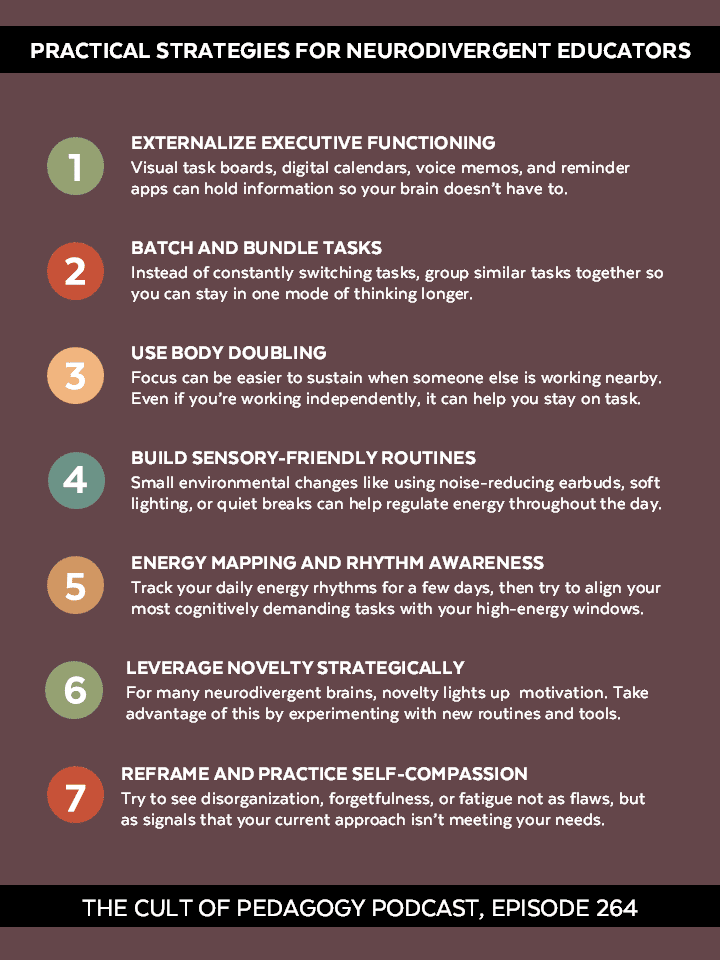
Far from being a deficit, neurodiversity often equips teachers with distinctive strengths that significantly enrich the learning environment. These educators frequently possess heightened empathy, having personally navigated learning differences or felt like outsiders, which allows them to connect deeply with students who might also be struggling. Their classrooms often become havens of acceptance, where diverse learning styles are not just tolerated but celebrated.
Moreover, neurodivergent teachers are often exceptional problem-solvers and innovators. Conditions like ADHD can foster "hyperfocus" on areas of passion, leading to deeply engaging and creative lesson designs. Autistic teachers might bring an unparalleled attention to detail, structured thinking, and a unique ability to break down complex concepts into manageable parts. Dyslexic teachers, having overcome their own literacy challenges, often develop inventive multi-sensory approaches to teaching reading and writing. These educators are adept at thinking outside the box, challenging conventional methods, and designing flexible pedagogical strategies that benefit a wide spectrum of students, not just those with identified learning needs. Their authentic presence models resilience, self-awareness, and the understanding that there isn’t a singular "right" way to learn or teach, fostering a more inclusive and dynamic educational culture.
Systemic Barriers and the Demands of the Classroom
Despite these invaluable strengths, the traditional structure of schools can inadvertently become a significant source of attrition for neurodivergent teachers. The profession demands an extraordinary level of executive functioning – planning hundreds of lessons, managing complex schedules, tracking student progress, grading mountains of assignments, and responding to constant communication. For individuals with ADHD, these tasks can trigger chronic overwhelm, leading to burnout and a feeling of inadequacy. The constant need for rapid task-switching, from teaching to administrative duties to student support, can be particularly draining for brains that thrive on deep, sustained focus.
Sensory environments within schools also pose significant challenges. Fluorescent lighting, incessant noise, crowded hallways, and unpredictable interruptions can lead to sensory overload for autistic teachers or those with sensory processing sensitivities, contributing to exhaustion and stress. Social demands, including extensive staff meetings, parent conferences, and navigating complex interpersonal dynamics, can be taxing for individuals who experience social interactions differently. The expectation of perpetual "on" performance, coupled with a culture that often equates composure with competence, pressures many neurodivergent teachers to mask their authentic selves, further depleting their energy and obscuring their needs. Research on teacher retention consistently points to workload and stress as primary drivers of educators leaving the profession; for neurodivergent individuals, these factors are often compounded by systemic friction, making their roles disproportionately unsustainable.
Empowering Strategies for Neurodivergent Teachers
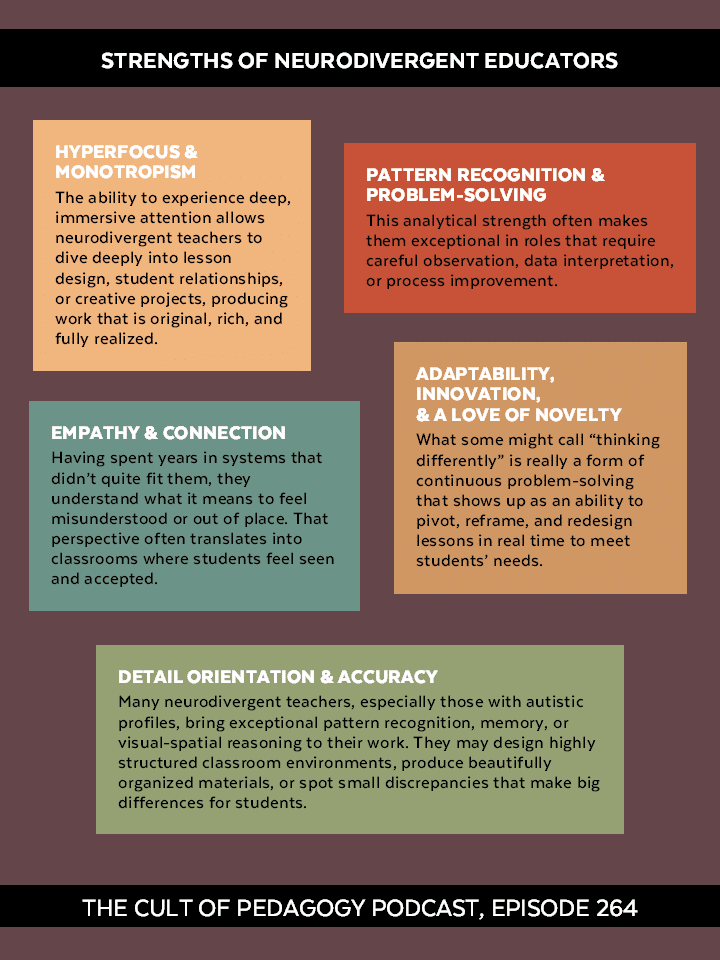
While advocating for systemic change is paramount, individual neurodivergent educators can implement a range of strategies to manage their energy and optimize their workflow. Externalizing executive functioning is crucial: utilizing visual planners, digital calendars, reminder apps, and voice memos can offload mental burden, allowing the brain to focus on core teaching tasks. Batching similar tasks, such as dedicating specific blocks of time solely to grading or lesson planning, minimizes cognitive "gear-shifting" and enhances focus.
The concept of "body doubling," working alongside a colleague, even silently, can significantly improve focus and accountability for tasks like grading or paperwork. Creating sensory-friendly micro-routines, such as using noise-canceling headphones during prep time, adjusting classroom lighting with lamps, or taking short, intentional movement breaks, can help regulate energy throughout the day. Energy mapping – identifying peak productivity times – allows educators to schedule cognitively demanding tasks when their focus is naturally highest. Leveraging novelty by occasionally experimenting with new teaching methods or classroom layouts can re-engage motivation, while practicing self-compassion helps reframe challenges as signals for adaptation rather than personal failure. These strategies are not about working harder, but about working smarter and more sustainably within one’s neurological framework.
The Role of Schools and Administrators in Fostering Inclusion
True support for neurodivergent educators requires a proactive and empathetic approach from school leadership and the wider educational community. This means moving beyond a reactive, accommodation-based model to one of universal design for staff. Implementing flexible scheduling options, where feasible, could allow teachers to optimize their work patterns. Providing clearer, more concise communication protocols and reducing unnecessary meetings can alleviate executive functioning strain.
Creating sensory-friendly spaces, such as quiet staff rooms or adjustable lighting in classrooms, benefits all staff. Offering professional development on neurodiversity, for both neurodivergent and neurotypical staff, fosters a culture of understanding and reduces stigma. Establishing peer support networks can provide a safe space for neurodivergent teachers to share strategies and feel less isolated. Furthermore, administrators can champion a culture that values diverse working styles, explicitly communicating that professionalism does not equate to a singular, neuronormative approach to organization or communication. Educational organizations, such as the National Education Association, increasingly advocate for inclusive practices, recognizing that supporting teacher well-being, including neurodivergent needs, is critical for addressing teacher shortages and improving educational outcomes.
Implications for Educational Policy and Future Workforce
The intentional support of neurodivergent educators extends far beyond individual well-being; it has profound implications for the entire education ecosystem. By creating environments where neurodivergent teachers can thrive, schools are better positioned to retain experienced and innovative talent, directly addressing the widespread teacher retention crisis. Moreover, these inclusive practices model vital lessons for students. When students see adults openly employing visual schedules, taking sensory breaks, or discussing their unique learning processes, it normalizes neurodiversity. It teaches them that difference is a strength, that seeking support is not a weakness, and that there are multiple pathways to success. This fosters a more accepting and understanding classroom culture, benefiting neurodivergent students and preparing all students for a diverse world.
At a policy level, integrating neurodiversity into broader equity, diversity, and inclusion initiatives within education is crucial. This involves reviewing hiring practices, performance evaluation criteria, and professional development offerings to ensure they are equitable and accessible. The economic benefits of retaining diverse talent are substantial, reducing recruitment costs and enriching the intellectual capital within schools. As society increasingly recognizes and values neurodiversity, educational institutions have a critical opportunity to lead by example, building a workforce that reflects the cognitive diversity of their student populations and the broader world. Ultimately, creating schools that are designed for flexibility, clarity, and belonging not only empowers neurodivergent educators but also cultivates a more resilient, innovative, and truly inclusive learning environment for every teacher and student.