


The survival of a wild bobcat in Pennsylvania has become a testament to the resilience of nature and the profound impact of community-driven wildlife conservation. Following a harrowing incident in March, where a female bobcat was struck by a vehicle and became lodged in the car’s front grill, the animal has defied medical odds. Her journey from the brink of death to a state-of-the-art rehabilitation enclosure involves a series of high-stakes surgeries, a fortuitous connection in the construction industry, and a timely legacy gift that ensured her continued care. This case highlights not only the technical challenges of wildlife medicine but also the critical role of specialized rehabilitation centers in maintaining regional biodiversity.
The Incident: A High-Speed Collision and a Rare Rescue
The ordeal began on a Sunday in March when a motorist in rural Pennsylvania struck a wild bobcat (Lynx rufus). In a freak occurrence, the impact did not immediately kill the animal; instead, the feline was swept under the vehicle and became pinned within the plastic and metal of the car’s front grill. The driver, realizing an animal was trapped, contacted local authorities and the Raven Ridge Wildlife Center.
Upon arrival at the center, the situation was dire. The bobcat was in shock, suffering from significant trauma, and trapped in a manner that made extraction difficult without causing further injury. Complicating matters was the timing: it was a Sunday, and most regional veterinary surgical suites were closed. Tracie Young, the Director of Raven Ridge Wildlife Center, faced an immediate crisis of logistics and medical urgency.
The breakthrough came through a mobile X-ray unit brought in by two acquaintances of the center. The imaging revealed the extent of the internal damage: the bobcat had suffered two broken legs. While such injuries are often catastrophic for wild predators, the X-rays showed "clean breaks," which presented a narrow window for surgical intervention.
Emergency Surgery and the Stabilization Period
The decision to operate on a wild bobcat is fraught with risk. Unlike domestic cats, wild felines experience extreme stress in captivity, which can lead to capture myopathy—a physiological state where stress-induced muscle damage causes organ failure. However, without surgery, the animal would have faced permanent disability or euthanasia.
On the Monday morning following the accident, a team of two surgeons performed a synchronous operation, working simultaneously on the bobcat’s fractured limbs to minimize the time the animal spent under anesthesia. The procedure was a success. In the weeks following the surgery, the bobcat was kept in a highly controlled, indoor environment to limit movement and allow the bone tissue to knit.
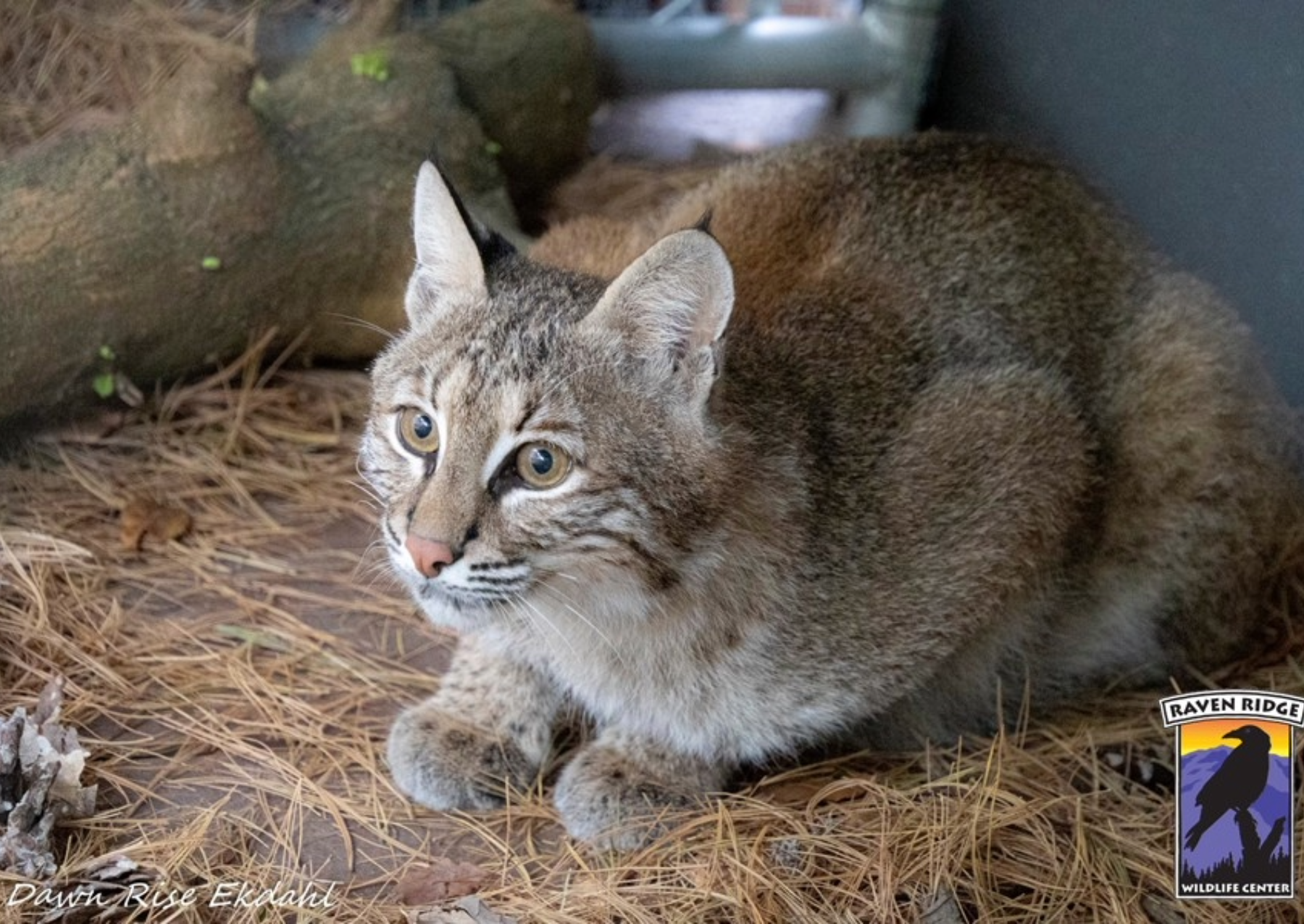
Tracie Young noted that the animal’s temperament was a key indicator of her recovery. Shortly after the surgery, the bobcat began to exhibit natural defensive behaviors—hissing and swiping at caretakers. While seemingly aggressive, these are vital signs that the animal has not become "habituated" to humans and retains the wild instincts necessary for eventual release into the wild.
The Challenge of Physical Rehabilitation
By May, the bobcat’s bones had healed sufficiently to allow for more strenuous movement. However, two months of restricted activity had led to muscle atrophy. For a bobcat, which relies on explosive speed and the ability to climb to hunt prey and avoid larger predators like coyotes or bears, physical conditioning is a prerequisite for survival.
The staff at Raven Ridge determined that the feline needed to move to an outdoor enclosure. This presented a significant logistical hurdle. Standard wildlife enclosures were either occupied or insufficient for the specific needs of a recovering bobcat, which requires vertical space and a secure, "escape-proof" environment.
The center sought quotes for a custom-built, heavy-duty kennel. The feedback was discouraging: most builders cited a lead time of at least eight months due to supply chain issues and high demand, and the cost was projected in the thousands of dollars—a significant sum for a non-profit organization that operates primarily on donations.
A Sequence of Fortuitous Events
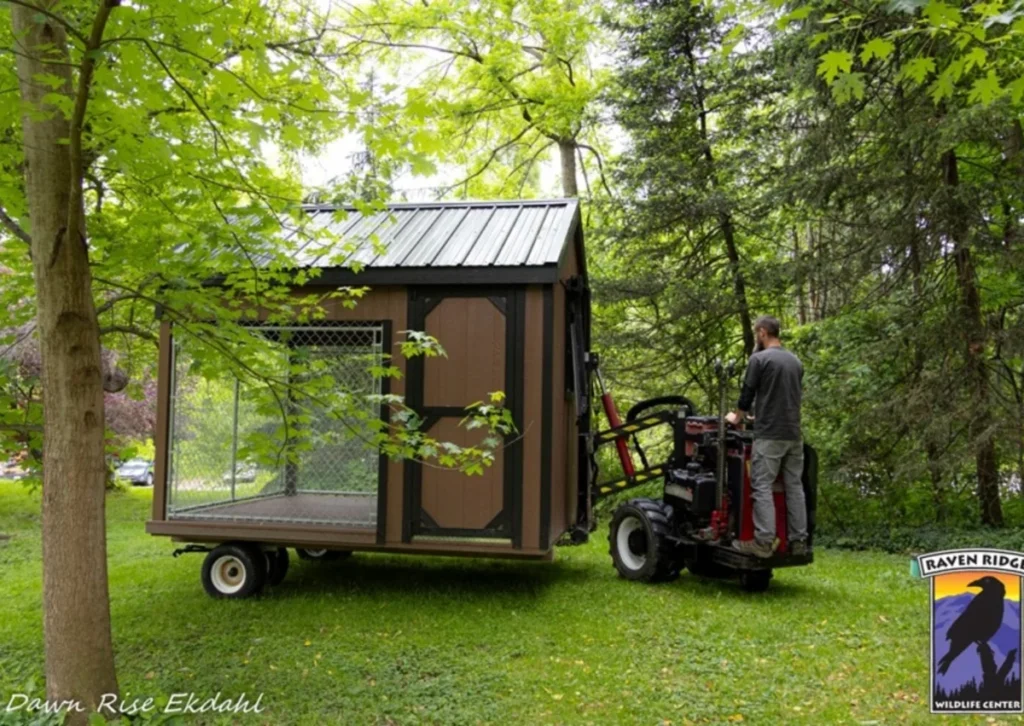
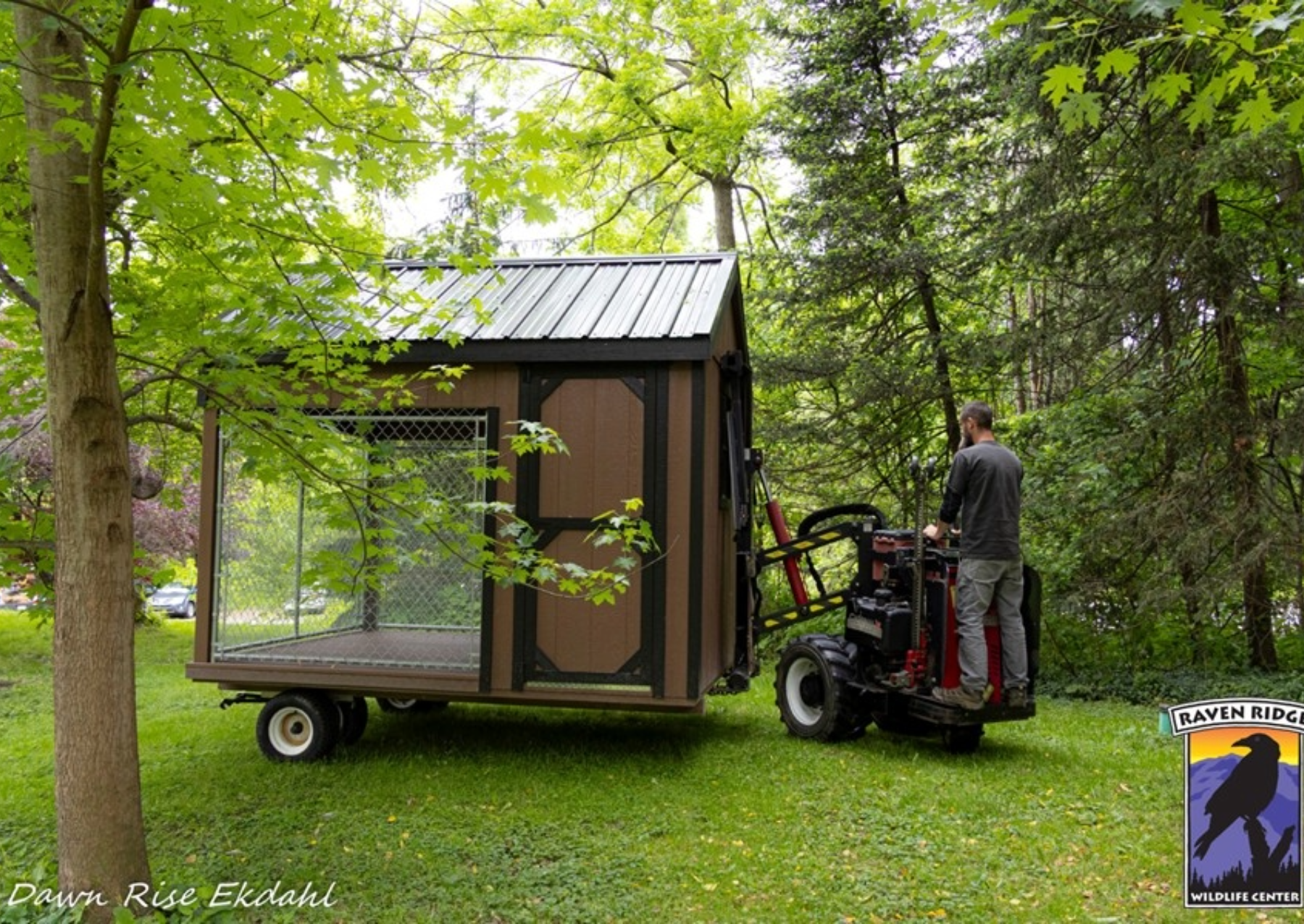
The resolution to the housing crisis came through a series of coincidences that the Raven Ridge staff described as nearly miraculous. The center’s photographer, Dawn Rise Ekdahl, reached out to a neighbor named Glen to ask for advice on local contractors. In a stroke of luck, Glen turned out to be the owner of a specialized kennel-building business. Upon hearing the bobcat’s story, he bypassed his eight-month waiting list and completed the custom enclosure in just two weeks.
Simultaneously, the financial burden of the project was lifted by a poignant memorial. The center received a letter from the husband of Raven Minervino, a long-time supporter of Raven Ridge who had recently passed away. In her honor, her family had requested that donations be made to the wildlife center in lieu of flowers. The total amount of the memorial fund was almost exactly the cost of the new custom kennel.
In a tribute to her legacy, the center has named the enclosure in her honor, ensuring that her passion for wildlife continues to provide a sanctuary for animals in need.
Biological Milestones and Current Status
Since moving into the new outdoor enclosure, the bobcat’s physical progress has been remarkable. The "conditioning" phase of rehabilitation focuses on two metrics: weight gain and agility.
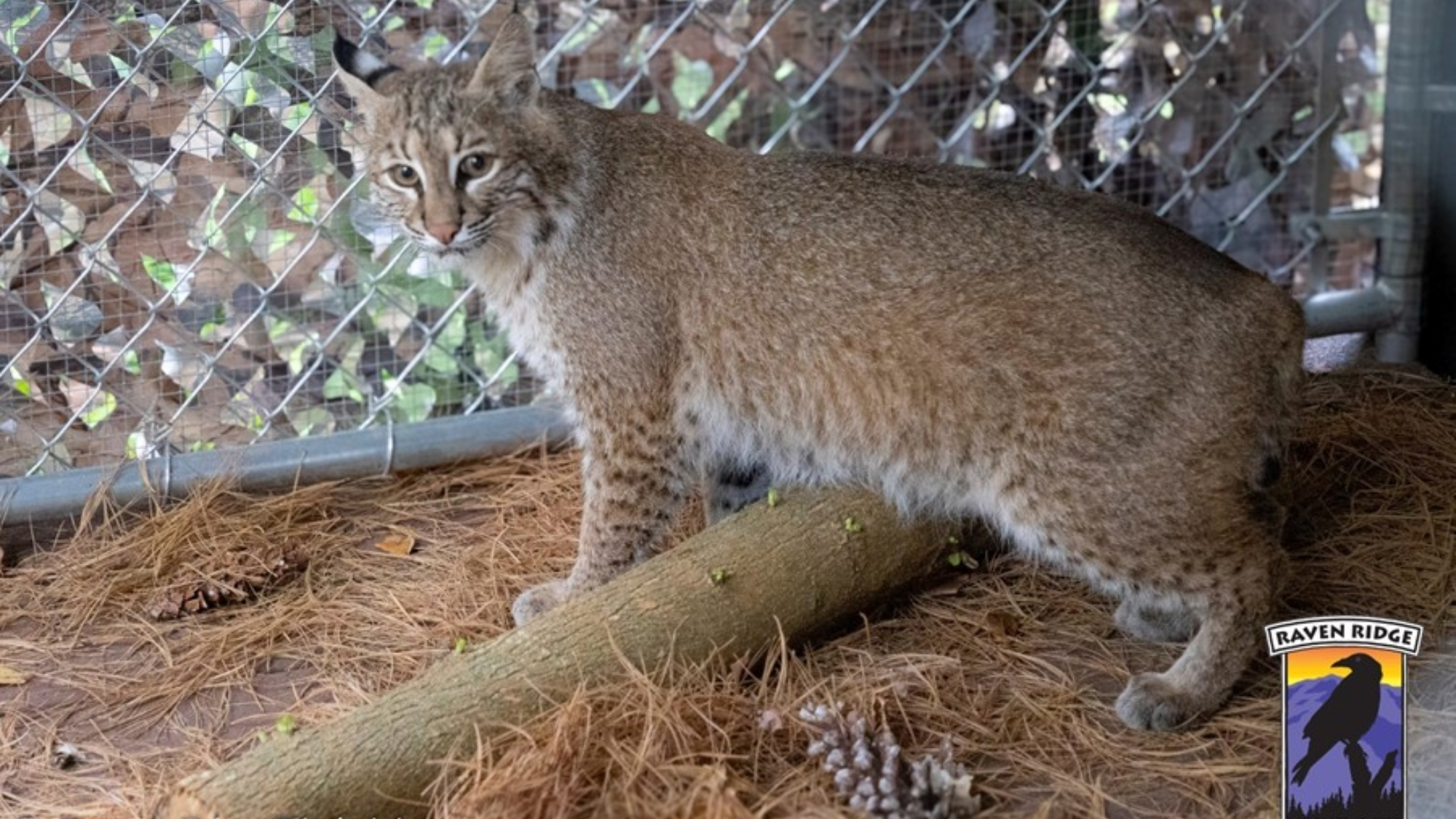
- Weight Recovery: When the bobcat arrived, she was severely underweight, likely due to the stress of the accident and the metabolic demands of healing. She initially weighed only nine pounds. Since transitioning to the outdoor kennel, where she can exercise and feed more naturally, she has reached 19 pounds. This is within the optimal range for an adult female bobcat, which typically weighs between 15 and 20 pounds.
- Muscle Tone: The custom kennel allows the bobcat to jump, stretch, and climb. These movements are essential for rebuilding the quadriceps and stabilizing muscles in her previously fractured legs.
The Raven Ridge team continues to monitor her gait and hunting instincts. The ultimate goal remains a "soft release," where the animal is returned to a suitable habitat—ideally near her original territory if it is deemed safe—during a season when prey is abundant.
Context: The Impact of Wildlife-Vehicle Collisions in Pennsylvania
The story of this bobcat is a singular success in a broader landscape of wildlife-vehicle collisions (WVCs). Pennsylvania consistently ranks among the highest states in the U.S. for animal-related insurance claims. According to data from State Farm, Pennsylvania drivers have a 1-in-59 chance of hitting an animal annually.
While deer account for the vast majority of these incidents, the impact on smaller, more elusive species like bobcats can have a disproportionate effect on local ecosystems. As apex predators, bobcats regulate populations of rodents and lagomorphs (rabbits). The loss of a breeding female can disrupt the ecological balance of a specific woodland area.
The successful rehabilitation of this bobcat is significant because it returns a functional predator to the environment. Furthermore, the data gathered by Raven Ridge during her recovery—such as the efficacy of the synchronous surgical approach and the timeline for bone density recovery in Lynx rufus—provides valuable insights for the broader wildlife rehabilitation community.
The Role of Community and Philanthropy in Conservation
The Raven Ridge Wildlife Center operates as a 501(c)(3) organization, receiving no state or federal funding for the daily care of its patients. This case underscores the fragility of wildlife rescue operations, which often rely on the intersection of professional expertise and private altruism.
The "Raven" coincidence—the name of the deceased donor matching the name of the center—has resonated deeply with the local community, sparking a renewed interest in the center’s mission. It serves as a reminder that while the technical work of healing a wild animal happens in the surgery suite, the capacity to perform that work is built on a foundation of community support.
Conclusion and Future Outlook
The Pennsylvania bobcat’s journey from being stuck in a car grill to prowling her new outdoor enclosure is nearly complete. With her legs healed and her weight doubled, she stands as a symbol of successful intervention. Her case will likely be cited in future wildlife management discussions as an example of how modern veterinary techniques, combined with specialized rehabilitation infrastructure, can save even the most critically injured wild animals.
As she nears her release date, the Raven Ridge Wildlife Center continues to advocate for driver awareness and the support of local wildlife corridors. For now, the bobcat remains under observation, regaining the strength necessary to return to the Pennsylvania woods—a return made possible by a driver who stopped, surgeons who took a risk, and a community that stepped in to bridge the gap between a crisis and a cure.