



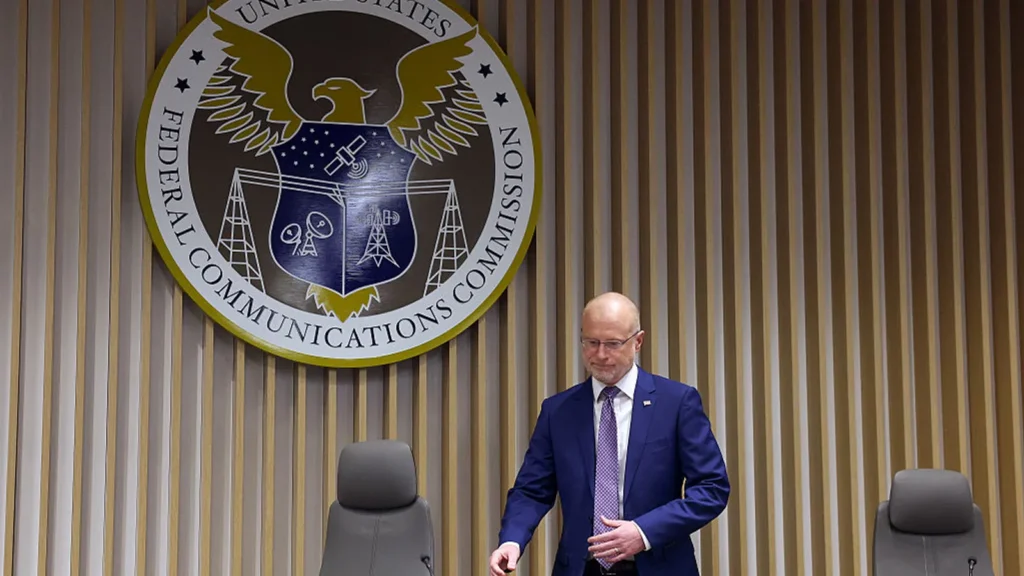
The U.S. Federal Communications Commission (FCC) announced on Wednesday its intention to conduct a "top-to-bottom" evaluation of the E-Rate program, a critical federal initiative that allocates approximately $3 billion annually to support internet access and telecommunications services for schools and libraries across the nation. This extensive review, which could lead to significant reforms or even the discontinuation of the three-decade-old program, signals a potential shift in how the federal government approaches digital connectivity in educational settings. The FCC is actively considering a spectrum of possibilities, ranging from substantial modifications to a complete overhaul of the program’s structure and objectives, according to reports.
Background and Evolution of the E-Rate Program
Established in 1996 under the Telecommunications Act of 1996, the E-Rate program, officially known as the Schools and Libraries Universal Service Support Program, was designed to ensure that eligible schools and libraries could afford to connect to the internet and obtain telecommunications services at discounted rates. This landmark legislation aimed to bridge the digital divide and provide equitable access to information and educational resources in an increasingly digital world. Over the years, the program has funded billions of dollars in discounts for Wi-Fi, internal connections, broadband internet access, and telecommunications services, significantly impacting the digital infrastructure of countless educational institutions.
The program’s funding mechanism draws from contributions from telecommunications carriers, which are then collected by the Universal Service Administrative Co. (USAC) and disbursed to eligible entities based on need, often determined by the percentage of students eligible for free or reduced-price lunches. This needs-based approach has been a cornerstone of the program, prioritizing institutions serving disadvantaged communities.
The Catalyst for Review: Concerns Over Screen Time and Efficacy
The impetus behind this comprehensive evaluation appears to stem from growing concerns regarding the extent of technology integration and screen time in schools, particularly in the wake of the COVID-19 pandemic. FCC Chairman Brendan Carr articulated these concerns in a statement released on June 3rd, highlighting a perceived shift in the role of technology in the classroom.
"Over the last several years—and especially during COVID—many schools dramatically increased screen time for kids, with many students now swiping for hours every day," Chairman Carr stated. He emphasized that the fundamental purpose of technology in schools should be to "support learning, not distractions or declining performance." This sentiment suggests a critical examination of whether the E-Rate program, in its current iteration, is inadvertently contributing to an environment where excessive screen time may be detracting from core educational objectives and student well-being.
Chairman Carr further elaborated that the proposal is "aimed at empowering parents and ensuring that our E-Rate program produces the great educational outcomes stakeholders have intended." This suggests a desire to reorient the program’s focus towards demonstrable educational benefits and to provide greater agency to parents in overseeing their children’s digital engagement.
The review has also been influenced by a broader trend of state-level legislative actions aimed at regulating screen time in schools. Several states have begun to implement or consider measures to limit the use of digital devices for younger children or to restrict the overall amount of time students spend in front of screens. These state-level initiatives reflect a growing societal debate about the potential downsides of constant digital immersion for developing minds.
The FCC’s Proposed Actions and Timeline
The FCC is scheduled to vote on a proposal related to this comprehensive review on June 25th. Following this vote, the proposal will be opened for public comment, allowing stakeholders—including educators, librarians, technology providers, parents, and advocacy groups—to voice their opinions and provide feedback on various aspects of the E-Rate program. This public comment period is a crucial step in the FCC’s rulemaking process, ensuring that diverse perspectives are considered before any final decisions are made.
While the specific details of the proposal to be voted on are not yet public, the FCC’s statement indicates that the review will encompass a wide range of considerations. These are expected to include:
- The overall effectiveness of the E-Rate program: Assessing whether the program is achieving its intended goals of providing equitable access to digital resources and improving educational outcomes.
- The appropriate uses of E-Rate funding: Examining whether the funds are being allocated to the most impactful technologies and services that directly support learning.
- The role of screen time in education: Investigating the impact of increased digital device usage on student engagement, academic performance, and well-being.
- Potential program reforms: Exploring various options for modifying the program, such as adjusting funding priorities, eligibility criteria, or service limitations.
- Consideration of ending the program: Evaluating the feasibility and implications of phasing out the E-Rate program entirely, potentially in favor of alternative approaches.
Precedent for Program Adjustments: The School Bus Wi-Fi Decision
This proposed comprehensive review is not the first time the FCC has revisited or adjusted the scope of the E-Rate program. Last year, the Commission made a notable decision to remove a Biden-era expansion of E-Rate that had included funding for school bus Wi-Fi and hotspots. This move signaled an initial recalibration of the program’s priorities, indicating a potential shift away from extending connectivity to areas deemed less directly linked to classroom instruction. The rationale behind that decision, at the time, was reportedly to focus resources on core educational needs within school buildings.
Potential Implications and Future Directions
The FCC’s decision to undertake a "top-to-bottom" review of the E-Rate program carries significant implications for the future of digital learning in the United States.
For Schools and Libraries:
- Funding uncertainty: Educational institutions that rely on E-Rate discounts for their internet connectivity and technology infrastructure may face uncertainty regarding future funding. This could necessitate strategic planning for alternative funding sources or adjustments to technology deployment plans.
- Shift in technology adoption: If the program is reformed to de-emphasize certain types of technology or to prioritize specific educational outcomes, it could influence the types of devices and services schools adopt. For instance, a focus on reducing screen time might lead to a greater emphasis on offline learning resources or pedagogical approaches that integrate technology more judiciously.
- Enhanced accountability: The review could lead to increased accountability for how E-Rate funds are used, with a greater emphasis on demonstrating tangible educational benefits.
For Technology Providers:
- Market adjustments: Companies that provide internet services, hardware, and software to schools and libraries may need to adapt their offerings and business strategies in response to potential program changes.
- Focus on educational value: Providers that can clearly articulate how their products and services contribute to improved learning outcomes and support responsible technology use may find themselves in a stronger position.
For Students and Parents:
- Potential impact on digital access: While the stated concerns revolve around screen time, any significant changes to the E-Rate program could, if not carefully managed, impact the availability of digital resources for students, particularly in underserved communities.
- Greater parental involvement: The emphasis on empowering parents suggests a potential for increased parental oversight and input into how technology is used in schools, which could lead to more balanced digital learning environments.
Broader Educational Landscape:
The review also reflects a national conversation about the role of technology in education. While technology offers immense potential for personalized learning, access to information, and innovative teaching methods, the concerns raised by Chairman Carr highlight the need for a nuanced approach. The E-Rate program’s future will likely be shaped by a delicate balance between leveraging technology’s benefits and mitigating its potential drawbacks, ensuring that digital tools serve as effective aids to learning rather than sources of distraction or negative impact on student development.
The upcoming public comment period will be critical in shaping the future of this vital program. Stakeholders are encouraged to actively participate in the process to ensure that the E-Rate program continues to serve its core mission of enhancing educational opportunities while adapting to the evolving needs and challenges of the digital age. The FCC’s decision on June 25th will mark the beginning of a significant period of deliberation and potential transformation for a program that has been instrumental in connecting American schools and libraries for decades.