


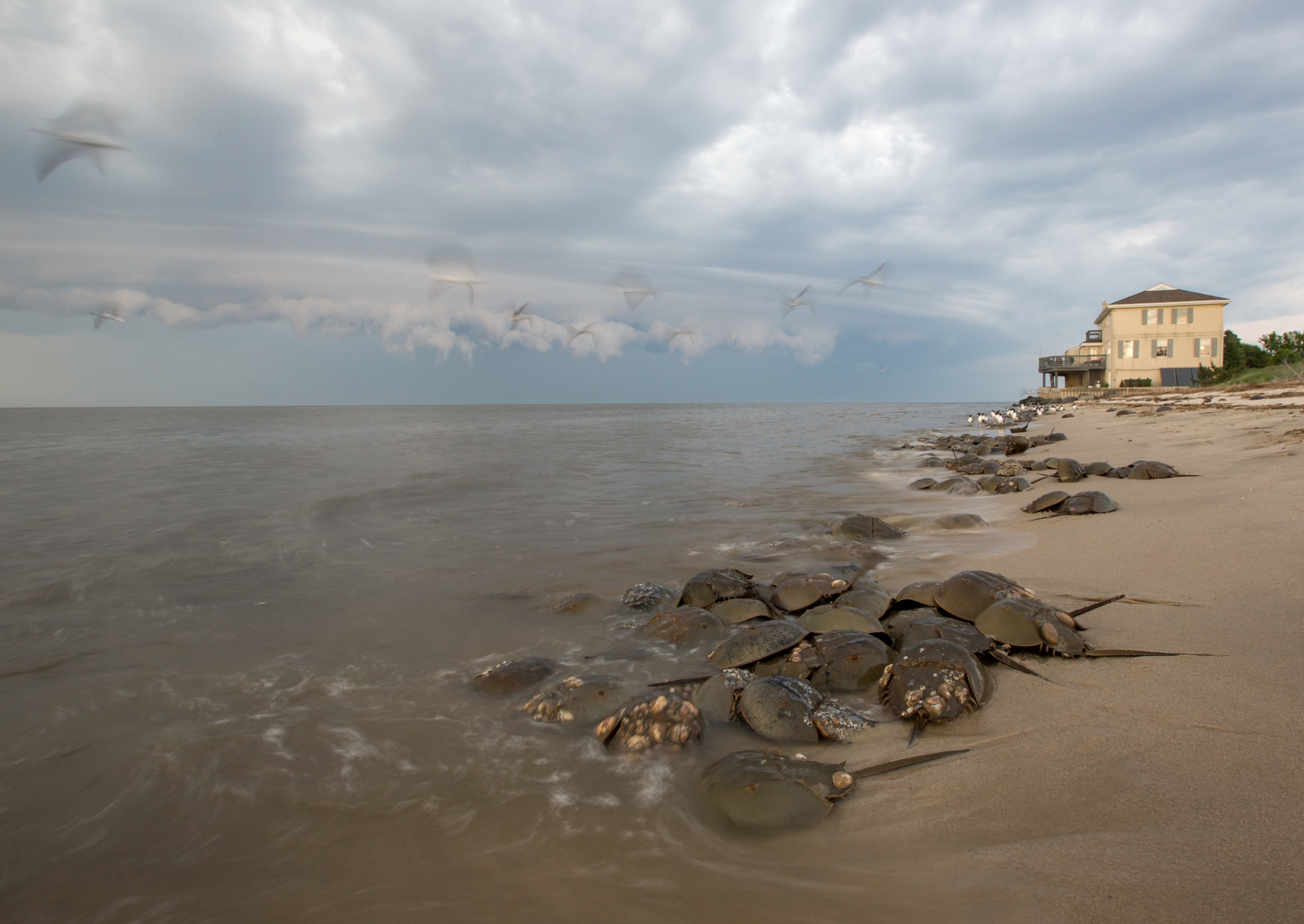
The gravelly shorelines of the Delaware Bay and the coastal shallows of New Jersey currently host one of the most ancient biological spectacles on Earth, a rhythmic convergence of species that has remained largely unchanged for hundreds of millions of years. Every June, under the gravitational influence of the full moon and the resulting king tides, the Atlantic horseshoe crab (Limulus polyphemus) emerges from the depths of the Atlantic Ocean to spawn. This event, which predates the rise and fall of the dinosaurs, serves as the cornerstone for a complex ecological web that supports thousands of migratory shorebirds, most notably the Rufa red knot (Calidris canutus rufa). However, as modern environmental pressures ranging from climate change to industrial harvesting mount, this prehistoric partnership faces unprecedented challenges that threaten the stability of the Atlantic coastal ecosystem.
The Biological Clockwork of the Spawning Season
The Atlantic horseshoe crab is often referred to as a "living fossil," a designation supported by a fossil record that traces the species back approximately 445 million years to the Ordovician period. Despite their name, these creatures are not true crabs but are more closely related to arachnids, such as spiders and scorpions. Their anatomy—characterized by a hard, helmet-like carapace and a spiked tail known as a telson—has remained remarkably consistent through multiple mass extinction events.
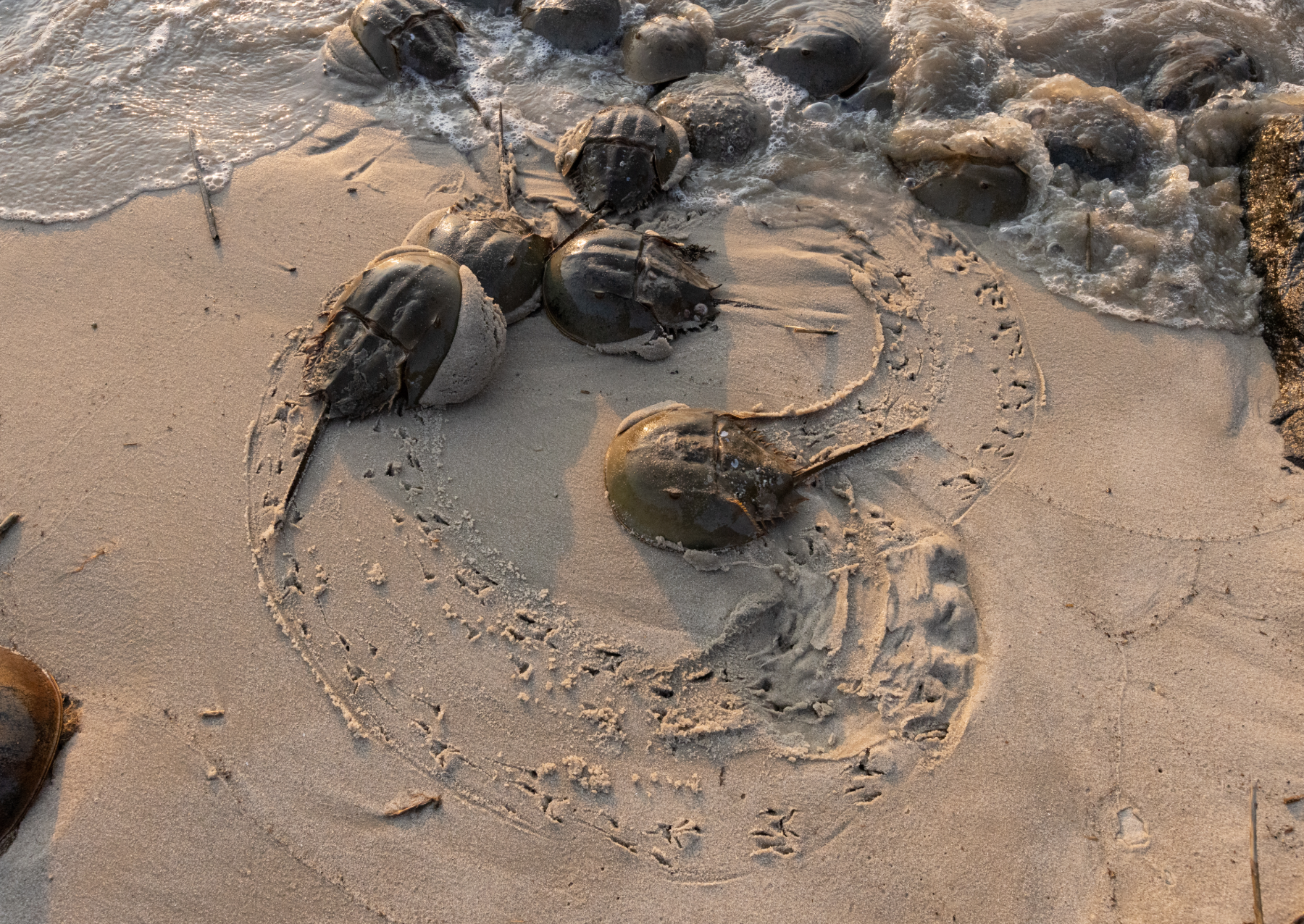
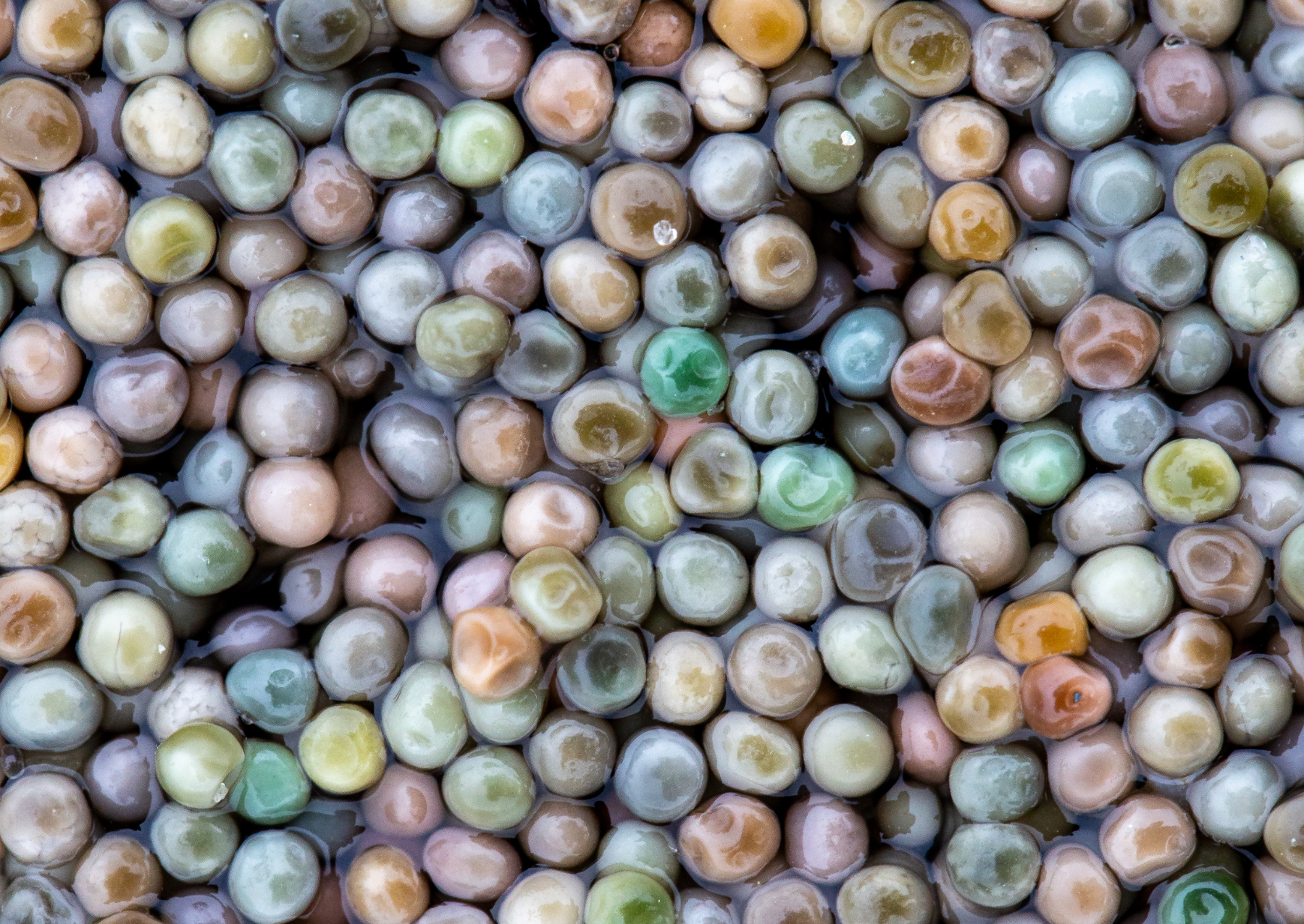
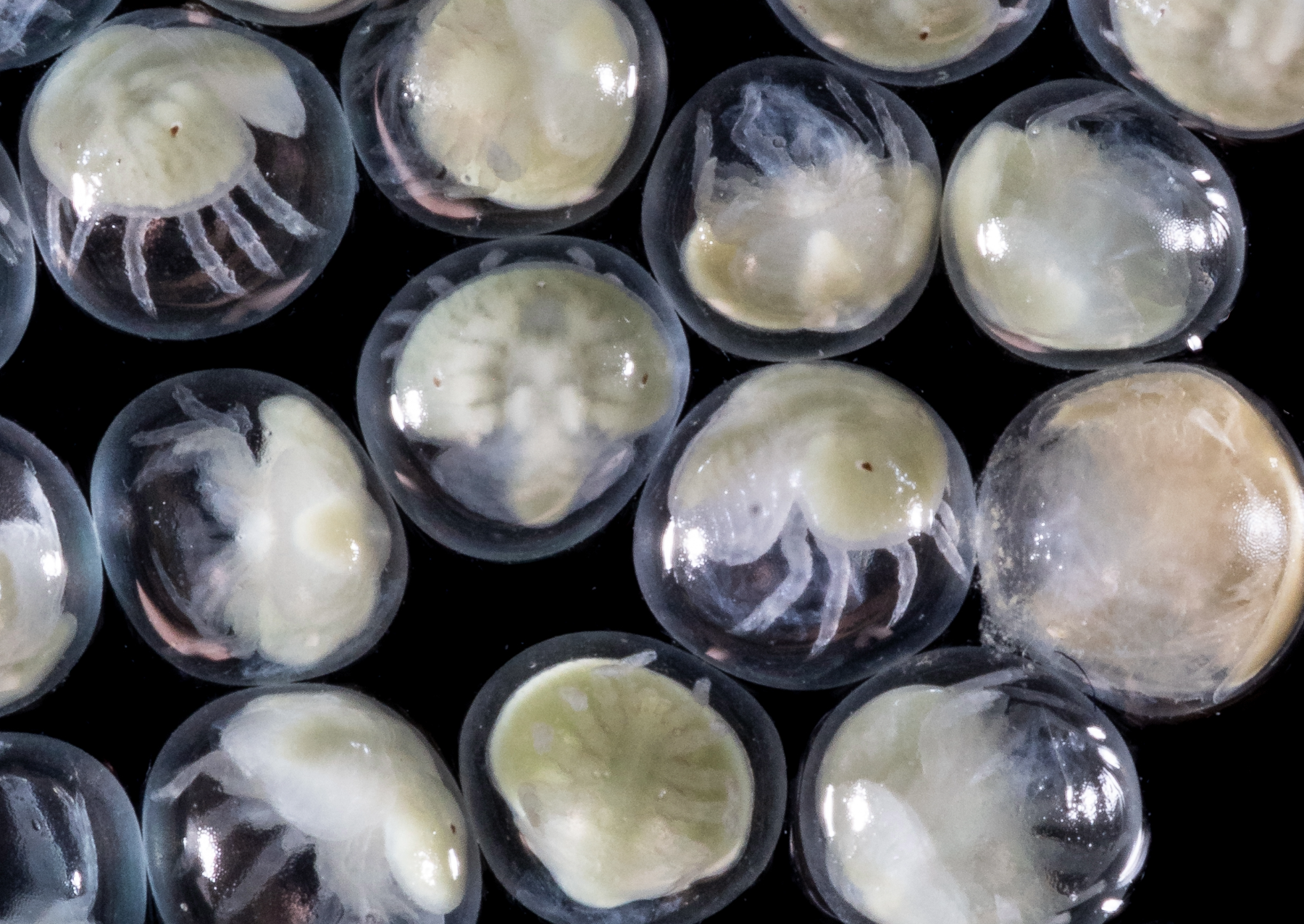
The spawning process is triggered by precise environmental cues. As water temperatures rise in the spring, adult horseshoe crabs migrate from the continental shelf toward the Delaware Bay, which serves as the largest spawning ground for the species in the world. During the high tides associated with the full and new moons in May and June, females, which can reach up to two feet in length, plow into the damp sand at the water’s edge. They deposit clusters of thousands of eggs—each roughly the size of a mustard seed—beneath the surface. A single female may lay as many as 80,000 to 100,000 eggs during a single season.
This biological clockwork is not merely a reproductive necessity for the crabs; it is a survival mandate for the avian visitors that follow. As waves and the movement of other crabs disturb the sand, millions of these nutrient-dense eggs are pushed to the surface, creating a literal carpet of protein along the shoreline.
The Nutritional Nexus: The Rufa Red Knot’s Odyssey
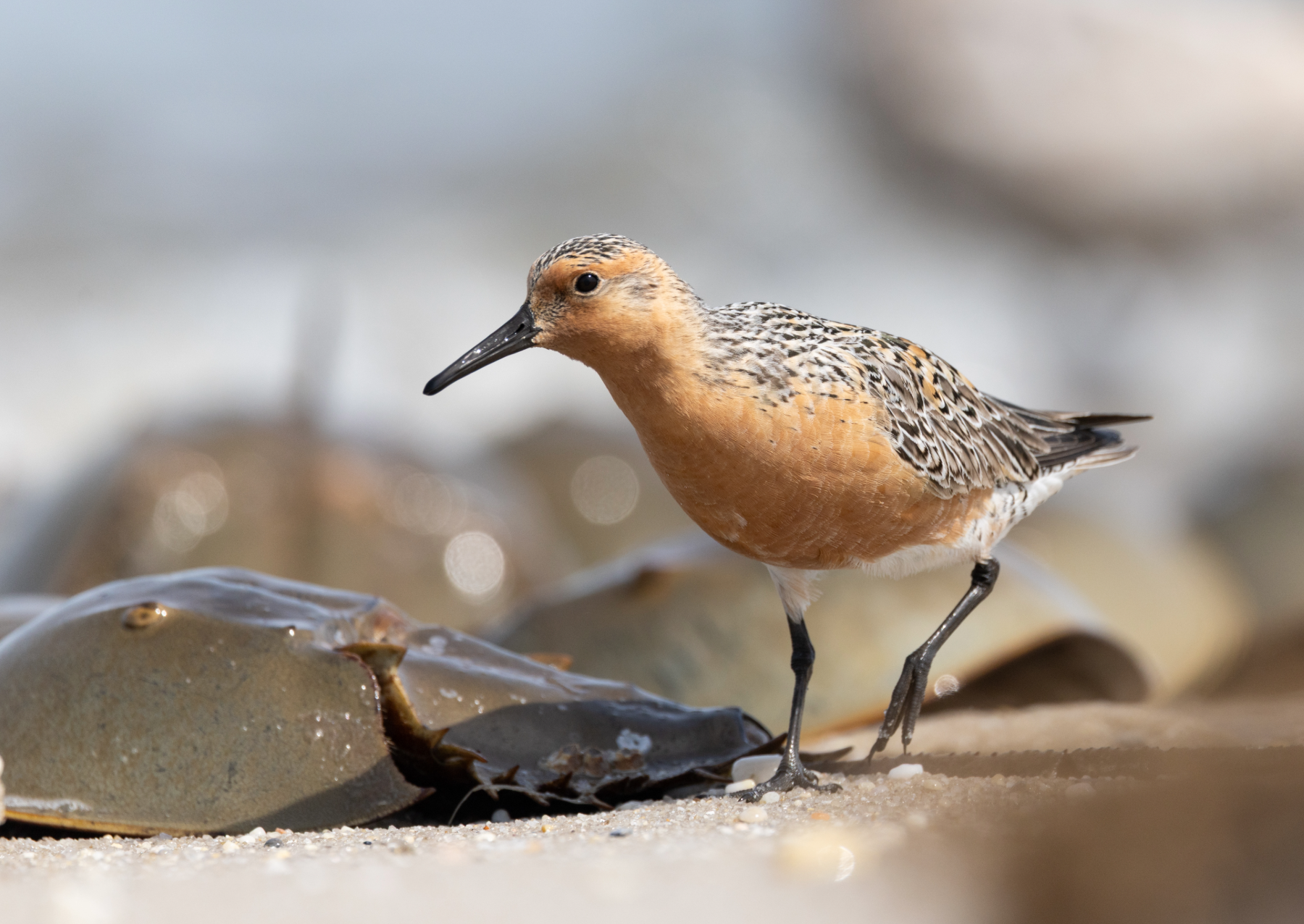
The arrival of the horseshoe crabs coincides perfectly with the arrival of the Rufa red knot, a shorebird that executes one of the longest migrations in the animal kingdom. These birds travel roughly 9,000 miles from their wintering grounds at the southern tip of Patagonia to their breeding grounds in the Canadian Arctic. By the time the red knots reach the Delaware Bay, they have often been airborne for up to a week at a time, burning through their fat reserves and even muscle tissue to sustain their flight.
Upon arrival, many of these birds have lost nearly half of their body mass. The Delaware Bay serves as their final and most critical "refueling station." The horseshoe crab eggs provide an immediate, highly digestible source of energy. Data from wildlife biologists indicate that a red knot must nearly double its body weight in a matter of days to survive the final leg of its journey and have enough energy to successfully breed in the harsh Arctic environment.
Without the concentrated caloric density provided by the crab eggs, the red knots face a phenomenon known as "asynchronous arrival," where they reach their breeding grounds too weak to reproduce or, in many cases, fail to complete the journey entirely. This dependency has led the U.S. Fish and Wildlife Service to list the Rufa red knot as a threatened species under the Endangered Species Act.
The Biomedical Intersection: Blue Blood and Human Health
Beyond their ecological role, horseshoe crabs are of immense value to modern medicine due to a unique property of their blood. Unlike mammals, horseshoe crabs use copper-based hemocyanin to transport oxygen, giving their blood a distinct blue color. More importantly, their blood contains amebocytes—primitive immune cells that react instantaneously to the presence of endotoxins produced by Gram-negative bacteria.
This reaction is the basis for the Limulus Amebocyte Lysate (LAL) test, which is the global standard for ensuring that vaccines, injectable drugs, and medical devices are free of bacterial contamination. Every year, the pharmaceutical industry captures hundreds of thousands of horseshoe crabs to "bleed" them for this vital resource. While the crabs are typically returned to the water after a portion of their blood is extracted, conservationists point to studies suggesting that the process may lead to significant mortality rates and behavioral changes that reduce spawning success.
In recent years, the development of a synthetic alternative known as recombinant Factor C (rFC) has offered a potential solution. Major pharmaceutical companies, such as Eli Lilly, have begun transitioning to this synthetic version, which now accounts for approximately 80 percent of their endotoxin testing. However, the widespread adoption of rFC across the industry remains a subject of ongoing regulatory and logistical debate.
Commercial Pressures and Historical Overharvesting
The current population of horseshoe crabs in the Delaware Bay is still recovering from a period of intense commercial pressure in the 1990s. During that decade, the crabs were widely harvested as inexpensive bait for the whelk (sea snail) and American eel fisheries. Annual harvest numbers skyrocketed from approximately 100,000 crabs to over 2.5 million within a five-year span.
This surge in harvesting led to a catastrophic decline in the number of eggs available for migratory birds. In response, the Atlantic States Marine Fisheries Commission (ASMFC) implemented strict quotas and management plans to stabilize the population. While some recovery has been noted, the population remains a fraction of its historical highs, and the bait industry continues to lobby for increased harvest limits, citing the economic importance of the whelk and eel markets.
Climate Change and Phenological Mismatch
Perhaps the most insidious threat to this ancient synchrony is the shifting climate. Horseshoe crab spawning is highly sensitive to water temperature and sea-level rise. As Atlantic waters warm, crabs have begun to spawn earlier in the season. If this shift occurs while the red knots are still in South America or mid-flight, the birds arrive at the Delaware Bay to find that the peak egg-laying period has already passed.
This "phenological mismatch" can have devastating consequences. Furthermore, intensifying storms and rising sea levels are eroding the specific types of sandy beaches required for successful spawning. In some areas, bulkheads and coastal development prevent the beaches from migrating inland, effectively "squeezing" the crabs out of their traditional habitats.
Observations from the Field: The Photographer’s Perspective
Documenting this transition is essential for public awareness and conservation efforts. Susan Allen, a New Jersey-based photographer who has spent nearly a decade capturing the spawning season, emphasizes the global significance of this local event. Her work highlights not only the sheer scale of the gathering but also the smaller, often overlooked details of the crabs’ biology, such as their biofluorescence.
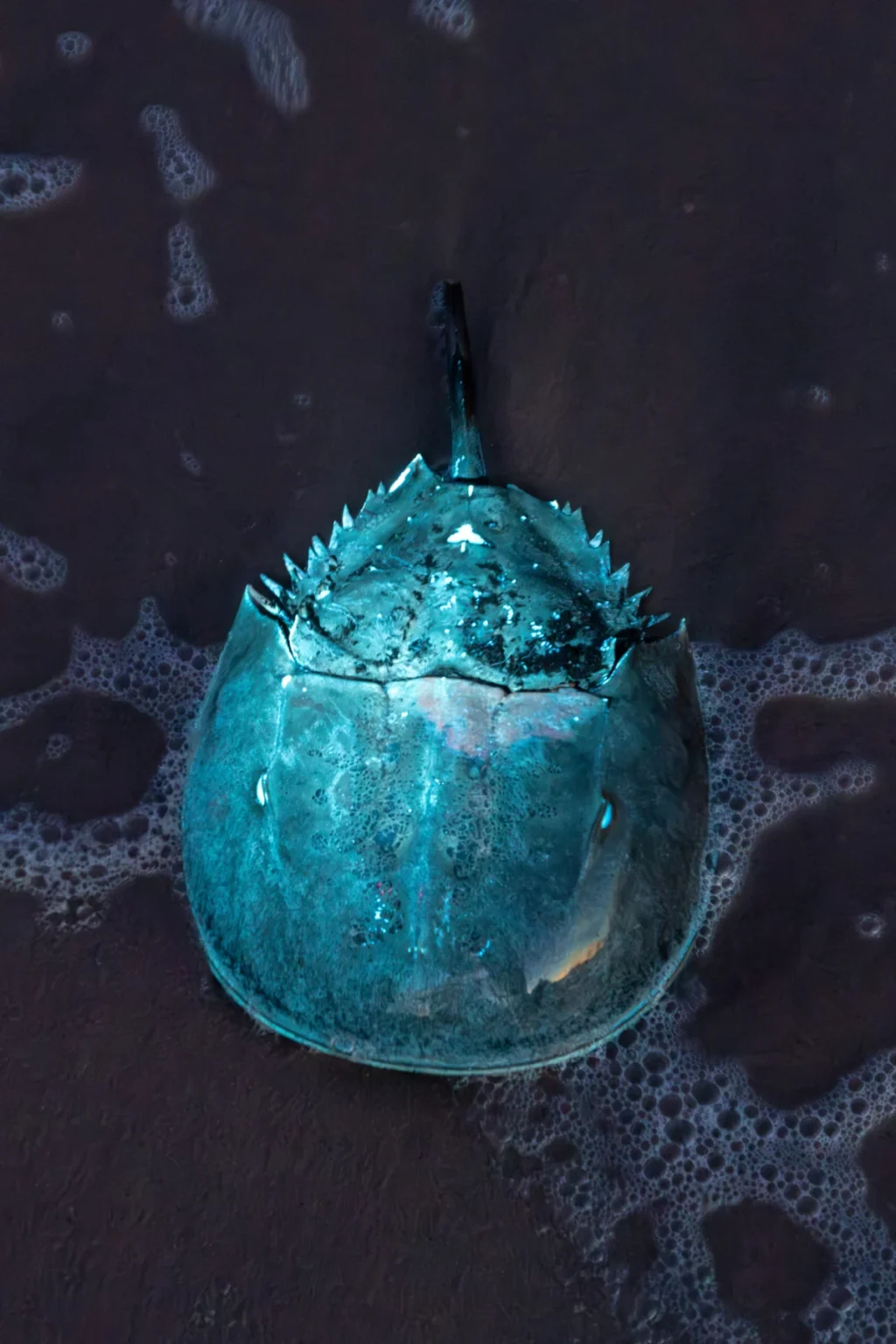
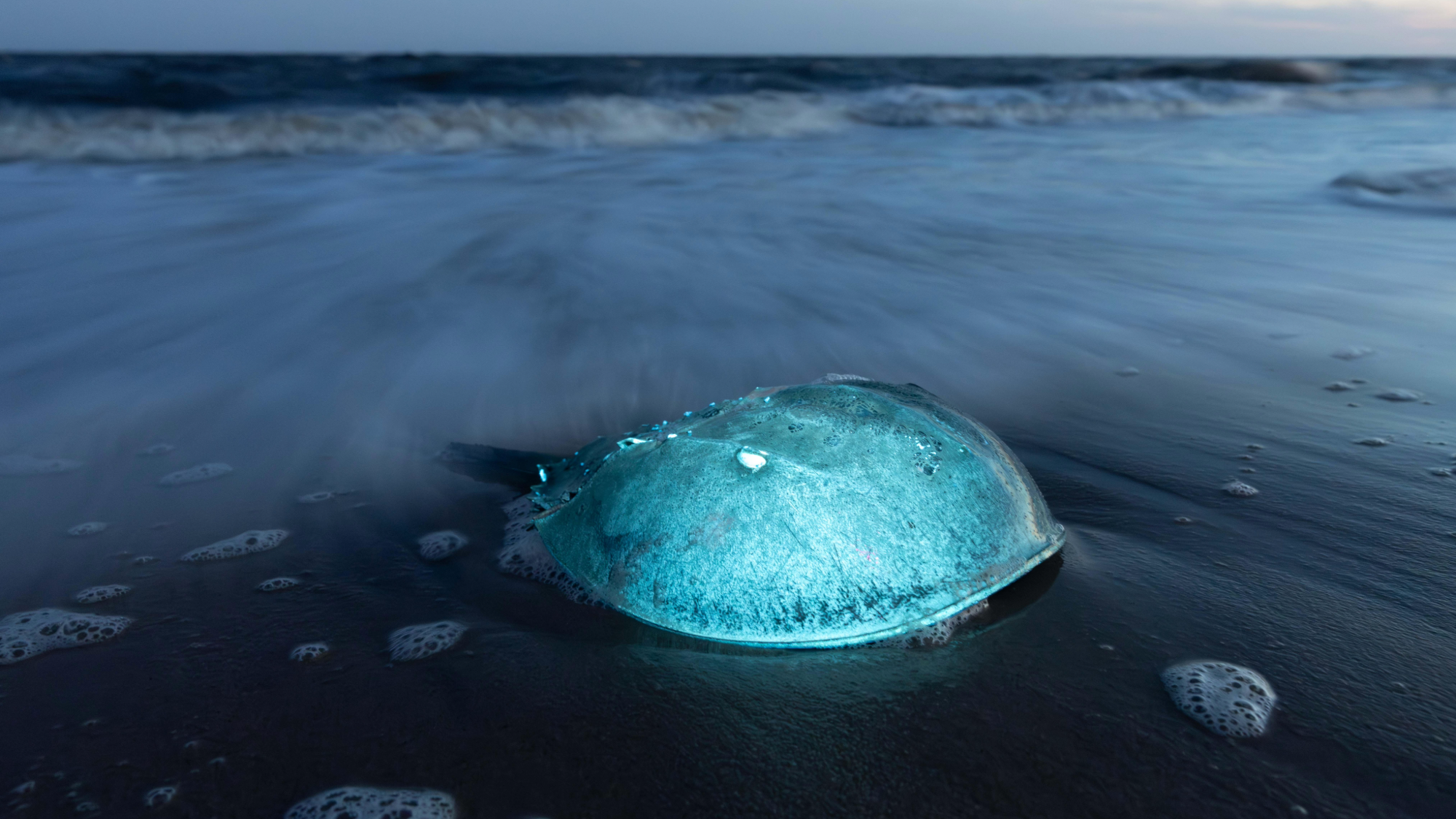
Like scorpions, horseshoe crabs glow a vibrant blue-green under ultraviolet (UV) light. While the evolutionary purpose of this trait remains a subject of scientific inquiry—potentially serving as a way for the crabs to detect each other in low-light conditions—it adds another layer of mystery to a creature that has survived multiple planetary upheavals. Allen’s documentation also captures the "death spirals" left in the sand by crabs that have been flipped by the tide and were unable to use their telson to right themselves, a stark reminder of the individual fragility within this mass biological movement.
Broader Impact and Future Implications
The health of the horseshoe crab population is a bellwether for the overall stability of the Atlantic coast. The species acts as a "keystone," meaning its presence supports a disproportionately large number of other organisms. Beyond red knots, the eggs support various fish species, crabs, and other shorebirds such as ruddy turnstones and semipalmated sandpipers.
The implications of a collapse in this system extend beyond ecology. The loss of the horseshoe crab would represent the end of a 445-million-year lineage and a significant blow to the biomedical infrastructure that protects human health.
Current conservation strategies are focusing on a multi-pronged approach:
- Regulatory Protection: Maintaining and tightening ASMFC harvest quotas to ensure that egg density remains high enough to support bird populations.
- Habitat Restoration: Projects aimed at replenishing sandy beaches in the Delaware Bay that have been damaged by hurricanes and rising tides.
- Synthetic Transition: Encouraging the global pharmaceutical industry to adopt rFC testing to reduce the reliance on wild-caught crabs.
- Public Education: Raising awareness about the vital link between an ancient arthropod and the survival of a bird that traverses the hemisphere.
As the June tides recede and the red knots continue their flight toward the Arctic, the Delaware Bay returns to a quieter state. Yet, the success of this year’s spawn will determine the survival of the next generation of both crabs and birds. The endurance of this prehistoric partnership remains a profound marvel of the natural world, but its future now rests firmly in the hands of modern conservation policy and climate mitigation.