
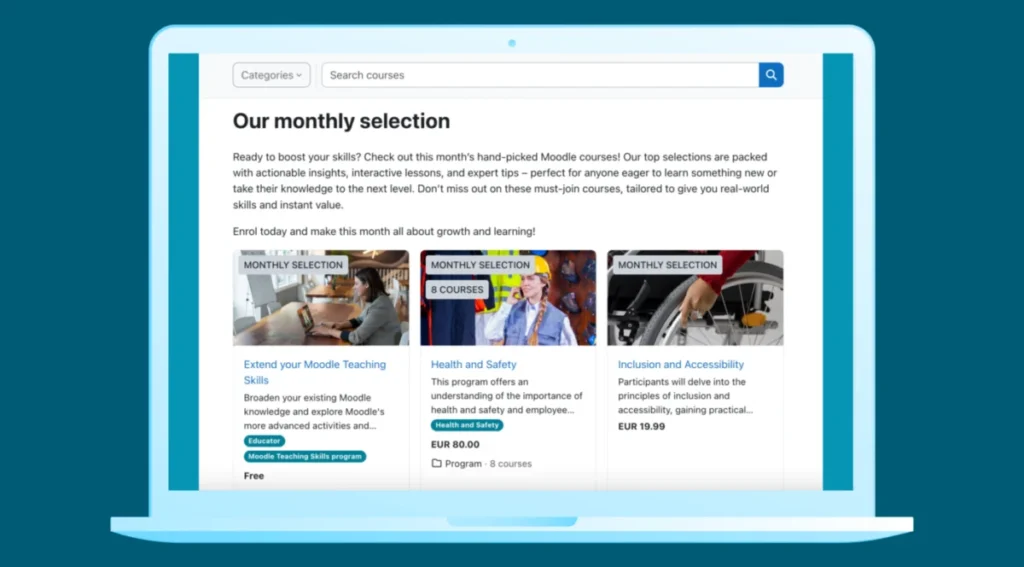
The modern professional’s journey of acquiring new skills and knowledge is undergoing a profound transformation, moving away from rigid, structured courses towards a more dynamic and responsive ecosystem. While traditional learning management systems (LMS) designed for structured, top-down delivery have long served critical functions like compliance and onboarding, a growing disconnect is emerging between these established models and the reality of how individuals actually learn and grow in their day-to-day roles. This divergence is fueling a demand for learning solutions that can effectively integrate bite-sized, on-demand content with a clear pathway towards sustained professional development, a challenge that many current learning environments are struggling to address.
The Rise of Microlearning: Addressing Immediate Needs
For years, the dominant paradigm in corporate learning has been the "assigned, completed, and tracked" model. This approach, exemplified by lengthy courses and mandatory training modules, remains indispensable for ensuring organizational consistency and meeting regulatory requirements. Its value in onboarding new employees and reinforcing critical policies is well-established. However, this model often fails to mirror the fluid nature of knowledge acquisition in a fast-paced work environment.
The reality for many professionals is that learning is not a singular, sustained event. Instead, it’s a series of discrete, often urgent, needs. A quick explanation to overcome a technical hurdle, a brief refresher on a specific procedure, or a concise understanding of a new concept – these are the micro-moments where learning truly happens. This shift in learner behavior has propelled the adoption of approaches like microlearning. Microlearning delivers short, focused bursts of content, typically lasting between 3 to 10 minutes, designed to be easily digestible and readily accessible precisely when an individual requires it. Platforms that facilitate microlearning are gaining significant traction because they directly address this need for immediate, actionable knowledge.
Data from industry reports underscore this trend. A 2023 survey by eLearning Industry found that 70% of organizations are currently using or planning to implement microlearning strategies. This widespread adoption is driven by its perceived effectiveness in improving knowledge retention and engagement, particularly for complex topics that can be broken down into manageable chunks. The accessibility of microlearning content, often delivered via mobile devices, further enhances its appeal, allowing employees to learn at their own pace and on their own terms, irrespective of their location or schedule.
The Development Gap: From Isolated Knowledge to Integrated Capability
While the efficacy of microlearning in addressing immediate knowledge gaps is evident, a critical challenge remains: how does this fragmented learning contribute to an individual’s overall professional development? The core issue lies in the fact that while learning often occurs in smaller, digestible pieces, the process of building genuine capability is inherently a continuous and cumulative one. Employees don’t just need isolated pieces of information; they require a clear understanding of how these pieces connect, how a series of small steps contribute to mastery, and how current learning builds upon past knowledge to foster long-term growth.
This is precisely where many current learning platforms falter. They may offer an extensive library of well-designed courses, including effective microlearning modules. However, the crucial connective tissue – the visible pathways that illustrate the progression of learning and the interdependencies between different skill sets – is often missing. Learners can easily become lost in a sea of disparate content, unsure of where to begin, what to tackle next, or how a particular skill acquisition fits into their broader career trajectory within the organization. This fragmentation can lead to a sense of aimlessness, diminishing the overall impact of learning initiatives and potentially hindering employee engagement and skill development.
The Need for Integrated Learning Architectures
The problem is not a lack of content, but a lack of intelligent architecture that can guide learners through a cohesive development journey. The ideal learning environment would seamlessly integrate microlearning modules within a larger framework that clearly articulates learning pathways. This requires a shift from simply cataloging content to actively curating and sequencing it in a way that reflects skill progression and career development.
Imagine a scenario where an employee needs to learn a new software feature. A microlearning module can provide a quick tutorial on its basic functionality. However, for true proficiency, they might need to understand its integration with other tools, its application in specific workflows, and advanced techniques. An integrated learning architecture would not only offer the initial microlearning but also suggest subsequent modules, related courses, or even mentorship opportunities that build upon that foundational knowledge. This could manifest as a personalized learning roadmap, dynamically generated based on an employee’s role, existing skills, and career aspirations.
Data-Driven Insights and Evolving Learner Expectations
The evolving nature of work, characterized by rapid technological advancements and shifting industry demands, necessitates a more agile and adaptive approach to learning. Organizations are increasingly recognizing that continuous learning is no longer a perk but a fundamental requirement for staying competitive. This realization is supported by data. A 2022 LinkedIn report indicated that 94% of employees would stay at a company longer if it invested in their learning and development. Furthermore, companies that prioritize upskilling and reskilling see an average of 26% higher revenue per employee.
These statistics highlight a clear business imperative for effective learning strategies. However, the traditional, one-size-fits-all approach to learning is proving increasingly inadequate. Today’s workforce, having grown up with on-demand digital content, expects a similar level of personalization and convenience in their professional development. They are accustomed to algorithms suggesting content based on their preferences and past interactions. Applying this expectation to learning means demanding more than just a library; it means demanding a guided experience that anticipates their needs and fosters their growth.
The Role of Technology in Bridging the Divide
Technological advancements are playing a crucial role in enabling this transition. Learning experience platforms (LXPs) are emerging as key solutions, offering a more learner-centric approach than traditional LMS. LXPs often leverage AI and machine learning to personalize learning recommendations, curate content from various sources (including internal documents, external websites, and microlearning libraries), and create engaging learning paths. These platforms aim to provide a unified and intuitive interface, making it easier for employees to discover, consume, and engage with learning content.
The integration of social learning features within these platforms also plays a vital role. Allowing employees to share knowledge, ask questions, and collaborate on learning initiatives can create a more dynamic and supportive learning ecosystem. This social aspect helps to reinforce learning and build a sense of community around skill development, further bridging the gap between individual learning moments and collective capability building.
Industry Reactions and Future Outlook
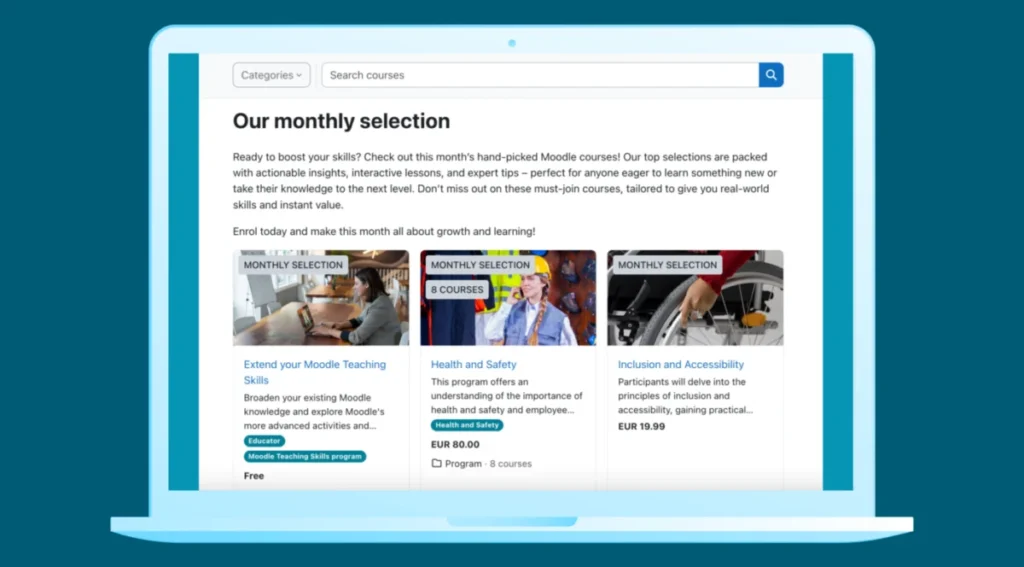
Industry leaders and learning technology providers are actively addressing this evolving landscape. Many are investing heavily in developing more sophisticated learning platforms that prioritize personalization, integration, and continuous development. Companies like Moodle, a widely recognized open-source learning platform, have been at the forefront of discussions around microlearning and its integration into broader learning strategies. Their focus on flexibility and adaptability allows organizations to tailor their learning environments to meet specific needs, whether that involves traditional structured courses or dynamic microlearning pathways.
The future of learning in the workplace hinges on the ability of organizations and their technology partners to effectively bridge the gap between the immediate, micro-level needs of learners and the overarching goal of sustainable, long-term professional development. This requires a fundamental shift in how learning content is designed, organized, and delivered. It necessitates a move beyond mere content repositories towards intelligent, integrated learning architectures that empower individuals to not only acquire knowledge in the moment but also to systematically build the capabilities they need to thrive in an ever-changing professional world. The organizations that successfully navigate this evolution will be best positioned to foster a highly skilled, adaptable, and engaged workforce, driving both individual success and organizational growth.