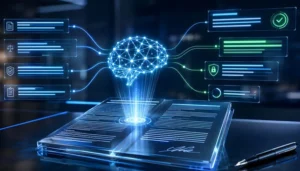


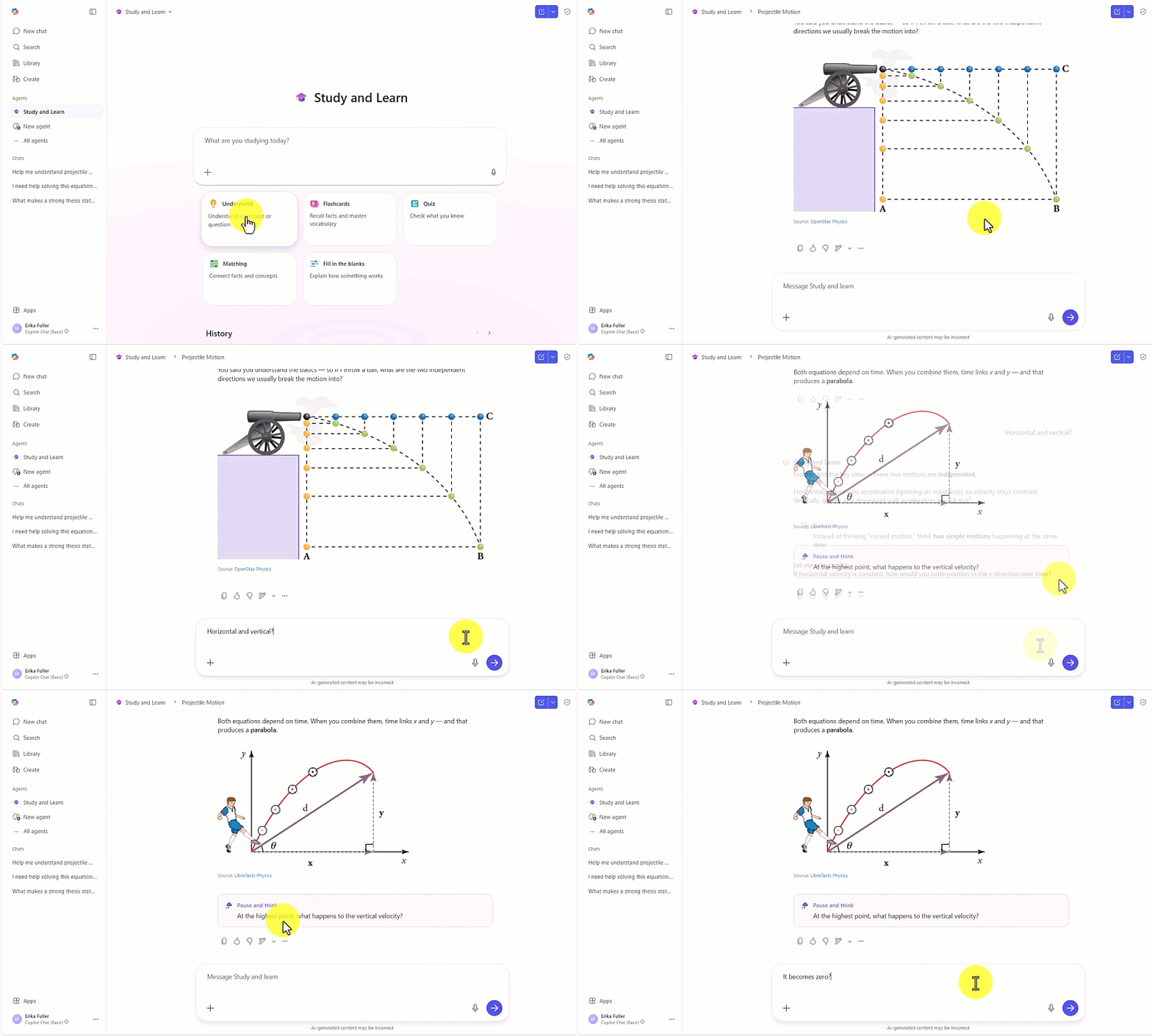
Microsoft has officially announced the general availability of the Study and Learn agent within Microsoft 365 Copilot, marking a significant strategic shift in how generative artificial intelligence is integrated into academic environments. Designed specifically for students aged 13 and older, the tool aims to pivot the role of AI from a passive "answer engine" to an active pedagogical coach. The release comes at a critical juncture for global education, as institutions grapple with the dual challenges of widespread student AI adoption and the preservation of academic integrity. By embedding learning science directly into the Copilot interface, Microsoft is providing schools with a framework that prioritizes cognitive engagement over mere task completion.
The Study and Learn agent is now accessible to all Microsoft 365 Education customers at no additional cost. For K-12 institutions, the tool is governed by strict administrative protocols, remaining disabled by default to ensure that IT departments and school leaders can manage the rollout according to local policies and privacy standards. Once activated, the agent functions as a specialized layer within the broader Copilot ecosystem, requiring no separate login and utilizing the same enterprise-grade data protections that characterize Microsoft’s commercial offerings.
The Evolution of AI in the Classroom: A Brief Chronology
The journey toward the Study and Learn agent began in late 2022, following the public release of large language models that immediately disrupted traditional assessment methods. In early 2023, the initial reaction from many global school districts was to block access to AI tools on campus networks, citing concerns over plagiarism and the erosion of critical thinking skills. However, by mid-2023, data from educational research firms such as Tyton Partners indicated that despite institutional bans, over half of the student population was already utilizing AI for homework and test preparation.
Recognizing this "shadow AI" trend, Microsoft began developing education-specific iterations of its Copilot technology. In early 2024, the company introduced initial previews of AI tools for educators, focusing on lesson planning and administrative efficiency. The culmination of this development cycle is the current general availability of the Study and Learn agent, which represents the company’s most direct effort to date to influence the student-facing side of the AI equation. This release signals a transition from the "prohibition phase" of AI in education to a "managed integration phase," where the focus shifts toward literacy and ethical usage.

Pedagogical Foundations and Learning Science
Unlike general-purpose chatbots that are optimized for speed and succinctness, the Study and Learn agent is built upon established principles of cognitive science. Microsoft’s development team focused on the "learner-in-the-loop" philosophy, ensuring that the AI does not circumvent the mental effort required for long-term retention. The experience is grounded in four primary research-based pillars: active engagement, scaffolded feedback, personalized pacing, and metacognitive reflection.
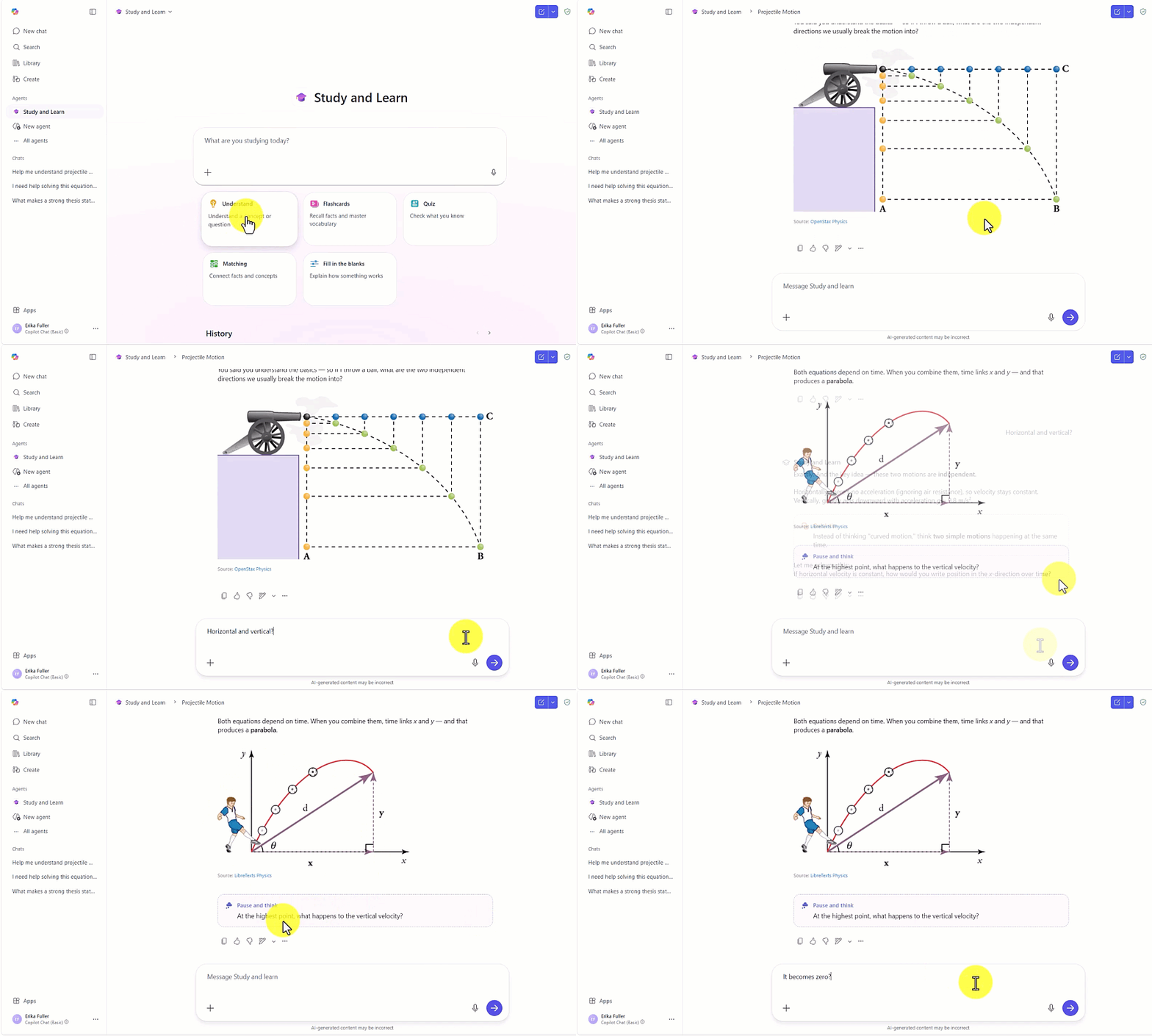
Active engagement is facilitated through interactive modules such as matching activities and flashcard generation. Rather than providing a summary of a biological process, the agent may ask a student to categorize components or predict the next stage of a cycle, forcing the brain to retrieve and apply information. Scaffolding, a concept popularized by educational psychologist Lev Vygotsky, is central to the tool’s problem-solving capabilities. When a student encounters a difficult calculus or physics problem, the agent provides incremental hints rather than the final solution. This process ensures that the student remains the primary agent of their own learning, building confidence and conceptual understanding through guided discovery.
Supporting data from recent educational studies suggests that this "Socratic" approach to AI can lead to better outcomes than traditional tutoring. According to internal research and pilot programs, students using guided AI tools showed a higher propensity for self-correction and a deeper grasp of complex subjects compared to those using standard search engines or unmoderated AI chats.
Administrative Control and Data Sovereignty
A primary barrier to AI adoption in schools has been the concern over data privacy and the potential for student information to be used to train public models. Microsoft has addressed these concerns by integrating the Study and Learn agent into the Microsoft Entra ID (formerly Azure Active Directory) environment. This ensures that all interactions are protected by enterprise-grade security, and student data is not utilized to improve the underlying large language models.
For IT administrators, the rollout process is designed to be granular. In K-12 settings, the Copilot Chat functionality must be explicitly enabled via the Microsoft 365 Admin Center. This allows schools to conduct pilot programs with specific grade levels or subjects before a full-scale deployment. Microsoft has also provided comprehensive video walkthroughs and documentation to assist non-technical school leaders in understanding the configuration requirements. The agent is currently optimized for English (United States), with plans to expand into multiple additional languages in the coming weeks, reflecting the global nature of the Microsoft 365 Education user base.

Institutional Responses and the Shift in Academic Integrity
The reaction from the educational community has been cautiously optimistic. Many school leaders recognize that blocking AI is a losing battle and that providing a "walled garden" version of the technology is the most viable path forward. Statements from various educational technology coordinators suggest that the Study and Learn agent fills a critical gap by providing a tool that teachers can actually recommend to their students.
"The challenge has never been the existence of AI, but the lack of an educational intent in its design," noted a spokesperson for a major metropolitan school district during a recent technology summit. "If the AI is designed to coach rather than to ghostwrite, it becomes an asset to the classroom rather than a threat to the teacher."
By framing the AI as a "coach," Microsoft is attempting to redefine academic integrity for the digital age. In this new paradigm, the use of AI is not viewed as cheating if the tool is used to facilitate understanding. This shift is expected to prompt many institutions to update their Honor Codes and Acceptable Use Policies (AUPs) to distinguish between "generative shortcuts" and "generative learning aids."
Broader Impact and Future Implications for Education
The introduction of the Study and Learn agent is part of a broader ecosystem that includes the "Teach" agent for educators. Together, these tools represent a bidirectional approach to classroom technology. While the Study and Learn agent supports the student, the Teach agent assists educators in curriculum design, grading rubrics, and identifying areas where students may be struggling. This creates a data-informed feedback loop that has the potential to personalize education at a scale previously thought impossible.
One of the most significant implications of this technology is its potential to democratize high-quality tutoring. Historically, personalized, one-on-one coaching has been a luxury available only to students from affluent backgrounds. An AI agent that provides step-by-step guidance and immediate feedback could serve as a powerful equalizer, offering support to students who may not have access to private tutors or whose teachers are managing overcrowded classrooms.
However, the long-term impact on cognitive development remains a subject of ongoing study. Critics argue that even with "scaffolding," an over-reliance on AI could lead to a decline in independent research skills. Microsoft’s counter-argument is that the Study and Learn agent is intended to complement, not replace, traditional instruction. The tool is designed to be used within the context of a teacher-led curriculum, acting as a bridge between the classroom and independent study time.
As the Study and Learn agent moves into wider use, the focus will likely shift to how effectively it can handle diverse learning needs, including students with disabilities or those for whom English is a second language. The planned expansion into additional languages and the integration of more visual and auditory learning aids will be crucial milestones in determining the tool’s ultimate success.
In conclusion, Microsoft’s release of the Study and Learn agent represents a sophisticated attempt to align the power of generative AI with the rigorous demands of the educational sector. By prioritizing the "learner’s thinking" and providing robust administrative controls, Microsoft is setting a new standard for how technology companies interact with the academic world. As the 2024-2025 academic year progresses, the data gathered from the use of this agent will likely provide the most comprehensive look yet at the future of human-AI collaboration in the pursuit of knowledge.