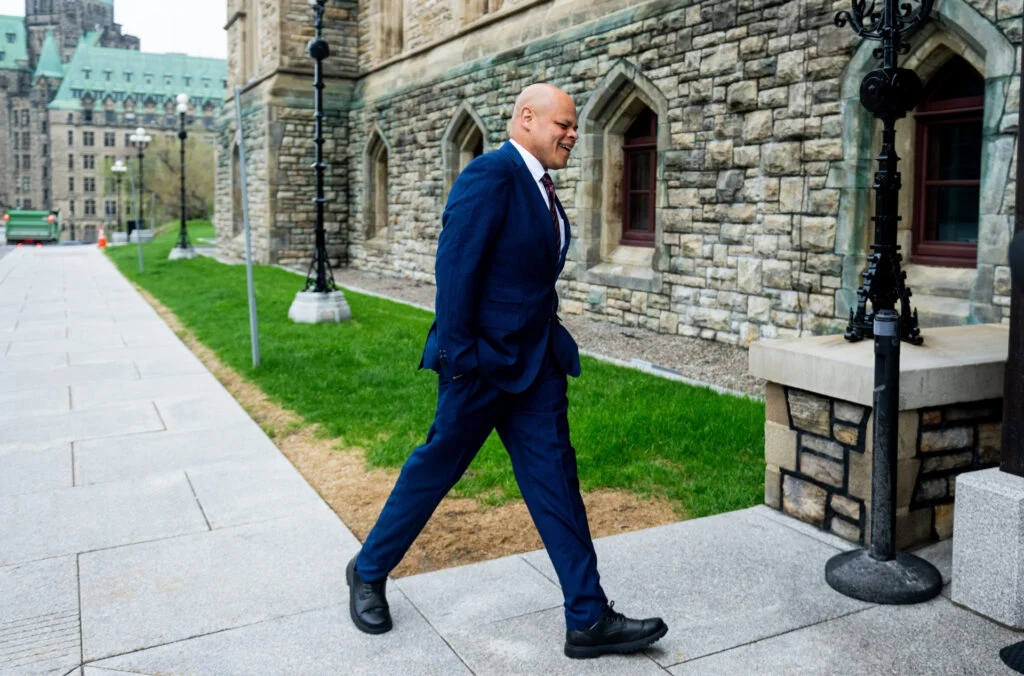


In an era increasingly defined by entrenched opinions and fractured communication, the ability to engage in meaningful dialogue across differences has become a critical, yet elusive, skill. Modern society frequently transforms discussions on anything beyond superficial preferences into potential minefields of emotional outbursts, hurt feelings, and severed relationships. This pervasive challenge has prompted educators and leaders to seek innovative solutions to cultivate environments where constructive engagement can thrive, particularly among the next generation. One such pioneering approach is the "growth discourse" framework, meticulously developed and implemented at the School for Ethics and Global Leadership (SEGL). This model, championed by SEGL’s founder and Head of School, Noah Bopp, offers a pragmatic and profound methodology for equipping students to navigate contentious topics with courage, honesty, and a commitment to personal and collective growth.
The Genesis of Growth Discourse: A Response to Societal Polarization
The impetus for growth discourse stems directly from the observable decline in productive public discourse. Over the past decade, the landscape of communication has grown increasingly polarized, exacerbated by the rise of social media algorithms that often create echo chambers, reinforcing existing beliefs and isolating individuals from diverse perspectives. Research from organizations like the Pew Research Center consistently highlights rising partisan animosity and a decreased willingness to compromise or even understand opposing viewpoints. This environment presents significant challenges for educational institutions tasked with preparing young people for active, responsible citizenship in a complex global society.
It was against this backdrop that Noah Bopp founded the School for Ethics and Global Leadership (SEGL) in 2009. SEGL is a unique semester-long residential program designed for high school juniors from across the United States. Its curriculum is meticulously crafted to emphasize ethical thinking skills, leadership development, and a deep understanding of international affairs. The school’s core mission is to empower students to graduate not just with knowledge, but with the capacity and drive to instigate positive change in the world. From its inception, a foundational piece of SEGL’s programming has been the cultivation of robust discussion techniques, evolving into what is now known as growth discourse. This approach specifically targets the development of skills necessary for productive conversations on subjects that many individuals, regardless of age, would typically shy away from in group settings due to their sensitivity or potential for conflict. The framework acknowledges the heavy role emotions and vulnerability play in such exchanges, while simultaneously prioritizing the courage and honesty required to advance these conversations productively. Its straightforward nature suggests a replicability that could benefit classrooms far beyond SEGL’s campus.
Defining "Growth Discourse": Beyond Mere Civility
At its core, SEGL’s growth discourse model is designed not to simplify difficult discussions, but to challenge students to engage with them more deeply. Noah Bopp clarifies the intentional naming of the framework, distinguishing it from the more commonly invoked "civil discourse." "The motivation for doing it is in the title," Bopp explains. "A lot of people are talking about civil discourse these days. But some people are asking, Why do I need to be civil in a time like this? We believe discourse that helps you grow is essential to our meaningful lives and is also central to a functioning civic ensemble."
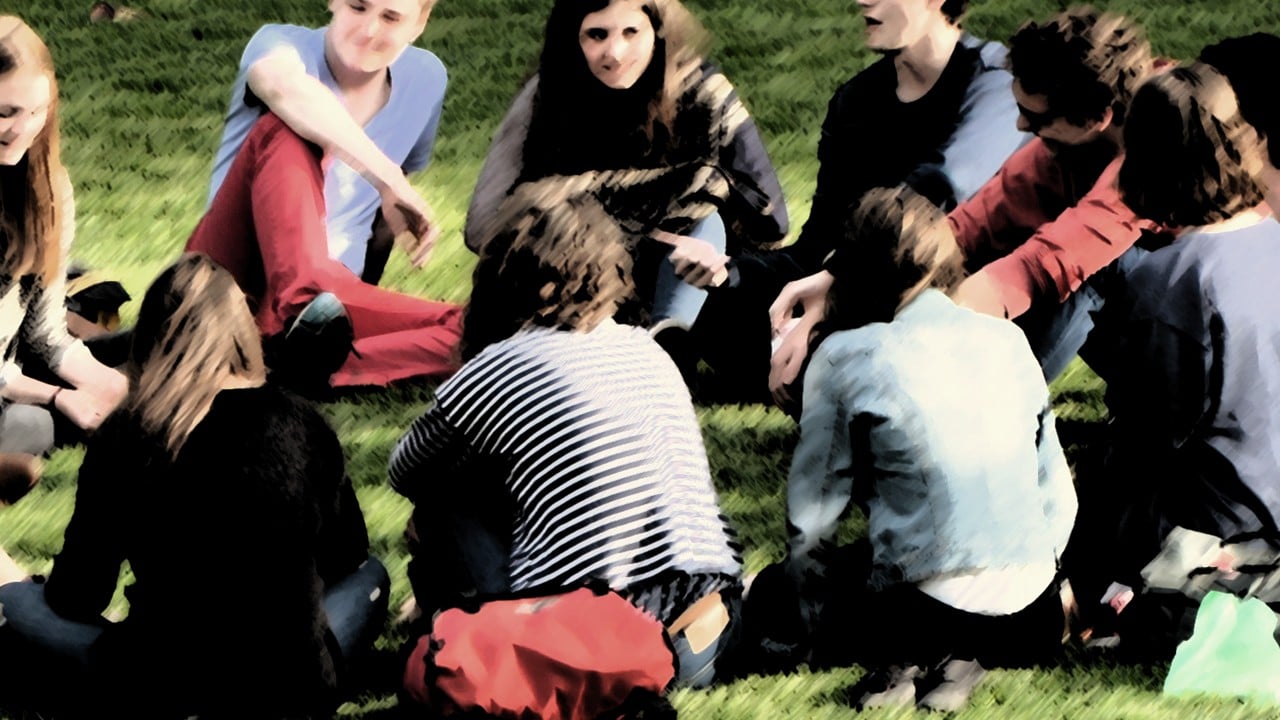
This distinction is crucial. While civility might imply a superficial politeness or an avoidance of confrontation to maintain harmony, growth discourse explicitly embraces the discomfort inherent in challenging one’s own perspectives and engaging with genuinely divergent views. It shifts the mindset for students: "For students, I am about to engage in discourse that may or may not be civil; the point is it’s discourse that’s going to help me grow." For educators, the goal transcends simply "keeping everybody being nice to each other"; instead, the focus becomes "what can I do to make sure that this conversation helps students grow?" This reframing allows for more authentic and transformative learning experiences, where true intellectual and emotional development can occur even amid disagreement.
Navigating Complexities: Avoiding Bothsidesism and Fostering Critical Thought
A key challenge in facilitating discussions on controversial topics is navigating the potential for "bothsidesism," a practice where opposing viewpoints are presented as equally valid, even when one side lacks substantial evidence or ethical grounding. SEGL addresses this head-on, adhering to a principle of being nonpartisan but emphatically not neutral on matters of fact or established ethical consensus.
Bopp elaborates on this nuanced stance: "SEGL is nonpartisan. SEGL is not neutral. We don’t say, ‘The Holocaust, good or bad, you decide,’ right? We don’t say in our science classrooms, ‘Climate change, is that real or not real?’" Instead, when there is a topic where "reasonable, educated people are disagreeing," SEGL equips its students with critical thinking skills. This empowers them to evaluate arguments rigorously, consider the best possible arguments from different sides, and then determine their own informed position. This approach is vital in an age where misinformation and disinformation can easily cloud public understanding.
The school’s pedagogical philosophy prioritizes teaching students how to think, rather than dictating what to think. Bopp warns against the dangers of the latter: "If we err on the side of teaching students what to think — which is so easy to do — we shortcut the critical thinking process and we make that kid susceptible to the next demagogue who comes along. And there are a lot of demagogues in this world right now." This commitment to intellectual independence is a cornerstone of preparing students to be resilient, discerning leaders capable of navigating a complex global landscape and resisting manipulative rhetoric.
The Pillars of Productive Dialogue: SEGL’s Growth Discourse Principles
The growth discourse framework is built upon a set of foundational principles designed to create a safe, yet challenging, environment for deep learning and engagement. These principles are not merely theoretical constructs but are actively woven into the fabric of SEGL’s daily life and curriculum.

1. Begin with Belonging
The bedrock of any effective discourse, particularly on sensitive issues, is a profound sense of belonging among all participants. Before individuals can feel secure enough to express vulnerable or unpopular opinions, they must trust that they are valued members of the community. SEGL achieves this through explicit statements of inclusion, embedding it within their discourse guidelines, and facilitating activities that encourage students to share their identities and personal histories. This fosters empathy and mutual understanding from the outset. Crucially, SEGL actively cultivates a diverse student body and faculty, ensuring a wide array of backgrounds and viewpoints are represented. Bopp emphasizes the practical necessity of this diversity: "If we have a really homogenous group of students, it’s very hard for us to address a difficult topic like Trump’s immigration policy, right? Because we’re going to get similar views and some students are going to feel excluded. But if I can set up an environment where I have students who represent many different backgrounds and many different points of view, and I show those students that they all belong here, then I can create an environment where those students are not on edge when we’re having these conversations." This proactive approach significantly reduces the defensiveness often associated with identity-based discussions, allowing for more authentic exchange.
2. Value Intent and Impact
Discussions on sensitive topics frequently lead to moments where words, though perhaps well-intentioned, cause unintentional harm. This often precipitates debates about whether the speaker’s intent or the listener’s impact is more important. The growth discourse model insists that both are critically important. Bopp clarifies the dual responsibility: "Both of those things matter. If I use, Oh, I’m so sorry, that wasn’t my intent, as if it’s a get out of jail free card, I probably need to do some reflection on the impact I’m having on others." This encourages self-awareness and accountability for one’s communication. Conversely, he notes, "On the other end of the scale, for me to assign a motive to another human being solely based on what that person made me feel, I am at least being unreflective and incurious." This challenges individuals to practice intellectual humility and seek clarification rather than immediately assuming ill intent. This principle fosters emotional intelligence and promotes a more nuanced understanding of interpersonal communication.
3. Avoid Echo Chambers
Human beings naturally gravitate towards those who share similar beliefs, a tendency that, when exclusive, severely limits personal and intellectual growth. The phenomenon of echo chambers, amplified by digital platforms, has been widely recognized as detrimental to societal understanding and problem-solving. SEGL acknowledges this natural inclination but reframes its purpose. Bopp explains, "It makes sense that sometimes you need to go to people with whom you share some things, some ideas, some identity, but at SEGL, we go to those conversations not to disengage, but to figure out how do we re-engage." This implies a strategic use of affinity groups, not as sanctuaries from differing views, but as spaces to refine one’s own arguments and develop strategies for re-entering broader, more diverse discussions with greater clarity and conviction. This principle actively counters the fragmentation of discourse prevalent in society, pushing students towards broader engagement.
4. Follow the STAR Model for Critical Thinking
Central to the practical application of growth discourse is the STAR model, a critical thinking framework adapted from Harvard’s Project Zero Thinking Routines. This model is designed to guide students through a structured process of understanding and ethical decision-making, ensuring thorough consideration before judgment or action.
- SEE: "The most important part of the STAR model is to make sure you are seeing something as fully as you can before you decide what to think about it, before you make a judgment," Bopp states. This phase involves deep investigation, asking questions like: "What can I understand before I judge? What do the experts say? What voices are missing from this conversation? How can we find those voices before we decide what we think?" This emphasizes comprehensive information gathering and perspective-taking, crucial for avoiding premature conclusions.
- THINK: After thoroughly "seeing" the situation from multiple angles, students are encouraged to form their own reasoned judgment. "Ultimately, and particularly as a leader, you do have to decide, what do I think about this situation? Is it good? Is it bad? Is it right? Is it wrong?" This step moves beyond mere observation to active interpretation and ethical evaluation.
- ACT: A significant addition to the Project Zero curriculum, the "ACT" phase underscores SEGL’s leadership focus. "Once you decide what you think — and this is a major addition we made to the Project Zero curriculum — as leaders, we have to decide what to do, how to act." This translates theoretical understanding into practical application, demanding students consider the real-world consequences of their judgments. Examples include voting decisions, ethical dilemmas like cheating, or choosing between honesty and loyalty.
- REFLECT: The final stage, "REFLECT," closes the loop of learning. "We want to reflect on what we just did. Did we like it? Did we not like it? What was the response that we got? What might we do next time?" This iterative process is vital for continuous improvement. The beauty of this model, Bopp notes, is that "that R in the STAR becomes part of the next S. It becomes part of the ‘see’ the next time we face a similar situation," ensuring that each experience informs future understanding and action.
Implementing Growth Discourse: Advice for Educators
For educators inspired to integrate the growth discourse model into their own classrooms, Noah Bopp offers practical, actionable advice:
- Start Small and Build Confidence: Do not immediately tackle the most explosive topics. Begin with less emotionally charged disagreements to allow students to practice the framework’s principles and build confidence in their ability to engage constructively. Gradually introduce more complex issues as both students and teachers become more comfortable with the process. This phased approach reduces anxiety and fosters a sense of psychological safety.
- Model the Behavior Explicitly: Teachers must embody the principles of growth discourse themselves. This means demonstrating vulnerability, actively listening, asking clarifying questions, and admitting when they don’t know an answer or have made a mistake. By modeling the desired behaviors, educators create a powerful example for their students and establish a classroom culture where growth is truly valued over being "right."
- Embrace Discomfort as a Sign of Growth: Recognize that productive discussions on difficult topics will inherently involve discomfort. Teachers should prepare themselves and their students for this reality, reframing discomfort not as a negative signal to cease discussion, but as an indicator that genuine learning and perspective-shifting are occurring. Creating a classroom norm that acknowledges and processes this discomfort can transform it into a catalyst for deeper understanding.
SEGL’s faculty stands ready to support educators interested in adopting this framework, offering resources and guidance through their website or direct contact with Noah Bopp at [email protected].

Cultivating Optimism: The Enduring Power of Education
In a world grappling with intense division and often toxic discourse, the question of whether humanity can navigate these challenges effectively looms large. When asked about his optimism regarding our collective ability to overcome this chapter, Bopp offers an unequivocal "fast yes." His conviction is rooted in a profound belief in the transformative power of education, a sentiment he eloquently illustrates with a quote from Plato’s Republic: "Education is not about putting sight into blind eyes."
Bopp expands on this philosophical foundation: "The effective educator assumes that the power to learn is already present in the soul of the learner. And that means the goal of the educator is to give the learner places to look and questions to ask." This perspective highlights a fundamental trust in human potential. By providing students with "places to look" – the current challenges facing the world – and "questions to ask" – the timeless ethical inquiries that transcend culture, time, age, and language – Bopp believes that "the goodness that is already present in the learner will be uncovered." This "fundamental belief in the goodness of every human being," though potentially seen as naive by some, serves as a powerful guiding principle for Bopp as both an educator and a leader.
The widespread adoption of frameworks like growth discourse holds significant implications for the future of democratic societies. By cultivating individuals who are not only knowledgeable but also ethically discerning, capable of critical thought, and skilled in empathetic engagement, educational institutions can empower a generation to bridge divides, foster collaboration, and actively contribute to solutions for complex global problems. The principles championed by SEGL offer a beacon of hope, demonstrating that through intentional pedagogical design, it is possible to cultivate the civic virtues necessary for a more understanding, resilient, and ultimately, better world. The investment in teaching young people how to engage with difference is an investment in the very fabric of future societies.