

The international travel community is observing a significant shift in the methodology of long-term nomadic exploration as Benny Lewis, the founder of the "Fluent in 3 Months" platform and a prominent figure in the language-learning sector, has announced a formal departure from traditional country-based travel metrics. After 23 years of continuous global movement, Lewis is advocating for a transition toward "deep travel," a model that prioritizes the exhaustive exploration of sub-national entities—such as states, provinces, and regions—over the mere accumulation of national stamps. This strategic pivot comes as the travel industry grapples with the rise of "trophy tourism," where the speed of transit often supersedes cultural and linguistic immersion.
The Evolution of the Nomadic Metric
Since departing his native Ireland in 2003, Lewis has visited 51 countries, a figure that places him among the world’s most traveled individuals. However, in a recent address to his global audience, Lewis identified a fundamental flaw in the "country counting" metric. He noted that while he possesses a deep understanding of approximately 40 of these nations—having lived in them for extended periods and achieved linguistic proficiency—the remaining 10 were visited primarily to satisfy a numerical goal. This realization has prompted a total reassessment of what constitutes a successful travel career.
The new objective defined by Lewis involves the pursuit of visiting every primary sub-national division on the planet. According to the International Organization for Standardization (ISO) 3166-2, which defines codes for the principal subdivisions of all countries, there are several thousand such regions globally. Lewis estimates the number of relevant "dots on the map" to be approximately 3,000. This shift represents a move from a finite, achievable goal to a lifelong process, where the emphasis is placed on the journey and local interactions rather than a final completionist "scoreboard."
Analytical Comparison: Country vs. Regional Metrics
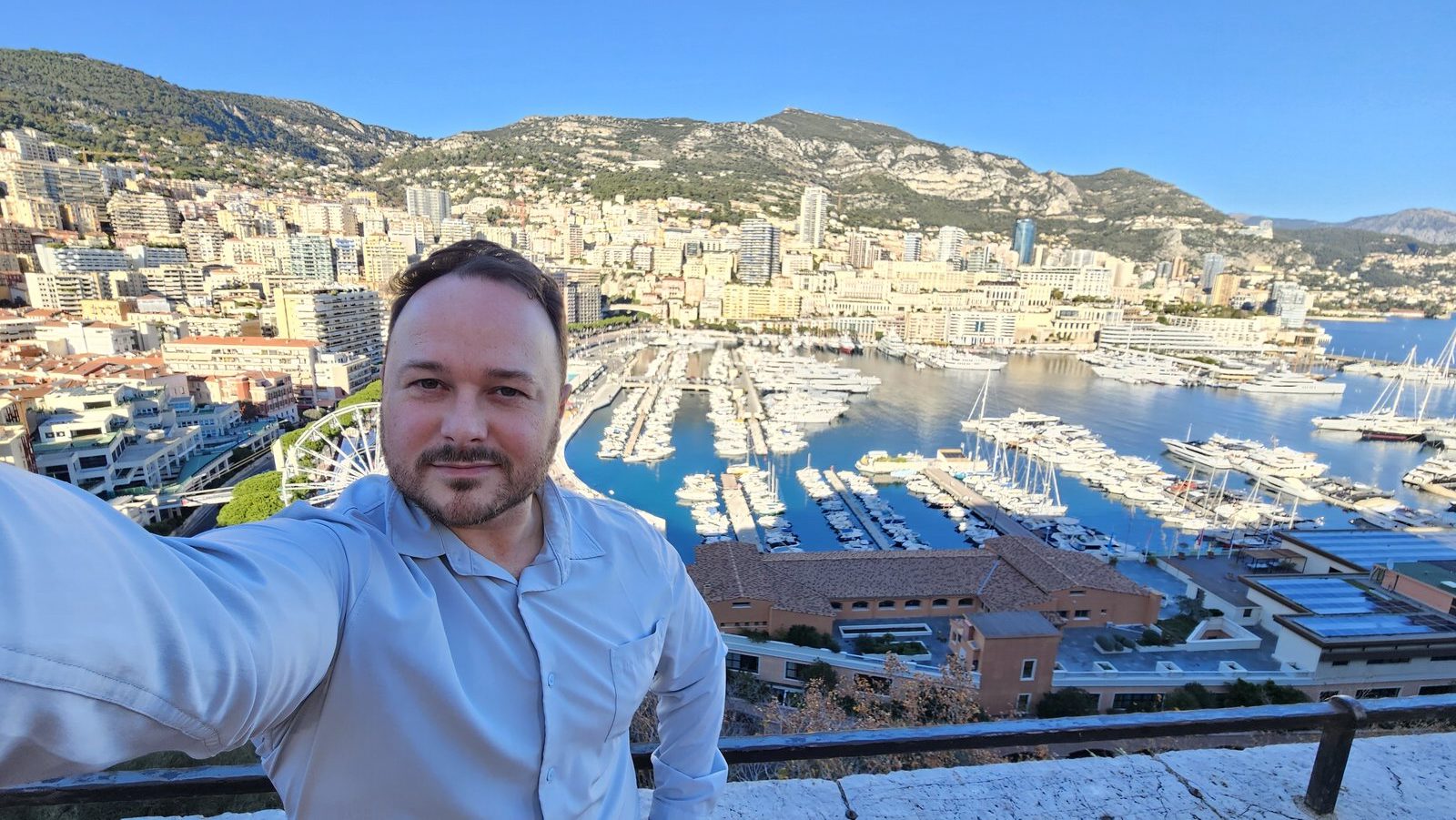
The critique of country-based travel metrics centers on the disproportionate "value" assigned to different landmasses. Under traditional counting rules, a visit to a microstate like Monaco or the Vatican City carries the same statistical weight as a comprehensive journey through Brazil or the United States.
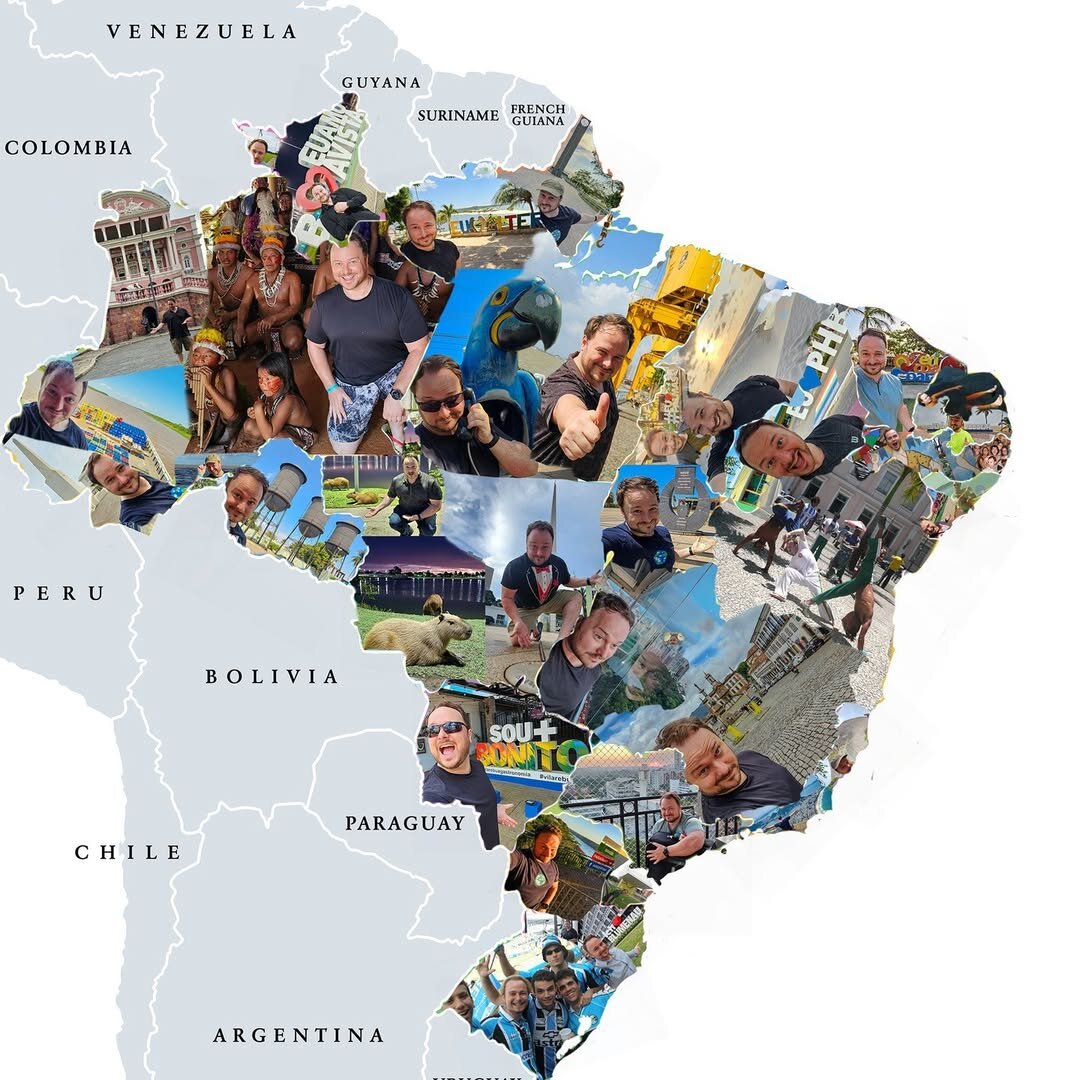
Brazil, the world’s fifth-largest country by area, serves as the primary case study for Lewis’s regional approach. Over the course of two decades, Lewis completed a project to visit all 26 Brazilian states and the Federal District. This endeavor required tens of thousands of kilometers of overland travel, primarily via bus and riverboat. By traversing the Amazon from its Peruvian origin to the Atlantic coast, Lewis accessed regions such as Roraima, Acre, and Amapá—territories that remain largely unvisited even by the majority of the Brazilian domestic population.
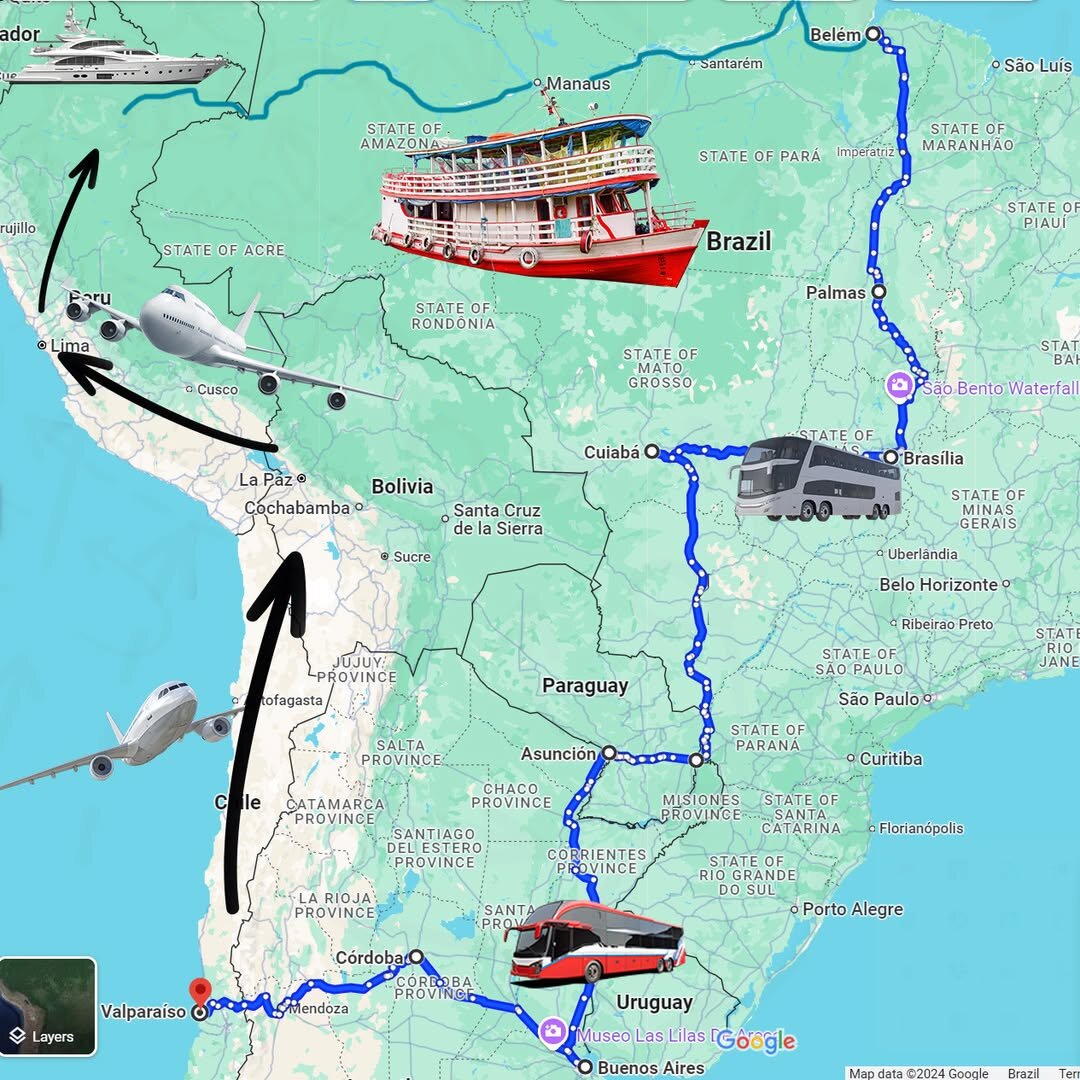
This regional depth provides a stark contrast to the "shallow" experience of visiting a capital city for a weekend. While a tourist might "tick off" Brazil after 48 hours in Rio de Janeiro, Lewis’s data suggests that such an approach ignores the vast cultural, linguistic, and ecological diversity inherent in continental-sized nations.
Chronology of a Two-Decade Journey
The transition to regional exploration is the culmination of a 23-year chronological evolution in Lewis’s travel philosophy:
- 2003–2010: The Formative Years. Lewis began his nomadic lifestyle, focusing heavily on the "Fluent in 3 Months" mission. Travel was a secondary byproduct of language immersion in major European and South American hubs.
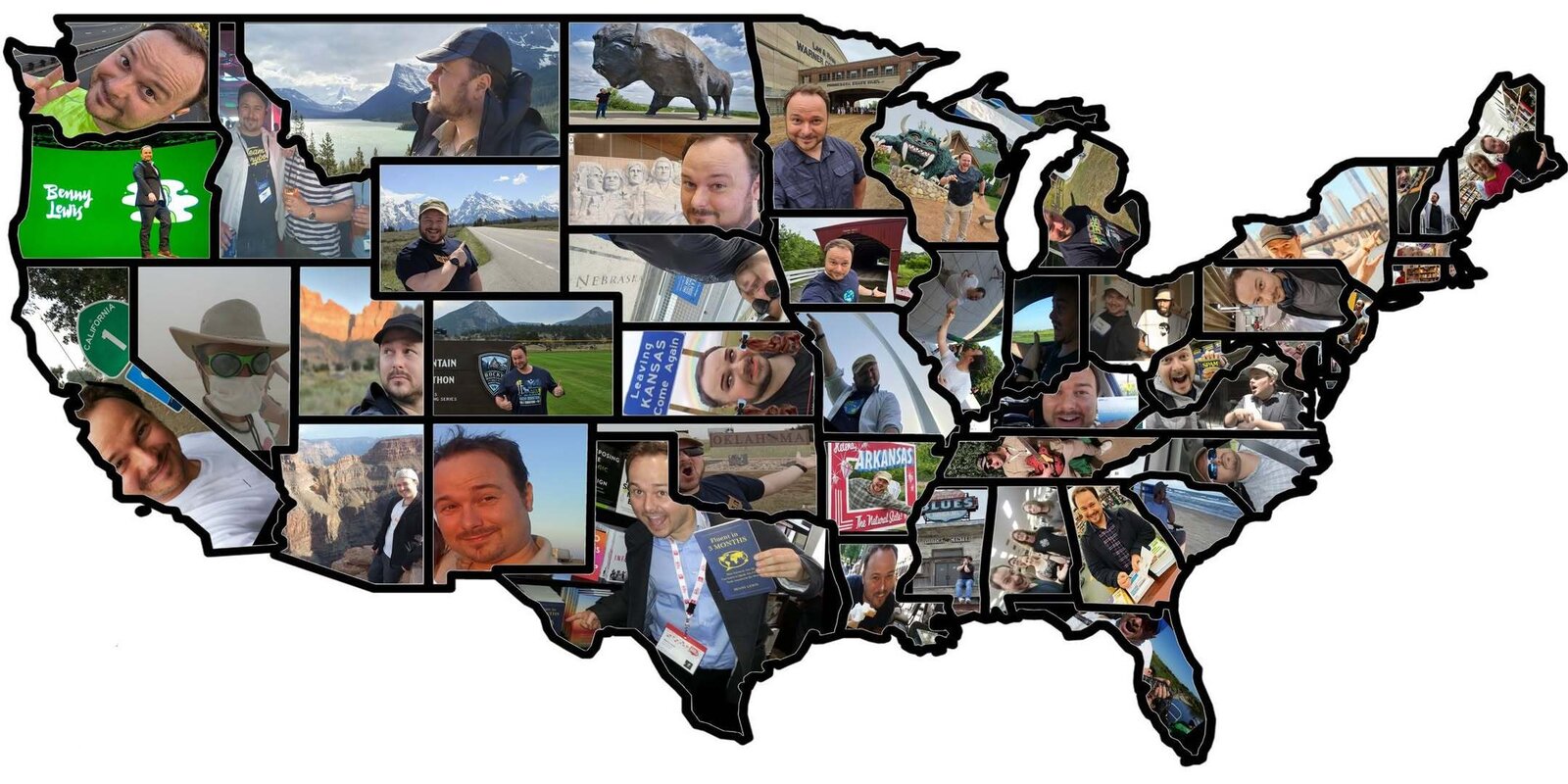
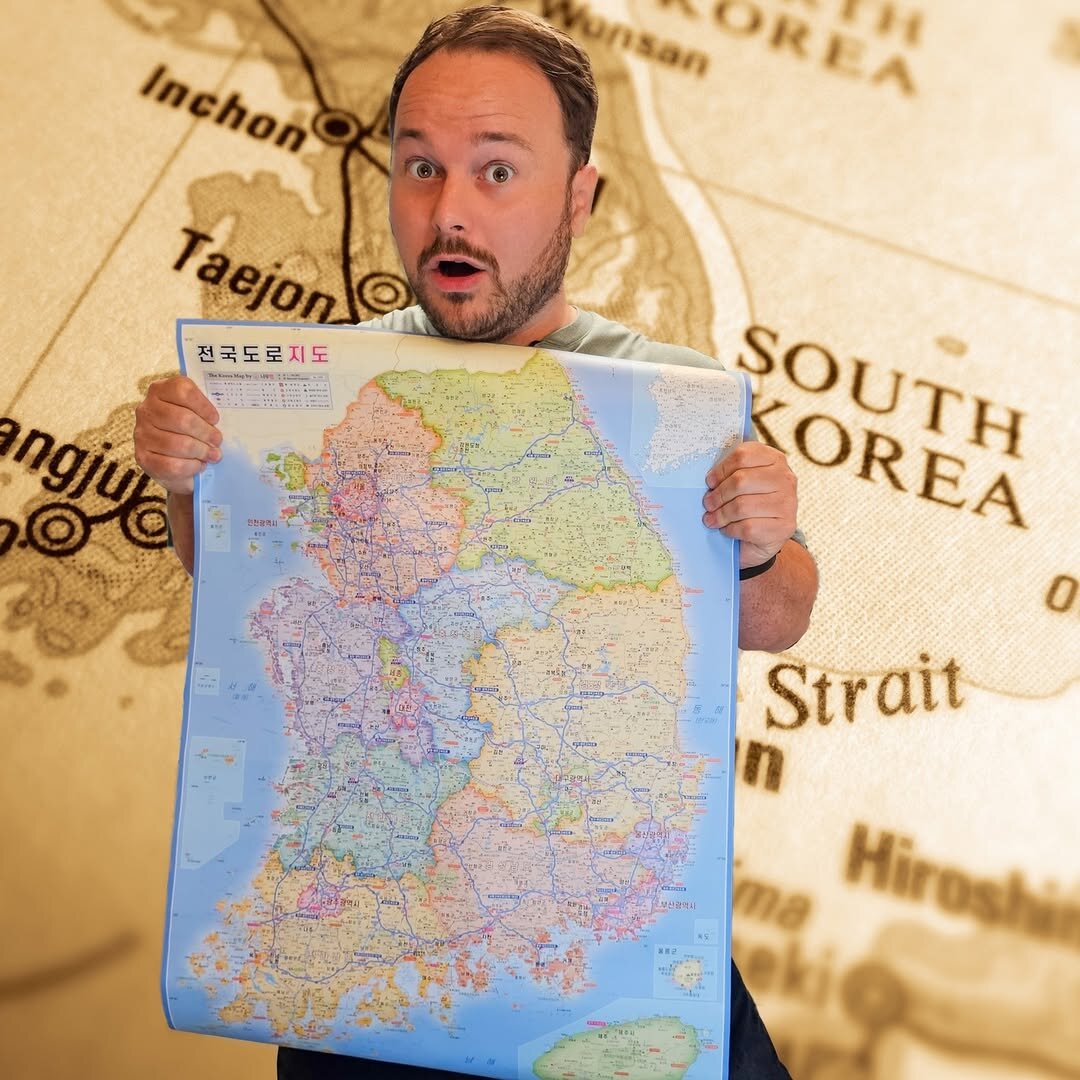
- 2011–2018: The Expansion Phase. During this period, Lewis completed several large-scale regional projects, including visiting all 48 contiguous states of the United States and all provinces in South Korea.
- 2019–2023: The Hiatus and Reflection. Facing personal challenges and a global pandemic, Lewis retreated from the public eye. This period allowed for a critical analysis of the "influencer" travel model and the negative impact of "speed travel" on mental health and cultural authenticity.
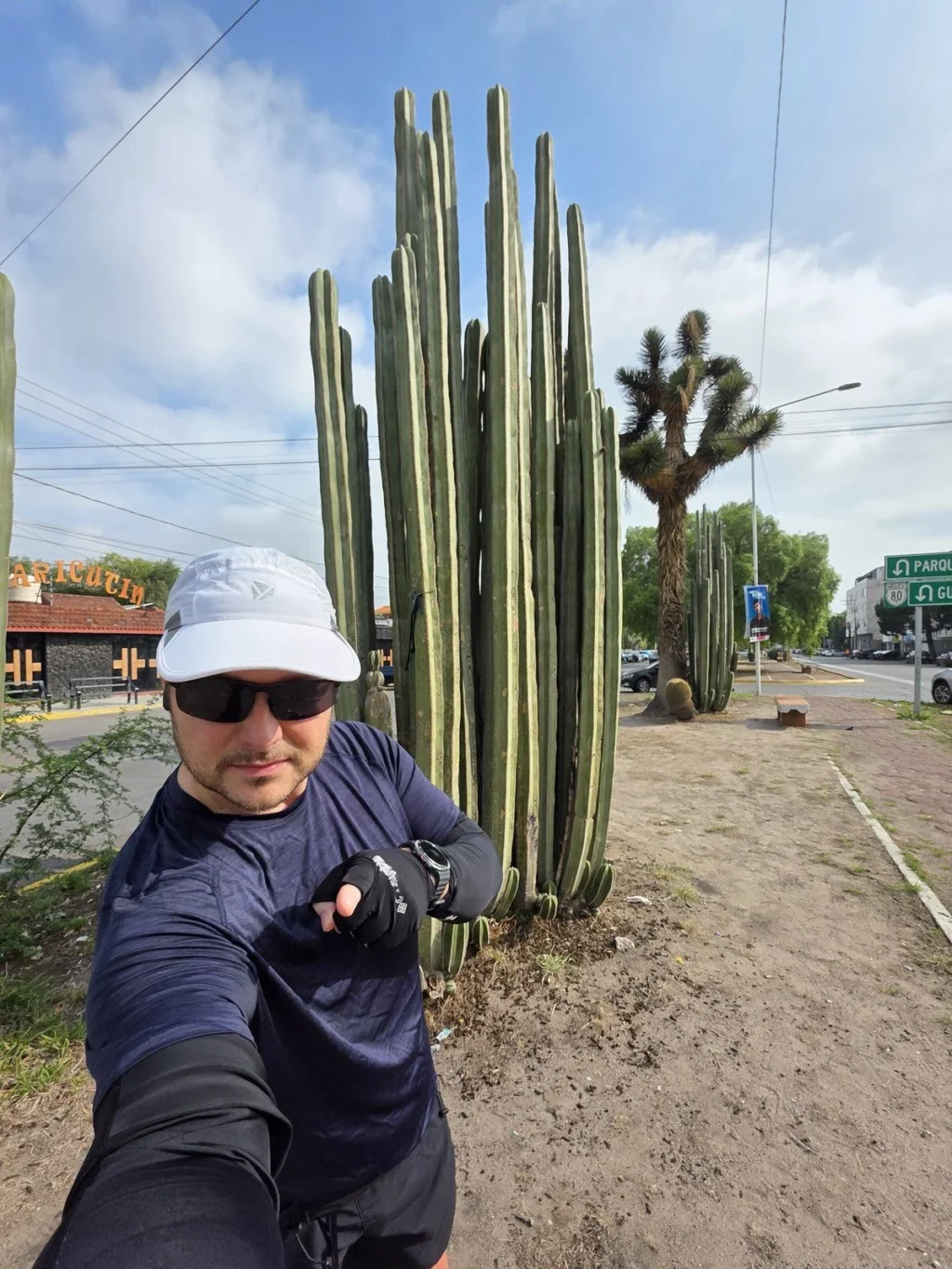
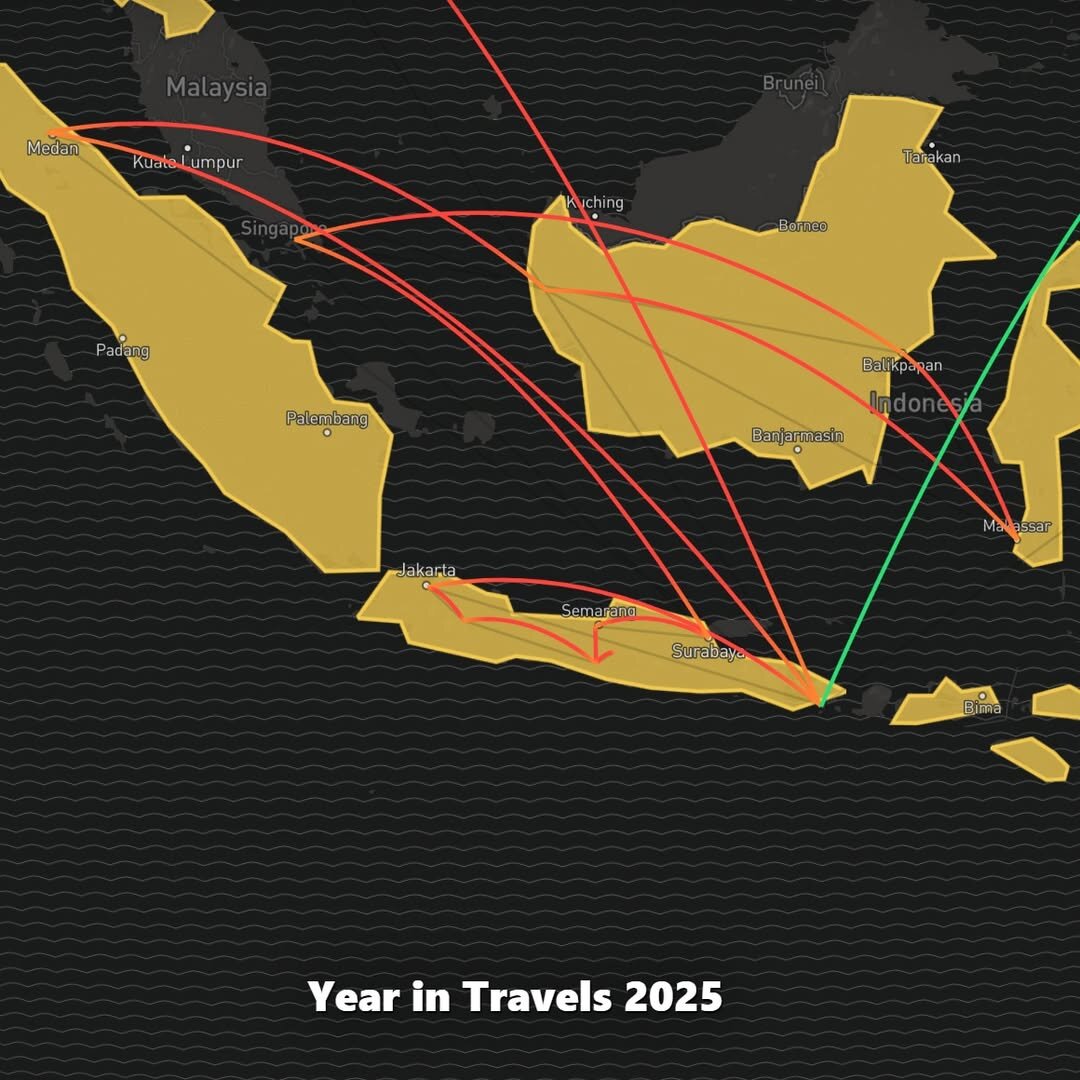
- 2024–Present: The Regional Paradigm. Lewis has returned to active travel with a focus on Mexico and Indonesia. He has currently reached 20 of Mexico’s 31 states, prioritizing secondary cities over established tourist corridors.
The Socio-Linguistic Impact of Deep Travel
A critical component of Lewis’s methodology is the integration of language learning with regional transit. In his recent explorations of Indonesia’s western islands and Mexico’s interior, Lewis emphasized that linguistic proficiency is the primary tool for de-sanding the tourist experience.
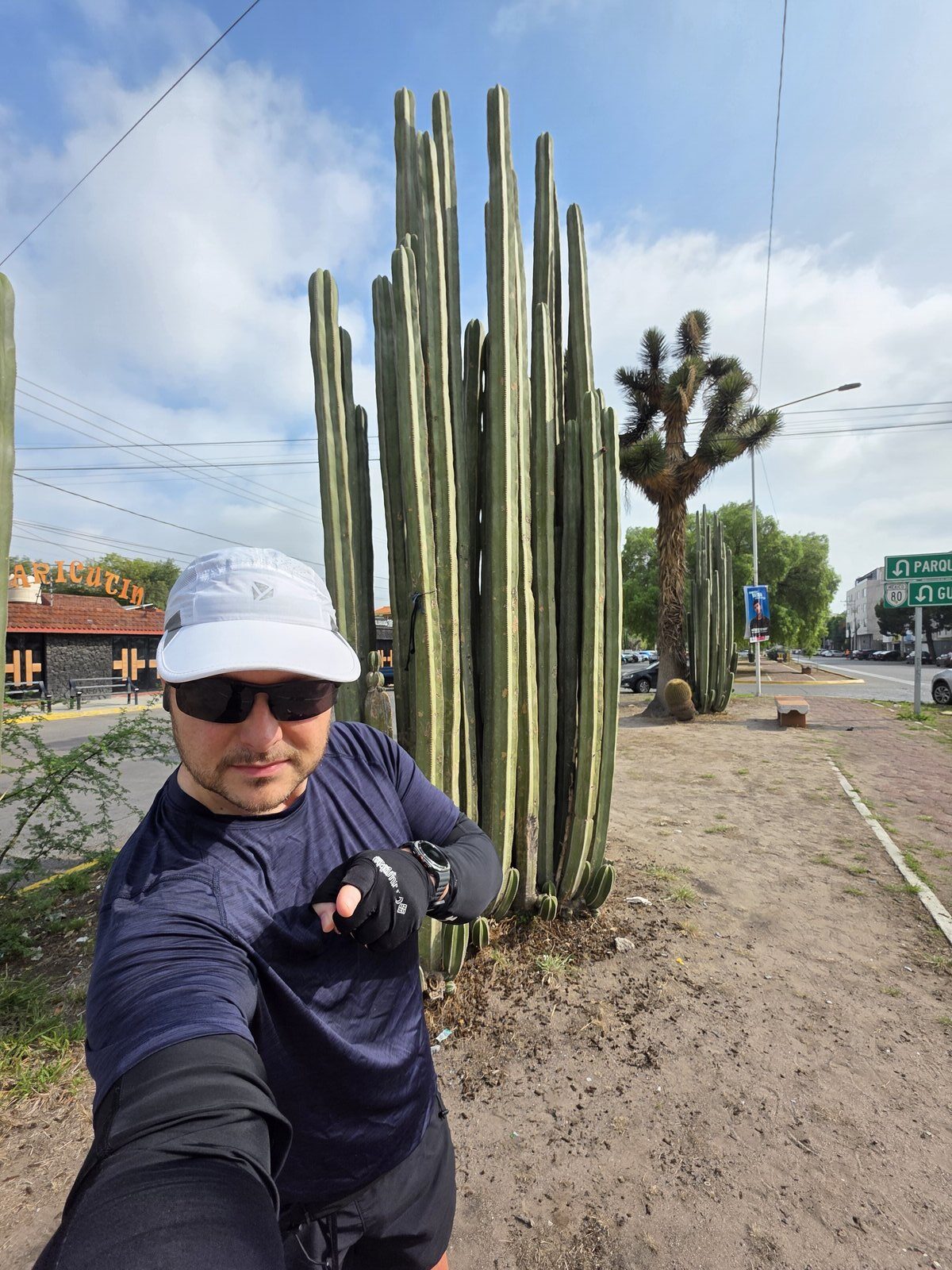
In the Mexican state of San Luis Potosí, Lewis reported that his ability to communicate in Spanish allowed him to form genuine connections with residents in non-tourist districts. Journalistic analysis suggests that this "deep travel" model benefits both the traveler and the host community. By visiting regions that are not "sanded down" for international tourism, travelers like Lewis inject capital into local economies that do not typically benefit from foreign exchange. Furthermore, these interactions facilitate a more accurate cross-cultural exchange, as residents in these areas are often meeting a foreigner for the first time, leading to interactions based on curiosity rather than commercial transaction.
Economic and Logistic Realities of Long-Term Nomadism
The feasibility of visiting 3,000 regions is underpinned by the modern "digital nomad" economy. Lewis, who works online and earns in a strong currency, leverages the "geo-arbitrage" model, where income from developed economies is spent in regions with a lower cost of living.
However, Lewis is transparent regarding the trade-offs required for such a lifestyle. He maintains no permanent residence and carries his entire life’s possessions in a single suitcase. This minimalist approach is a logistical necessity for the overland travel required to reach remote provinces. The upcoming phases of his project will reportedly focus on the "unglamorous" side of this lifestyle, including the practicalities of social integration in new cities and the management of long-term nomadic logistics.
Industry Reactions and Broader Implications
The travel industry is currently witnessing a broader movement toward "Slow Travel" and "Undertourism" initiatives. Lewis’s public rejection of the "country scoreboard" aligns with these trends. Industry analysts suggest that the "Instagrammification" of travel has led to over-tourism in a handful of global hotspots—such as Venice, Bali, and Rio—while leaving 90% of the world’s regions unexplored.
By advocating for the exploration of every state and province, Lewis is providing a blueprint for a more sustainable and distributed form of global tourism. This approach encourages travelers to bypass congested hubs in favor of "tier-two" and "tier-three" cities.
Responses from the online travel community have been largely positive, with many citing "travel burnout" as a result of trying to maximize country counts. The sentiment reflects a growing exhaustion with the competitive nature of modern travel and a desire for the "real places" Lewis describes—locations where the local culture remains intact and the arrival of a visitor is a novelty rather than a nuisance.
Future Outlook: The Mexico Project and Beyond
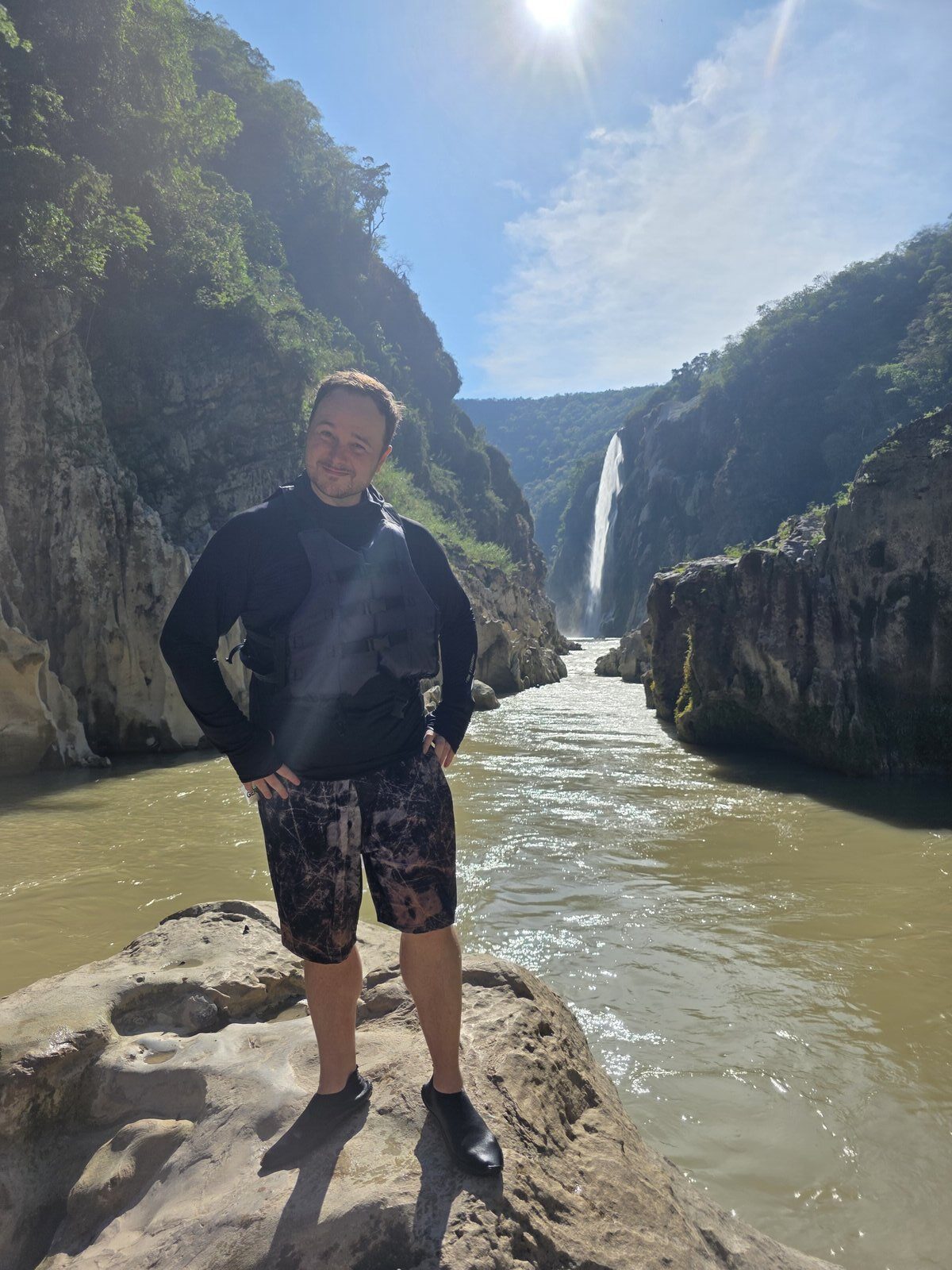
As of late 2024, Lewis remains stationed in Mexico, systematically working through the remaining 11 states of his current project. He has indicated that his return to public documentation will include a series of technical guides on how to replicate this deep travel model. This will cover everything from finding local social events in non-English speaking cities to the psychological resilience required for long-term isolation.
While Lewis admits that he will likely never "finish" the list of 3,000 regions, the abandonment of the finish line is the defining characteristic of his new philosophy. The goal is no longer a number; it is the rejection of speed in favor of substance. In an era of instant gratification and superficial digital markers, Lewis’s commitment to the "every state" project represents a return to the traditional roots of exploration, where the value of a journey is measured by the depth of the roots planted, however temporarily, in the local soil.