


A groundbreaking study from psychologists at the Università Cattolica in Milan has provided compelling evidence that placebos, even when their inert nature is fully disclosed, can significantly improve both physical performance and cognitive function in older adults. Published in the International Journal of Clinical and Health Psychology, the research challenges conventional understanding of the placebo effect, suggesting a powerful and ethically sound pathway to support healthy aging. The findings indicate that the mind’s capacity to influence the body remains robust even in later life, offering a non-pharmacological avenue for enhancing well-being.
The Enduring Enigma of the Placebo Effect
The concept of the placebo effect, where a treatment with no intrinsic therapeutic value produces a real physiological or psychological benefit, has fascinated medical science for centuries. Historically, placebos were often administered deceptively, leading to ethical dilemmas. The traditional understanding posits that the effect relies heavily on the patient’s belief that they are receiving an active treatment. However, a growing body of research, including this latest study from Milan, is exploring the efficacy of "open-label" placebos – where participants are explicitly informed that they are receiving an inactive substance but are told that the act of taking it, coupled with positive expectations, can still trigger beneficial mind-body responses.
The history of placebo research is dotted with intriguing discoveries. From ancient physicians employing inert substances to 18th-century "mesmerism" and 19th-century "quack remedies," the power of suggestion and expectation has long been observed. It wasn’t until the mid-20th century that systematic studies began to quantify the placebo effect, particularly in pain management and depression trials, revealing its significant contribution to patient outcomes. These early studies, however, almost invariably involved deception, a practice that, while medically expedient for research, raised concerns among ethicists. The shift towards open-label placebo research represents a significant evolution, seeking to harness the mind’s healing potential without compromising transparency.
Addressing the Challenges of Healthy Aging
As global demographics shift towards an increasingly aging population, the imperative to foster healthy aging becomes ever more critical. The United Nations projects that by 2050, one in six people in the world will be over age 65, up from one in eleven in 2019. This demographic change brings with it a surge in age-related health challenges, including declines in cognitive function such as memory and attention, and reductions in physical capabilities like strength and mobility. These declines can significantly impact quality of life, independence, and healthcare systems. Current interventions often involve pharmacological treatments, lifestyle modifications such as diet and exercise, and cognitive training programs. While effective, these approaches can have limitations, including side effects, adherence issues, or varying degrees of efficacy. The search for complementary, low-cost, and accessible strategies is ongoing.
Until now, direct investigation into whether a traditional placebo could influence abilities that naturally decline with age had been limited. Professor Francesco Pagnini, a Full Professor of Clinical Psychology at the Faculty of Psychology of the Università Cattolica, highlighted the significance of this gap in research: "The study is part of an established line of research in which we analyze the role of the mind in aging processes, which is very important." He further elaborated on the study’s specific ambition: "Our goal was to clarify whether an open-label placebo therapy (i.e., where the recipient is aware it is a placebo) or a fake supplement (people don’t know it’s a placebo) could influence psychological, cognitive, and physical functions in older adults living in the community." This focus on community-dwelling older adults is crucial, as it represents a large segment of the population striving to maintain independence and well-being.
Methodology: A Rigorous Three-Week Intervention
To systematically explore this question, the research team, led by Diletta Barbiani, Alessandro Antonietti, and Francesco Pagnini, recruited 90 healthy older adults from the community. Participants were carefully selected to ensure they did not have significant cognitive impairment or severe chronic health conditions that could confound the results, thereby isolating the effects of the placebo intervention on typical age-related changes. The cohort was then randomly assigned to one of three distinct groups, a standard practice in clinical trials to minimize bias and ensure comparability between groups.
The design of the intervention was as follows:
- Control Group: This group received no treatment or intervention whatsoever. They served as a baseline to measure natural changes over the study period and account for any effects not attributable to the placebo.
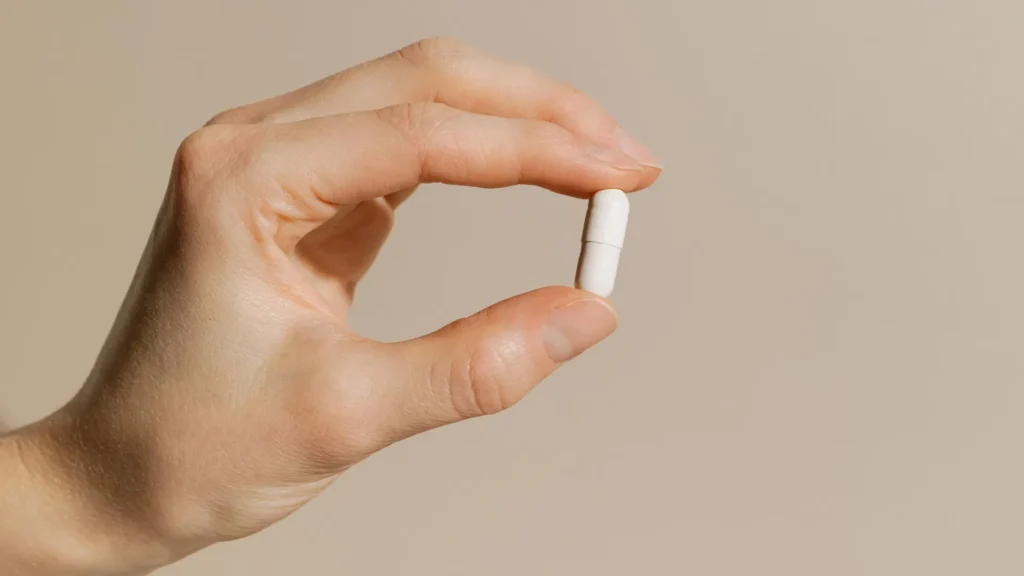
- Deceptive Placebo Group: Participants in this group received inactive pills but were informed that the pills contained active ingredients specifically formulated to enhance general well-being and improve physical function. This mimicked the traditional, deceptive use of placebos, designed to leverage the power of belief in an active treatment.
- Open-Label Placebo Group: This innovative group also received the same inactive pills, but with a crucial difference. They were openly informed that the pills were placebos, containing no active pharmacological ingredients. Critically, they were also educated about the concept of the mind-body connection and the potential for placebos to trigger beneficial responses through self-healing mechanisms and positive expectations. This approach aimed to test whether conscious awareness of a placebo’s inertness would negate its effects or, surprisingly, amplify them.
Over a three-week period, all participants maintained their assigned conditions. Before the intervention began and immediately after its conclusion, a comprehensive battery of assessments was administered. These included self-report questionnaires designed to gauge subjective experiences and objective tests to measure quantifiable physiological and cognitive functions.
The questionnaires covered a range of psychological and emotional states:
- Perceived Stress: Levels of subjective stress experienced.
- Psychological Well-being: Overall emotional health and life satisfaction.
- Sleepiness and Fatigue: Measures of energy levels and alertness.
- Optimism: General outlook and positive expectations.
- Self-Efficacy: Belief in one’s own ability to succeed in specific situations.
- Stereotypes about Aging: Perceptions and beliefs about aging, which can influence self-perception and performance.
Objective tests provided quantifiable data on key abilities:
- Short-Term Memory: Assessed through tasks requiring immediate recall of information.
- Selective Attention: Measured the ability to focus on relevant information while ignoring distractions.
- Physical Performance: Evaluated through standardized tests of mobility, balance, and endurance, such as walking speed, grip strength, or chair stand tests, which are common indicators of functional independence in older adults.
This multi-faceted assessment strategy allowed the researchers to capture a holistic picture of the participants’ physical, cognitive, and psychological states before and after the placebo intervention, providing robust data for comparison across the three groups.
Remarkable Gains: Cognitive, Physical, and Psychological Improvements
The results, unveiled after the three-week intervention, were striking and offered compelling support for the efficacy of placebo interventions in older adults, particularly the open-label approach.
Participants in the open-label placebo group demonstrated significant and diverse improvements:
- Stress Levels: They experienced a noticeable reduction in perceived stress, outperforming both the deceptive placebo group and the control group. This suggests that the conscious understanding of the mind-body connection, even without a ‘real’ drug, can be a powerful stress mitigator.
- Short-Term Memory: Compared to the control group, those who knowingly took placebo pills showed significant improvements in short-term memory tasks. This is particularly noteworthy given the natural decline in memory often associated with aging.
- Physical Performance: This group saw a substantial increase of 9.2% in physical performance metrics.
- Cognitive Performance: Depending on the specific cognitive test, scores in this group improved by an impressive range of 6.9% to 21.5%.
The deceptive placebo group also exhibited positive changes, though generally less pronounced than the open-label group:
- Physical Performance: An increase of 7% was observed in physical performance.
- Cognitive Performance: Cognitive scores improved by 12.6% to 14.6% across various tests.
Overall, both placebo groups experienced gains in cognitive and physical performance, underscoring the general potency of the placebo effect in this population. However, the stronger and, in some cases, superior improvements observed in the open-label placebo group were a key finding. This indicates that transparency about the inert nature of the intervention does not necessarily undermine its effectiveness; rather, it may empower individuals by engaging their conscious will and understanding of self-healing.
Professor Pagnini emphasized the practical significance of these findings: "These are significant effects, comparable to those seen in some experimental studies on physical activity regarding physical performance and cognitive training, especially with regard to memory." This comparison is critical, as it positions placebo interventions as potentially viable alternatives or complements to established, resource-intensive methods of promoting healthy aging. For instance, studies on regular moderate exercise often report improvements in physical function ranging from 5-15% over several weeks or months, while cognitive training programs typically yield improvements of 5-20% in specific trained domains. The placebo effect, therefore, appears to tap into a similar magnitude of benefit.
Beyond memory and physical prowess, researchers also observed reductions in drowsiness across the placebo groups, with stress levels showing the most significant improvement among participants aware they were taking a placebo. This suggests a holistic impact on general well-being, influencing not just specific functions but also subjective states of energy and calm.
The Power of Belief: Open-Label Placebos as an Ethical Frontier
The finding that open-label placebos performed as well as, or in some instances better than, deceptive placebos represents a pivotal moment in placebo research. It addresses the long-standing ethical concerns associated with administering inert treatments without full disclosure. For decades, the ethical quandary of deception has limited the widespread clinical application of placebos, despite their known efficacy in various conditions. The Milan study suggests a path forward where the benefits of the placebo effect can be harnessed transparently.
The mechanism behind the open-label placebo effect is thought to involve several psychological and neurobiological pathways. When individuals are informed about the placebo effect and encouraged to embrace its potential, they may consciously activate their body’s self-regulatory systems. This could involve:
- Expectation: Even knowing the pill is inert, the expectation of improvement, coupled with the framing by a trusted professional, can trigger physiological responses.
- Conditioning: Past experiences with medicine and healing, even if unconscious, can create conditioned responses. The act of taking a pill, in a clinical context, can be a powerful ritual.
- Mindfulness and Self-Efficacy: The emphasis on the mind-body connection might encourage a more mindful approach to one’s own health and empower individuals with a sense of self-efficacy – the belief that they can actively contribute to their own well-being.
- Reduced Anxiety: Knowing one is actively doing something, even if it’s taking an inert pill, can reduce health-related anxiety, which itself can negatively impact physical and cognitive function.
This shift towards open-label placebos paves the way for their integration into clinical practice as a promising and ethically acceptable strategy for supporting healthy aging. It offers a non-invasive, low-cost intervention that can be implemented alongside existing treatments.
Broader Context: The Global Challenge of Aging and Institutional Support
The study was supported by PNRR grants through the Age-IT project, underscoring the national and European commitment to addressing the challenges and opportunities presented by an aging population. The PNRR (Piano Nazionale di Ripresa e Resilienza – National Recovery and Resilience Plan) is Italy’s ambitious plan to access funds from the European Union’s NextGenerationEU program, designed to stimulate economic recovery and drive green and digital transitions. Research and innovation, particularly in areas like health and aging, are key pillars of the PNRR. The Age-IT project specifically focuses on innovative solutions for an aging society, making this research a direct output of strategic national investment in public health and well-being. This institutional backing highlights the perceived importance and potential impact of such studies.
The implications for public health are substantial. With healthcare systems globally facing increasing pressure from an aging demographic, cost-effective, non-pharmacological interventions are highly desirable. The ability to improve cognitive and physical function, and reduce stress, through an ethically sound placebo approach could have far-reaching benefits, from enhancing individual quality of life and maintaining independence to potentially reducing the burden on formal care services.
Implications for Future Research and Clinical Practice: A New Paradigm
The findings from Università Cattolica suggest that placebo treatments can improve several aspects of functioning in older adults, with open-label placebos performing as well as, or in some cases better than, deceptive placebos. This makes open-label placebos a promising and ethically acceptable strategy for supporting healthy aging.
According to Professor Pagnini, the results add to growing scientific evidence that the mind plays an important role in the aging process. "Thoughts, emotions, and self-perception may influence not only psychological well-being but also physical abilities and cognitive function, highlighting the powerful connection between the mind and the body." This perspective aligns with a broader movement in medicine towards a more holistic understanding of health, recognizing the intricate interplay between psychological, social, and biological factors.
Future research will undoubtedly build upon these foundational findings. Critical next steps include:
- Larger Cohort Studies: Replicating these results in larger, more diverse populations to confirm generalizability.
- Longitudinal Studies: Investigating the long-term effects of open-label placebo interventions over several months or years to determine sustainability of benefits.
- Mechanism Elucidation: Delving deeper into the neurobiological and psychological mechanisms underlying the open-label placebo effect in older adults. This could involve neuroimaging studies (fMRI, EEG) to observe brain activity patterns associated with these improvements, and more detailed psychological assessments to understand individual differences in response.
- Integration into Clinical Settings: Developing practical protocols for incorporating open-label placebo interventions into geriatric care, rehabilitation programs, and community health initiatives. This would require training healthcare professionals on how to ethically and effectively communicate the concept of open-label placebos to patients.
- Specific Conditions: Exploring the utility of open-label placebos for specific age-related conditions, such as mild cognitive impairment, chronic pain, or functional limitations.
- Personalized Approaches: Identifying factors that predict responsiveness to open-label placebos, allowing for more personalized interventions.
This study marks a significant step towards a paradigm shift in how we approach healthy aging. By demonstrating the tangible power of the mind, even when fully aware of a treatment’s inertness, it opens up new avenues for non-pharmacological interventions that are both effective and ethically sound. It underscores the profound and often underestimated connection between our mental states and our physical and cognitive capabilities, empowering individuals to take a more active role in their own aging journey. The Milan research offers a beacon of hope, suggesting that harnessing the inherent capacities of the human mind could be one of the most powerful tools in promoting a healthier, more vibrant later life.