



The landscape of English Language Arts (ELA) education is undergoing a significant transformation, driven by a persistent challenge: student engagement with traditional texts. While literature, articles, poems, and textbooks remain foundational to conveying information and developing critical thinking, many educators observe a growing disconnect, with students often finding required text-based activities dry or uninspiring. This phenomenon, which can lead to diminished comprehension and retention, underscores an urgent need for dynamic, participatory learning methodologies. Recent educational research suggests that active learning approaches can increase student performance and engagement by up to 1.5 times compared to passive methods, highlighting the potential impact of innovative classroom strategies.
Addressing this critical pedagogical gap are Brian Sztabnik and Susan Barber, seasoned high school English teachers who have become prominent voices in the ELA community. For the past decade, Sztabnik and Barber have leveraged digital platforms, including social media discussions and their widely-read blog, Much Ado About Teaching, to foster a vibrant online network for fellow ELA educators. Through this extensive engagement, they identified a pervasive struggle among teachers to design lessons that genuinely captivate students and promote deeper interaction with course material. Their collaborative efforts and shared insights ultimately culminated in the publication earlier this year of their book, 100% Engagement: 33 Lessons to Promote Participation, Beat Boredom, and Deepen Learning in the ELA Classroom, a comprehensive resource designed to inject vitality into ELA classrooms.
The Genesis of "100% Engagement": A Decade of Community and Innovation

The journey of Sztabnik and Barber from classroom teachers to authors of a seminal pedagogical text reflects an evolving understanding of modern educational needs. Recognizing the isolation many educators feel and the shared challenges they face, the duo began their online initiatives to create a space for collective problem-solving and idea exchange. Their blog, Much Ado About Teaching, became a hub for discussing practical classroom applications, pedagogical theories, and effective strategies for teaching literature and writing. This digital dialogue revealed a consistent demand for actionable, low-tech solutions to combat student apathy towards textual analysis and interpretation.
The impetus for 100% Engagement arose directly from this decade of community interaction and the systematic curation of effective teaching practices. The authors observed that while the core content of ELA—literature—remains timeless, the methods of engaging students with it require constant innovation. The book represents a distillation of strategies that have been refined through real-world classroom application and shared feedback from a broad network of educators. It stands as a testament to the power of teacher collaboration in identifying and disseminating best practices.
Addressing the Engagement Crisis in ELA
The challenge of student engagement in ELA is multifaceted. A 2022 survey indicated that nearly 40% of high school students reported feeling frequently bored or disengaged in their English classes, a figure that is particularly concerning given the foundational role of literacy in all academic disciplines and future success. Traditional methods, such as solitary reading followed by written analysis or lecture-based discussions, often fail to tap into diverse learning styles or foster the active participation necessary for deep understanding. Moreover, the increasing prevalence of digital media competes for students’ attention, making it more challenging for static texts to hold their interest without dynamic instructional support.
Sztabnik and Barber’s work is a direct response to this crisis. Their philosophy centers on the belief that engagement is not merely about entertainment but about creating conditions where students are actively constructing meaning, critically analyzing content, and collaborating with peers. The strategies they propose are designed to move students beyond passive reception of information to active manipulation, interpretation, and synthesis of textual elements.
During a recent interview, the authors shared three exemplary lessons from their book, each characterized by its interactive, low-tech nature, and its ability to prompt students to physically and mentally engage with course material. These strategies offer practical blueprints for teachers seeking to invigorate their classrooms and cultivate a more dynamic learning environment.
Strategy 1: Cutting Up Poems – Reconstructing Meaning
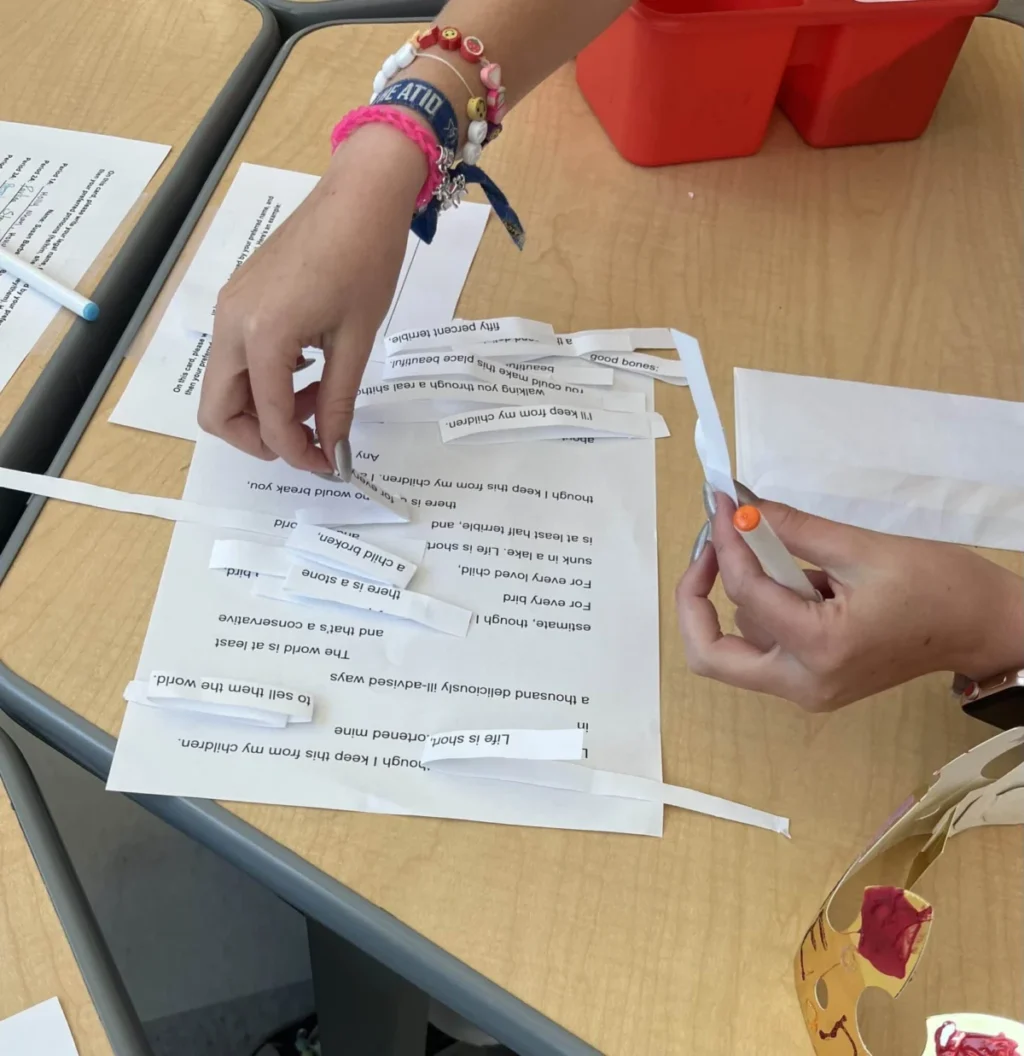
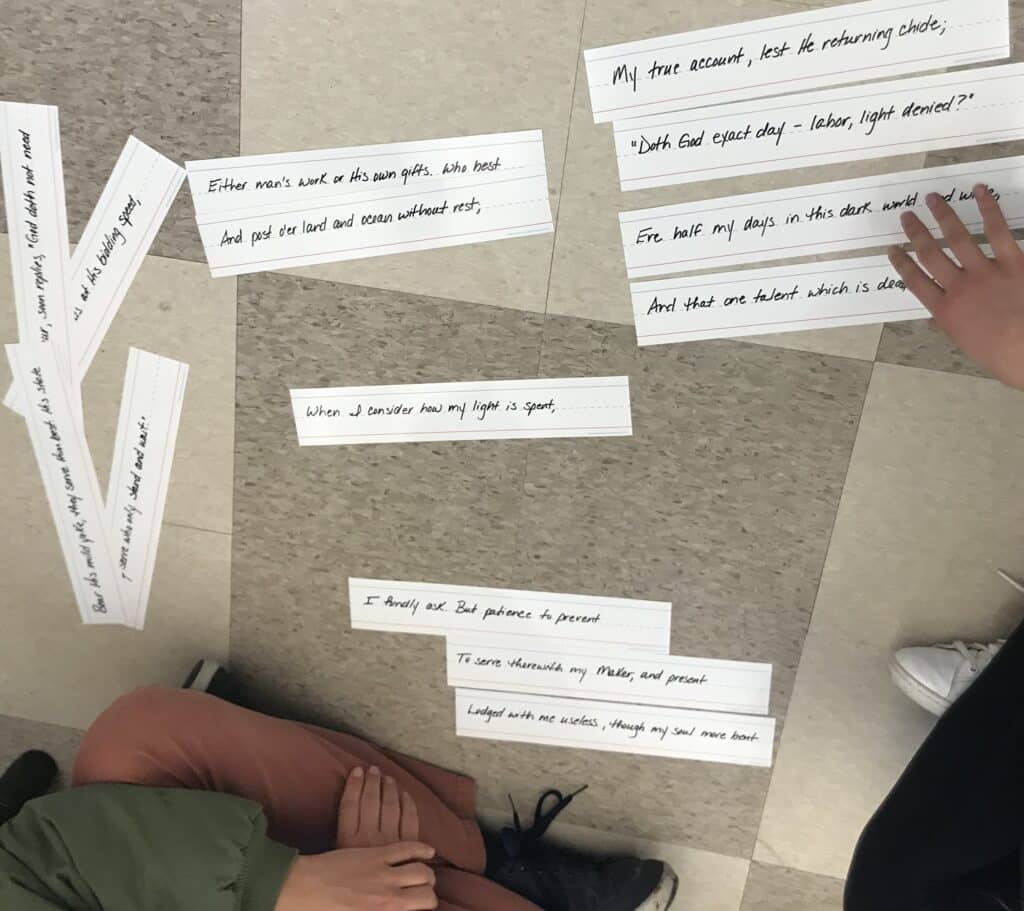
The "Cutting Up Poems" strategy transforms the often solitary and intimidating task of poetry analysis into a hands-on, collaborative puzzle. In this lesson, a chosen poem is meticulously disassembled, with individual words, phrases, or lines printed on separate paper strips. Students are then tasked with the reconstruction of the poem, followed by annotation of their recreated version and a comparative analysis with the original.
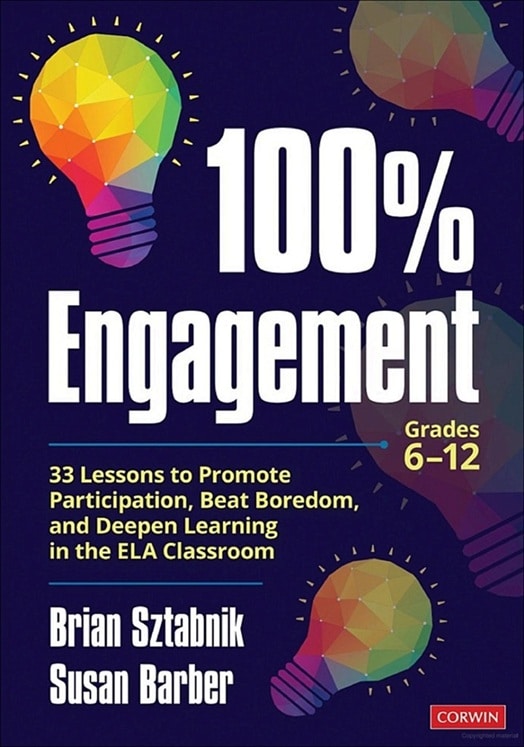
Susan Barber elucidates the profound pedagogical impact of this seemingly simple activity: "It’s forcing the students to do a close reading of the poem. If I would have passed out this poem and said, I want you to do a close reading, their eyes would be glazed over." She emphasizes that the physical act of arranging and rearranging the strips compels students to engage with the text at a granular level. "They’re having to consider, Does this make sense if it goes here? Well, this is a capital letter, so it may not go in the middle of those sentences, or this is a comma here, that may not fit right there. And so students are already thinking about this poem analytically, and having really good discussion. They’re reading closely." Barber playfully refers to it as "a teacher trick," yet it is a sophisticated application of cognitive principles, turning a potentially passive task into an active problem-solving exercise.
The implications of this strategy extend beyond poetry. It can be adapted for dissecting complex prose passages, historical documents, or even scientific explanations, fostering meticulous attention to syntax, punctuation, and thematic flow. By externalizing the internal process of textual analysis, students develop a deeper appreciation for authorial choices and the intricate construction of meaning. This method aligns with constructivist learning theories, where learners actively build knowledge rather than passively receiving it, leading to more robust comprehension and critical thinking skills.
Strategy 2: Inferential Timeline – Charting Narrative and Significance
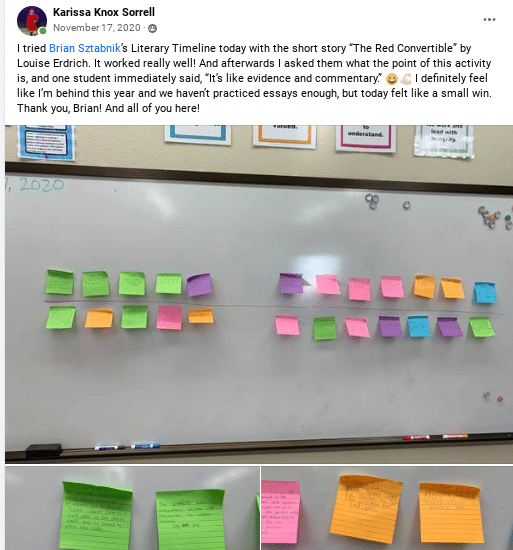
The "Inferential Timeline" is a dynamic approach to engaging with narrative texts, particularly novels or longer literary works. This strategy requires students to collaboratively construct a two-tiered timeline for a specific section of a novel. Each student is assigned a limited segment of pages and tasked with identifying the single most important event or development within their assigned portion. This pivotal moment, accompanied by a compelling quote illustrating it, is inscribed on an index card or post-it note and placed along the top tier of a communal timeline.
Brian Sztabnik elaborates on the core skill development inherent in this initial phase: "What I’m really asking is to summarize the plot and boil it down to one or two sentences. So this is all about decision-making and cutting out the extraneous details and just focusing on what’s really important. And often it’s either character development or increasing conflict or maybe a symbol finally emerges." This exercise hones students’ ability to discern main ideas, identify significant plot points, and support their interpretations with textual evidence—fundamental skills in literary analysis.
The second tier of the timeline introduces an element of advanced inferential thinking and collaborative interpretation. Once the top row of cards, representing the chronological plot, is complete, students select a classmate’s card and add a new card underneath it. On this second card, they explain why that specific moment is significant within the broader narrative context. Sztabnik highlights the intellectual collaboration involved: "It’s collaborative without being collaborative physically. It’s collaborative mentally: They have to look at their classmate’s card, determine what happened, and make an inference about why that event was so important in the grand scheme of those chapters. So here’s where we’re getting to the higher level thinking – we can understand the plot; now we need to draw conclusions."
The lesson culminates in a "gallery walk," where students move along the entire timeline, absorbing the collective insights and taking notes on their classmates’ inferences. This peer-learning component not only exposes students to diverse interpretations but also reinforces their understanding of the text’s overarching themes and character arcs. The Inferential Timeline effectively bridges basic plot comprehension with higher-order analytical skills, making abstract concepts like significance and inference tangible and collaborative.
Strategy 3: Text Rendering – Distilling Essence to a Single Word
"Text Rendering" is a powerful strategy designed to guide students from broad textual understanding to a precise, concentrated focus on meaning. This lesson begins with a selected passage of text. Students are then challenged to progressively distill its essence: first by identifying the most important sentence or line, then by selecting the most crucial phrase or clause within that chosen sentence, and finally, by pinpointing the single most important word from that phrase.
Barber initiated this lesson to address a common academic hurdle: "I have trouble every year getting students to narrow their focus when they’re making meaning from the text. They talk in these really big, general ideas, and I would be like, Where did this come from? And they’re like, You know, it’s just there. It has to come from someplace specific in the text. I had to find some activity to get them to take the big ideas to the small." This strategy directly confronts the tendency for students to generalize, compelling them to anchor their interpretations in specific textual evidence.
After individual reflection and selection, students defend their choices to the class, articulating the rationale behind their narrowing focus. This defense fosters critical thinking, persuasive argumentation, and a deeper engagement with lexical and syntactical choices. Subsequently, small groups collaborate to draw overarching conclusions about the passage based on their collective "rendered" words, phrases, and sentences. This final step synthesizes individual insights into a shared understanding, demonstrating how minute textual details contribute to broader thematic implications. Text Rendering is particularly effective in cultivating analytical precision and demonstrating the intricate relationship between micro-level language features and macro-level meaning, a crucial skill for advanced literary analysis and academic writing.
Broader Pedagogical Implications and Community Impact
The strategies presented by Sztabnik and Barber exemplify a broader shift in educational philosophy towards active, student-centered learning. They underscore the importance of kinesthetic involvement, collaborative interaction, and iterative processing in deepening comprehension and fostering critical thinking. These methods move beyond rote memorization or superficial analysis, instead encouraging students to become active participants in the construction of knowledge. By making learning visible and interactive, these approaches also provide teachers with immediate diagnostic feedback on student understanding, allowing for timely instructional adjustments.
The impact of "100% Engagement" extends beyond individual classrooms. Sztabnik and Barber have actively cultivated a professional learning community around their work. They have established a dedicated Facebook group, also titled "100% Engagement," serving as a dynamic forum for educators to share experiences, seek advice, and further refine these pedagogical practices. This online ecosystem of support ensures that the lessons in the book are not static but continually evolve through collective wisdom. Their blog, Much Ado About Teaching, continues to be a resource for ongoing discussions and new insights, reinforcing their commitment to collaborative professional development.
In an era where educational outcomes are increasingly scrutinized and student well-being is paramount, strategies that promote active engagement are more critical than ever. The work of Brian Sztabnik and Susan Barber offers a compelling vision for ELA classrooms: spaces where boredom is replaced by curiosity, passive reception by active discovery, and superficial understanding by profound learning. Their commitment to sharing practical, impactful methods provides a vital roadmap for educators striving to ignite a lifelong passion for literature and critical thought in their students. As schools continue to navigate the complexities of modern education, resources like 100% Engagement stand as beacons, guiding teachers toward more effective, enriching, and truly engaging learning experiences.