

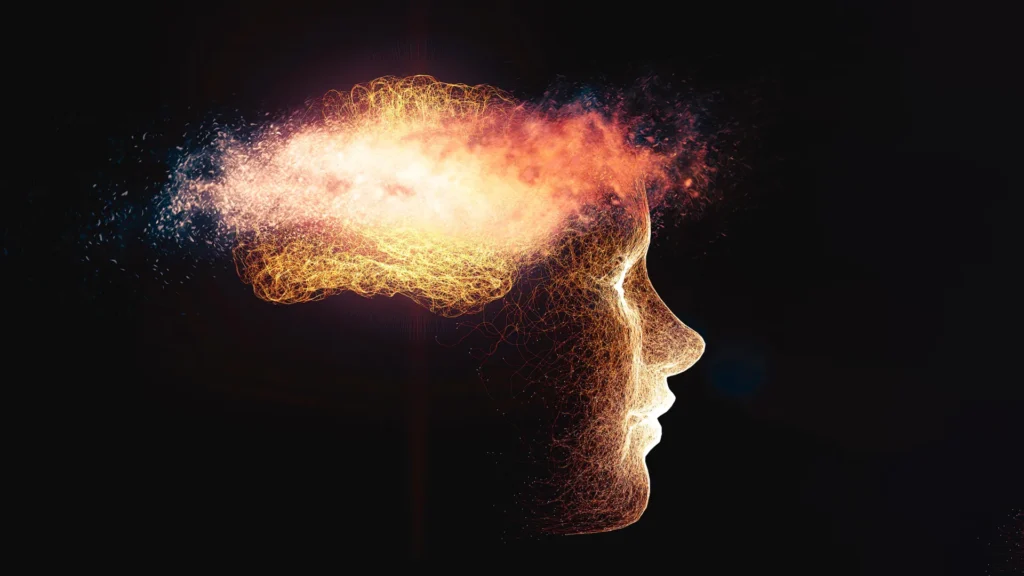
Groundbreaking research from University College London (UCL) has unveiled a critical link between the cognitive decline observed in Alzheimer’s disease and a fundamental breakdown in how the brain consolidates memories during periods of rest. The study, conducted in mice and published in the esteemed journal Current Biology, suggests that the brain’s crucial process of replaying recent experiences—a mechanism vital for memory strengthening—is severely disrupted in the presence of Alzheimer’s-related pathology. This discovery not only sheds new light on the intricate mechanisms of memory loss but also offers promising avenues for the development of novel diagnostic tools and targeted drug treatments.
Understanding Alzheimer’s: A Global Challenge
Alzheimer’s disease (AD) represents the most common form of dementia, affecting an estimated 55 million people worldwide, a figure projected to rise dramatically in the coming decades. In the United States alone, over 6.7 million Americans aged 65 and older are living with Alzheimer’s, making it the seventh leading cause of death. The disease is characterized by a progressive decline in cognitive function, including memory, thinking, and reasoning skills, ultimately leading to severe impairment in daily life. The societal and economic burden of AD is immense, with global costs estimated in the hundreds of billions of dollars annually, encompassing direct medical care, social care, and the invaluable cost of informal care provided by families.
The hallmark pathological features of Alzheimer’s disease are the accumulation of abnormal protein deposits in the brain: amyloid plaques, formed from misfolded amyloid-beta peptides, and neurofibrillary tangles, composed of hyperphosphorylated tau protein. While these pathological hallmarks have been identified for decades, the precise mechanisms by which they disrupt normal brain function and lead to the devastating symptoms of memory loss and disorientation have remained largely elusive. Current treatments primarily focus on symptom management or slowing disease progression, highlighting the urgent need for a deeper understanding of the disease’s underlying biology to foster more effective interventions.
The Brain’s Memory Architects: Hippocampus and Place Cells
Memory consolidation, the process by which unstable short-term memories are transformed into more enduring long-term memories, is a complex ballet of neural activity. A central player in this process is the hippocampus, a seahorse-shaped structure deep within the temporal lobe, recognized as indispensable for learning and memory formation. Within the hippocampus resides a remarkable type of neuron known as a "place cell." These cells, famously discovered by Nobel Prize-winning UCL neuroscientist Professor John O’Keefe in the 1970s, exhibit a unique property: they fire preferentially when an animal is in a specific location within an environment. As an individual navigates a space, different place cells activate in a distinct sequence, essentially forming a neural map of the experience.
Crucially, the brain doesn’t just record these experiences; it actively replays them. During periods of rest, particularly during sleep, these same sequences of place cells reactivate rapidly and in concert, mirroring the original experience. This "memory replay" is believed to be a fundamental mechanism by which the brain strengthens the synaptic connections that encode memories, embedding them more firmly into long-term storage. Imagine it as the brain repeatedly practicing a newly learned skill or revisiting a recent journey, solidifying the neural pathways involved. This process is not merely passive; it is an active, dynamic consolidation phase essential for memory formation and maintenance. The disruption of such a fundamental process, therefore, holds significant implications for cognitive health.
UCL’s Groundbreaking Mouse Study: Unraveling the Disruption
The UCL team, led by co-lead authors Dr. Sarah Shipley from UCL Cell & Developmental Biology and Professor Caswell Barry, embarked on a meticulous investigation into how Alzheimer’s pathology interferes with this vital replay mechanism. Their methodology involved testing mice engineered to develop amyloid plaques—a widely used animal model for Alzheimer’s research—in a simple maze. While the mice explored and subsequently rested, sophisticated electrodes were used to simultaneously monitor the activity of approximately 100 individual place cells in their hippocampi. This high-resolution neural recording allowed the researchers to compare the intricate patterns of memory replay in healthy mice against those exhibiting Alzheimer’s-like pathology.
What they discovered was profound. In mice with amyloid plaques, while replay events occurred with similar frequency to healthy mice, the underlying neural patterns were dramatically disorganized. Instead of coherent, sequential reactivation that reinforced memories, the coordinated activity of place cells became scrambled and fragmented. "We found this replay process is disrupted in mice engineered to develop the amyloid plaques characteristic of Alzheimer’s, and this disruption is associated with how badly animals perform on memory tasks," explained Dr. Shipley. This suggests that the brain was still attempting to consolidate memories, but the mechanism itself had gone awry, failing to properly "stitch together" the neural representation of recent experiences.
Furthermore, the researchers observed a concerning instability in the place cells of affected mice. Individual neurons, which typically reliably represent the same locations over time, grew less stable, particularly after rest periods—precisely when replay should be strengthening memory signals. This instability indicates a failure to maintain the fidelity of spatial memories, leading to confusion and disorientation. These neural aberrations had clear behavioral consequences: mice with disrupted replay performed significantly worse in the maze tasks, exhibiting difficulty remembering previously explored paths and frequently revisiting areas they had already investigated. This behavioral deficit directly correlated with the degree of replay disorganization, establishing a clear link between the cellular malfunction and observable memory impairment.
Professor Caswell Barry emphasized the gravity of these findings: "We’ve uncovered a breakdown in how the brain consolidates memories, visible at the level of individual neurons. What’s striking is that replay events still occur—but they’ve lost their normal structure. It’s not that the brain stops trying to consolidate memories; the process itself has gone wrong." This distinction is critical, suggesting that the problem isn’t a cessation of memory processing, but rather a corruption of its fundamental mechanism.
The Amyloid Hypothesis and Its Complexities: A New Angle
For decades, the "amyloid cascade hypothesis" has dominated Alzheimer’s research, positing that the accumulation of amyloid-beta plaques is the primary driver of the disease, initiating a cascade of events leading to neurodegeneration. While this hypothesis has guided numerous drug development efforts, many clinical trials targeting amyloid clearance have yielded disappointing results, raising questions about its completeness or the timing of intervention. Recent breakthroughs with drugs like aducanumab and lecanemab, which target amyloid plaques and have shown modest benefits in slowing cognitive decline in early AD, provide some validation but also underscore the complexity of the disease.
The UCL study offers a complementary perspective, suggesting that beyond merely clearing plaques, it is crucial to understand and potentially restore the downstream neural processes that are directly impacted by these pathologies. By identifying a specific functional disruption—the disorganized memory replay—this research moves beyond simply identifying the "what" (plaques and tangles) to understanding the "how" (how these pathologies functionally impair the brain’s ability to form and maintain memories). This shift in focus is vital for developing next-generation therapeutics that might address the functional deficits directly, either in conjunction with plaque-clearing strategies or as independent interventions.
Implications for Diagnosis: A Path to Earlier Detection
One of the most significant challenges in Alzheimer’s care is the difficulty of early diagnosis. By the time clinical symptoms of memory loss become apparent, often substantial and irreversible neuronal damage has already occurred. Current diagnostic methods rely on cognitive assessments, brain imaging (PET scans for amyloid/tau, MRI for atrophy), and cerebrospinal fluid (CSF) analysis, but these are often applied when the disease is already established.
The UCL findings open a compelling avenue for the development of novel diagnostic tools that could detect the disruption in memory replay even before overt cognitive symptoms manifest. If disorganized replay is an early functional signature of Alzheimer’s pathology, it might be detectable through advanced neuroimaging techniques (such as functional MRI or EEG, adapted for replay detection) or other physiological markers. Imagine a non-invasive test that could assess the integrity of memory replay, providing a preclinical indicator of Alzheimer’s risk. Early detection would be revolutionary, allowing for interventions to begin much sooner, potentially slowing or even preventing the progression of cognitive decline and offering patients and their families more time and better quality of life.
Reshaping Therapeutic Strategies: Beyond Plaque Removal
The implications for therapeutic development are equally profound. Current symptomatic treatments for Alzheimer’s, such as cholinesterase inhibitors (e.g., donepezil) and memantine, aim to enhance neurotransmitter function but do not halt or reverse the underlying disease progression. The recent amyloid-targeting drugs represent a step forward, but their efficacy is limited, and they come with potential side effects.
The UCL research suggests a paradigm shift, or at least a broadening, in therapeutic targets. Instead of solely focusing on the removal of amyloid plaques, future treatments could aim to restore the normal structure and function of memory replay. Professor Barry highlighted this potential: "We hope our findings could help develop tests to detect Alzheimer’s early… or lead to new treatments targeting this replay process. We’re now investigating whether we can manipulate replay through the neurotransmitter acetylcholine, which is already targeted by drugs used to treat Alzheimer’s symptoms. By understanding the mechanism better, we hope to make such treatments more effective."
Acetylcholine is a crucial neurotransmitter involved in learning, memory, and attention. The fact that existing Alzheimer’s drugs already target acetylcholine suggests that manipulating this pathway to specifically restore organized memory replay could be a viable therapeutic strategy. This could involve optimizing existing drug dosages, developing new compounds that more precisely modulate acetylcholine’s effects on replay, or exploring entirely new pharmacological agents that directly stabilize place cell activity and ensure coherent memory consolidation. Furthermore, understanding the precise neural circuits involved in replay disruption could inspire non-pharmacological interventions, such as targeted brain stimulation techniques or cognitive training programs designed to bolster memory consolidation processes.
Expert Perspectives and Broader Impact
Independent experts in the field of neuroscience have lauded the UCL study for its mechanistic depth. Dr. Eleanor Davies, a neuroscientist at a leading research institution not involved in the study, commented, "This research provides a crucial piece of the puzzle. We’ve known about the structural damage in Alzheimer’s, but understanding the functional breakdown at this granular level—how memories literally fail to form properly—is immensely powerful. It validates the idea that we need to look beyond just amyloid and tau and consider the active processes of memory."
Patient advocacy groups, such as the Alzheimer’s Society and the Alzheimer’s Association, have consistently emphasized the need for diverse research approaches to tackle this devastating disease. This study offers renewed hope, highlighting a novel target that could lead to therapies with a different mechanism of action, potentially benefiting a wider range of patients or working in combination with existing treatments. The pharmaceutical industry, continuously seeking new targets for drug discovery, will undoubtedly be keen to explore the potential of modulating memory replay. Insights like these are invaluable, guiding significant investments in research and development towards therapies that address the core cognitive deficits of AD.
The Road Ahead: Future Research Directions
The UCL team’s findings mark a significant milestone, but they also pave the way for numerous future research directions. The immediate next steps involve further investigation into the precise molecular and cellular mechanisms by which amyloid plaques disrupt acetylcholine signaling and, consequently, memory replay. Researchers will also aim to translate these findings from mouse models to human studies, using advanced neuroimaging techniques to determine if similar replay disruptions can be observed in people living with early Alzheimer’s disease or those at high risk.
Further research will explore whether restoring normal replay activity can indeed improve memory performance and slow cognitive decline in animal models, a critical step before human clinical trials. The interplay between amyloid, tau, and replay disruption also warrants deeper investigation, as does the potential role of other neurotransmitters and brain regions. Ultimately, the long-term goal is to leverage this newfound understanding to develop effective strategies for preventing, delaying, or even reversing the debilitating memory loss that defines Alzheimer’s disease, thereby alleviating the immense burden it places on individuals, families, and global healthcare systems.
This groundbreaking research was meticulously carried out by scientists across the UCL Faculties of Life Sciences and Brain Sciences, with crucial financial support from the Cambridge Trust, Wellcome, and the Masonic Charitable Foundation, underscoring the collaborative effort required to unravel the mysteries of complex neurological disorders.