



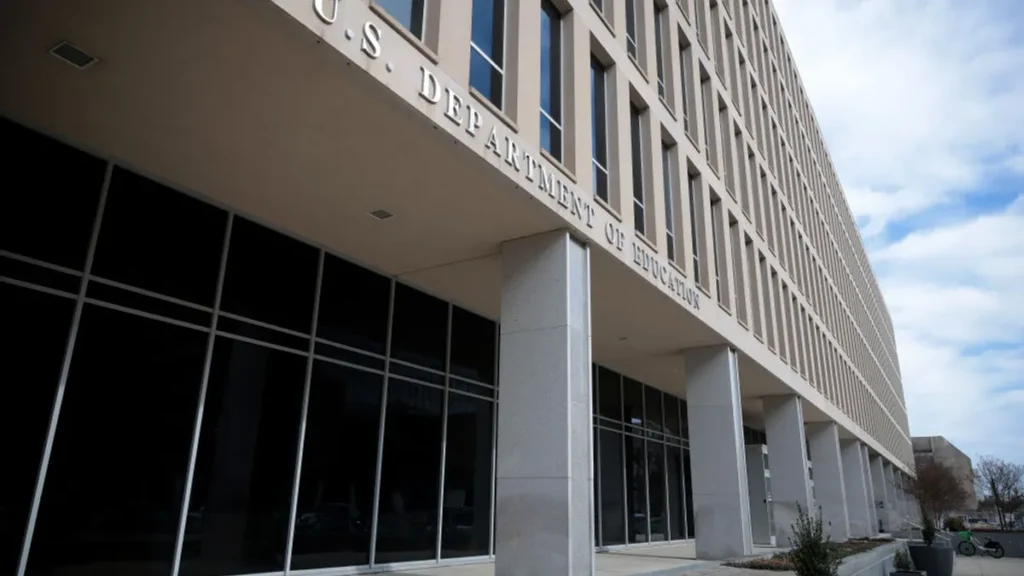
The U.S. Department of Education is encountering significant pushback for a proposal that would eliminate the collection of certain data points related to racial disparities within special education programs. This move, aimed at streamlining reporting requirements, has ignited concerns among educators, disability advocates, and civil rights organizations who argue it could obscure critical information needed to address systemic inequities faced by students of color with disabilities. The controversy highlights a long-standing tension between administrative efficiency and the imperative to ensure equitable access and outcomes for all students.
Background: The Importance of Data in Special Education Equity
For decades, federal mandates under the Individuals with Disabilities Education Act (IDEA) have required states to collect and report comprehensive data on students receiving special education services. This data collection serves a dual purpose: accountability and insight. By disaggregating data by race and ethnicity, researchers and policymakers can identify potential overrepresentation or underrepresentation of certain groups in special education categories, as well as disparities in disciplinary actions, suspension rates, and access to specialized interventions.
Historically, data has been instrumental in exposing systemic biases. For instance, persistent disparities in the identification and disciplinary outcomes for Black students in special education have been well-documented through federal data reporting. These findings have spurred targeted interventions and policy changes aimed at promoting more equitable practices. The proposed changes by the Department of Education threaten to blunt the effectiveness of these oversight mechanisms, potentially masking the very issues they are designed to address.
The Department’s Rationale and the Data Under Fire
The Department of Education has cited a desire to reduce the reporting burden on states and districts as the primary driver for the proposed data collection changes. In a statement, an unnamed Department official indicated that the aim is to "modernize and streamline" data collection efforts to focus on "essential metrics" that can better inform policy and practice. The specific data points slated for removal include detailed breakdowns of race and ethnicity in relation to specific disability categories and disciplinary actions.
Proponents of the change argue that consolidating certain data fields will lead to more efficient data analysis and a reduction in administrative costs for states. They suggest that existing broad categories of data collection are sufficient to monitor overall special education trends without the granular detail that has become burdensome to collect and report.
However, critics contend that this "streamlining" comes at a steep price. They argue that the removed data points are precisely those that provide the nuanced understanding necessary to identify and combat racial discrimination and inequitable service delivery within special education. For example, data showing that Black students are disproportionately identified with specific disabilities, or are more likely to be suspended than their white peers with similar needs, are crucial for understanding the root causes of these disparities. Removing these specific identifiers, critics argue, makes it significantly harder to hold states and districts accountable for addressing them.
Reactions from Advocacy Groups and Educators
The announcement of the proposed changes has been met with widespread alarm from a coalition of disability rights organizations and civil rights advocates.
"This is a deeply concerning step backward," stated a spokesperson for the National Disability Rights Network. "The data that the Department is proposing to eliminate is not just bureaucratic paperwork; it is the evidence base upon which we have fought for and achieved progress in ensuring that students of color with disabilities receive equitable services and are not unfairly disciplined. Removing these data points is akin to deliberately blinding ourselves to ongoing injustices."
Similarly, the Council for Exceptional Children, a professional organization for special education professionals, expressed reservations. "While we understand the need for efficient data management, the proposed changes risk undermining the very principles of equity and accountability that are foundational to IDEA," said a representative. "We need data that helps us understand the unique challenges faced by diverse student populations, not data that sweeps those challenges under the rug."

Educators on the ground have also voiced their concerns. "As a special education teacher in a diverse urban district, I see firsthand how crucial disaggregated data is," shared Maria Rodriguez, a special education teacher in California. "It helps us advocate for our students, identify patterns, and push for systemic changes. If we can’t see the specific disparities, how can we effectively address them? This feels like a step away from true inclusion."
The Role of Charter Schools and the "Most-Clicked Story" Context
The article’s mention of charter schools and their enrollment figures, while seemingly tangential, provides a broader context of ongoing discussions about public education models and accountability. The "most-clicked story of the week" highlighted the growth and characteristics of charter schools, a sector that often operates with different accountability frameworks than traditional public schools. The statistic that around 8,150 charter schools now serve approximately 3.8 million students underscores the significant presence of alternative educational structures in the U.S.
While the data collection proposal directly impacts traditional public school systems and their special education services, the broader conversation about accountability and data transparency in education is a consistent theme. The charter school data point serves as a reminder that debates over how best to measure educational success and equity are ongoing across various facets of the K-12 landscape.
Pittsburgh’s School Closures: A Localized Impact of Declining Enrollment
The inclusion of Pittsburgh Public Schools’ plan to close 12 underused schools offers a localized example of challenges facing many districts nationwide. The stated reasons—declining enrollment and aging infrastructure—are common drivers for such difficult decisions. The district’s plan to close schools, open new ones, and implement programmatic changes reflects a strategic response to demographic shifts and resource allocation.
This local news item, while distinct from the federal special education data debate, underscores the complex operational realities of school districts. These realities often necessitate difficult choices that can impact communities, student access, and the efficient use of resources. The common thread, however, is the reliance on data to inform these critical decisions. Whether it’s enrollment figures, facility condition reports, or, as in the case of special education, demographic data on student needs and outcomes, data remains central to effective governance in education.

Analyzing the Implications: Potential for Widened Equity Gaps
The potential implications of the Department of Education’s proposed changes are far-reaching. If enacted, the reduction in data collection could lead to:
- Masking of Disparities: Without specific data on racial and ethnic disparities in special education identification, placement, and discipline, it will become significantly harder to identify and address discriminatory practices. This could allow existing inequities to persist or even worsen, particularly for Black and Hispanic students who are often disproportionately affected.
- Reduced Accountability: States and school districts might face less pressure to implement targeted interventions and reforms aimed at closing achievement and opportunity gaps in special education if the data highlighting these gaps is no longer readily available or as granular.
- Hindered Research: Researchers who rely on detailed federal data to study the effectiveness of special education programs and identify best practices will find their work more challenging. This could slow down the development of evidence-based strategies to support students with disabilities.
- Erosion of Trust: The move could further erode trust between marginalized communities and the Department of Education, as it may be perceived as a deliberate attempt to obscure problems rather than solve them.
The Path Forward: A Call for Transparency and Continued Scrutiny
The Department of Education’s proposal is currently open for public comment, providing a critical window for stakeholders to voice their concerns and for policymakers to reconsider the potential consequences. Advocates are urging for a robust public response, emphasizing that the collection of disaggregated data is not merely an administrative task but a fundamental pillar of civil rights enforcement and educational equity.
The timeline for any final decision is not yet clear, but the debate signals a critical juncture in how the nation monitors and addresses disparities in its special education system. The challenge for the Department of Education will be to balance the legitimate need for administrative efficiency with the unwavering commitment to ensuring that all students, regardless of race or background, receive the support and opportunities they deserve. The U.S. Department of Education Building, a symbol of federal oversight in education, now finds itself at the center of a debate over whether that oversight is becoming less effective in safeguarding the rights of vulnerable student populations.