


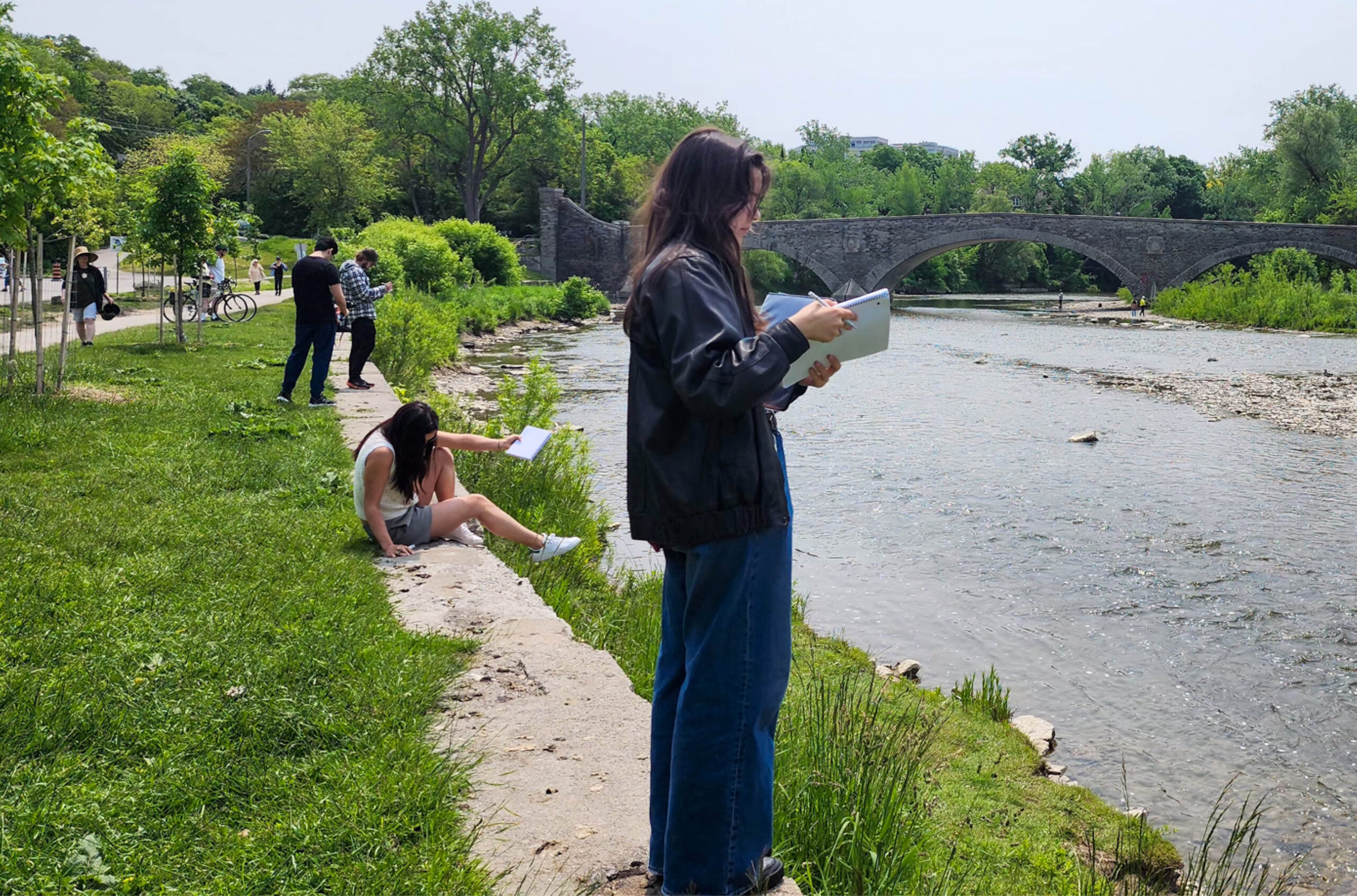
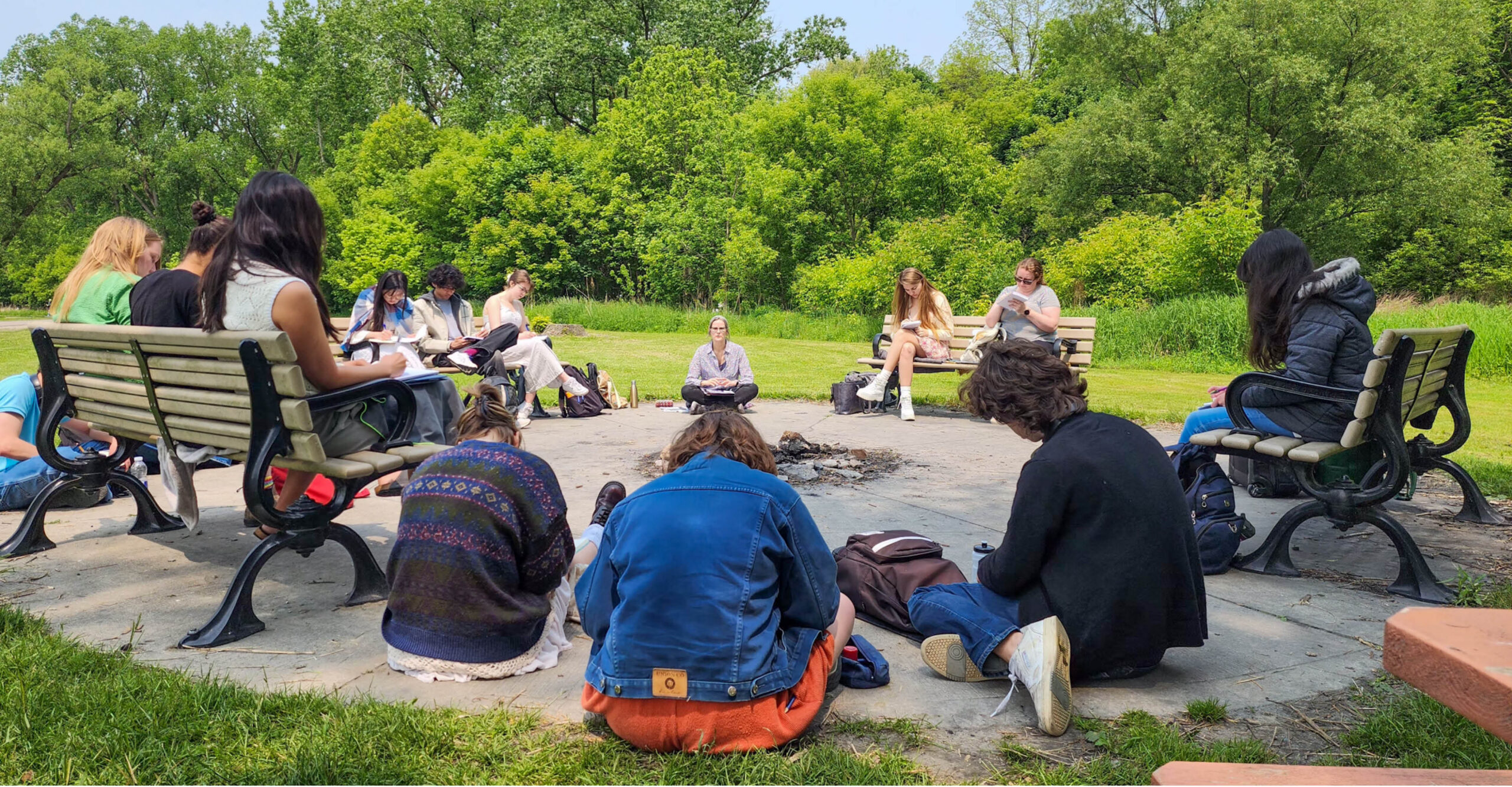
On a cool May morning in 2026, students at the University of Toronto gather for a creative writing seminar, dressed in heavy winter coats and hoodies, clustered in a secluded campus laneway shielded from the wind. This scene, while unconventional for a traditional academic setting, represents a growing pedagogical movement known as "Earth-centric learning." The course, Creative Writing and Territory, is an outdoor-based curriculum that moves students away from lecture halls and into the living landscape, challenging the historical norm of indoor academic instruction.
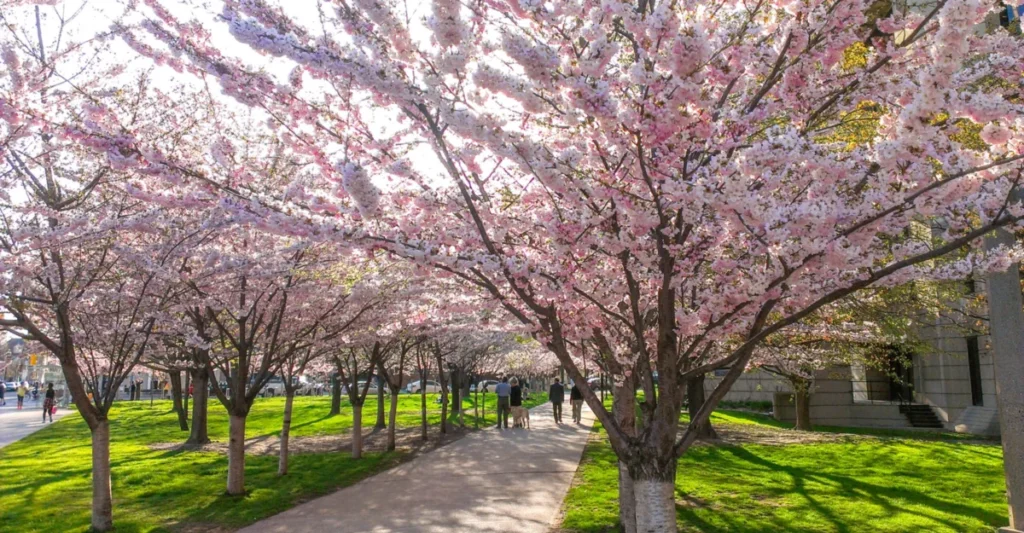
The course, which has been offered since 2023, is designed to dissolve the artificial boundaries between institutional learning and the environment. By physically situating students in birch and maple woodlands, along river ravines, and in public parks like Christie Pits, the curriculum aims to foster a deeper sense of ecological literacy. According to the instructor, Sharon English, the objective is to move students beyond the perception of nature as mere "scenery" or "real estate" and toward a model where the natural world is viewed as a foundational part of the human community.
The Shift from Dystopian Narratives to Ecological Engagement
The genesis of this teaching approach lies in a shift in student output observed over the last decade. A review of undergraduate fiction assignments from 2012 to 2016 revealed a troubling trend: when asked to imagine the future, students consistently produced dystopian narratives. Roughly 90 percent of the submitted work centered on themes of societal collapse, environmental ruin, and totalitarian control, reflecting a generation heavily influenced by contemporary apocalyptic literature and global political instability.
This "dystopian fatigue" prompted a formal intervention. Educators began analyzing the psychological toll of these narratives, noting that students who grew up under the constant threat of climate change and socio-political volatility were struggling to envision positive future scenarios. The transition to outdoor-based education serves as a counter-intervention, intended to mitigate this despair by grounding students in the physical reality of their surroundings, thereby replacing abstract anxieties with concrete, sensory-based experiences.
Chronology of the Persephone Project and Outdoor Pedagogy
The integration of outdoor space into higher education has been supported by several key research initiatives over the past eight years:
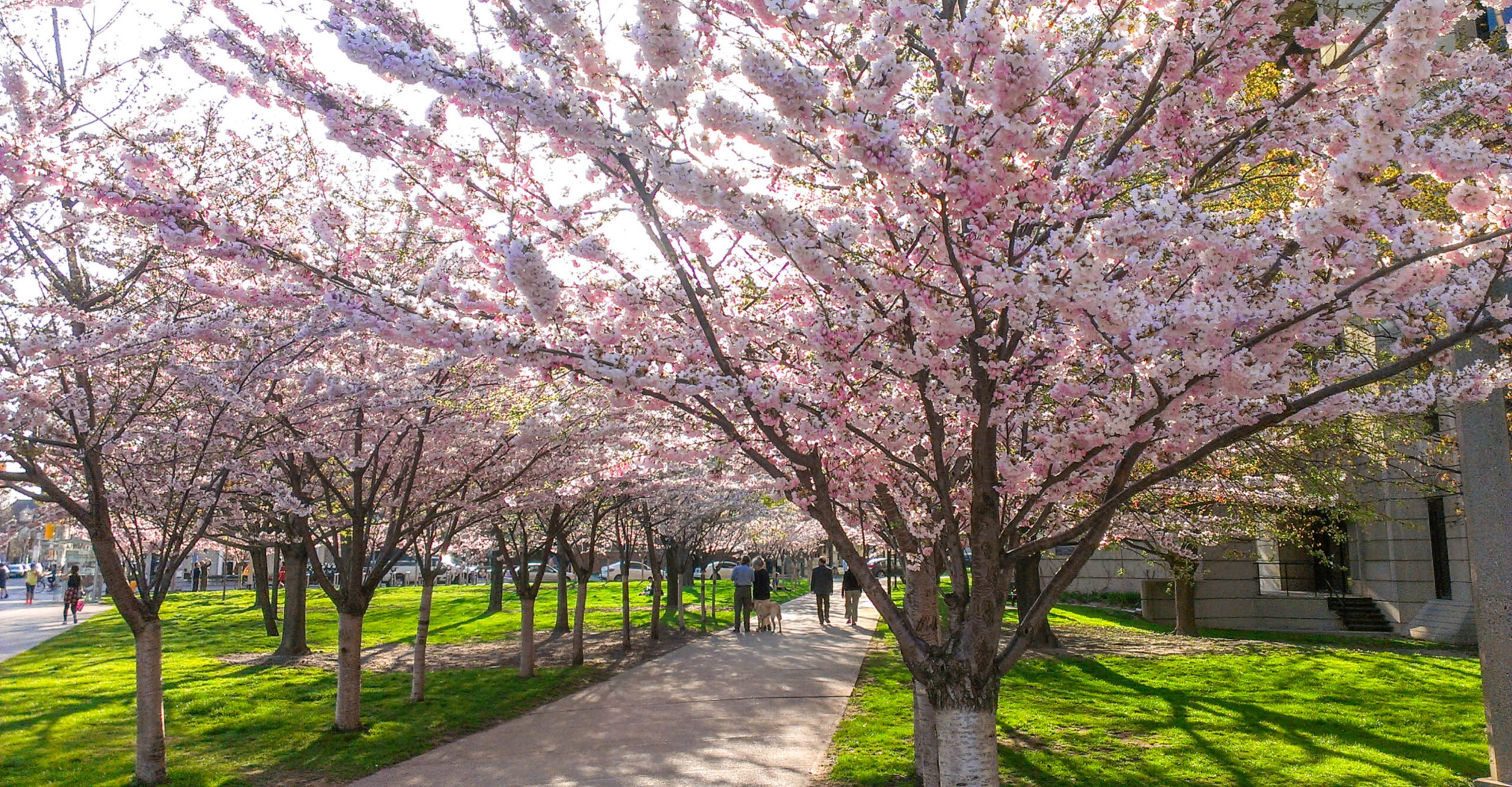
- 2018: The launch of the Persephone Project, led by Professor Andrea Most, marked a turning point in Canadian academic research. The project focused on developing pedagogical approaches that prioritize Earth-centric engagement over human-centric models.
- 2020–2022: During the global pandemic, educational institutions were forced to reconsider the viability of indoor classrooms. This period accelerated the adoption of outdoor spaces as a necessary safety measure, which subsequently evolved into a pedagogical preference.
- 2023: The formal introduction of "Creative Writing and Territory" at the University of Toronto, codifying the movement of students from traditional classrooms to site-specific learning environments.
- 2025–2026: Continued expansion of the program, including increased integration of indigenous knowledge and environmental ethics into creative writing and humanities curricula.
Data and Benefits: The Science of Nature Connectedness
The movement toward "Work From Garden" (WFG) or outdoor education is supported by data from the Nature Connectedness Research Group at the University of Derby. Their findings indicate that individuals who spend a significant portion of their professional or academic time in natural settings report measurable improvements in both physiological and psychological health.
Key benefits identified by researchers include:
- Enhanced Cognitive Function: Studies suggest that exposure to natural environments reduces "attention fatigue," allowing for sustained focus during complex creative or analytical tasks.
- Emotional Regulation: Natural environments are statistically linked to lower levels of cortisol, the body’s primary stress hormone, providing a buffer against the high-pressure academic environment.
- Increased Sense of Agency: By navigating various urban and natural terrains, students develop spatial awareness and confidence, which contributes to overall resilience.
Institutional Reactions and Academic Integration
While outdoor pedagogy was once viewed as an outlier, it is gaining traction among university administrators concerned with student retention and mental health. Several departments across North American universities have begun integrating "place-based" assignments, where students are required to conduct research or writing exercises in specific ecological or community contexts.
Critics of the model initially raised concerns regarding accessibility and the unpredictability of weather. However, practitioners argue that these very challenges—noise, rain, and temperature fluctuations—are essential components of the learning process. By navigating these variables, students learn to adapt to the "real world," which serves as a practical lesson in resilience that cannot be replicated in a climate-controlled, soundproof lecture hall.
Broader Implications for Global Higher Education
The broader implication of this shift is an attempt to address a fundamental crisis of disconnection. As global crises—ranging from climate change to the erosion of public social spaces—continue to escalate, the university’s role is being re-evaluated. If the goal of higher education is to produce citizens capable of navigating a complex future, then the classroom must reflect the reality of the planet rather than shielding students from it.
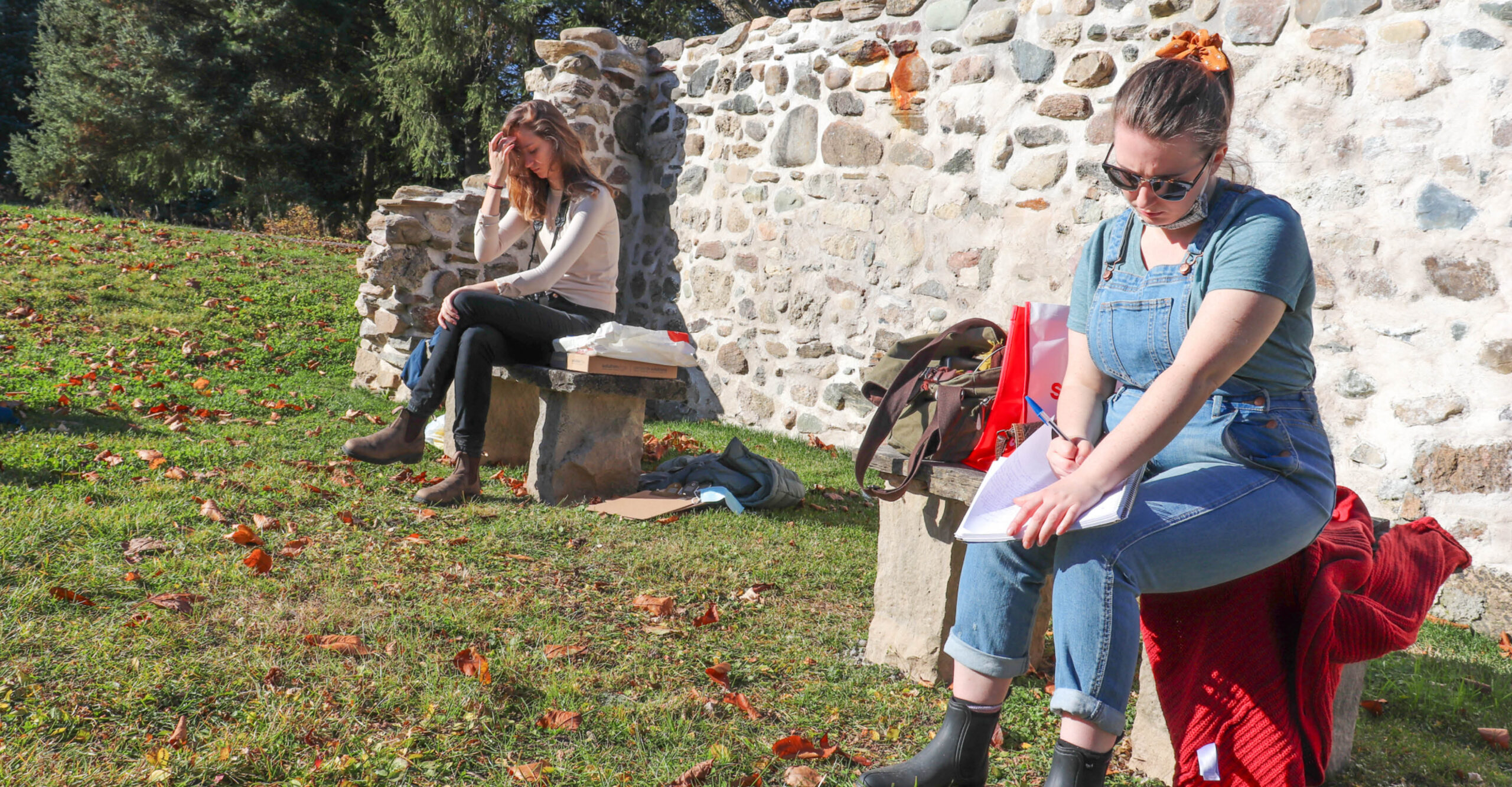
In the case of international students, who often report feeling "rudderless" upon arriving in a new country, the outdoor curriculum serves as an essential orientation tool. By traversing the city and its green spaces, students transform an alienating urban landscape into a lived, known territory. This process of familiarization is a critical step in building the confidence required for students to engage with their surroundings in a meaningful way.
Conclusion: The Future of the Living Classroom
As the academic community looks toward the next decade, the "living classroom" is likely to move from a niche creative writing elective to a more standardized component of the humanities and social sciences. By encouraging students to engage with the elements—fire, wind, water, and earth—educators are not merely changing the location of the lecture; they are fundamentally altering the relationship between the student and the world they inhabit.
Ultimately, the goal is to foster a form of awareness that Barry Lopez famously described as "a continuation of community." By bringing learning into the open air, institutions are acknowledging that the crises of the modern age—political, social, and ecological—cannot be solved in isolation. They must be confronted through the integration of the human experience with the natural world. For the students of Creative Writing and Territory, the lesson is clear: to write about the world, one must first be willing to stand in it. As the curriculum continues to evolve, it serves as a prototype for a new era of education, one that values the resilience found in nature as much as the knowledge found in books.