

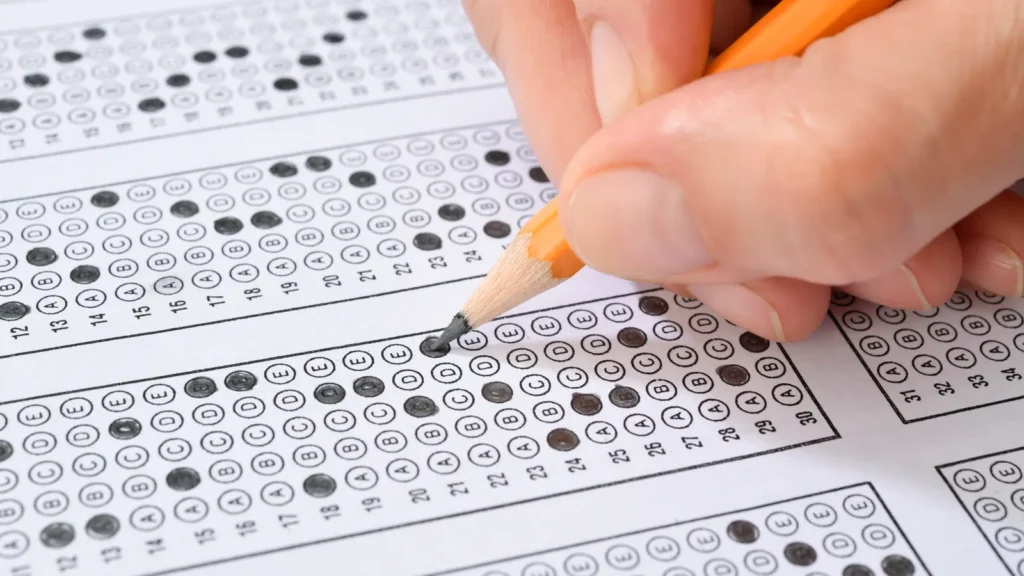
The landscape of American education faces renewed scrutiny following the release of the latest international assessment data, which reveals a significant downward trend in adolescent literacy. According to findings from the Programme for International Student Assessment (PISA), U.S. 15-year-olds experienced a 14-point drop in reading performance compared to evaluations conducted in 2022. This steep decline has ignited urgent conversations among policymakers, educators, and administrators regarding the long-term academic health of the nation’s youth and the ongoing recovery from pandemic-era disruptions.
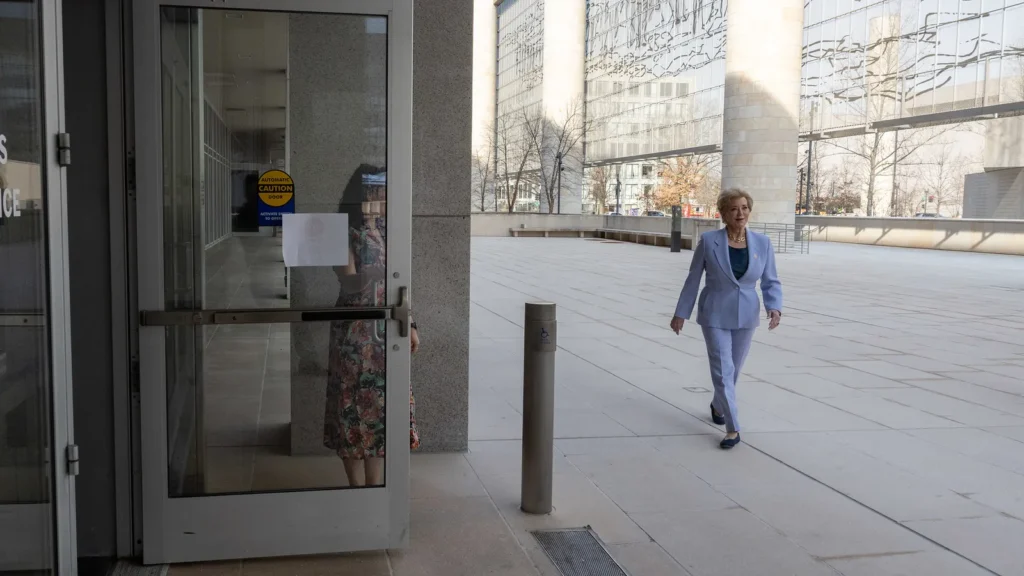
Addressing the findings from the 2025 installment of the assessment, U.S. Education Secretary Linda McMahon characterized the drop as a substantial educational setback. According to federal evaluations, the 14-point decline is roughly equivalent to a seven-month loss in accumulated learning. Despite outperforming the overall average of the Organisation for Economic Co-operation and Development (OECD) and scoring higher than peers in 75 of the 89 participating nations, the downward trajectory has alarmed education advocates who warn that foundational literacy skills remain vulnerable.
Background and Historical Context of PISA
Administered triennially by the OECD, the Programme for International Student Assessment measures the ability of 15-year-old students to apply reading, mathematics, and science knowledge and skills to real-world problems. Established in 2000, PISA serves as a crucial global benchmark, allowing member and partner countries to evaluate the effectiveness of their educational systems relative to international standards.
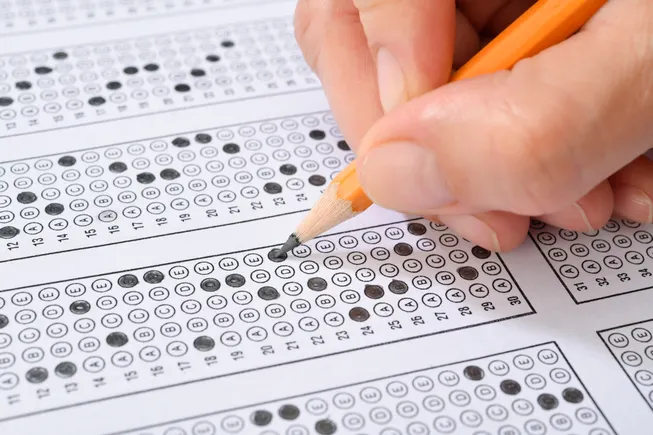
Historically, the United States has hovered near the OECD average in reading, occasionally showing modest gains or plateaus. However, the unprecedented global disruptions caused by the COVID-19 pandemic triggered widespread academic declines across virtually all developed nations. While initial post-pandemic recovery efforts focused heavily on mathematics—where learning losses were acutely visible—reading scores have continued to exhibit volatile and concerning patterns. The 2025 results underscore that literacy recovery remains an unfinished and complex task for American schools, complicated by shifting student demographics, chronic absenteeism, and changing instructional environments.
Key Takeaways for School Leaders and Policymakers
In the wake of the data release, educational researchers and organizations, including K-12 Dive, have analyzed the PISA metrics to extract actionable insights for district and school leaders. The primary concern centers on how reading instruction is delivered in secondary schools, where the focus traditionally shifts from "learning to read" to "reading to learn."
Experts suggest that the decline cannot be attributed to a single factor. Instead, it reflects a convergence of challenges, including heightened screen time, decreased independent reading habits among teenagers, and the lingering cognitive impacts of interrupted classroom instruction during the formative middle school years. School administrators are now being urged to reevaluate secondary literacy frameworks, incorporate targeted interventions for struggling readers, and foster environments that encourage critical engagement with complex texts rather than superficial digital skimming.
Preschool Discipline and Equity: A Parallel Crisis

While international assessments evaluate high school performance, early childhood education continues to grapple with systemic inequities that lay the groundwork for later academic struggles. A comprehensive report recently published by The Children’s Equity Project at Arizona State University sheds light on the continued prevalence of harsh and exclusionary discipline in pre-K settings.
The report’s central finding is stark: there are zero positive outcomes associated with harsh preschool punishments or exclusionary discipline for young children. When very young learners are suspended, expelled, or subjected to punitive measures, their developmental trajectories are severely disrupted, increasing the likelihood of chronic disciplinary issues and academic disengagement in later grades.
Although overall preschool suspension rates have experienced a downward trend over time within public pre-K settings due to targeted advocacy and policy shifts, deep-seated discipline disparities persist. The data reveals that these punitive measures disproportionately impact specific student populations, most notably Black children, male students, and children with identified disabilities. Civil rights advocates and education researchers argue that eliminating these disparities is a prerequisite for improving long-term literacy and academic outcomes, as early exclusionary practices alienate vulnerable children from the educational ecosystem before formal schooling even begins.
The Expanding Footprint of Artificial Intelligence in Schools
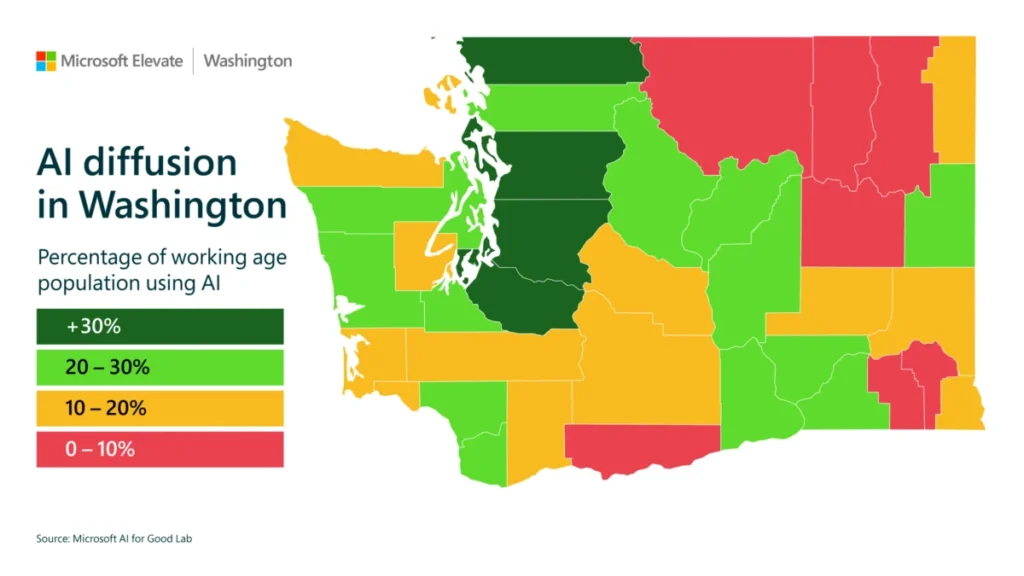
Compounding the challenges of academic recovery and behavioral equity is the rapid, unstandardized integration of artificial intelligence into the K-12 landscape. Over the past academic year, AI tools have transformed from experimental novelties into ubiquitous fixtures of both classroom instruction and administrative workflow.

Schools are increasingly leveraging AI for personalized tutoring, automated grading assistance, and individualized lesson planning. However, this technological expansion brings complex policy dilemmas. Educators and district leaders are racing to establish guardrails regarding academic integrity, data privacy, and equitable access. While proponents argue that AI can bridge learning gaps by tailoring instruction to individual student needs—potentially offering a countermeasure to declining reading scores—critics caution that over-reliance on generative technologies may erode critical thinking, deep reading comprehension, and human mentorship.
Federal Resources, Data Integration, and Future Outlook
As the Department of Education processes the dual shocks of declining international reading metrics and persistent early childhood equity gaps, federal data and resource allocation strategies are coming under intense review. Policymakers are under pressure to direct remaining relief funds and ongoing federal grants toward evidence-based literacy initiatives and professional development for teachers navigating modern classrooms.
The intersection of declining PISA reading scores, entrenched early childhood discipline disparities, and the disruptive emergence of artificial intelligence paints a complex picture of modern American education. Addressing these multifaceted challenges will require a coordinated response from federal, state, and local stakeholders. By shifting focus toward data-driven early interventions, equitable disciplinary practices, and thoughtful technological integration, educational leaders hope to reverse the current downward trends and secure a more resilient academic future for the nation’s students.