

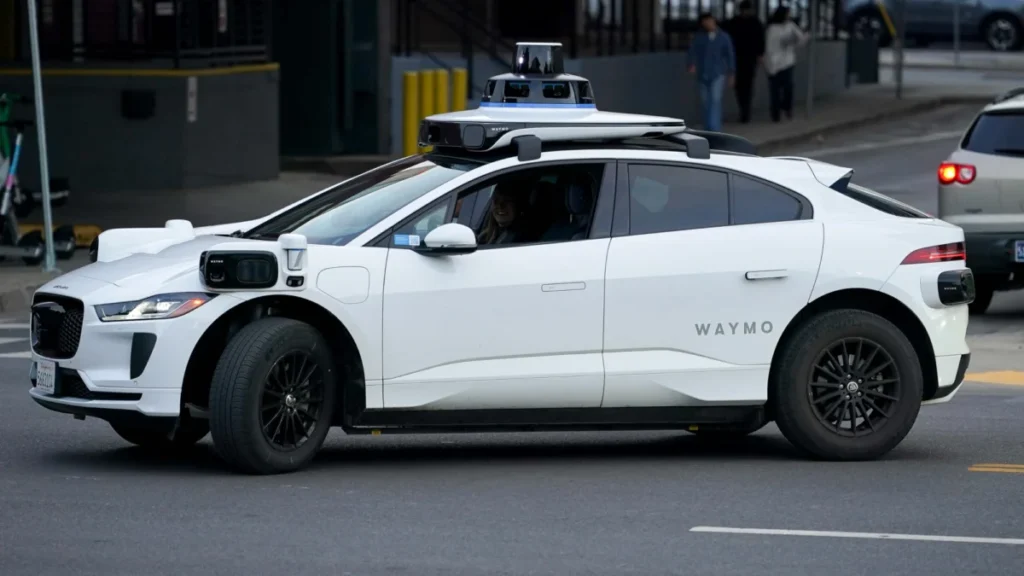
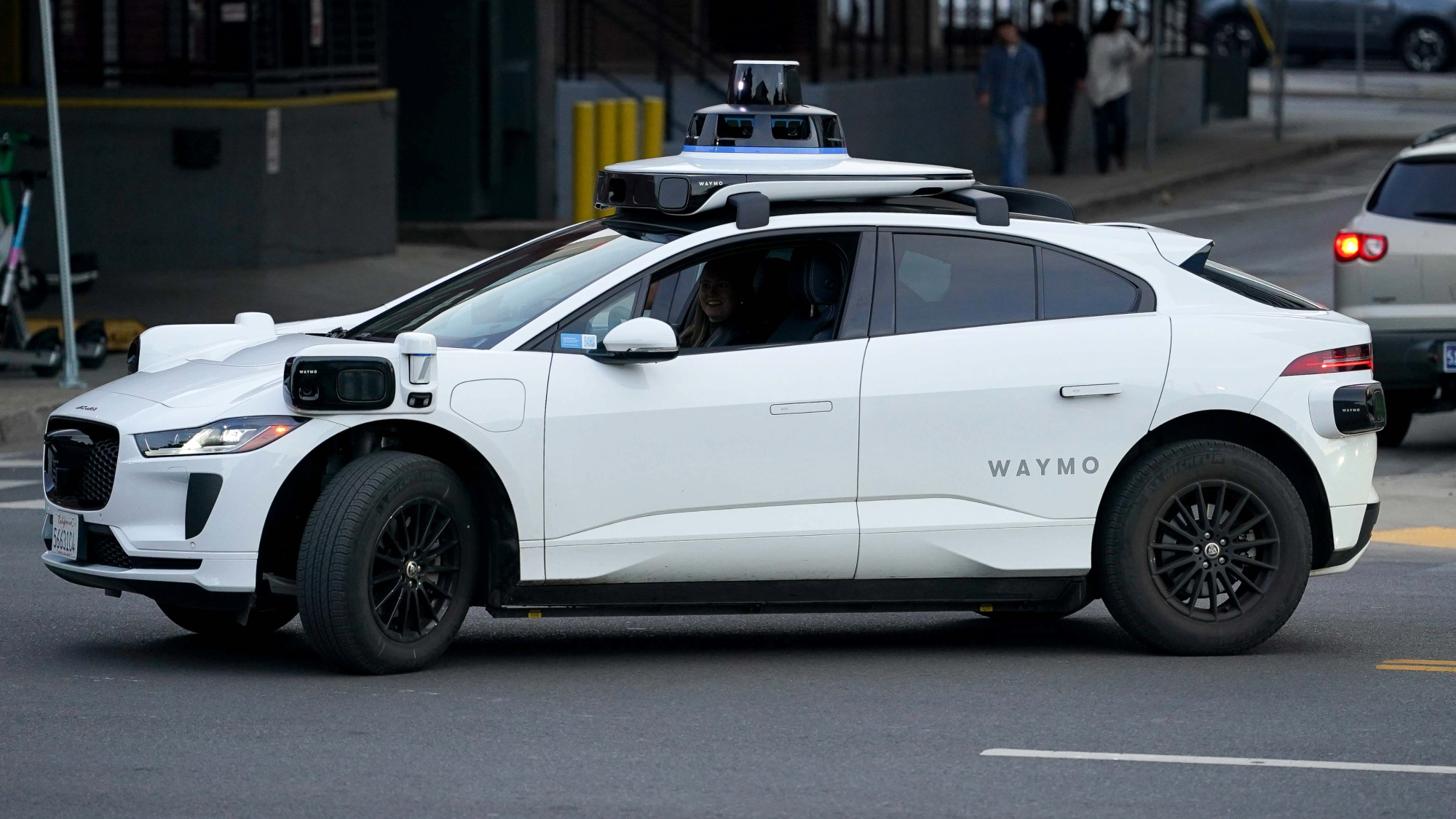
The evolution of autonomous vehicle technology has reached a critical juncture where the primary obstacles to widespread adoption are no longer basic navigation or obstacle detection, but the nuanced ability to interpret complex, shifting environments. While modern self-driving systems from industry leaders such as Waymo and Zoox have demonstrated remarkable proficiency in ideal conditions, they remain susceptible to "mixed lighting" scenarios—sudden transitions from darkness to blinding light that can temporarily paralyze a computer’s visual processing. A team of engineers at Pennsylvania State University has recently unveiled a potential solution: a microscopic sensor component known as a photomemristor. Roughly the size of a grain of sand, this bio-inspired device mimics the adaptive capabilities of the human eye, offering a path toward vehicles that can "see" with greater reliability during inclement weather and night-time driving.
The research, published in the journal Nature Communications, details a breakthrough in hardware-level computer vision. Unlike traditional sensors that rely on software-heavy post-processing to adjust for lighting changes, the Penn State photomemristor adapts physically to its environment. By integrating this technology, future autonomous vehicles (AVs) could navigate the sudden glare of high-beam headlights or the strobe-like effect of emergency vehicle lights without the momentary "blindness" that currently plagues even the most advanced systems.
The Limitations of Contemporary Computer Vision
Current autonomous driving systems generally rely on a suite of sensors, including LiDAR (Light Detection and Ranging), radar, and high-resolution cameras. While LiDAR provides a precise 3D map of the environment, it can be hindered by heavy rain or snow. Cameras, which are essential for reading traffic signs and identifying the color of stoplights, are the most vulnerable to lighting extremes.
In cities like Phoenix, San Francisco, and Austin—where robotaxi services are currently most active—the weather is predominantly clear and sunny. However, as these companies eye expansion into regions with more volatile climates, such as the American Northeast or Northern Europe, the "edge cases" of mixed lighting become a central safety concern. A common example of this occurs when an AV emerges from a dark tunnel into bright sunlight, or when a vehicle on a rural road is suddenly confronted by the high-intensity discharge (HID) lamps of an oncoming car. In these moments, the sensor’s pixels can become saturated or "washed out," leading to a temporary loss of object tracking. This latency, however brief, represents a significant safety risk when moving at highway speeds.
Engineering the Photomemristor: Mimicking Rods and Cones
To solve this mechanical deficiency, the Penn State researchers turned to the biological blueprint of the human eye. The human retina utilizes two primary types of photoreceptors: rods and cones. Rods are highly sensitive to light and allow for vision in dim environments, but they "bleach" or become inactive when exposed to sudden brightness. Cones, conversely, handle color and detail in bright light and remain stable even when the rods are overwhelmed. The interplay between these two allow humans to maintain a degree of situational awareness even as their eyes adjust to light shifts.
The Penn State team, led by engineer Larry Chang, developed the photomemristor to replicate this biological synergy. The device is constructed using a combination of a powdery compound called titanium oxide and a flexible, gel-like plastic (hydrogel), with water acting as a medium between them.
"By mimicking the way the eye works, we can create photomemristors that work much more reliably for applications in mixed lighting environments," Chang stated in a press release following the study’s publication.
The mechanism is elegant in its simplicity: the titanium oxide captures ambient light and converts it into an electrical current. This current then passes through the hydrogel. In dark conditions, the plastic material absorbs water and swells, increasing its conductivity. When exposed to intense light, the material desorbs water, adjusting its electrical properties. This physical reaction allows the sensor to dynamically adapt its sensitivity in real-time, effectively preventing the "saturation" that blinds traditional silicon-based sensors.
Experimental Data and Performance Metrics
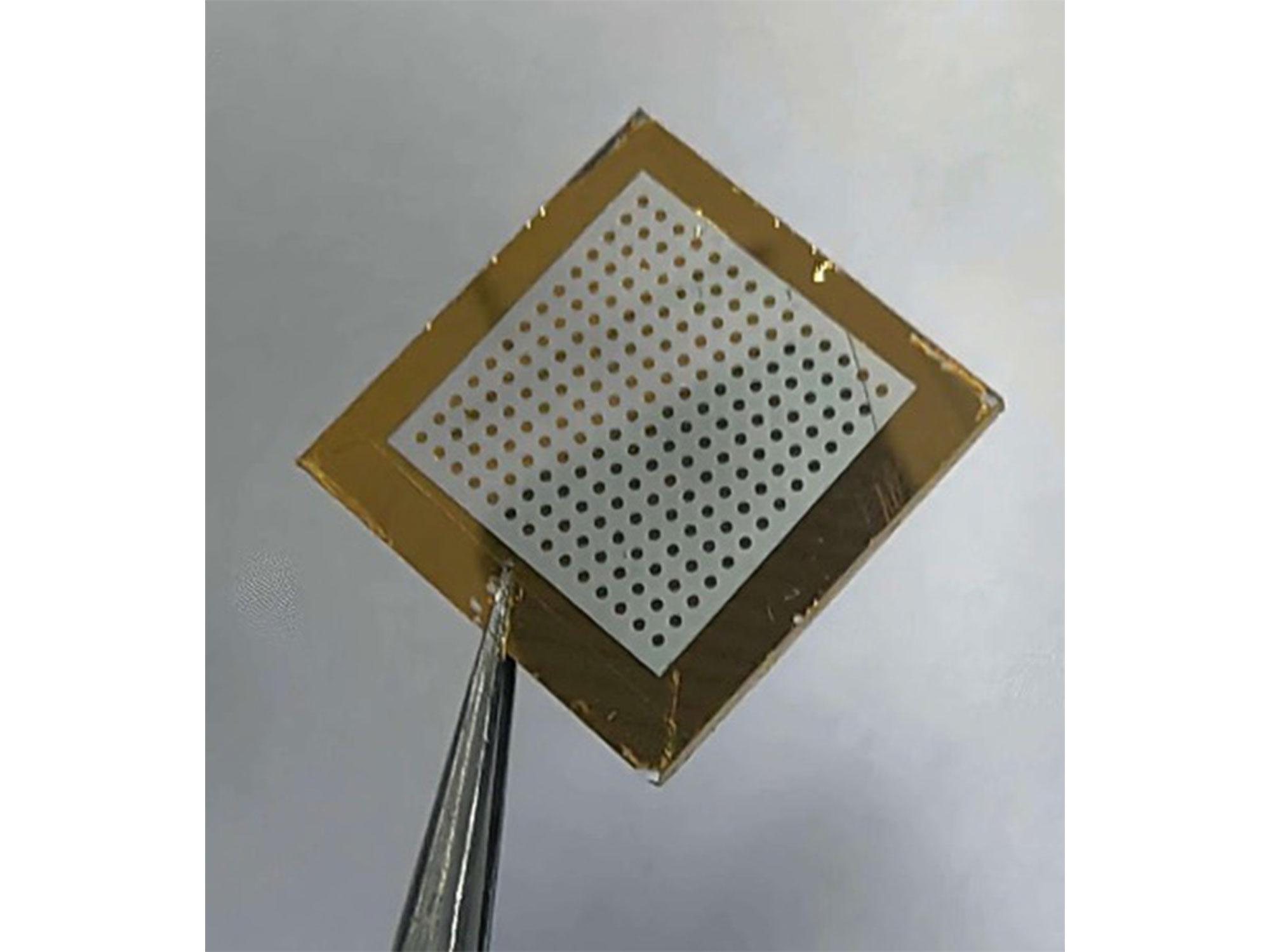
To validate the efficacy of the photomemristor, the research team arranged 16 of the sensors into a 4×4 array, creating a primitive version of an artificial retina. This array was then interfaced with a neural network designed to simulate the decision-making processes of an autonomous vehicle’s onboard computer.
The researchers subjected the system to a modified version of a standard optometry exam. They projected an LED letter "F" against a background that fluctuated between extreme darkness and intense brightness. The results were stark:
- Accuracy: The system achieved a 95% accuracy rate in identifying the target letter across all lighting variations.
- Adaptation Speed: While the human eye can take between 20 and 30 minutes to fully adapt to a transition from bright light to total darkness, the photomemristor array achieved a similar state of equilibrium in just seconds.
- Size and Scalability: Each individual sensor measures a mere 0.5 millimeters across—thinner than a standard credit card. This small footprint allows for the potential integration of thousands of such sensors into existing camera housings without significantly increasing the vehicle’s weight or power consumption.
Compared to traditional computer vision models, which often require significant computational power to "clean up" overexposed or underexposed images, the photomemristor handles the adjustment at the hardware level. This reduces the "compute load" on the vehicle’s central processor, potentially leading to faster reaction times in emergency situations.
A Chronology of Autonomous Vision Development
The development of the photomemristor represents a new chapter in the timeline of autonomous navigation:
- 2004–2007: The DARPA Grand Challenges establish the feasibility of self-driving cars, primarily using basic radar and early-stage LiDAR.
- 2010–2015: Google (later Waymo) and Tesla begin refining camera-based systems, relying heavily on software algorithms to interpret 2D images.
- 2016–2022: The industry experiences a "reality check" as accidents involving "phantom braking" and glare-related failures highlight the limitations of silicon sensors in edge-case scenarios.
- 2023–Present: Research shifts toward "neuromorphic" engineering—creating hardware that mimics the human brain and nervous system to process data more efficiently. The Penn State photomemristor is a flagship example of this new era.
Broader Implications: From Medical Optics to Humanoid Robotics
While the immediate application of this technology is focused on the automotive sector, the implications of bio-inspired sensors extend far beyond the road. The researchers have outlined several key areas where photomemristors could provide transformative benefits:
1. Visual Prosthetics
One of the most ambitious potential uses for this technology is in the field of medical optics. For individuals with visual impairments caused by retinal degeneration, artificial eyes equipped with photomemristors could offer a level of light adaptation that current electronic implants cannot match. Because the sensors are small, flexible, and mimic biological processes, they are better candidates for integration with human neural pathways.
2. Industrial and Humanoid Robotics
As companies like Amazon and Tesla develop humanoid robots for warehouse and domestic use, these machines will need to move between varied lighting environments—such as moving from a brightly lit loading dock into a dim storage corridor. A robot equipped with "human-like" vision would be less likely to stumble or misidentify objects during these transitions, improving workplace safety and efficiency.
3. Energy Efficiency in AI
Modern AI models require massive amounts of electricity to process visual data. By handling light adaptation at the sensor level rather than through software, photomemristors could significantly reduce the energy footprint of AI-driven devices, from smart city infrastructure to drones.
The Road Ahead
Despite the promising results of the Penn State study, the path to commercialization involves several hurdles. The current 4×4 array is a "proof of concept" and must be scaled up to megapixel resolutions to be useful for high-speed driving. Additionally, the longevity and durability of the hydrogel-based components must be tested against the extreme vibrations and temperature fluctuations common in automotive environments.
The research team has indicated that the next phase of their work will involve creating a "multimodal" system. This would combine the light-sensitive photomemristors with tactile sensors, allowing a robot or vehicle to process visual and physical feedback simultaneously, much like a human uses both sight and touch to navigate a crowded room.
As robotaxi firms like Waymo and Zoox continue to expand their footprints—Waymo recently announced operations in 10 U.S. cities—the demand for sensors that can handle the "chaos" of real-world lighting will only grow. The Penn State photomemristor stands as a testament to the idea that the future of high-tech transportation may not be found in faster processors, but in a deeper understanding of the biological systems that have allowed humans to navigate the world for millennia. By shrinking the complexity of the human eye into a grain of sand, engineers may finally give autonomous machines the clarity of vision they need to truly master the road.