



The landscape of learning, particularly within professional and educational institutions, is undergoing a profound transformation. As organizations increasingly rely on digital platforms to deliver training, upskill employees, and disseminate knowledge, a critical challenge emerges: ensuring these environments are truly accessible and effective for every individual. The notion of a "universal learner" is a fallacy, according to experts, and a more nuanced, human-centered approach to design is paramount. This shift in perspective is not merely about accommodating diverse needs; it’s about unlocking the full potential of learning for all, fostering greater engagement, and ultimately driving organizational success.
The Illusion of Universal Access and the Reality of Digital Capital
Online learning platforms, by their very nature, appear to offer equitable access. Registered users can typically log in, access courses, and participate in activities from virtually any location. However, this apparent availability belies a more complex reality where the learning experience can vary dramatically from one individual to another. This disparity is often attributed to what researchers term "digital capital."
Digital capital encompasses a confluence of factors, including access to reliable technology, prior experience with online learning systems, and the availability of social support networks that facilitate digital literacy. Learners who possess high levels of digital capital, often characterized by familiarity with virtual learning environments and robust technological resources, tend to navigate these platforms with ease, progressing rapidly through course materials. Conversely, individuals with limited technological access, less experience with online learning, or insufficient social support can find themselves at a significant disadvantage, struggling to keep pace and often falling behind their peers.
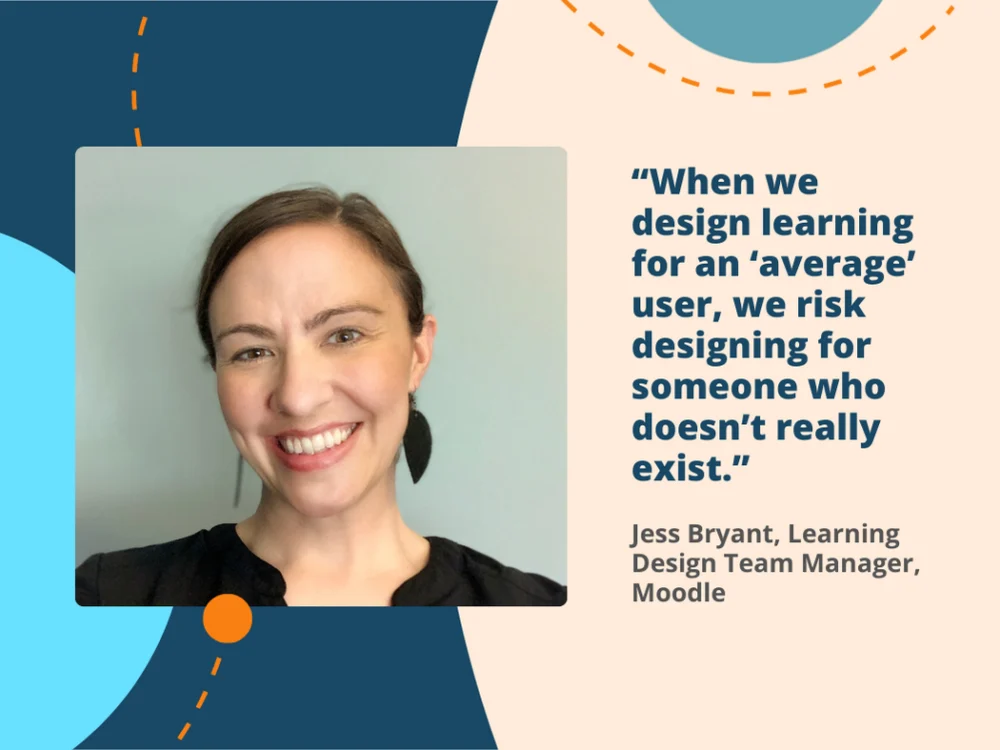
Jess Bryant, Learning Design Team Manager at Moodle, a leading open-source learning platform provider, articulates this challenge with clarity: "When we design learning for an ‘average’ user, we risk designing for someone who doesn’t really exist. People engage with learning in very different ways depending on their circumstances." This statement underscores a fundamental truth: learning environments must be designed with intentionality to account for the inherent variability among learners.
The Impact of Design Choices on Learner Engagement
The design of a learning environment extends far beyond the quality of the content itself. The user interface, navigation, accessibility features, and the overall structure of courses all play a crucial role in shaping a learner’s experience. When these elements are not thoughtfully considered, they can inadvertently create barriers, leading to decreased engagement and suboptimal learning outcomes.
Moodle’s experience, garnered from working with a diverse range of organizations, reveals that even seemingly minor design choices can have a significant impact. "We spend a lot of time perfecting content, but content isn’t the only thing that shapes someone’s experience," Bryant explains. "To encourage learner engagement, we need to build an environment that supports learners with varying levels of digital confidence and connectivity."
Research from educational psychology consistently highlights the importance of a supportive and intuitive learning environment. For instance, a 2022 study published in the Journal of Educational Technology & Society found that clear navigation and predictable course structures were directly correlated with higher learner satisfaction and retention rates. Similarly, a report by the eLearning Industry in 2023 indicated that learners who reported higher levels of digital confidence were more likely to complete online courses and achieve learning objectives. These findings, while often applied in academic settings, hold direct relevance for enterprise learning initiatives.
Embracing Universal Design for Learning (UDL) in the Workplace
To address the challenges posed by the "myth of the universal learner," a growing number of organizations are turning to frameworks like Universal Design for Learning (UDL). Originally developed for K-12 and higher education, UDL principles are highly adaptable and increasingly being integrated into workplace learning strategies.
UDL, as championed by organizations like CAST (Center for Applied Special Technology), is a framework that guides the design of learning environments to be accessible and effective for all learners from the outset. It advocates for providing multiple means of engagement, representation, and action and expression. This means offering learners diverse ways to interact with the material, understand information, and demonstrate their knowledge and skills.
"By keeping UDL in mind, we can design for variability from the beginning," Bryant notes. "Rather than adapting a course later for learners who are struggling, we create learning experiences that work for a wider range of people from day one." This proactive approach not only benefits learners with specific needs but also enhances the experience for everyone by offering greater flexibility and choice.
Practical applications of UDL in the workplace include:
- Varied Content Formats: Offering learning materials in multiple formats, such as short videos, written summaries, audio recordings, and interactive simulations. This allows learners to choose the format that best suits their learning style and preferences. For example, a company implementing a new compliance training module might offer a narrated presentation alongside a detailed written guide and a brief animated explainer video.
- Flexible Assessment Options: Providing learners with a range of ways to demonstrate their understanding. This could include traditional quizzes, but also project-based assessments, reflective journals, peer reviews, or problem-solving scenarios. A recent analysis of corporate training programs by the Association for Talent Development (ATD) indicated that organizations offering diverse assessment methods saw a 15% increase in knowledge retention compared to those using a single assessment type.
- Predictable Navigation and Clear Instructions: Ensuring that the learning platform has intuitive navigation and that all instructions for activities, assignments, and assessments are clear, concise, and easily understandable. This reduces cognitive load and minimizes confusion, allowing learners to focus on the learning material.
- Opportunities for Collaboration and Support: Integrating features that facilitate peer-to-peer learning, discussion forums, and access to support resources, such as FAQs or dedicated help desks. This can be particularly beneficial for learners who may not have strong social support networks outside of the learning environment.
The Business Case for Inclusive Learning Design
The implications of designing inclusive and human-centered learning environments extend beyond individual learner success; they have a tangible impact on organizational performance. When learning is accessible and engaging for everyone, it fosters a more skilled, confident, and motivated workforce. This, in turn, can lead to improved productivity, reduced error rates, increased innovation, and enhanced employee retention.
A comprehensive report by Deloitte in 2023 on the future of work emphasized that organizations prioritizing employee development and well-being through inclusive learning experiences are more likely to achieve higher levels of employee engagement and outperform their competitors. The report highlighted that a significant driver of employee disengagement stems from a perception that learning opportunities are not relevant or accessible to their specific roles or circumstances.
The launch or significant reshaping of a learning management system (LMS) is a high-stakes undertaking, often involving numerous stakeholders, tight deadlines, and diverse expectations. However, by shifting the focus from a one-size-fits-all approach to one that embraces variability and individual needs, organizations can transform this challenge into an opportunity.
As Jess Bryant aptly concludes, "When learning is designed with real people in mind, it doesn’t just become more accessible – it becomes more valuable for the organization as a whole." This sentiment is echoed by organizations that have successfully implemented UDL principles, reporting not only improved learning outcomes but also a more positive and equitable workplace culture.
Bridging the Gap: Resources for Actionable Strategies
Recognizing the critical need for guidance in this area, Moodle has developed a resource titled "Bridging the hidden learning gap." This guide offers expert insights, practical strategies, and actionable ideas for creating learning environments that people genuinely want to use. It is designed to assist individuals involved in learning design and course development, whether they are launching new platforms or refining existing ones.
The guide delves into the intricacies of thoughtful learning design, accessibility, and human-centered approaches. It provides a roadmap for organizations to move beyond the limitations of traditional learning models and embrace a more inclusive and effective paradigm. By downloading this resource, organizations can equip themselves with the knowledge and tools necessary to build learning environments where every learner, regardless of their background, digital capital, or learning style, can thrive.
In conclusion, the journey towards truly inclusive and effective learning environments is ongoing. It requires a conscious effort to move away from outdated assumptions about learners and embrace a design philosophy that prioritizes variability, accessibility, and human connection. By implementing principles like Universal Design for Learning and focusing on the small, yet impactful, design choices, organizations can cultivate a learning culture that empowers every individual to reach their full potential, driving both personal growth and collective success.