




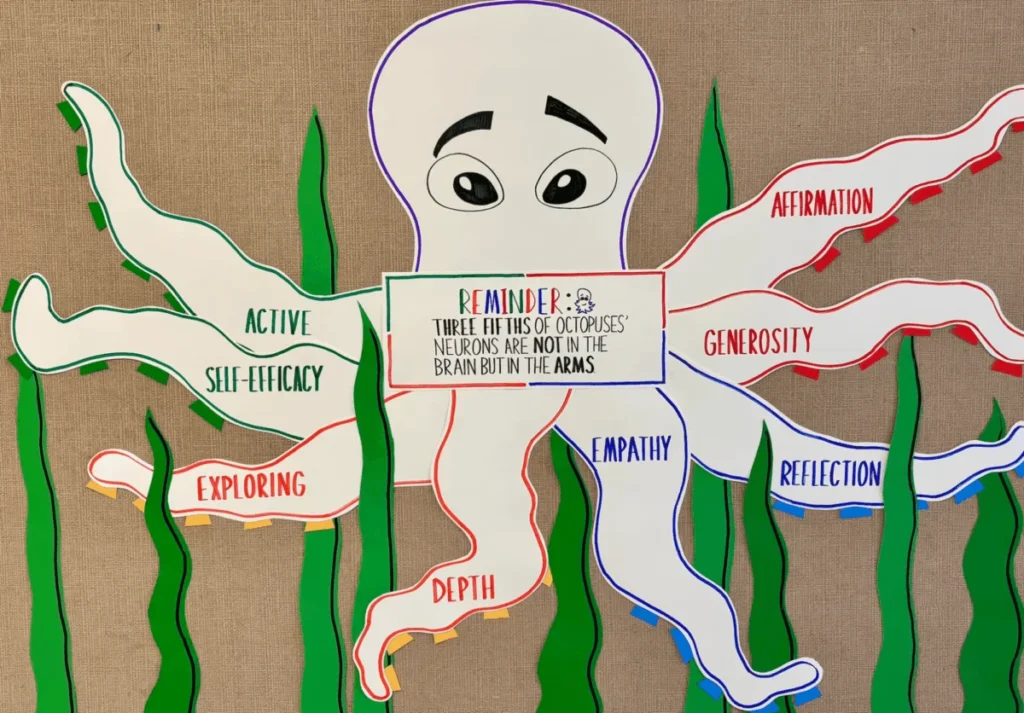
In modern secondary classrooms, the challenge of fostering a cohesive, supportive community often competes with the pressures of rigorous academic curricula and standardized testing. For educator Marcus Luther, the solution to this perennial pedagogical dilemma has manifested in a unique, highly structured visual system known as "the octopus." This peer-affirmation framework, which has been refined over more than a decade of classroom application, serves as a tangible mechanism for students to identify, validate, and celebrate the core values of their learning environment. By leveraging a systematic approach to student-to-student recognition, this practice provides a robust model for schools seeking to enhance student belonging and social-emotional growth.

The Evolution of a Classroom Ritual
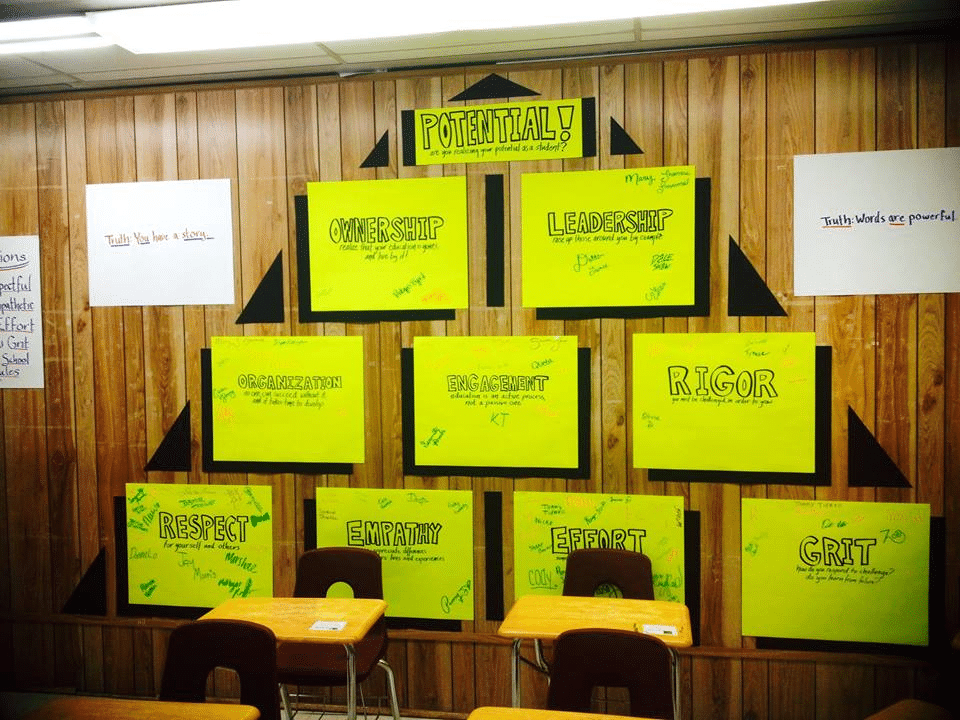
The origin of the octopus-themed affirmation system can be traced back to early observations of effective primary-grade pedagogy. Initially inspired by the practices of his spouse, a fifth-grade educator who utilized intentional note-writing and prominent displays of classroom values, Luther sought to adapt these principles for the high school environment. The project began in his early teaching years as a "Pyramid of Success," a conceptual nod to the philosophies of legendary UCLA basketball coach John Wooden. Over subsequent academic years, the visual representation evolved, eventually settling into its current form: a large, multi-appendaged octopus displayed prominently on the classroom wall.
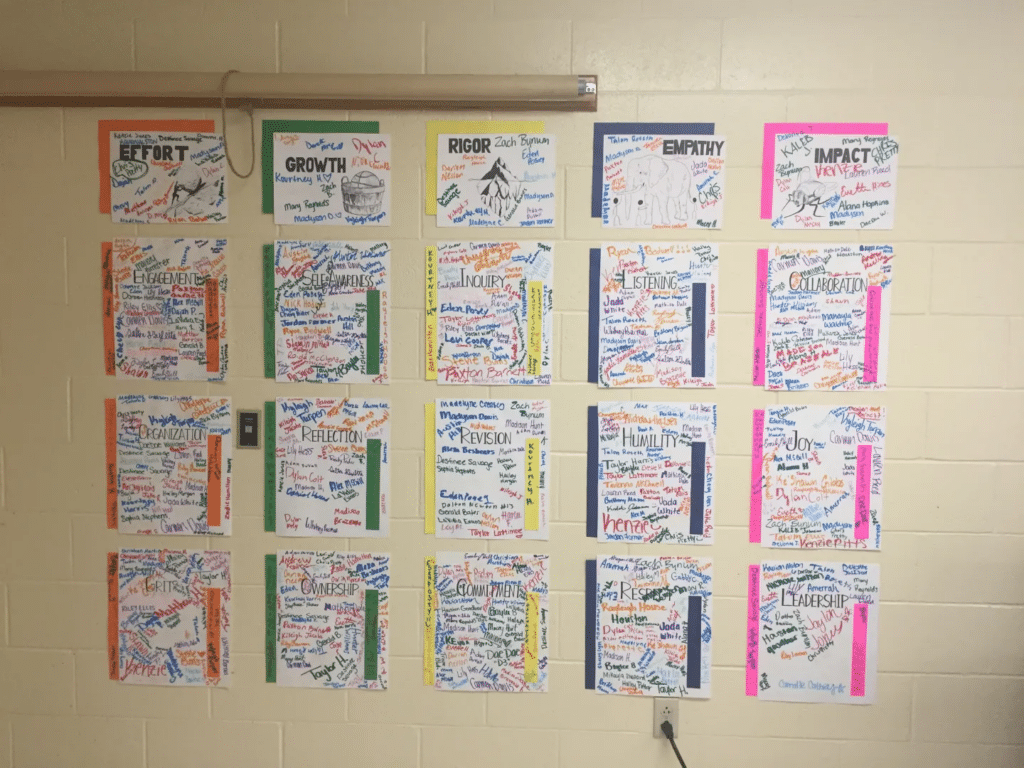
The transition from a simple wall display to a formalized system required a shift in methodology. Rather than being a static art project, the octopus acts as a living document. Each appendage represents a specific classroom value—such as active participation, intellectual depth, or community support—and serves as a designated space for student signatures. Throughout the school year, these signatures are added only after a student has been anonymously nominated by a peer for embodying that specific value. This ensures that the recognition is not merely a teacher-led initiative but a genuine reflection of the classroom community’s collective observations.
The Operational Framework of Peer Affirmation
The system relies on a tripartite structure that ensures consistency and meaningful engagement. The process begins with the establishment of core values, which are curated through student reflection. Rather than imposing a top-down list of expectations, Luther often facilitates end-of-year surveys where students evaluate the effectiveness of the current year’s values. This longitudinal data informs the selection of values for the following academic cycle, ensuring that the classroom community remains responsive to the needs of the student body.
The second phase involves the nomination process, which is managed via digital tools such as Google Forms. This choice is deliberate; it allows the teacher to manage the logistical influx of data from up to 180 students across six different class periods. During this phase, students are tasked with identifying a peer, selecting the corresponding value that the peer demonstrated, and providing specific evidence for the nomination. The anonymity of the process is a critical component, as it minimizes social pressures and encourages students to focus on the merit of their peers’ contributions rather than popularity or social standing.
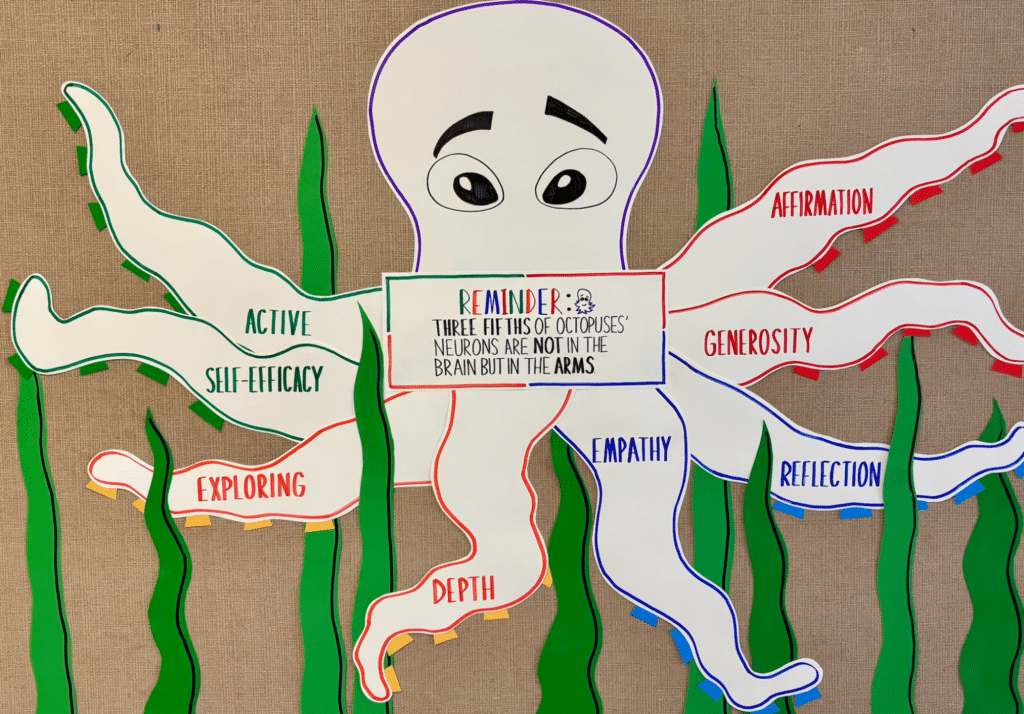
The final stage is the ritual of "signing the wall," which typically occurs at the end of each week. This event functions as a community-building milestone. The educator reads the anonymous nominations aloud to the class, acknowledging the specific behaviors or achievements mentioned before revealing the recipient’s name. This creates a moment of public, positive reinforcement. The use of specific, color-coded pens for different class periods adds an element of ritualistic significance, further cementing the practice as a core feature of the classroom’s identity.
Supporting Data and Pedagogical Impact
Research in social-emotional learning (SEL) consistently highlights the correlation between a sense of belonging and academic achievement. According to data from the Collaborative for Academic, Social, and Emotional Learning (CASEL), students who feel affirmed by their peers are more likely to exhibit higher levels of motivation, reduced anxiety, and improved classroom behavior. The "octopus" system serves as a practical implementation of these findings. By quantifying affirmations, the teacher gains a valuable dataset that reveals which students are being recognized and which may be overlooked.
This systematic tracking provides teachers with actionable insights. By reviewing the nominations, educators can identify "quiet leaders"—students who contribute significantly to the classroom culture but might not otherwise receive acknowledgment. Furthermore, these records serve as essential resources during parent-teacher conferences. Providing parents with specific, peer-generated feedback about their child’s character offers a more comprehensive view of the student’s growth than grades alone. This transparency can bridge the communication gap between home and school, validating the student’s experience in the classroom for both the child and their family.
Institutional Implications and Challenges
While the system has proven successful in various high school settings, it is not without its challenges. The initial implementation requires a significant investment of time and deliberate planning to establish norms. Skepticism among students—often characterized by initial eye-rolling or perceived "coolness" barriers—is a common hurdle. However, historical performance metrics from these classrooms suggest that even the most detached students often become the most invested participants once the ritual is established as a consistent, non-negotiable part of the academic week.

The broader implications for school culture are significant. When peer affirmation is integrated into the fabric of the classroom, it shifts the focus from individual competition to collective success. It creates a linguistic environment where students are trained to look for strengths in others. This shift is particularly relevant in the era of digital distraction and social media-driven comparison, where the ability to articulate positive feedback is an increasingly rare, yet vital, social skill.
Analytical Perspective: Sustainability and Scalability
The scalability of the peer affirmation system is high, provided that the educator remains committed to the underlying purpose. The "octopus" is merely a vessel; the true pedagogical value lies in the teacher’s ability to facilitate a culture of genuine appreciation. The system is highly adaptable; a teacher in a middle school might choose a different visual motif or a simplified version of the value list, while an AP-level instructor might integrate the values with more complex analytical criteria.
As school districts continue to prioritize holistic student development, the replication of such systems offers a low-cost, high-impact strategy. By creating space for students to be seen and valued by their peers, educators can effectively cultivate a classroom environment that is not only academically rigorous but also emotionally resonant. The long-term success of this model suggests that when teachers make space for affirmation, they are not just decorating a wall—they are building the foundational infrastructure for a more empathetic and connected generation of learners.