
In an era increasingly shaped by digital tools and the burgeoning influence of artificial intelligence, educators are grappling with fundamental questions about fostering authentic student voice and enhancing writing proficiency. One compelling pedagogical response gaining traction involves the deliberate integration and celebration of student exemplars within the classroom environment, moving beyond traditional grading metrics to cultivate confidence, skill, and a profound sense of belonging. This approach, exemplified by educators like Marcus Luther, underscores the enduring value of student-generated content as both a teaching tool and a catalyst for a vibrant learning community.
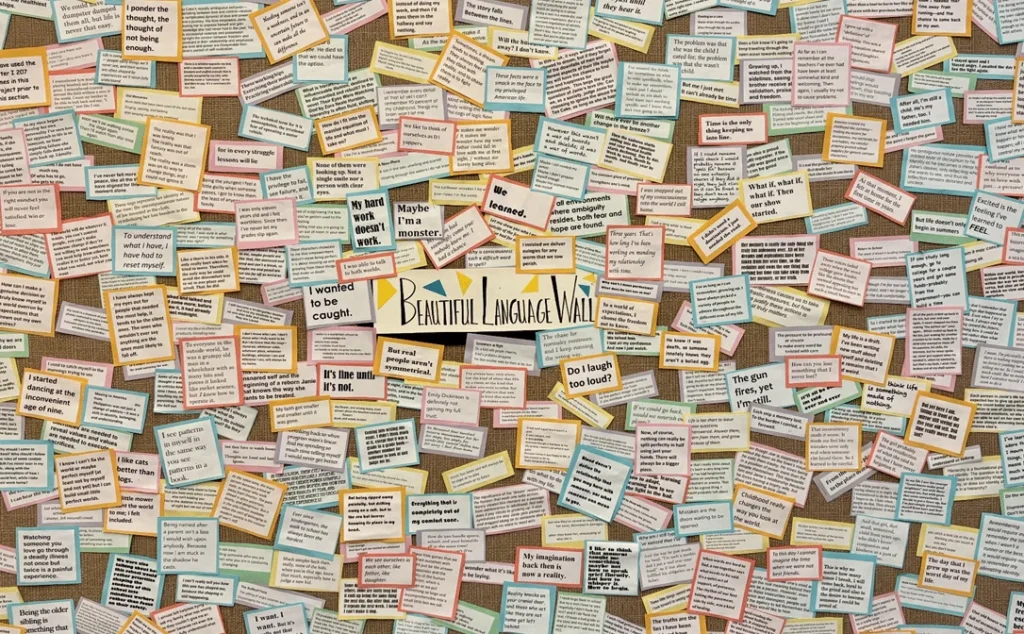
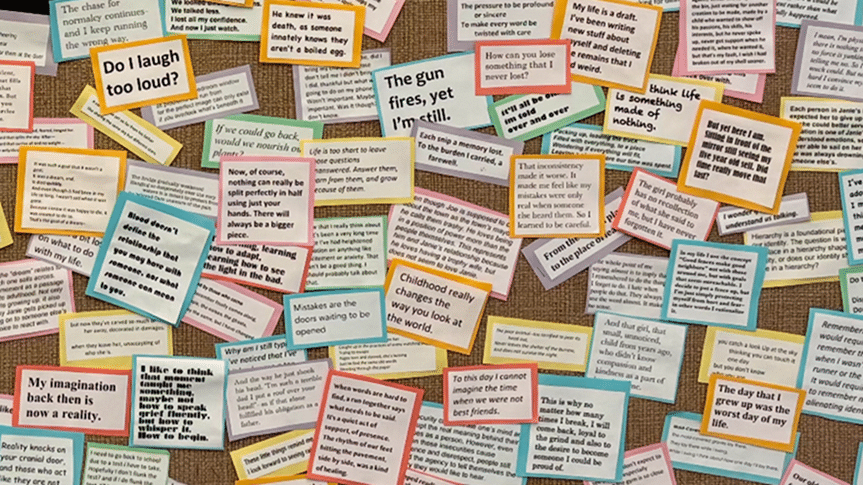
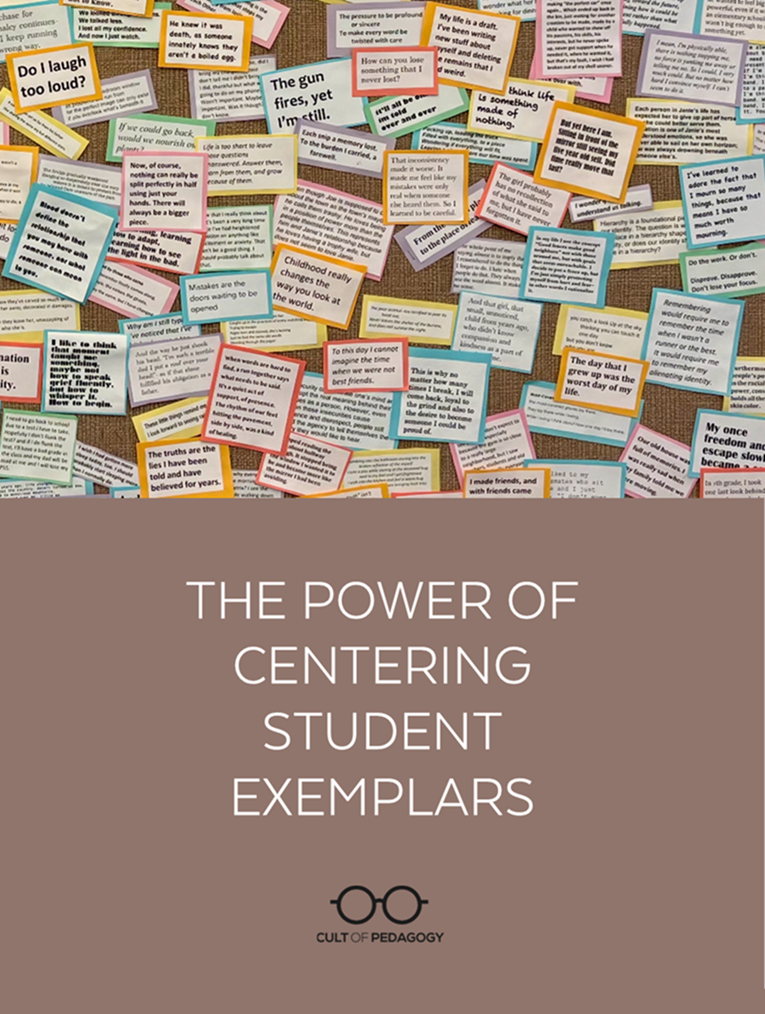
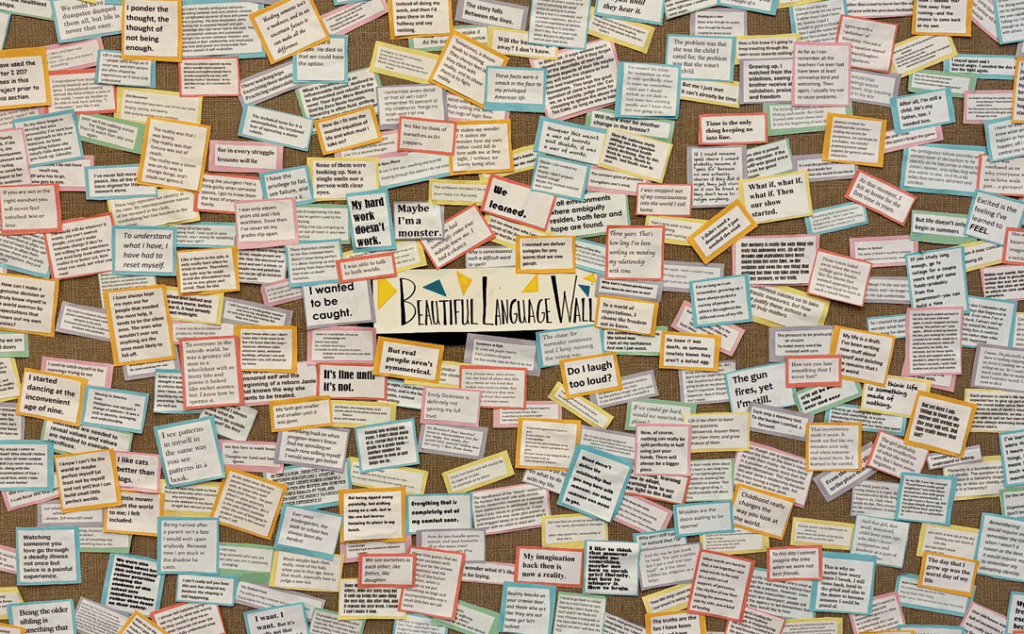
The foundation of this strategy often begins with a dedicated physical space. For Luther, an English educator, this manifests as a "Beautiful Language Wall" — a bulletin board that starts each academic year as a blank canvas, bearing only a modest placard with its evocative name. Over weeks and months, this wall transforms into a dynamic repository of student achievement. As Luther reviews student writing, he meticulously identifies sentences, phrases, or stylistic choices that exhibit particular merit. These anonymized selections are then prominently displayed, becoming tangible representations of excellence that resonate directly with the students. This seemingly simple act initiates a powerful ripple effect: students arrive early to scrutinize new additions, linger after class to locate their own contributions, and even invite peers from other classes to witness their work "making the wall." By year’s end, the once-empty board overflows with a collective tapestry of linguistic artistry, a testament to the community’s evolving writing prowess.
Beyond the Bulletin Board: Leveraging Exemplars as Instructional Tools
While the visual display of student work fosters an immediate sense of pride and shared accomplishment, the true instructional power of exemplars emerges when they are actively integrated into lessons. Research consistently highlights that specific, positive feedback is far more effective than general praise or solely relying on grades for student motivation and improvement. When a student’s sentence is projected for the entire class, serving as a teaching point, it carries an unparalleled weight. This immediate, peer-generated example is often more relatable and inspiring than abstract guidelines or external models, demonstrating "what is possible" directly from within their own learning ecosystem.
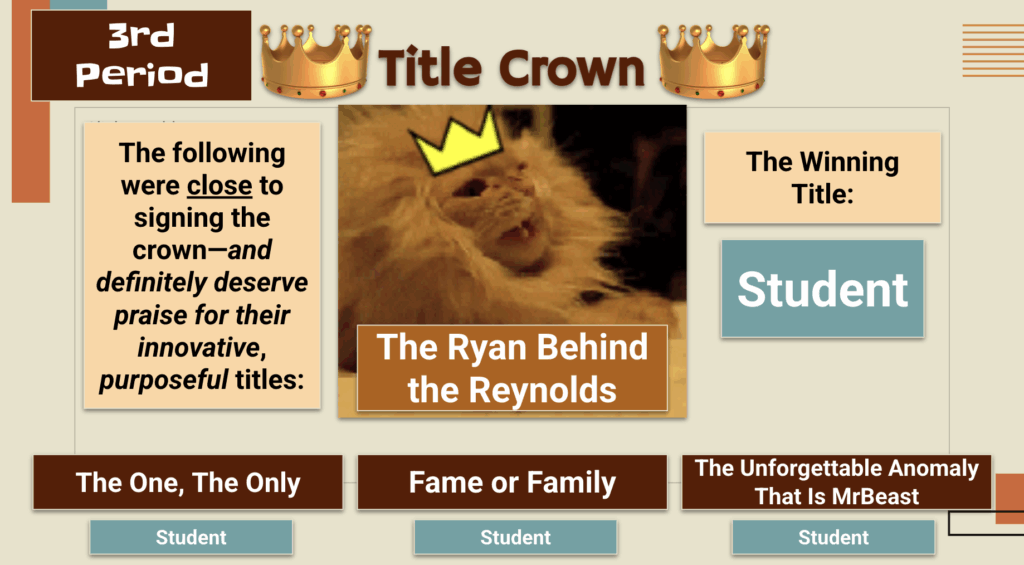
One effective strategy involves celebrating "specific wins" during feedback sessions. Moving beyond holistic essay grades, educators can pinpoint and commend particular strengths such as the "best title," "most engaging opening," "favorite sentence," or "strongest closing." Luther has formalized this with a "title crown" — a large cardstock crown signed by students whose work receives top recognition in a specific category. This gamified approach transforms feedback days into celebratory events. For instance, a student who might typically struggle academically found renewed motivation when his creative essay title, "The Ryan Behind the Reynolds," earned him the "title crown." His enthusiastic "YES!" and subsequent pride in wearing the crown illustrate the profound impact of acknowledging specific efforts and achievements, regardless of the overall grade. As one student reflected, "I’m so proud of my essay!! I got the award for best title […] I told myself I should at least try because I wanted to see if I could get it and I did!" This shift in focus cultivates a growth mindset, encouraging students to view their work not as a pass/fail endeavor but as a collection of evolving skills.
Interactive Engagement: Bringing Student Work to Life
The utility of student exemplars extends beyond passive display or direct instruction; they can become interactive learning tools that promote peer-to-peer learning and critical analysis. After a particularly challenging synthesis essay, Luther’s junior class, tasked with interpreting King Lear alongside a modern poem and designing their own essay structure, demonstrated exceptional creativity in their openings and closings. To capitalize on this strength, Luther curated five anonymous examples of strong openings and closings, adding his own "Moves to note" commentary on each. These were then posted around the classroom for a "gallery walk."
Students moved through the room, analyzing their peers’ work, noting effective strategies in their notebooks, and leaving their initials on pieces that particularly resonated. This activity offered several key benefits:

- Modeling and Application: It provided concrete, accessible examples of high-quality writing from within their own peer group, making the path to improvement feel more attainable.
- Affirmation and Motivation: Students whose work was featured experienced a significant boost in confidence and validation, recognizing the value of their efforts and the risks they took in their writing. One student articulated this perfectly: "I am proud of the risks I took and my ability to insert my own voice into my essay when the thought of that terrified me at first." This underscores the dual goal of developing both better and more confident writers.
- Active Learning: The interactive format encouraged critical thinking about writing craft, moving beyond abstract concepts to tangible application.
The Collective Voice: Fostering Community Through Shared Creation
Perhaps one of the most powerful applications of student exemplars is their role in building a collective identity and fostering a profound sense of belonging within the classroom. At the close of a semester, Luther orchestrated a poignant activity involving a "collective poem." Earlier in the year, students had engaged in a narrative poetry unit. For the final lesson, Luther meticulously extracted at least one line from every student’s individual poem, weaving them together into a single, cohesive "collective poem."
During the last class, students were given copies of this new poem and instructed to read it aloud, one line at a time, sequentially around the room. As the reading progressed, whispers began to ripple through the class: "Hey, I wrote that." "This is from my poem." "I did this." The realization that the entire class had collectively authored this new piece created an electric atmosphere. The room erupted in conversation, culminating in the profound understanding: "We wrote this."
This activity brilliantly illustrates how individual contributions, when brought together, form something larger and more meaningful. It democratizes the creative process, ensuring "each person, aware or not, is given a spot to be." The collective poem became a potent symbol of the community they had built, demonstrating how "people can lift you and give you strength when you’re just given a place to be, each person offering a piece of their story to make a community." This deepens the sense of belonging, a critical factor for student engagement and well-being, particularly in high school.
Pedagogical Implications and Future Challenges
These strategies align with established pedagogical principles emphasizing formative assessment, constructivist learning, and social-emotional development. Educational psychologist Carol Dweck’s work on growth mindset, for instance, highlights the importance of feedback that focuses on effort and specific strategies rather than inherent ability. By celebrating "wins" and providing concrete examples, educators reinforce the idea that writing is a skill that can be developed through practice and risk-taking. Similarly, Vygotsky’s sociocultural theory of learning underscores the value of peer interaction and the "zone of proximal development," where students learn effectively from those slightly ahead of them, making peer exemplars particularly potent.
In the current educational landscape, these practices hold even greater significance. The rapid evolution of artificial intelligence tools like ChatGPT presents unprecedented challenges to traditional writing instruction. With AI capable of generating sophisticated text, educators are increasingly compelled to rethink assignments, assessment methods, and the very definition of "authentic voice." In this context, centering student exemplars becomes a vital counter-narrative. It re-emphasizes the unique human element in writing – the individual perspective, the lived experience, the creative spark – that AI cannot replicate. By elevating student voices and celebrating their specific linguistic contributions, teachers validate the inherent worth of human expression and make writing a deeply meaningful, personal endeavor, rather than a mere task to be completed.
Moreover, fostering a classroom culture of celebration and belonging has profound positive impacts on student mental health and engagement. A 2023 survey by The Collaborative for Academic, Social, and Emotional Learning (CASEL) found that students who feel a strong sense of belonging at school are more likely to perform better academically and exhibit greater social-emotional competence. By creating spaces where every student’s contribution is valued and showcased, educators actively build this crucial sense of community.
As Marcus Luther aptly states, "Our choices are expressions of our values." By deliberately choosing to center student writing, educators send an unequivocal message about the immense value they place on authentic voice, individual growth, and the collective strength of their classroom community. This approach offers a robust framework for navigating the complexities of modern education, ensuring that writing remains a powerful, personal, and profoundly human act, now more than ever.