



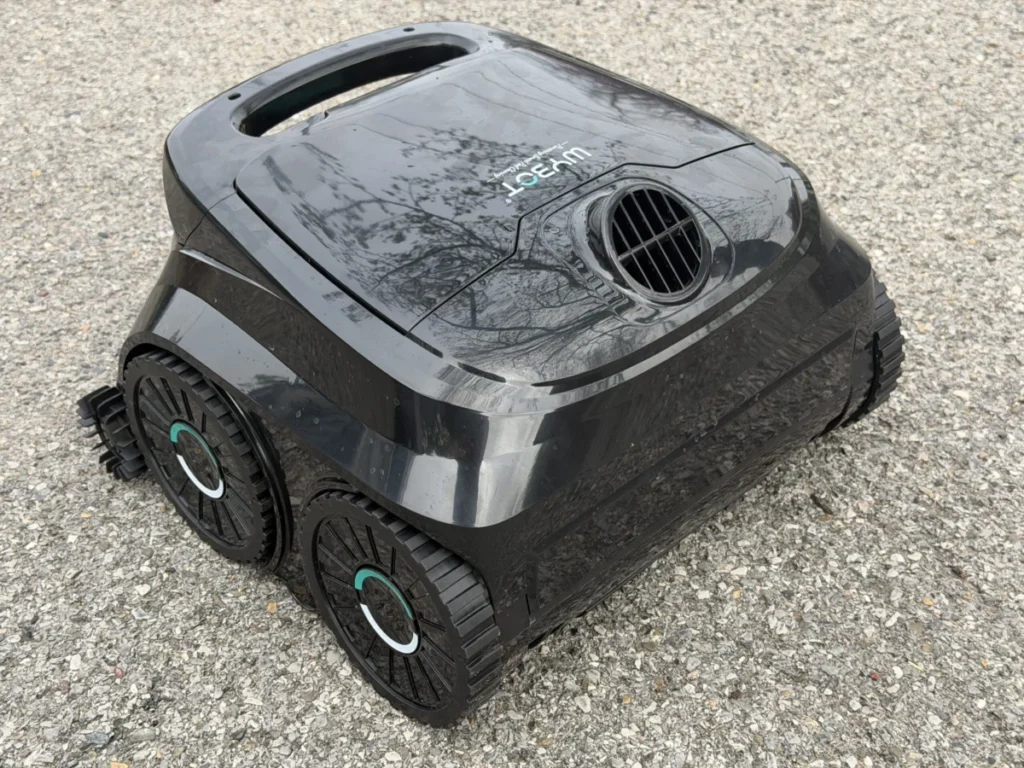
The Wybot B1 Cordless Robotic Pool Cleaner represents a significant shift in the residential pool maintenance market, transitioning from traditional corded infrastructure to a streamlined, battery-operated system designed for ease of use and operational efficiency. As homeowners increasingly seek automated solutions for property management, the B1 emerges as an entry-level contender within the Wybot lineup, specifically engineered to service above-ground and small-to-mid-size in-ground pools. By eliminating the physical constraints of a power cable, the device addresses common logistical challenges such as cord entanglement, reach limitations, and the necessity of proximity to Ground Fault Circuit Interrupter (GFCI) outlets. This transition to cordless technology mirrors broader trends in consumer electronics, where lithium-ion battery advancements have enabled the miniaturization and mobilization of heavy-duty cleaning equipment.
The Evolution of Residential Pool Maintenance
To understand the impact of the Wybot B1, one must consider the historical context of pool sanitation. For decades, pool owners relied on manual vacuuming systems or suction-side cleaners that utilized the pool’s primary filtration pump. While effective, these methods were labor-intensive and placed significant strain on the pool’s hydraulic system. The advent of robotic pool cleaners in the late 20th century revolutionized the industry by providing self-contained units with internal motors and filtration bags. However, early robotic models were tethered to bulky power transformers via long, heavy cables. These cables were prone to "tangling," a phenomenon where the robot’s rotational movements caused the cord to knot, eventually restricting the unit’s range and leaving sections of the pool floor untouched.
The development of the Wybot B1 marks a milestone in the "cordless revolution" of the 2020s. By integrating high-capacity battery technology directly into the chassis, manufacturers have removed the most common point of mechanical failure and user frustration. This evolution is driven by a global robotic pool cleaner market that is projected to grow at a Compound Annual Growth Rate (CAGR) of approximately 14% through 2030, as consumers prioritize time-saving automation and energy-efficient appliances.
Technical Specifications and Engineering Design
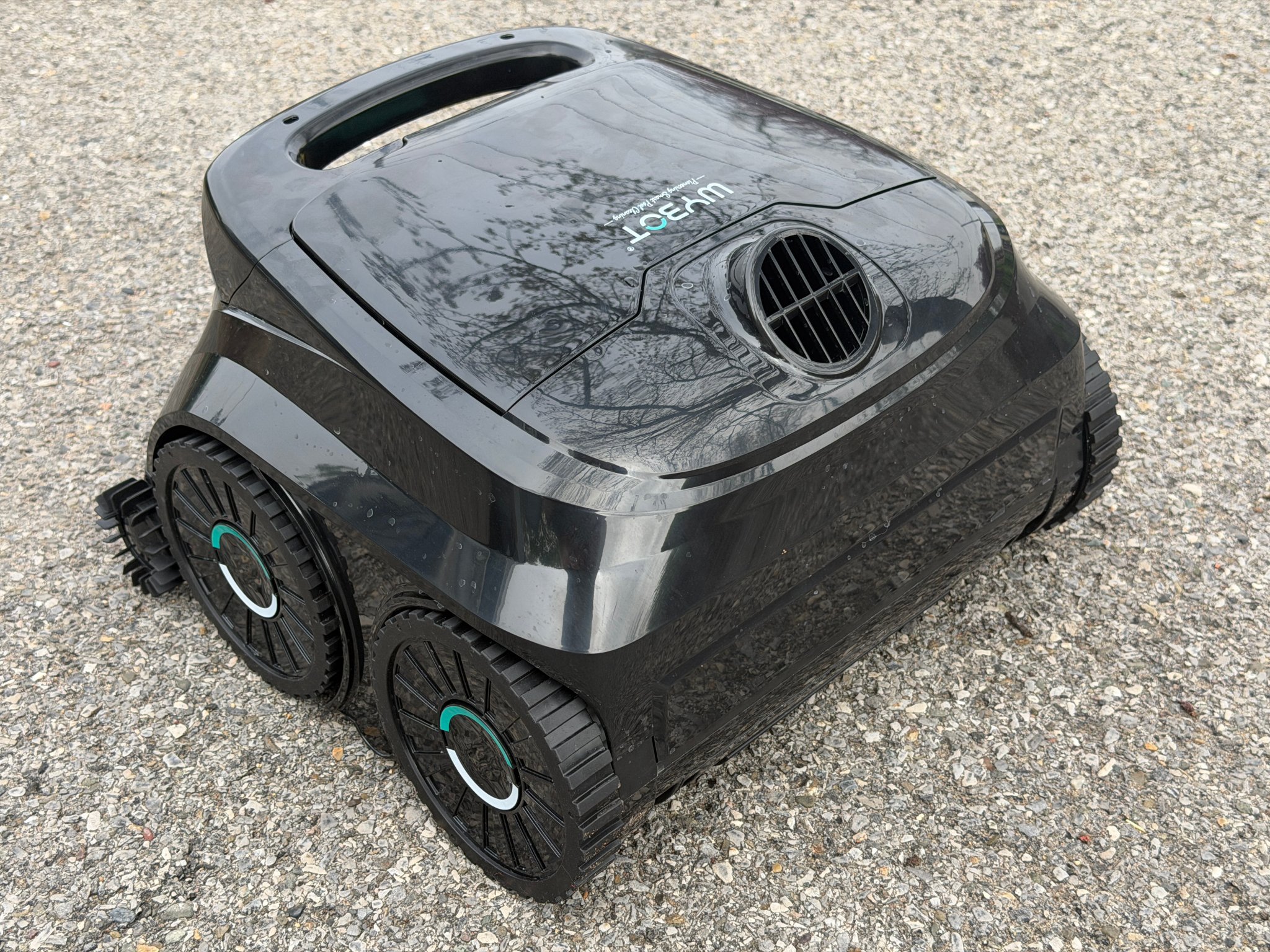
The Wybot B1 is engineered with a focus on power-to-weight ratio and navigational precision. Weighing approximately 13 pounds when dry, the unit is designed for one-handed retrieval, a critical feature for users who may find industrial-grade cleaners too cumbersome. The device’s buoyancy is calibrated to remain neutral when submerged, allowing its internal motors to drive the unit across the pool floor and up the walls without fighting excessive gravitational resistance.
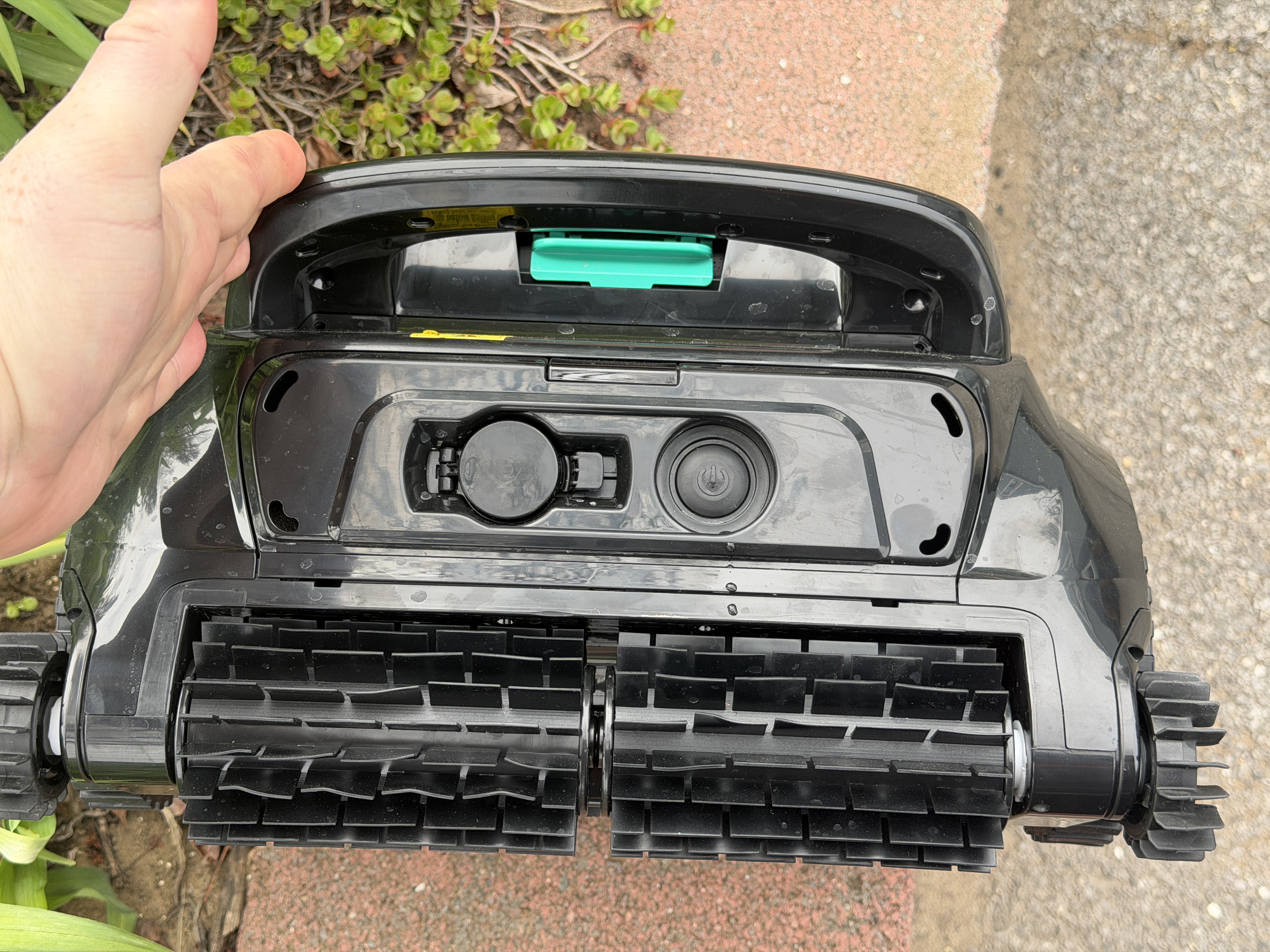
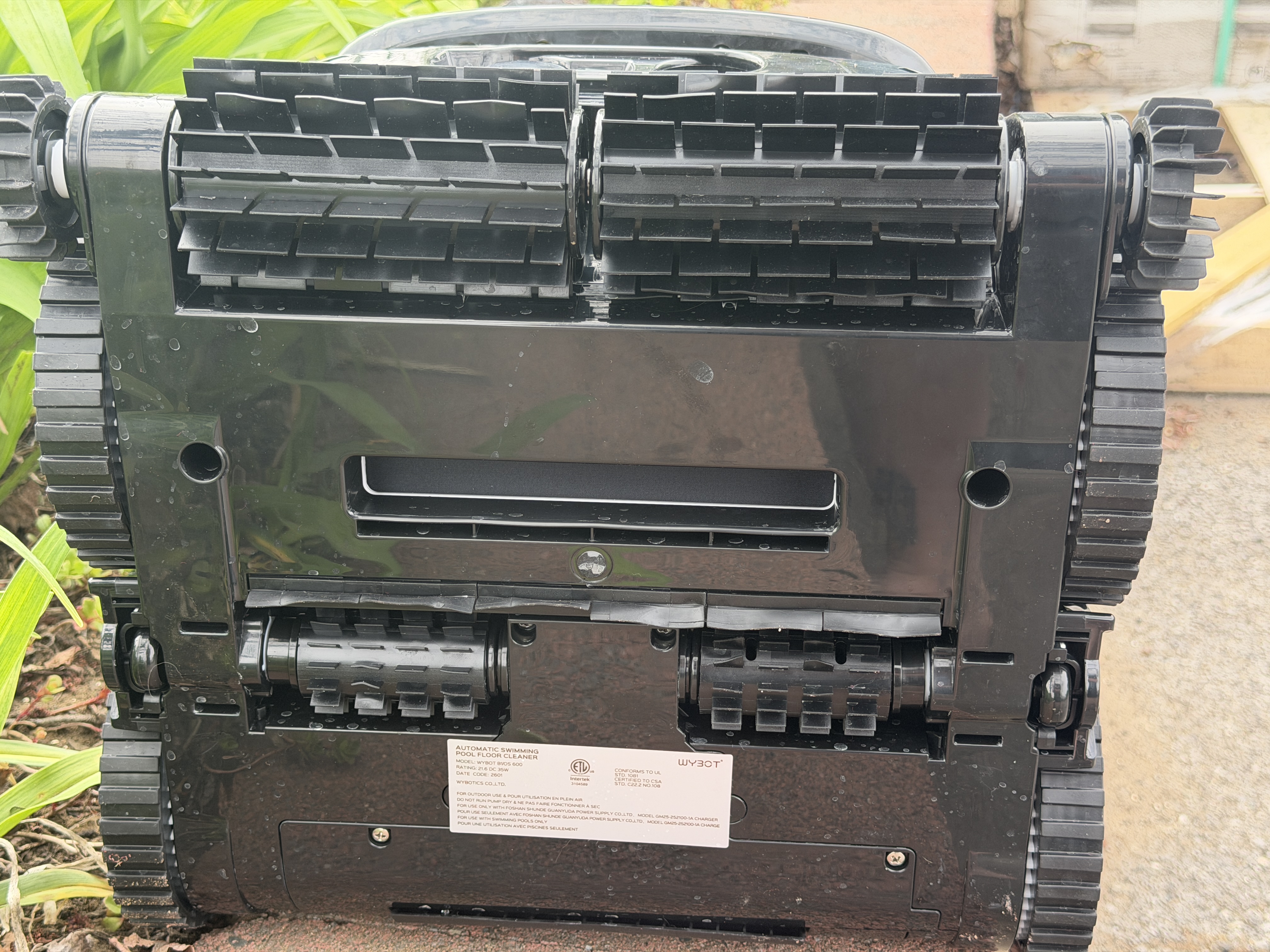
Under the hood, the B1 utilizes a triple-motor configuration. A dedicated suction motor provides the lift necessary to capture debris ranging from fine silt and pollen to larger organic matter like leaves and small twigs. Complementing the suction system are two drive motors that power the brushes located at the front corners of the unit. These brushes serve a dual purpose: they provide the mechanical agitation needed to scrub algae and biofilm from the pool surface, and they funnel debris toward the central intake port.
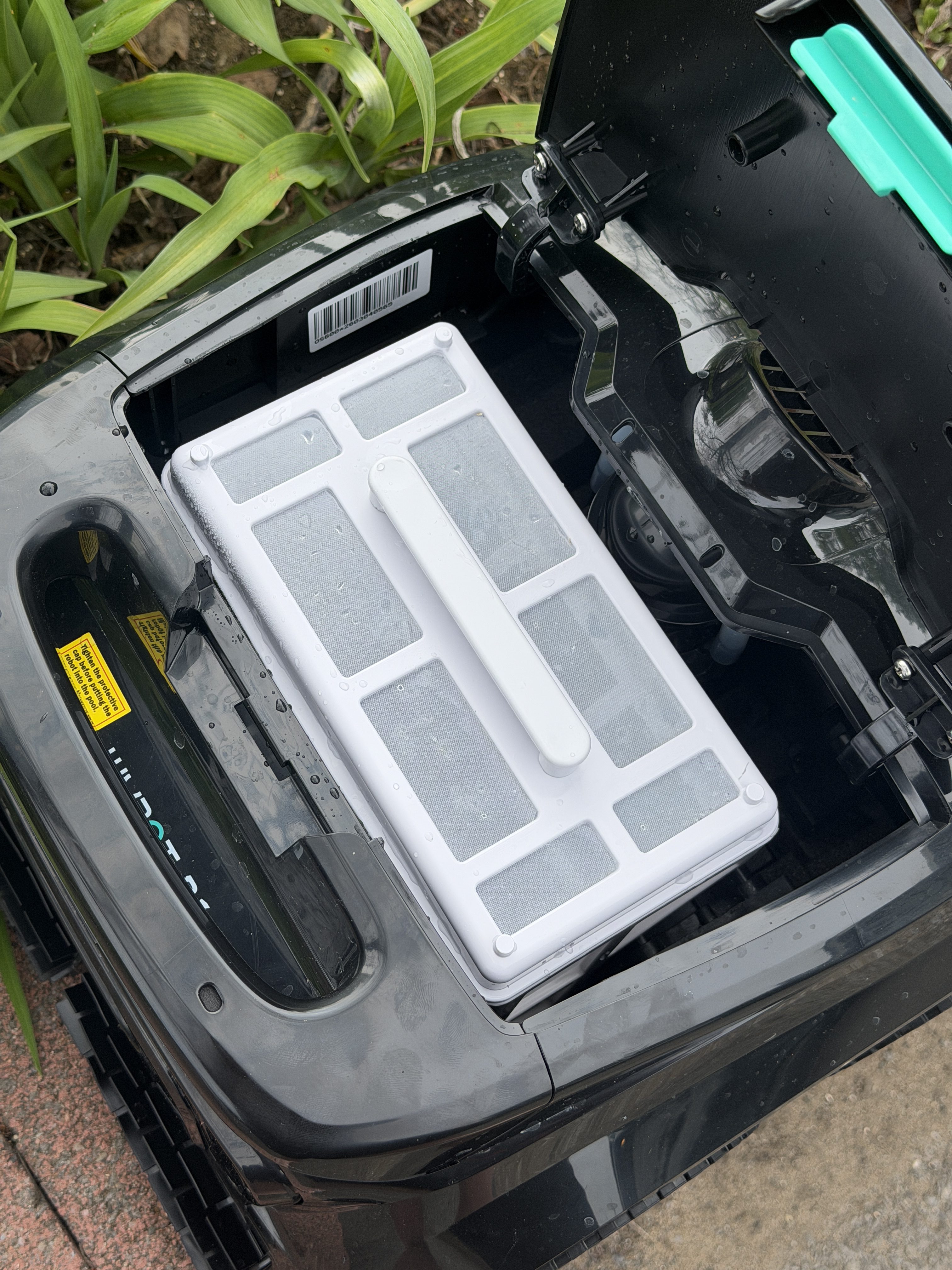
The filtration system features a top-loading basket, a design choice that improves upon older models that required users to flip the robot over to access the filter. The basket utilizes a fine-mesh screen capable of capturing particles that might otherwise bypass the pool’s main sand or DE filter. A thumb-latch mechanism allows for quick removal and rinsing, reducing the "maintenance of the maintenance tool" to a matter of minutes.
Software Integration and Navigational Intelligence
A defining characteristic of the Wybot B1 is its integration with a dedicated smartphone application, which facilitates a level of customization rarely seen in entry-level pool equipment. Upon initial setup, users sync the device via Bluetooth or Wi-Fi, allowing them to input specific pool dimensions and layouts. This data informs the robot’s path-planning algorithms, ensuring a methodical cleaning pattern rather than the random "bounce-off-the-wall" logic used by cheaper alternatives.
The B1 offers several operational modes tailored to different seasonal needs:
- Floor-Only Mode: Optimized for quick maintenance cycles, focusing on the area where the majority of debris settles.
- Floor-and-Wall Mode: A comprehensive cycle that includes the transition radius and the vertical surfaces of the pool.
- Waterline Mode: A specialized setting where the robot climbs to the top of the wall to scrub the "scum line," where oils and debris often accumulate at the water’s surface.
The device also features a "self-parking" capability. When the battery level drops below a certain threshold or the cleaning cycle is complete, the B1 uses its remaining power to navigate to the side wall of the pool. This eliminates the need for the owner to "fish" for the robot in the deep end, as it can be easily reached with the included retrieval hook.
Performance Analysis and Capacity Constraints
In terms of operational capacity, the Wybot B1 is rated for pools up to 1,150 square feet. This coverage area encompasses standard backyard rectangles (such as 16-by-32 feet) and most circular or oval above-ground pools. The onboard lithium-ion battery provides up to 120 minutes of continuous runtime per charge. While this is sufficient for a thorough cleaning of a well-maintained pool, it may require multiple sessions for "spring openings" or pools located under heavy foliage.
Industry analysts note that the trade-off for cordless convenience is the charging interval. Unlike corded units that can run indefinitely, the B1 requires a downtime period of several hours to replenish its battery. For larger estates or commercial applications, Wybot offers the C1 model, which features expanded battery capacity and is rated for up to 1,600 square feet. However, for the average suburban homeowner, the B1’s 120-minute window strikes a balance between performance and price point.
Market Context and Economic Implications
The introduction of the Wybot B1 comes at a time when the "smart home" ecosystem is expanding into the backyard. According to market research, the demand for outdoor robotic solutions—including lawnmowers and pool cleaners—has surged by 25% over the last three years. Consumers are increasingly willing to invest in premium hardware if it promises a reduction in recurring service costs.
From a financial perspective, a robotic cleaner like the B1 can offer long-term savings. Professional pool cleaning services can cost between $150 and $300 per month. A one-time investment in a robotic unit can pay for itself within a single season. Furthermore, because robotic cleaners operate independently of the pool’s main pump, they reduce the overall energy consumption of the household. Traditional pressure-side cleaners require a secondary "booster pump," which can significantly increase monthly electricity bills. In contrast, the B1’s high-efficiency DC motors consume a fraction of that energy.
Safety and Environmental Considerations
Safety remains a paramount concern in any aquatic environment. The transition to battery power inherently improves safety by removing high-voltage cables from the vicinity of the water. While corded robotic cleaners use low-voltage transformers, the presence of any tethered electrical component carries a perceived risk for many consumers. The B1’s self-contained, IP68-rated waterproof housing ensures that all electrical components are isolated from the user and the water.
Environmentally, the B1 contributes to water conservation. By capturing debris in its internal filter basket, the robot prevents organic material from reaching the pool’s main filter. This reduces the frequency of "backwashing"—a process in which thousands of gallons of chemically treated water are flushed out of the system to clean the filter media. By keeping the pool water cleaner for longer periods, the B1 indirectly reduces the chemical demand of the pool, leading to a lower environmental footprint for the homeowner.
Future Outlook and Industry Impact
As the Wybot B1 establishes its presence in the market, it sets a new baseline for what consumers expect from entry-level pool technology. The expectation is no longer just "automation," but "seamless automation." The integration of app-based controls and cordless hardware suggests a future where pool maintenance is entirely "set and forget."
Industry experts anticipate that the next generation of devices will likely include solar-charging docks or more advanced AI-driven obstacle avoidance to handle complex pool features like tanning ledges and integrated spas. For now, the Wybot B1 serves as a bridge between the labor-intensive past of pool ownership and a more automated future. It provides a pragmatic solution for the "middle market"—homeowners who desire the benefits of high-end robotics without the industrial price tag or the logistical headaches of cord management.
In conclusion, the Wybot B1 Cordless Robotic Pool Cleaner is more than a seasonal gadget; it is a specialized tool that reflects the ongoing convergence of battery technology, software intelligence, and consumer demand for efficiency. Its methodical cleaning patterns, lightweight design, and cable-free operation address the primary pain points of residential pool care, positioning it as a pivotal product in the modernization of home maintenance infrastructure. For those managing pools within its 1,150-square-foot rating, the B1 offers a compelling argument for retiring the manual vacuum and embracing the cordless era.