



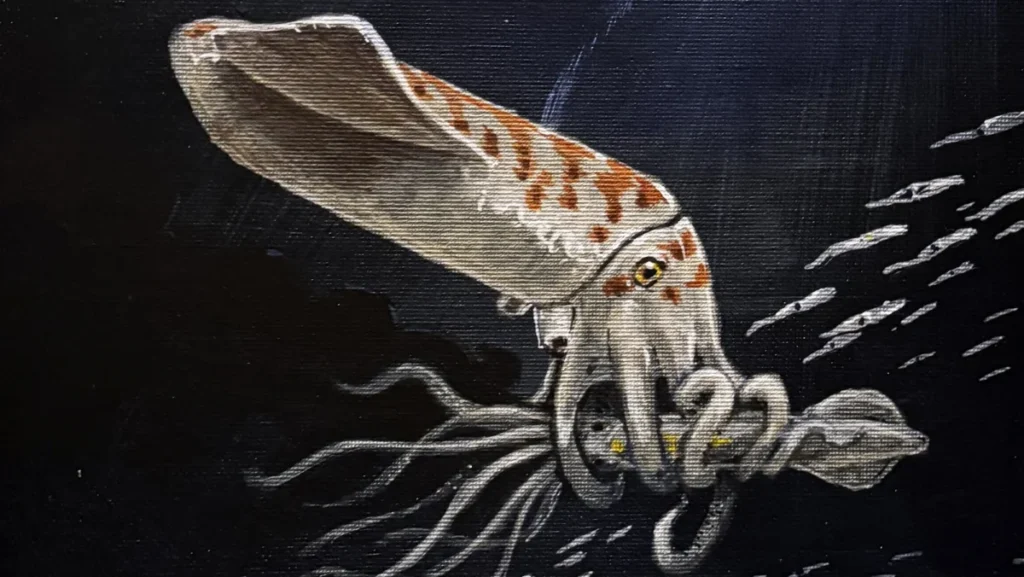
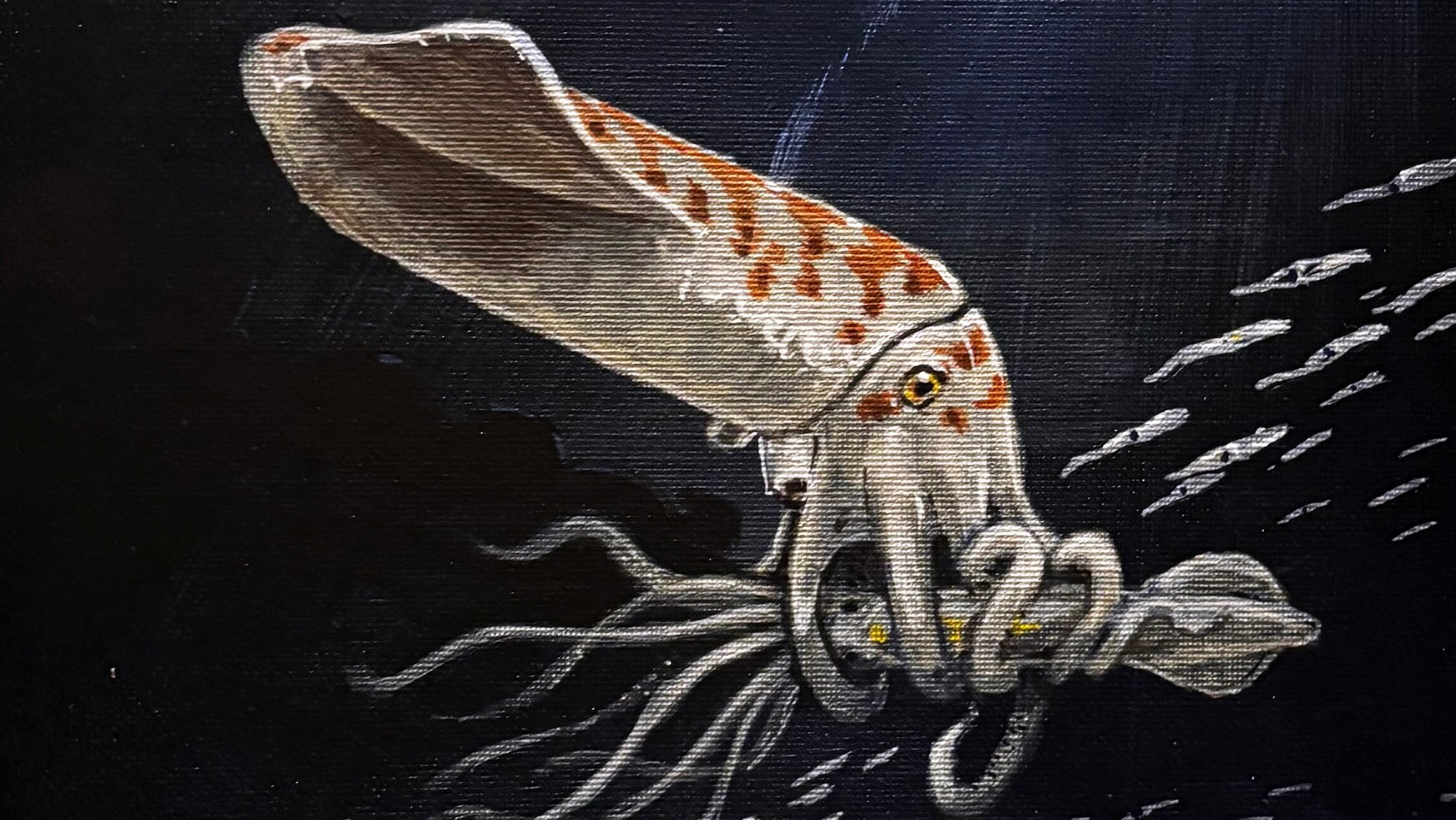
Paleontologists have formally identified and described a previously unknown species of ancient cephalopod that swam the shallow inland seas of North America roughly 160 million years ago. Named Wyoteuthis linsterorum, the newly classified creature belongs to the belemnites—an extinct group of Mesozoic squid relatives characterized by their hard, bullet-shaped internal skeletons known rostra. What separates W. linsterorum from other known specimens discovered over two centuries of paleontology is its remarkably robust posterior anatomy, a feature researchers have colloquially dubbed the chunkiest squid butt ever documented in the fossil record.
The findings, published in the peer-reviewed journal Papers in Palaeontology by an international research team, offer critical insights into the dietary habits, evolutionary pressures, and ecological diversity of Middle Jurassic marine life. Although the initial specimen was unearthed over three decades ago, it remained unstudied in museum archives until a secondary discovery allowed scientists to confirm its status as a distinct, and potentially resurrected, evolutionary lineage.
Chronology of a Discovery: From Wyoming to Museum Archives
The scientific journey of Wyoteuthis linsterorum spans more than thirty years, marked by serendipitous finds, long periods of storage, and modern technological intervention. The story began in the mid-1990s at the Sundance Formation in present-day Wyoming. Millions of years ago, during the Jurassic period, this geographic region was submerged beneath a vast, shallow arm of the sea that teemed with invertebrate and vertebrate marine life.
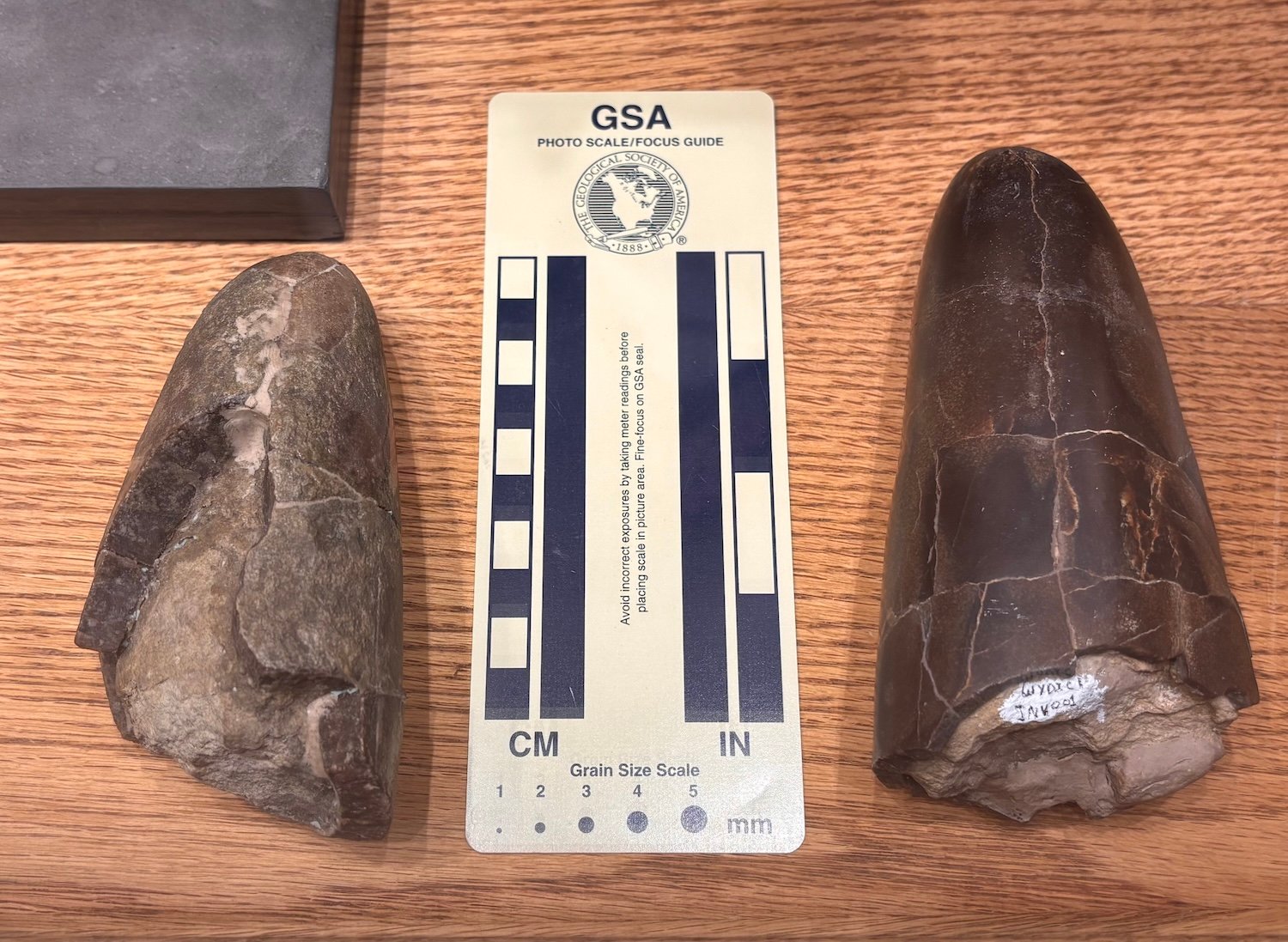
During routine fossil-hunting expeditions in the area, Burkhard Pohl, founder of the Wyoming Dinosaur Center, stumbled upon a peculiar fossilized structure embedded in the rock. Unlike the standard belemnite fossils typically found at the site—which generally measured between two and four inches in length and less than an inch in width—this specimen possessed an extraordinarily wide profile. While its length was comparable to common belemnites, its width spanned an unusual 2.4 inches. Recognizing that it did not conform to any established regional taxonomy, researchers estimated that the living animal would have stretched nearly two feet in total body length.
However, lacking a comparative specimen to verify whether the fossil was a pathological anomaly or an entirely new species, paleontologists placed the artifact into storage. It remained preserved but unexamined for nearly thirty years.
The turning point occurred in 2019, when amateur fossil collector Cliff Linster discovered a second, remarkably similar cephalopod fossil near the town of Ten Sleep, Wyoming. Recognizing the potential significance of his find, Linster donated the specimen to the Wyoming Dinosaur Center. This second discovery provided the crucial comparative data needed by the research team to initiate a comprehensive scientific investigation.
Advanced Imaging and Taxonomic Reclassification
To analyze the delicate and irreplaceable fossils without causing structural damage, the international research team utilized high-resolution computed tomography (CT) scanning. This non-invasive imaging technique allowed scientists to peer through the rock matrix and examine the internal morphology of the rostra in meticulous detail.
The anatomical data confirmed that the specimens were not merely oversized variants of known taxa, but rather a completely new species and genus: Wyoteuthis linsterorum. Furthermore, phylogenetic analysis revealed a stunning twist in cephalopod evolution. The species belongs to a family of belemnites that mainstream paleontology previously presumed had gone extinct millions of years prior to the Middle Jurassic.
Jessica Lippincott, a paleontologist and co-author of the study, reflected on the rarity of the find after years of field work. Having spent considerable time unearthing countless specimens of the common Pachyteuthis genus in Wyoming, Lippincott noted that the new fossils bore no resemblance to anything previously cataloged in the region’s extensive fossil repository.
Evolutionary Implications and Predator Dynamics
The central question facing the research team following the morphological verification was functional: why did Wyoteuthis linsterorum evolve such remarkably bulky, heavy proportions compared to its contemporaries?
To answer this, paleontologists drew parallels to the behavioral ecology of modern cephalopods. Alexey Ippolitov, a co-author of the study based at New Zealand’s Victoria University, suggested that the animal’s massive size provided a distinct evolutionary advantage in the competitive Jurassic marine food web.
In modern marine ecosystems, squid and octopus species are notoriously opportunistic predators. They frequently prey not only on diverse marine species but also on smaller members of their own phylogenetic groups. The research team hypothesizes that W. linsterorum utilized its superior size and robust anatomy to aggressively hunt smaller, co-occurring belemnites belonging to the genus Pachyteuthis. The heavy rostrum may have served functional roles in buoyancy regulation, balance during high-speed jet propulsion, or as structural defense against larger marine predators such as early marine reptiles and predatory fish that shared the Jurassic seaway.
Broader Significance for Paleontology and Citizen Science
The formal publication of Wyoteuthis linsterorum also serves as a posthumous tribute to its co-discoverer, Cliff Linster, who passed away in June 2026. While Linster did not live to see the formal publication of the study in Papers in Palaeontology, he was actively informed that researchers were describing the animal he helped bring to light. In honor of his contribution to invertebrate paleontology, the species was specifically named in his memory.
Researchers emphasize that the discovery of W. linsterorum highlights the vital role that amateur fossil collectors, or rockhounds, play in advancing professional science. Major institutional discoveries frequently originate from private landowners, amateur hobbyists, and independent prospectors who recognize unusual specimens and report them to academic facilities.
As paleontologists continue to re-examine archival collections with modern imaging technology, discoveries like Wyoteuthis linsterorum demonstrate that the fossil record still holds extensive, undiscovered biodiversity. By bridging a perceived gap in the Jurassic timeline and resurrecting an assumed-extinct family of cephalopods, this research reshapes our understanding of how ancient marine predators adapted, competed, and evolved in prehistoric aquatic environments.