


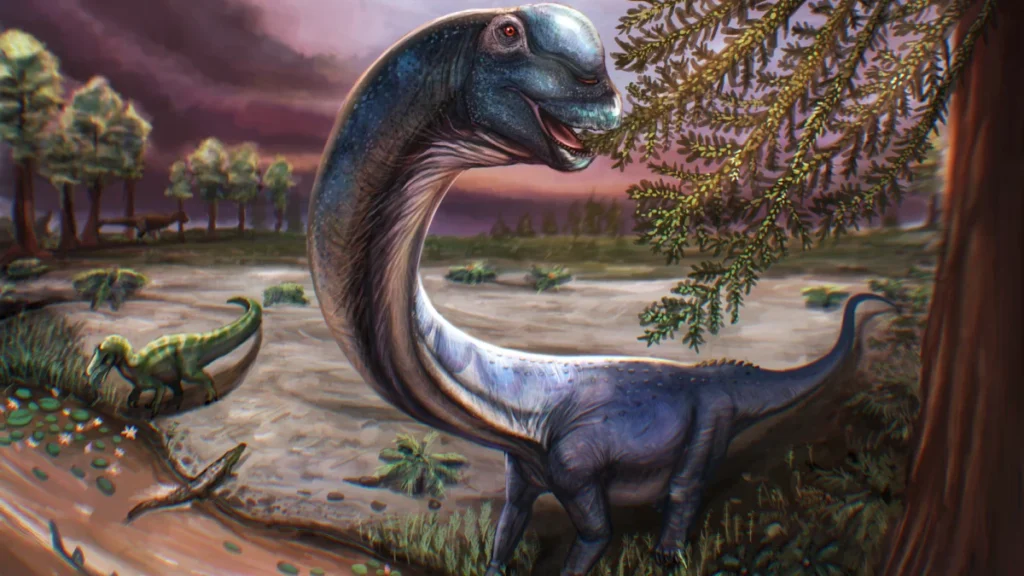
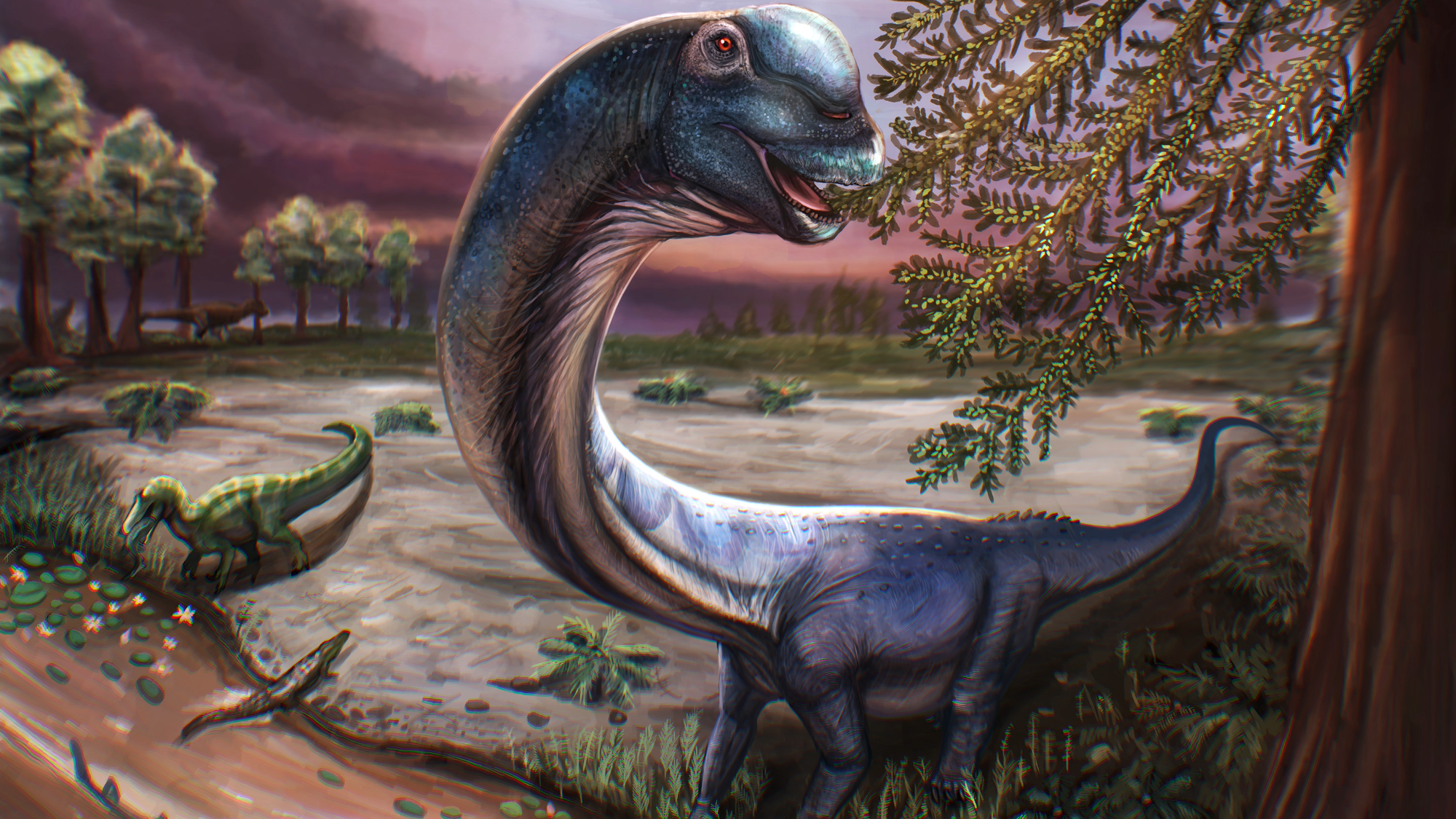
The landscape of prehistoric Southeast Asia was once dominated by a herbivorous giant of unprecedented proportions, according to a landmark study published in the journal Scientific Reports. Paleontologists have officially identified a new species of long-necked dinosaur, Nagatitan chaiyaphumensis, which represents the largest dinosaur ever discovered in the region. Weighing an estimated 27 tonnes—equivalent to approximately nine adult Asian elephants—and stretching to a length of 88.5 feet, this titanosauriform sauropod provides critical insights into the biodiversity and geological history of the Early Cretaceous period in what is now modern-day Thailand.
The discovery of Nagatitan (pronounced NAH-gah-tie-tan) marks a significant milestone for Thai paleontology, culminating a decade of excavation and rigorous scientific analysis. The fossils were unearthed in the Chaiyaphum province of northeastern Thailand, a region that has become a focal point for understanding the evolution of dinosaurs in Asia. This newly described species lived between 100 and 120 million years ago, a period during which the terrestrial environment of Southeast Asia was undergoing profound changes.
The Largest Giant of Southeast Asia: Physical Dimensions and Scale
The sheer scale of Nagatitan chaiyaphumensis places it among the heavyweight contenders of the dinosaur world, although it is not the largest sauropod ever found globally. Standing as a member of the sauropod family—the iconic group of long-necked, long-tailed herbivores that includes Brontosaurus and Diplodocus—Nagatitan was built for massive consumption of plant matter.
According to the research team, led by Thitiwoot (Perth) Sethapanichsakul, a PhD researcher at University College London, the dinosaur’s physical dimensions were calculated based on a suite of recovered fossils, including the spine, ribs, pelvis, and leg bones. One of the most striking finds was the front leg bone, or humerus, which measured nearly the height of an average human.
By applying scaling equations to these skeletal remains, researchers estimated the animal’s mass at 27 tonnes. For comparison, the famous "Dippy" the Diplodocus (Diplodocus carnegii), a fixture in London’s Natural History Museum, is estimated to have weighed roughly 15 tonnes. While Nagatitan comfortably exceeds the weight of many well-known North American and European sauropods, it remains smaller than the "super-giants" of the Southern Hemisphere, such as the Patagotitan of Argentina, which could exceed 60 tonnes, or China’s Ruyangosaurus, which reached upwards of 50 tonnes.
A Decade of Discovery: The Chronology of the Excavation
The journey to identifying Nagatitan chaiyaphumensis began approximately ten years ago when local researchers and paleontologists first identified fossilized remains near a pond in the Chaiyaphum province. The excavation was a meticulous, multi-year endeavor, as the bones were encased in the dense sedimentary rock characteristic of the Khok Kruat Formation.
The timeline of the discovery and classification is as follows:
- Initial Discovery (Circa 2014): Fossilized fragments of a large sauropod were first located in the northeastern Thai province of Chaiyaphum.
- Excavation Phase (2014–2018): Systematic digging revealed a significant portion of the postcranial skeleton, including vertebrae, pelvic elements, and limb bones.
- Comparative Analysis (2019–2023): Researchers conducted extensive morphological comparisons between the Chaiyaphum specimens and other known sauropods from Asia and across the globe.
- Formal Classification (2024): The findings were peer-reviewed and published in Scientific Reports, officially naming the species and establishing its taxonomic position.
The length of time between discovery and publication highlights the complexity of sauropod research, where massive bone fragments must be carefully cleaned, reconstructed, and compared against thousands of other specimens to ensure a new species has truly been found.
Taxonomic Classification and the Euhelopodidae Lineage
Nagatitan chaiyaphumensis has been classified within the Euhelopodidae, a specific clade of sauropods that appears to have been endemic to Asia. This group is characterized by distinct anatomical features in the vertebrae and limb structure that differentiate them from the Titanosauridae found more commonly in South America.
The study authors noted that Nagatitan possesses a unique combination of features in its spine and pelvis that are not seen in other members of the Euhelopodidae family. This differentiation is vital for scientists attempting to map the biogeography of the Early Cretaceous. The presence of such a large euhelopodid in Thailand suggests that this group was more diverse and geographically widespread than previously understood.
The naming of the dinosaur also reflects a bridge between scientific rigor and regional culture. The genus name "Naga" refers to the mythical serpentine beings of Southeast Asian folklore, often associated with water and protection. "Titan" is derived from the giants of Greek mythology, a standard suffix for massive sauropods. The species name "chaiyaphumensis" honors the Chaiyaphum province, the site of its discovery and a region increasingly recognized as a "dinosaur graveyard" of international importance.
The Paleoenvironment of Early Cretaceous Thailand
During the time of Nagatitan, northeastern Thailand did not resemble the tropical landscape seen today. Geological evidence suggests that 100 to 120 million years ago, the region was characterized by an arid to semi-arid climate. The landscape featured vast, meandering river systems that provided vital water sources in an otherwise dry environment.
Nagatitan would have shared this habitat with a diverse array of fauna, including:
- Iguanodontians: Medium-to-large bipedal and quadrupedal herbivores.
- Ceratopsians: Early relatives of the horned Triceratops.
- Theropods: Large carnivorous dinosaurs that likely preyed on the young or weak members of sauropod herds.
- Aquatic Life: The river systems were home to crocodiles, freshwater sharks, and various fish species, indicating a complex and productive ecosystem.
The massive size of Nagatitan likely served as a biological defense against predators and as a thermoregulatory mechanism. Large sauropods used their immense surface area, particularly their long necks and tails, to dissipate heat in the hot, arid Cretaceous sun.
The "Last Titan" and the Geological Horizon
One of the most significant aspects of the Nagatitan discovery is its placement in the geological record. Researchers have dubbed it the "last titan" of Thailand because it was found in the Khok Kruat Formation, which is the youngest dinosaur-bearing rock layer in the country.
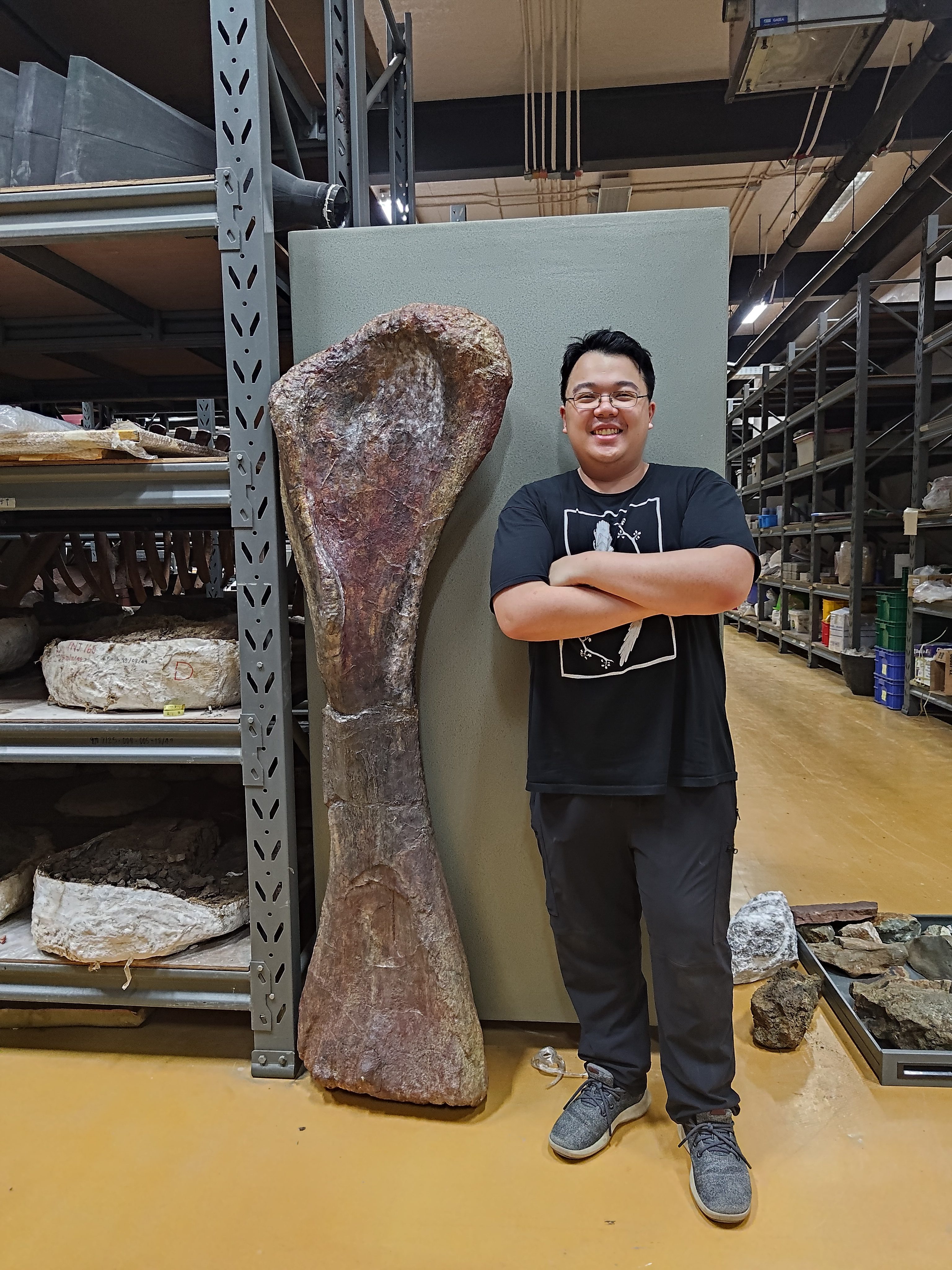
"Younger rocks laid down towards the end of the time of the dinosaurs are unlikely to contain dinosaur remains because the region by then had become a shallow sea," explained Thitiwoot Sethapanichsakul.
As the Cretaceous period progressed, rising sea levels and tectonic shifts transformed the terrestrial habitats of Southeast Asia into marine environments. Consequently, Nagatitan represents one of the final chapters of the "Age of Giants" in the region before the environmental shift made it impossible for such massive land animals to survive there. This makes the discovery essential for understanding the extinction patterns and habitat loss that preceded the final mass extinction event caused by the Chicxulub asteroid impact 66 million years ago.
Scientific and Educational Implications
The formal description of Nagatitan chaiyaphumensis brings the total number of named dinosaur species in Thailand to 14. This growing list underscores Thailand’s status as a premier location for paleontological research in Asia.
The discovery has immediate implications for both the scientific community and the public:
- Biogeographical Mapping: It confirms that Southeast Asia served as a critical corridor for sauropod evolution, potentially linking dinosaur populations in China with those in the southern landmasses.
- Educational Outreach: To celebrate the discovery and foster interest in the natural sciences, a life-size reconstruction of Nagatitan has been commissioned and is now on display at the Thainosaur Museum at Asiatique in Bangkok.
- Personal Milestone: For the researchers involved, the project was a culmination of long-term dedication. Sethapanichsakul, who described himself as a "dinosaur kid," noted that naming a new species fulfilled a lifelong ambition and a "childhood promise."
Conclusion: A New Chapter in Paleontology
The identification of Nagatitan chaiyaphumensis as the largest dinosaur in Southeast Asia reshapes our understanding of the scale and diversity of life in the Early Cretaceous. By providing a detailed look at the anatomy, environment, and eventual disappearance of these massive herbivores, the study in Scientific Reports offers a window into a world that was once dominated by giants.
As researchers continue to explore the Khok Kruat Formation and other sedimentary deposits in Thailand, the "last titan" may eventually be joined by other discoveries. For now, Nagatitan stands as a testament to the rich prehistoric heritage of Southeast Asia and the enduring mystery of the sauropods—the largest creatures to ever walk the Earth. The discovery ensures that the "Naga" of Thai folklore now has a tangible, fossilized counterpart in the annals of natural history.