

A landmark multi-institutional study combining archaeological excavation, advanced genomic sequencing, and consumer genetic databases has bridged a nearly 400-year gap in American history, identifying the remains of Maryland’s second governor and tracing the lineage of 17th-century colonists to over 1.3 million living individuals. The research, a collaborative effort between the Smithsonian Institution, Harvard University, and the personal genomics company 23andMe, utilized a sample size of 49 individuals interred at the historic St. Mary’s City between 1634 and 1734. The findings, published in the journal Current Biology, represent a significant advancement in the field of bio-archaeology, demonstrating how ancient DNA (aDNA) can be used to reconstruct the lives and movements of historical figures whose identities were previously lost to time.
St. Mary’s City, established in 1634 by English settlers, served as the first permanent outpost and the original capital of the Maryland colony. While written records from the era provide a framework of the colony’s political and social structure, the physical remains of the people who built the settlement have long remained anonymous in the town’s Chapel Field cemetery. By cross-referencing the genetic data of these colonists with a database of over 11.5 million 23andMe participants, researchers were able to quantify the immense demographic impact of a relatively small founder population and uncover the specific identities of several prominent colonial figures.
The Archaeological Foundation: From Lead Coffins to Genomic Analysis
The path to these discoveries began nearly four decades ago. In 1986, archaeologists at Historic St. Mary’s City excavated three rare lead coffins from beneath the foundation of the Brick Chapel. In the 17th century, lead-lined coffins were an extraordinary luxury, reserved for the highest echelons of the English aristocracy. Forensic analysis conducted in the early 1990s identified the occupants as Philip Calvert—the fifth governor of Maryland and youngest son of the first Lord Baltimore—his first wife, Anne Wolseley Calvert, and a six-month-old infant, likely the son of Philip and his second wife, Jane Sewell.
Philip Calvert was a pivotal figure in the early colony, serving as a stabilizing force during periods of political upheaval. However, while the Calvert family remains were identified through their unique burial conditions, dozens of other remains in the surrounding cemetery remained unidentified. These individuals were buried in wooden coffins or simple shrouds, their markers long since decayed. The recent study expanded the scope of investigation to these anonymous burials, applying modern paleogenomic techniques to extract DNA from skeletal remains that had been subjected to the humid, acidic soil of the Chesapeake region for centuries.
The Smithsonian Institution’s biological anthropology curator, Douglas Owsley, who has been involved with the St. Mary’s City site for decades, noted that the integration of genetic data allowed for a level of familial reconstruction that traditional archaeology could not achieve. The team identified a multigenerational family spanning three generations among the remains—a rare find given the high mortality rates and low life expectancy of the early colonial period.
Chronology of Settlement and Research Milestones
The historical and scientific timeline of the St. Mary’s City project highlights the intersection of colonial expansion and modern technological evolution:
- 1632: King Charles I grants a charter to Cecil Calvert, 2nd Lord Baltimore, for the territory that would become Maryland.
- 1634: The ships The Ark and The Dove arrive at St. Mary’s City, establishing the colony as a haven for English Catholics.
- 1647: Thomas Greene is appointed as the second governor of Maryland by the dying Leonard Calvert.
- 1649: The Maryland Toleration Act is passed, one of the first laws in the world to mandate religious tolerance for Trinitarian Christians.
- 1734: The last recorded burials take place at the original Chapel Field site before the town’s center of gravity shifts.
- 1986: The "Lead Coffins Project" begins, uncovering the Calvert family remains.
- 2020–2023: Genomic sequencing of 49 individuals is conducted through a partnership between Harvard Medical School and the Smithsonian.
- 2024: Results are published, linking the remains to 1.3 million living descendants and identifying the remains of Governor Thomas Greene.
The Identification of Governor Thomas Greene
One of the study’s most significant breakthroughs was the identification of remains believed to belong to Thomas Greene, the second governor of Maryland. Greene’s tenure (1647–1649) occurred during a period of intense religious and political friction between Catholic loyalists and Protestant parliamentarians. Despite his historical importance, the location of his grave was never officially recorded.
The research team utilized a "reverse-genealogy" approach to solve this mystery. By identifying living 23andMe customers who shared significant segments of DNA with the unknown remains, the team was able to trace those individuals’ family trees back to common ancestors in the 17th century. The overlaps in genealogical records and the genetic signatures found in the cemetery pointed directly to the Greene lineage. Researchers now believe they have identified Governor Greene, his first wife, Anne, and their son, Leonard.
Éadaoin Harney, a senior scientist at the 23andMe Research Institute, emphasized that this is a pioneering use of consumer genetic data. "This is the first time that ancient DNA has been used to help identify unknown individuals without any prior knowledge of who they might have been," Harney stated. This methodology effectively turns a commercial database into a powerful tool for historical forensics, allowing scientists to identify "missing" historical figures by looking at the DNA of their descendants hundreds of years later.
Demographic Expansion and the Founder Effect
The study’s finding that 1.3 million living people are descended from this small group of 49 colonists illustrates the "founder effect"—a phenomenon in population genetics where a small group of individuals establishes a new population, leading to a massive expansion of their specific genetic traits over generations.
The data reveals that the genetic legacy of the St. Mary’s City settlers is not confined to Maryland but is spread across the United States. A significant portion of this genetic footprint was traced to Kentucky, corroborating a known historical migration. Between 1780 and 1820, a large contingent of Maryland Catholics migrated to the Kentucky frontier to escape the rising anti-Catholic sentiment in the post-Revolutionary War era and to seek more affordable farmland. The genetic data shows a dense concentration of descendants in the "Holy Land" region of central Kentucky, confirming that the families who fled Maryland in the 18th century carried the genetic signatures of the original 1634 settlers with them.
Scientific Methodology and Data Integrity
The technical execution of the study involved high-resolution sequencing at Harvard Medical School’s David Reich Lab. Extracting viable DNA from centuries-old bone is notoriously difficult, as DNA degrades over time and is easily contaminated by modern human handling or soil bacteria. The team utilized specialized "clean room" techniques to isolate endogenous DNA.
Once the genomes were sequenced, they were compared against the 11.5 million de-identified profiles in the 23andMe database. The researchers looked for Identical by Descent (IBD) segments—stretches of DNA that are shared between two individuals because they were inherited from a common ancestor. By analyzing the length and frequency of these segments, the team could estimate the degree of relatedness between the 17th-century remains and modern individuals.
David Reich, a professor of genetics at Harvard Medical School and a co-author of the study, noted that while written records are an invaluable resource, they are often incomplete or biased toward the wealthy and powerful. "Genetic data can still address gaps in that record and yield surprises," Reich said. The study provided evidence of family structures and relationships that were never documented in surviving colonial ledgers, offering a more democratic view of the settlement’s social fabric.
Broader Implications for Bio-Archaeology and History
The implications of this research extend far beyond the borders of Maryland. The success of the St. Mary’s City project provides a blueprint for how other colonial-era sites—and perhaps even older archaeological sites—might be investigated. It highlights the potential for "community-led" science, where the contributions of millions of private citizens to genetic databases can solve historical mysteries.
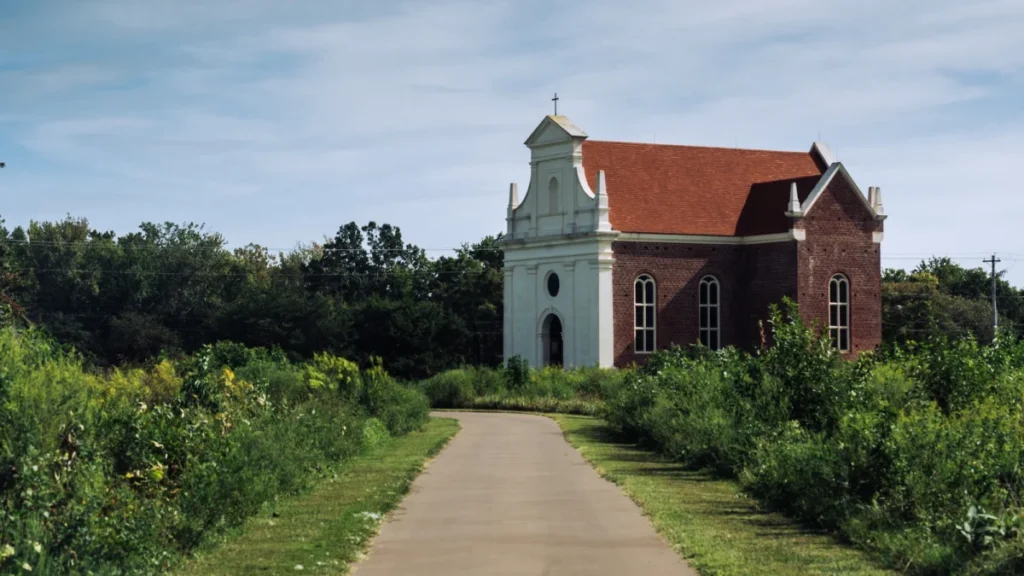
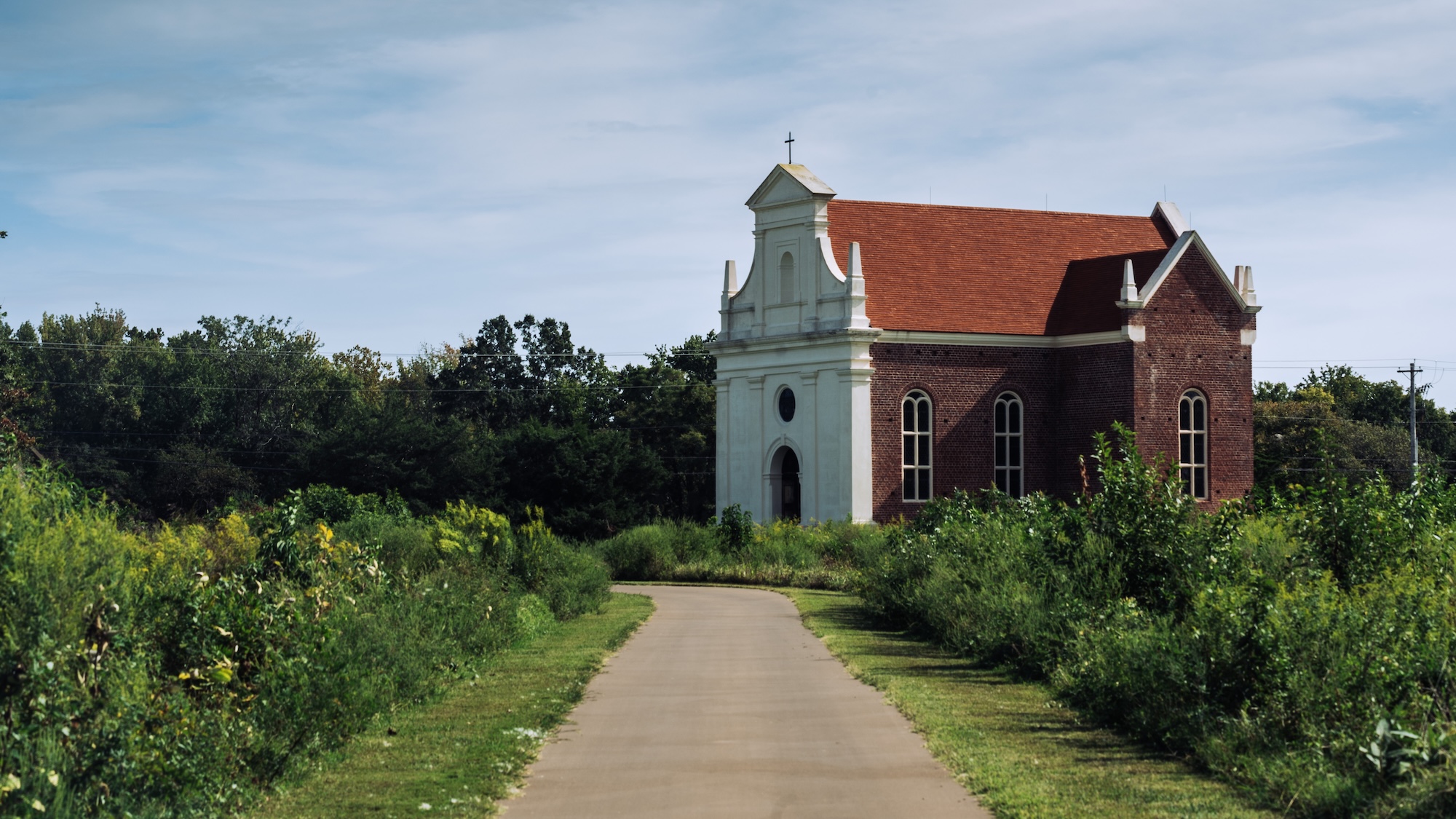
However, the study also touches upon the complex ethical landscape of genetic research. The use of de-identified data from consumer databases requires rigorous privacy protections, and the study of human remains demands a high level of respect for the deceased. Historic St. Mary’s City has worked closely with descendant communities and religious organizations to ensure that the research is conducted with sensitivity. The reconstructed Catholic chapel, which stands on the site today, serves as a monument to these early settlers and a site for ongoing education.
Conclusion: A Living History
The identification of Governor Thomas Greene and the discovery of 1.3 million descendants serve as a reminder that the colonial past is not a static era confined to textbooks, but a living component of the modern American genome. The settlers of St. Mary’s City, who arrived on the shores of the Chesapeake with hopes of religious freedom and economic opportunity, left a biological legacy that has permeated the fabric of the nation.
As genetic technology continues to advance, historians and scientists anticipate that more "lost" figures of the American narrative will be found. The collaboration between the Smithsonian, Harvard, and 23andMe has demonstrated that the answers to our historical questions are often hidden within ourselves, waiting for the right technology to unlock them. The 49 individuals buried in Chapel Field are no longer just anonymous skeletons; they are the recognized ancestors of a vast American family.