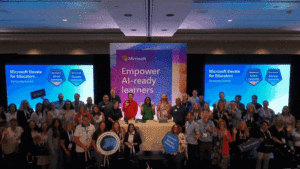



Microsoft has officially unveiled the Hour of AI initiative, a global educational program launched in collaboration with CSforALL and Code.org, designed to integrate artificial intelligence literacy into the foundational curriculum of students worldwide. Scheduled to anchor the 2025 Computer Science Education Week, the program represents a strategic shift in the tech giant’s approach to workforce development, moving beyond traditional coding to emphasize the nuances of human-AI collaboration. The initiative aims to reach 25 million learners of all ages, providing them with the conceptual and practical tools required to navigate an economy increasingly defined by generative technologies.
The introduction of Hour of AI comes at a critical juncture for global education. For decades, the pedagogical focus of computer science has been the mastery of syntax and logic within predictable environments. However, the rapid ascent of large language models and autonomous agents has altered the professional landscape. According to Microsoft’s leadership, the future of work is no longer a distant projection but a reality being rewritten in real-time. By providing structured, age-appropriate entries into AI, the initiative seeks to demystify complex algorithms and empower the next generation of digital citizens to move from being passive consumers of AI to active creators and ethical overseers.
The Evolution of Computer Science Education Week
Computer Science Education Week (CS Ed Week) was originally established to raise awareness about the transformative power of computing and to honor the legacy of Admiral Grace Murray Hopper, a pioneer in the field. Since its inception, the week has served as a rallying point for educators to introduce students to programming. The most famous component of this movement, the Hour of Code, successfully introduced millions to the basics of logic.

The transition to the Hour of AI in 2025 marks a significant chronological milestone. While traditional coding remains relevant, the industry’s shift toward "low-code" and "no-code" solutions—driven by natural language processing—necessitates a new form of literacy. The Hour of AI does not replace the Hour of Code; rather, it expands the framework to include prompt engineering, algorithmic bias awareness, and the mechanics of machine learning. This evolution reflects a broader industry trend where the ability to direct an AI agent is becoming as valuable as the ability to write raw script.
Strategic Objectives and Global Reach
The primary objective of the Hour of AI is to lower the barrier to entry for complex technological concepts. Microsoft has designed the curriculum to be inclusive, ensuring that educators with zero prior experience in computer science can facilitate high-quality learning experiences. The partnership with CSforALL and Code.org is central to this mission, leveraging established networks to reach underserved communities where AI education might otherwise be inaccessible.
Internal projections from Microsoft and its partners suggest that by 2025, over 25 million individuals will have engaged with the Hour of AI materials. This target includes not only K-12 students but also adult learners, caregivers, and non-profit organizations. By offering these resources in 29 different languages, the initiative addresses the "AI divide"—the risk that high-income regions will monopolize the benefits of AI while developing nations fall behind due to a lack of localized training.
Pedagogical Framework: Three Pillars of Interactive Learning
To achieve its ambitious reach, Microsoft has developed three distinct, game-based activities tailored to different developmental stages. These activities utilize familiar platforms to introduce high-level concepts in a low-stakes, engaging environment.
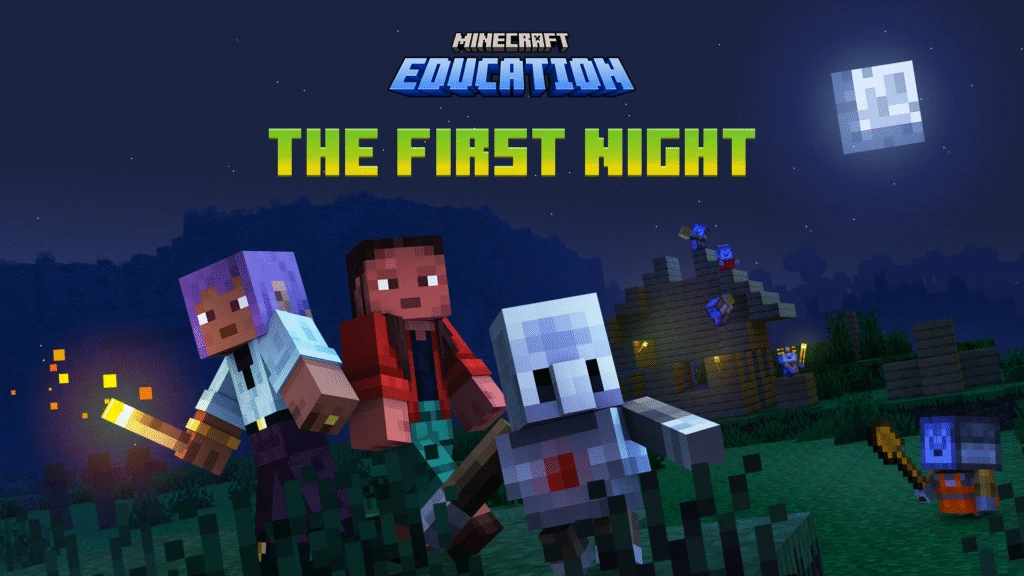
Minecraft Education: The First Night
For younger learners and those new to the Minecraft ecosystem, "The First Night" provides a guided introduction to AI agents. In this simulation, students must survive their first nocturnal cycle in the Minecraft world by gathering resources and building shelter. However, unlike traditional gameplay, students are paired with an AI agent.
The lesson focuses on "problem-solving through delegation." Students learn how to provide instructions to an autonomous entity, observing how algorithms interpret those instructions to perform tasks. This activity serves as a foundational lesson in computational thinking, demonstrating that AI is a tool that requires human direction to function effectively. The module includes comprehensive lesson plans that align with international computer science standards, ensuring that the "play" results in measurable learning outcomes.
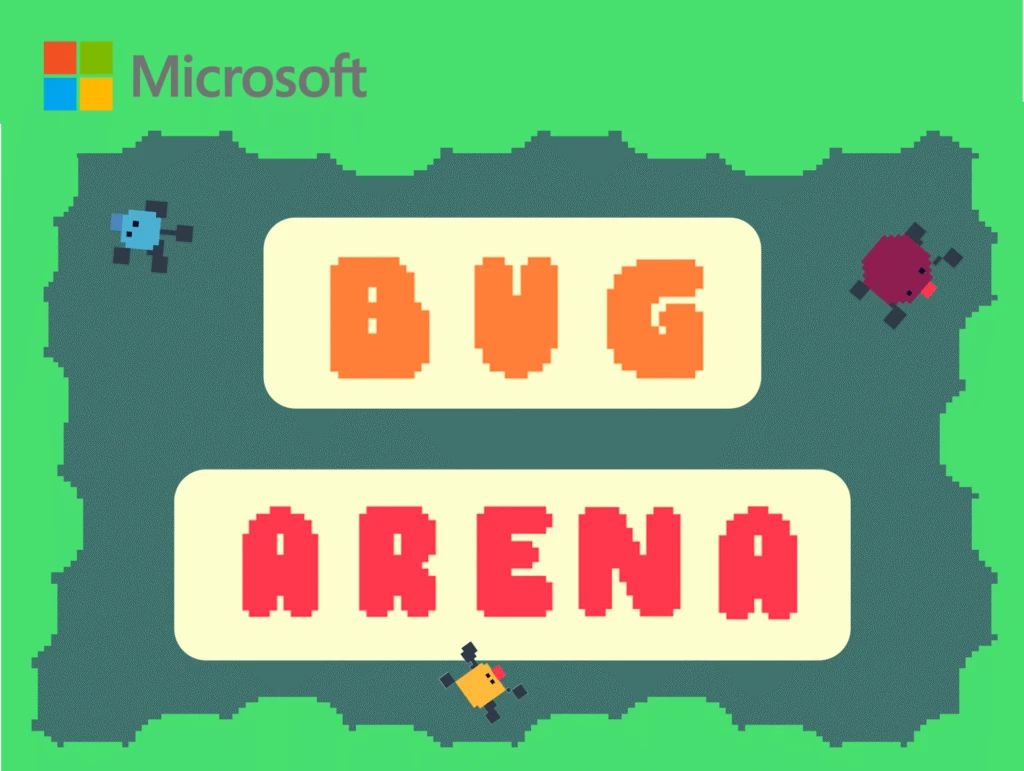
Microsoft MakeCode: Bug Arena
Targeted at grades 3 through 8, "Bug Arena" introduces the concept of competitive algorithmic design. In this web-based environment, students code the behavior of a digital "bug" and enter it into an arena to compete against other AI-powered entities.
The educational value of Bug Arena lies in its iterative feedback loop. Students must write simple code to control movement and strategy, then observe their bug’s performance in real-time. If the bug fails, the student must analyze the logic, refine the code, and re-test. This process mirrors the real-world development of machine learning models, where "training" and "optimization" are constant requirements. By gamifying the debugging process, MakeCode makes the abstract concept of optimization tangible for middle-school learners.
Visual Studio Code for Education: Slither Slam
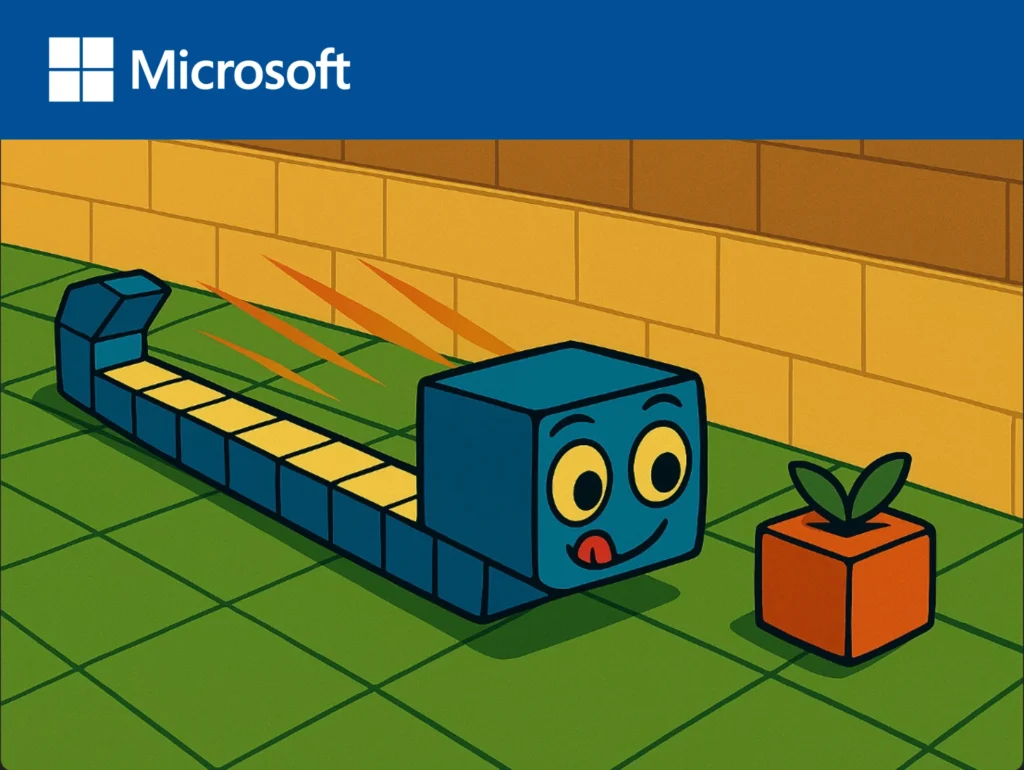
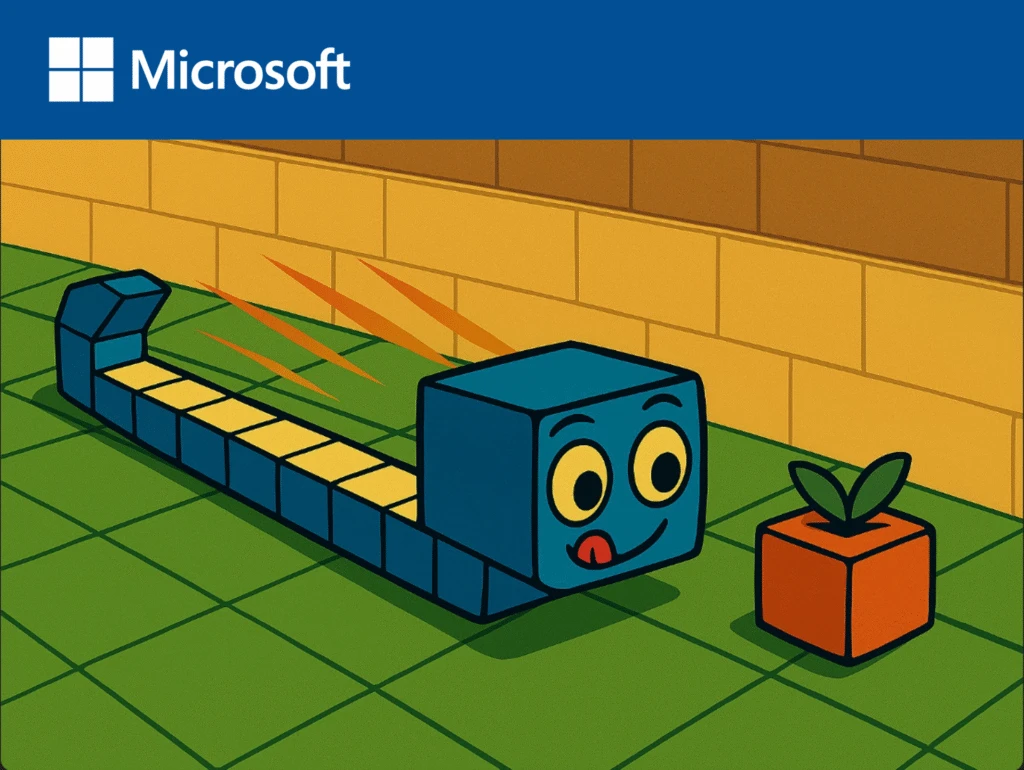
For high school students (grades 9 through 12), the initiative offers "Slither Slam," a sophisticated module hosted on Visual Studio (VS) Code for Education. This activity moves into the realm of modern software development by introducing AI-assisted code generation.
In Slither Slam, students use natural language prompts to generate the code for a classic "Snake" game. This shift is significant; it teaches students how to use AI as a co-pilot rather than just a black-box tool. Learners experiment with different prompts to see how slight variations in language can lead to different coding outcomes. This prepares them for a professional environment where tools like GitHub Copilot are becoming standard, emphasizing the importance of "prompt engineering" and the need for human oversight to verify and refine AI-generated outputs.
Supporting Data: The Economic Imperative for AI Literacy
The push for AI education is supported by a growing body of economic data. The World Economic Forum’s "Future of Jobs Report" estimates that while AI may displace certain routine tasks, it is expected to create 97 million new roles by 2025. These roles will require a blend of technical proficiency and soft skills, such as critical thinking and ethical reasoning.
Furthermore, research from LinkedIn and Microsoft’s "Work Trend Index" indicates that 71% of leaders say they would rather hire a less experienced candidate with AI skills than a more experienced candidate without them. Despite this demand, a significant "skills gap" persists. Current educational statistics show that while 57% of high schools in the United States offer computer science, the integration of AI-specific curriculum is below 10% globally. The Hour of AI initiative is a direct response to this disparity, aiming to provide a standardized baseline of knowledge that can be built upon throughout a student’s academic career.
Institutional Responses and Broader Impact
Educational leaders have largely welcomed the initiative, noting that the "one-hour" format is an effective "hook" for students who might feel intimidated by STEM subjects. Representatives from CSforALL have emphasized that the goal is not necessarily to turn every student into an AI researcher, but to ensure every citizen understands how these systems influence their lives—from social media algorithms to automated credit scoring.
The broader implications of the Hour of AI extend into the realm of digital equity. By providing free, high-quality resources, Microsoft is attempting to prevent a repeat of the "PC revolution," where access to hardware determined economic success. In the AI era, access to knowledge and models is the new currency. By making these tools available to non-profits and parents at home, the program creates a multi-generational learning environment that transcends the traditional classroom.
Long-term Sustainability: The Microsoft Elevate Program
The Hour of AI is not intended to be a standalone event. It serves as the primary entry point for "Microsoft Elevate," a year-round program designed to provide continuous professional development for educators. Elevate offers advanced certifications, curriculum integration guides, and access to the latest AI tools for classroom use.
As CS Ed Week 2025 approaches, the focus remains on the "human element" of technology. Microsoft’s strategy suggests that the most successful individuals in the future will not be those who can compete with AI, but those who can most effectively collaborate with it. Through the Hour of AI, the company is betting that a single hour of curiosity today will lead to a lifetime of innovation tomorrow, ensuring that the next generation is prepared to shape the future rather than simply inhabit it.