


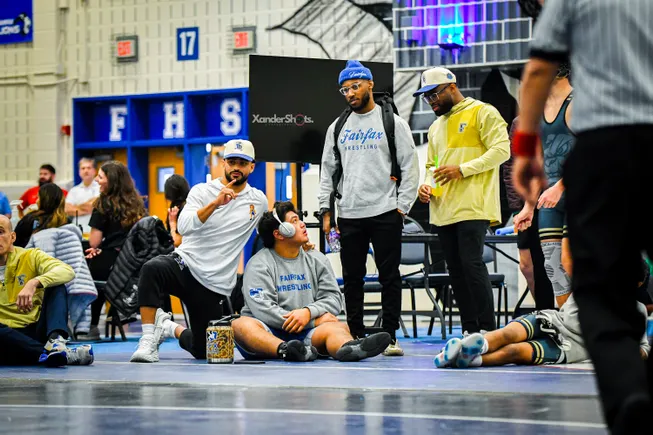
Lio Quezada, head coach of the boys and girls wrestling teams at Fairfax High School near Washington, D.C., firmly believes that his life trajectory was irrevocably altered for the better when he joined his middle school wrestling team in the seventh grade. Before stepping onto the mat, Quezada described a period of aimlessness, characterized by a lack of direction and early engagement with substance abuse. Wrestling, however, provided him with an unexpected anchor, instilling a sense of purpose, fostering self-discipline, and surrounding him with a supportive network of coaches and teammates. This formative experience propelled him through college wrestling and ultimately to earn bachelor’s and master’s degrees in education. Now, as he guides his own student-athletes, Coach Q, as he is known to his students, emphasizes his profound gratitude for the mentorship he received and his commitment to providing a comprehensive support system that addresses both the physical and mental development of his athletes. "If we want to get the best out of our kids, we have to learn to love them holistically," Quezada stated, encapsulating his philosophy of comprehensive athlete care.
Quezada’s approach aligns with a burgeoning movement among coaches and physical education teachers nationwide who are proactively integrating mental well-being support into youth sports. This initiative aims to equip young athletes with the tools to recognize and process their emotions, establish trust with adult mentors, and cultivate resilience in the face of life’s inevitable challenges. Quezada’s perspective extends beyond the immediate wins and losses of athletic competition. "I don’t care about the four years or three years of them winning and losing," he explained. "I care about the 80 years after this, or the 20 years after this that they’re going to have the real scoreboard and how they’re approaching life." This forward-looking perspective underscores a fundamental shift in how youth sports are viewed – not merely as arenas for athletic prowess, but as crucial environments for character development and lifelong skill-building. Quezada, who also teaches social studies at Fairfax High, brings this holistic vision to his classroom and his coaching duties.
Organizations Leading the Charge in Youth Mental Health Support
A significant catalyst for this paradigm shift is the proactive engagement of non-profit organizations dedicated to mental health awareness and support within athletic communities. Quezada himself has participated in mental health training programs specifically designed for coaches, notably through the Eric Monday Foundation. This Virginia-based organization has emerged as a key player in equipping coaches, athletic directors, and parents with practical strategies to bolster the mental well-being of young athletes.
The Eric Monday Foundation’s mental health training is now a mandatory component for all middle and high school coaches within Fairfax County Public Schools, a district that serves a significant student population in Northern Virginia. As of December, the foundation reported that an impressive 5,000 coaches across Virginia and 15 other states had completed this crucial training. This widespread adoption highlights a growing recognition of the vital role coaches play in the lives of young people, extending far beyond the athletic field.
The foundation bears the name of Eric Monday, a promising wrestler whose life was tragically cut short in 2009 at the age of 21 due to complications stemming from depression. His father, Brian Monday, who now serves as president of the foundation, was moved to establish the organization after witnessing firsthand the varied responses of coaches to his son’s mental health struggles. Some coaches offered unwavering support, while others, perhaps lacking the necessary understanding or resources, failed to adequately address Eric’s silent battles.
Brian Monday is clear that the foundation’s free online training is not intended to transform coaches into licensed mental health professionals. Instead, the program aims to furnish coaches – many of whom are not full-time educators and may have limited formal training in student support – with the essential tools to engage with students on a deeper level and to recognize and respond to emerging mental health concerns. The training curriculum employs the acronym LASRR: Listen, Accept, Support, Refer, and Report. This framework provides coaches with a structured approach to identifying and addressing youth mental health issues when they arise, empowering them to act as a critical first line of support.
"We spend a lot of time telling coaches that your teams will be more successful when everybody feels like they’re engaged and part of it, not isolated," Brian Monday commented, underscoring the link between inclusivity and overall team performance, both athletically and emotionally.
Beyond the Eric Monday Foundation, other organizations are also championing youth mental wellness through the integration of exercise and sports. Morgan’s Message, another Virginia-based non-profit, is dedicated to dismantling the stigma surrounding mental health among student-athletes. Through its impactful student-athlete ambassador program, the organization empowers high school and college students to become vocal advocates for mental health awareness on their respective campuses.
Andrew Baird, Director of Student Activities at James Madison High School in Vienna, Virginia, emphasizes the profound impact of supportive coaching relationships. "Having students know that coaches care about them ‘is that first step in a difficult situation for a teenager to say, ‘Hey, I’m struggling.’" This sentiment highlights the critical role of trust and connection in facilitating open communication about mental health challenges.
Furthermore, the Society of Health and Physical Educators (SHAPE America), in collaboration with Booster, an education fundraising solutions company, launched the health. moves. minds. program in 2019. This initiative provides publicly accessible curricula that intertwine school fundraising efforts with a comprehensive focus on physical, social, emotional, and mental wellness activities. Stephanie Morris, CEO of SHAPE America, articulated the program’s core mission: "We like to say that we teach our students that when they take care of their body as well as their mind, they live their best life. Mental health has to be something we pay attention to through physical education and health education so that our students have the opportunity to grow holistically."
Addressing a Youth Mental Health Crisis
The urgency of these initiatives is underscored by a well-documented crisis in youth mental health. Nationally, the mental well-being of young people significantly deteriorated during and in the aftermath of the COVID-19 pandemic, prompting educators and policymakers to label the situation as critical. Factors contributing to this decline have been attributed to the isolation and social disruptions caused by pandemic-related lockdowns, as well as the increased prevalence and influence of social media.
Data from the Centers for Disease Control and Prevention (CDC) paints a stark picture: during the 2022-23 school year, 11% of children aged 3-17 were diagnosed with anxiety, and 4% were diagnosed with depression. These figures represent a substantial portion of the nation’s youth grappling with significant mental health challenges.
While the benefits of youth participation in sports are widely recognized, encompassing both physical and mental advantages, it is also important to acknowledge that sports can, paradoxically, contribute to mental health challenges. A 2024 article published by Johns Hopkins Medicine highlights how some young athletes may develop an unhealthy identification of their self-worth with their athletic performance, leading to overwhelming anxiety and pressure. The relentless pursuit of excellence, particularly when specializing in a sport at a very young age, can also put youngsters at risk for burnout, injury, mood disturbances, and diminished self-esteem, according to a February post by the National Federation of State High School Associations.
The competitive nature inherent in youth sports further necessitates that coaches equip their athletes with the social, emotional, and mental fortitude to navigate the pressures both on and off the field. Andrew Baird of James Madison High School emphasizes that when hiring coaches, he prioritizes individuals who are committed to fostering a positive experience for students, with a particular focus on supporting their holistic development. "If we expect our teenagers to make the right decision 100% of the time, we’re setting them up for failure," Baird stated. He reiterates that the foundational step in helping a struggling teenager is ensuring they feel seen and supported by a trusted adult. "Having students know that coaches care about them ‘is that first step in a difficult situation for a teenager to say, ‘Hey, I’m struggling.’"
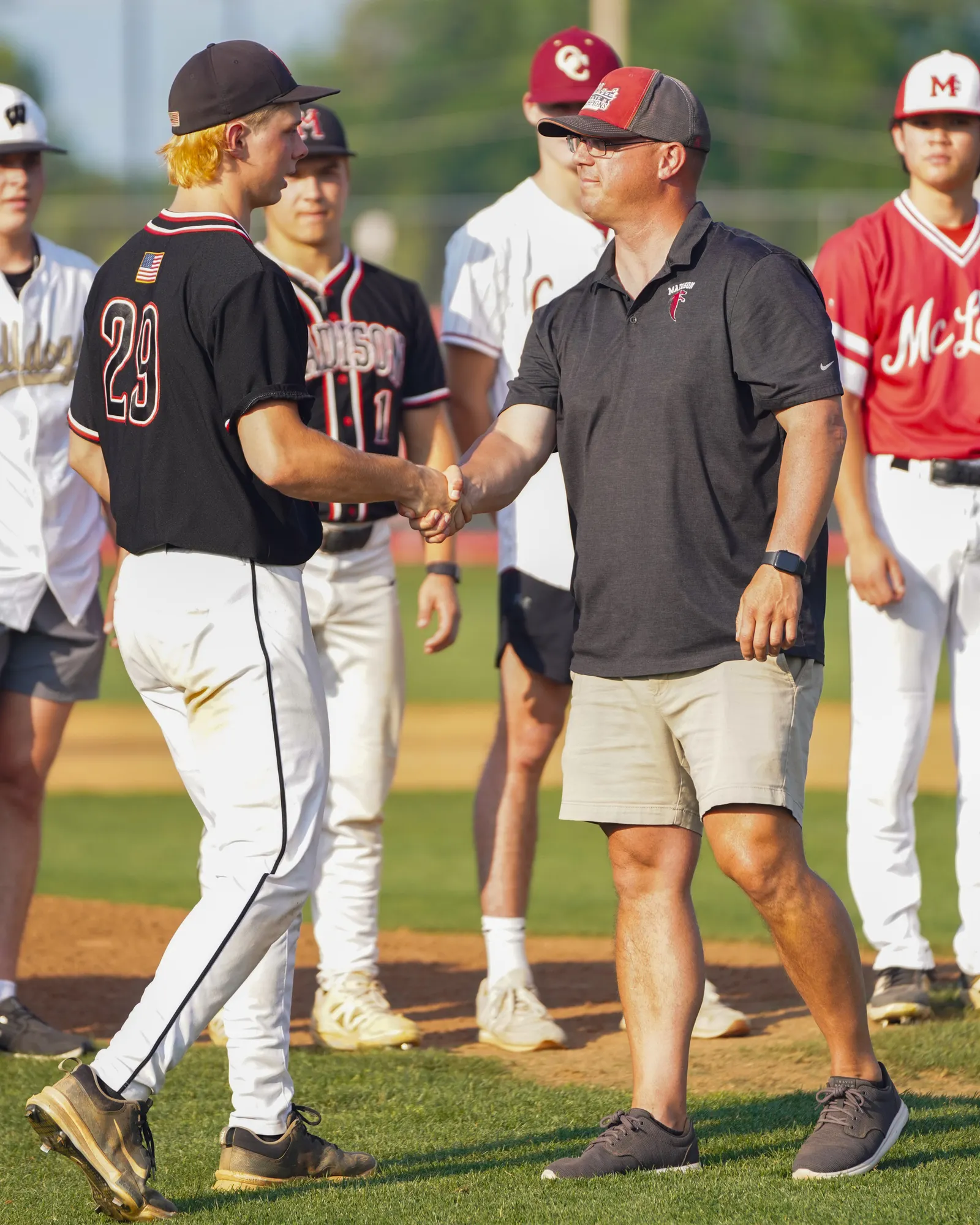
Erasing Mental Health Stigmas Through Open Dialogue and Support
The growing openness of elite and professional athletes regarding their own mental health struggles has undeniably spurred a broader effort to dismantle mental health stigmas within the student athletics community. Parents, coaches, and organizations at the forefront of this movement are not advocating for a lowering of expectations or an insulation of young athletes from disappointment or adversity. Instead, their focus is on empowering students to recognize and effectively navigate difficult situations, and crucially, to have reliable adults with whom they can share their experiences.
Andrew Baird underscores the interconnectedness of mental, social, and emotional well-being with athletic development. "If youth athletes are ‘not in a good space – mentally, socially, emotionally – whatever we’re teaching them on the ball field doesn’t even matter, because they’re not going to retain it at all," he explained. This statement highlights that a student’s capacity to learn and perform is intrinsically linked to their overall mental state.
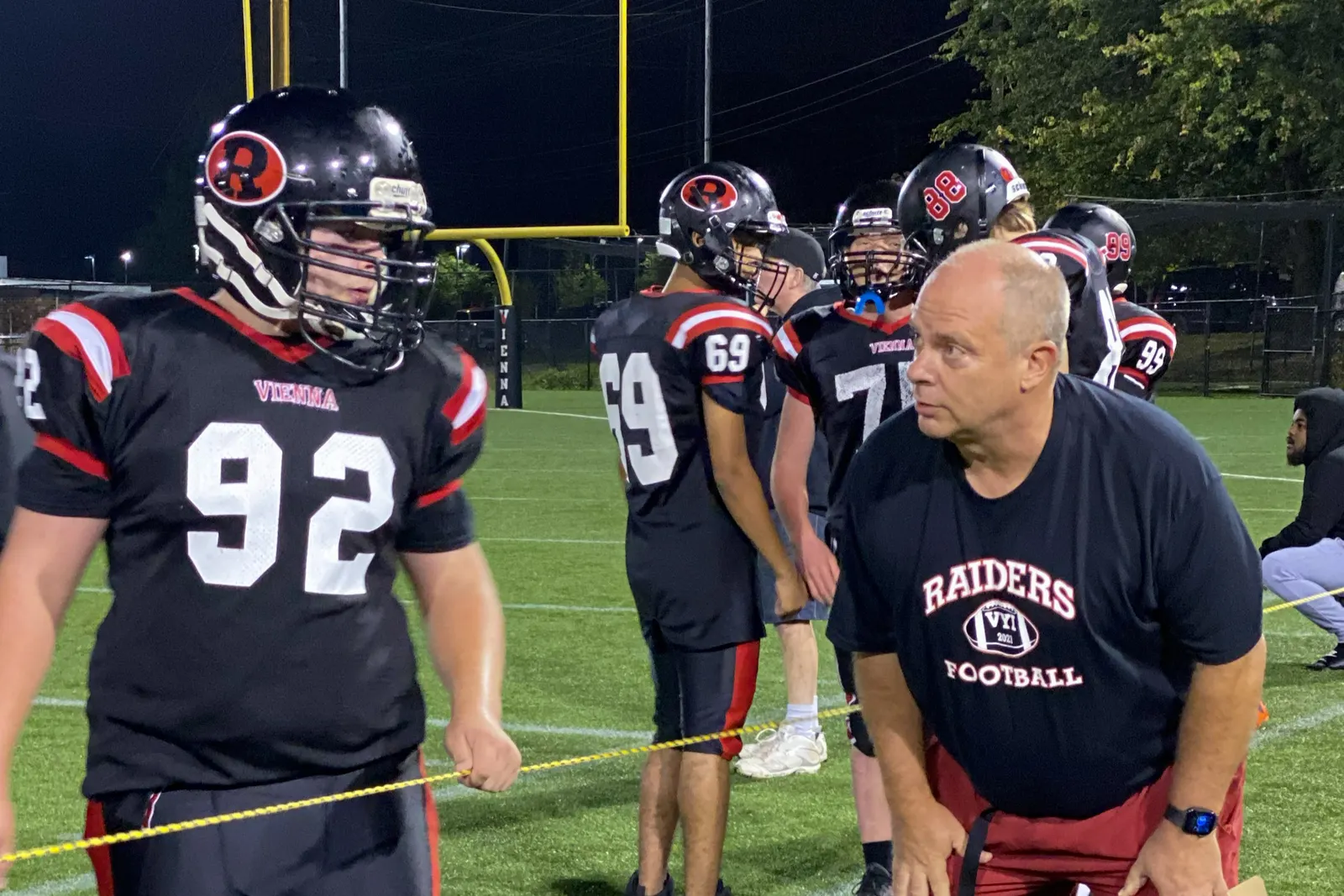
Catherine Leighty, a varsity assistant lacrosse coach at Yorktown High School in Arlington, Virginia, embodies this philosophy by prioritizing her players’ humanity above their athletic identity. She is committed to creating an environment where her players feel safe and understood. Leighty, who has also undergone mental health awareness training with the Eric Monday Foundation, adopts a coaching style that balances constructive criticism with acknowledgment of her players’ efforts. She also recognizes the importance of adapting her coaching approach to individual student needs and learning styles. "Coaches ‘are role models, and we’re here to recognize signs of distress and encourage that our players do take care of their mental health,’" Leighty asserted.
Coach Quezada, the wrestling coach, employs a unique method to foster mental well-being among his athletes. Following practices, he convenes his team and shares excerpts from books that explore themes of mental wellness and the pursuit of healthy, fulfilling lives. "It plants the seed in their heads to know what the bigger picture is," Quezada explained. "And in sports how we can get the best out of ourselves, which then leads to erasing stigmas on mental health." This practice demonstrates a commitment to nurturing not only athletic skill but also the broader life skills and emotional intelligence necessary for long-term success and well-being.
The collective efforts of coaches like Quezada, Leighty, and the organizations supporting them are indicative of a significant and positive evolution in youth sports. By intentionally prioritizing mental health alongside physical development, these individuals and groups are creating a more supportive and resilient generation of young athletes, prepared to face the challenges of life with greater strength and understanding.