
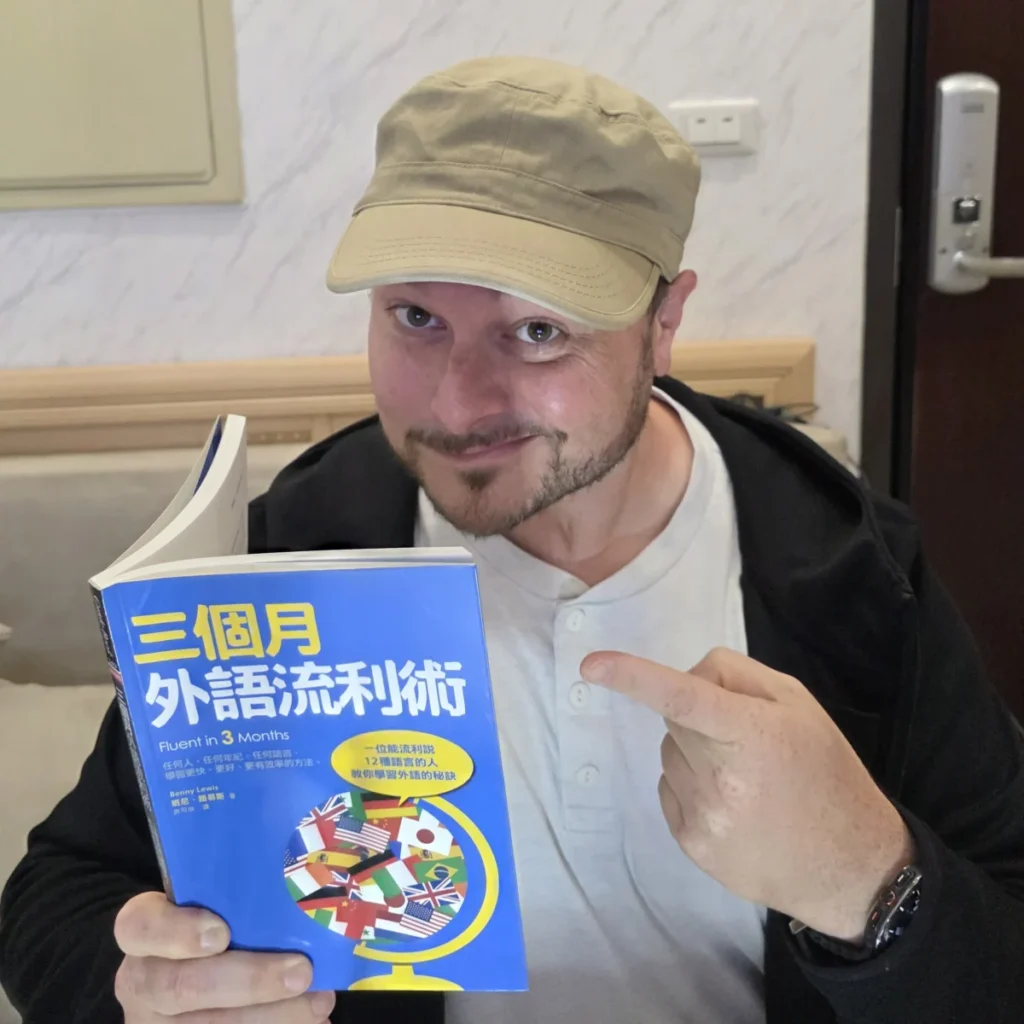
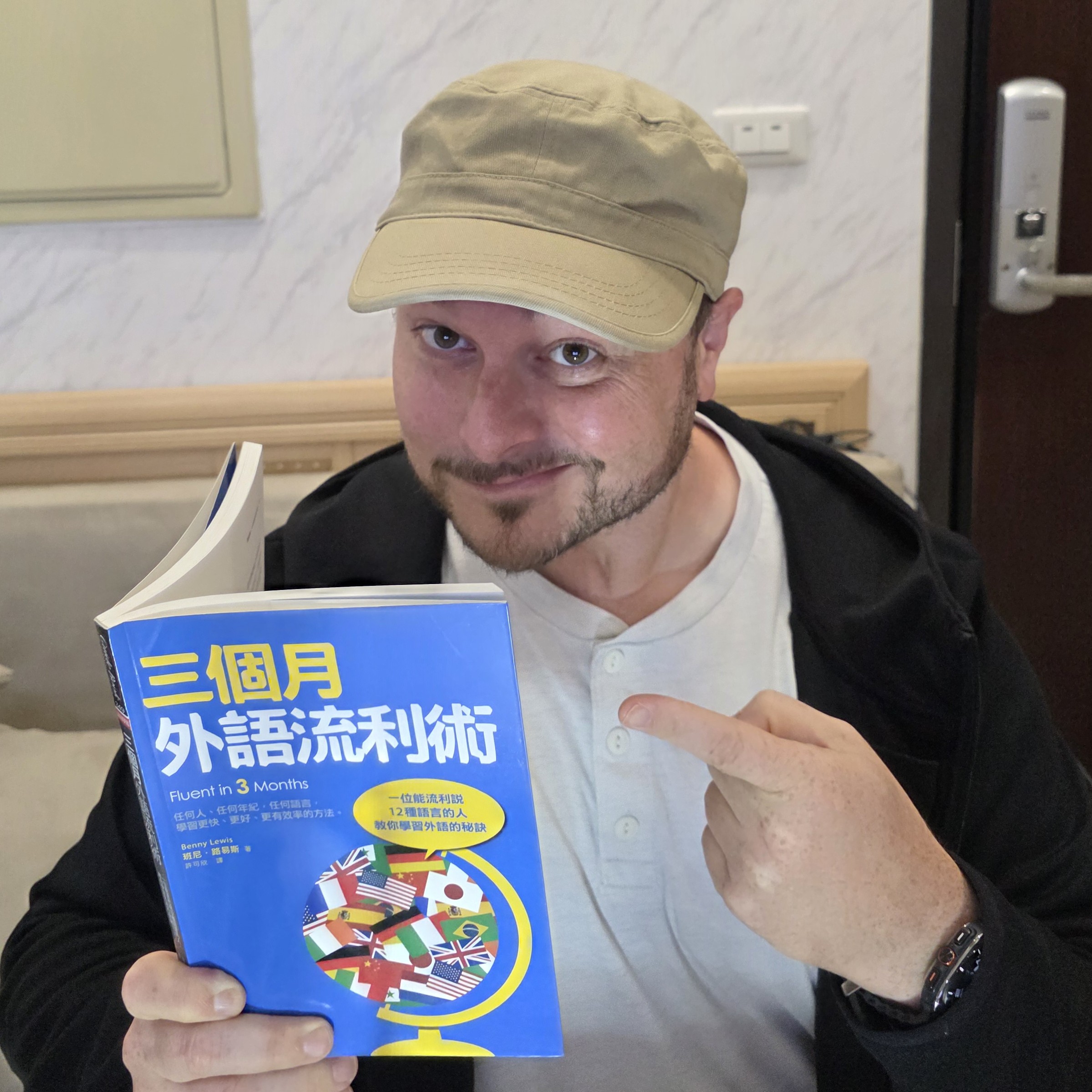
Benny Lewis, the founder of the globally recognized language learning platform Fluent in 3 Months, has officially announced his return to Taipei, Taiwan, to undergo a rigorous two-month Mandarin immersion program. This move marks a significant full-circle moment for the Irish polyglot, who first gained international attention for his intensive Mandarin project in the same city 14 years ago. The current initiative aims not only to restore Lewis’s previous intermediate proficiency but also to navigate the evolving landscape of language acquisition in an era increasingly dominated by artificial intelligence and digital tools.
Historical Context and the 2012 Mandarin Mission
The origins of this project date back to 2012, when Lewis launched what would become one of the most documented language-learning experiments in the digital age. The initial "Mandarin Mission" consisted of three months of intensive study in Taipei, followed by two months of solo travel through mainland China. Upon completion, Lewis’s verbal proficiency was independently assessed at a B1 level on the Common European Framework of Reference for Languages (CEFR), signifying a lower-intermediate ability to handle everyday interactions.
Despite the success of the 2012 mission, which included high-profile achievements such as learning Kung Fu in a remote fishing village and conducting interviews with television presenters in Mandarin, Lewis acknowledges that maintaining such a complex language proved challenging over the subsequent decade. Aside from a brief period of intensive study while co-authoring the "Language Hacking Mandarin" coursebook, his usage of the language had dwindled to sporadic exchanges at international language events. This phenomenon, known in linguistics as "language attrition," is a common hurdle for polyglots who manage multiple non-native languages simultaneously.
The Catalyst: Regional Influence and the Chinese Diaspora
The decision to prioritize Mandarin once again was prompted by Lewis’s recent travels through Malaysia during the first quarter of 2024. During his two-month stay in Southeast Asia, he encountered a significant presence of the Chinese diaspora and a high volume of Mandarin-speaking tourists. These interactions served as a practical reminder of the language’s global utility.
Data from the Malaysian Department of Statistics indicates that ethnic Chinese make up approximately 22.6% of the Malaysian population, making Mandarin a vital lingua franca in urban centers like Kuala Lumpur and Penang. This regional exposure shifted Lewis’s focus away from Malay and toward a dedicated reacquisition of Mandarin, leading to his relocation to Taipei for a more immersive environment.
Strategic Methodology: The Daily Learning Routine
Lewis’s current approach in Taipei represents a hybrid of traditional study and modern technological integration. Unlike his 2012 mission, which focused heavily on rapid verbal acquisition for beginners, the 2024 routine is tailored for an intermediate learner looking to refine syntax and expand vocabulary.
- Grammar and Syntax Refinement: Lewis begins his day with structured grammar study. He has opted for resources that acknowledge the linguistic nuances of Taiwanese Mandarin—which often differs from the "Putonghua" of mainland China in terms of vocabulary and accent—while utilizing both Simplified and Traditional Chinese characters.
- Physical Health and Cognitive Function: Incorporating a strict physical regimen, Lewis runs for 90 minutes daily. Research in the Journal of Clinical Medicine suggests a strong correlation between aerobic exercise and enhanced cognitive plasticity, which can facilitate more effective memory retention during language study.
- Digital Spaced Repetition: Central to his vocabulary retention is the use of Anki, a spaced repetition system (SRS). Lewis has recovered and modernized his original digital flashcard decks from 2012, which contain highly personalized vocabulary gathered from past real-world interactions.
- Professional Instruction and AI Integration: To maintain momentum, Lewis utilizes Preply for regular one-on-one sessions with native tutors. He also incorporates AI-driven conversation tools as a cost-effective supplement to human instruction, highlighting the shifting paradigm of the language-learning industry.
Challenges of Urban Immersion and Social Dynamics
While Taipei is a modern international hub, Lewis reports that total immersion remains a challenge due to the city’s varying levels of English proficiency. In high-traffic areas or corporate chains like Starbucks, he has noted that basic transactions often require precise Mandarin, as staff may not always pivot to English when a foreigner struggles. This "forced immersion" is a critical component of his strategy to eliminate the "laziness" often associated with living in expatriate bubbles.
However, social immersion in group settings has proven more difficult. Lewis observes that "sit-down" social events often feature high noise levels and rapid-fire native conversations that are difficult for intermediate learners to penetrate. This highlights a common barrier in language acquisition: the gap between structured classroom learning and the chaotic reality of native social environments. To mitigate this, Lewis utilizes specialized audio resources like ChineseClass101 during commutes to sharpen his listening comprehension for more natural, fast-paced dialogue.
The "Deep Travel" Initiative: Expanding Beyond the Capital
A pivotal component of the 2024 project is the "Deep Travel" phase. Following his stay in Taipei, Lewis plans to spend several weeks exploring rural and secondary regions of Taiwan. This follows his recent travel philosophy of visiting every administrative division within a country, a feat he has previously achieved in Brazil, the United States, and South Korea.
By moving outside the internationalized environment of Taipei, Lewis anticipates a significant decrease in English availability, thereby increasing the necessity of Mandarin for survival and social interaction. This geographic expansion is intended to test his linguistic limits and provide a more comprehensive understanding of Taiwanese culture and regional dialects.
Broader Implications: Content Creation in the Age of AI
Beyond the linguistic goals, Lewis’s return to blogging and personal reporting marks a strategic pivot in the digital publishing industry. For over a decade, Fluent in 3 Months operated as a high-volume SEO (Search Engine Optimization) platform, providing specific tips to satisfy search engine algorithms. However, the rise of AI-generated search snippets—where Google provides direct answers on the search results page—has decimated traffic for traditional instructional blogs.

Lewis’s new direction emphasizes "human-centric" storytelling and personal experience over "AI slop" or regurgitated advice. This reflects a broader trend among independent creators who are moving toward newsletter formats and personal narratives to differentiate themselves from the flood of automated content. Industry analysts suggest that as AI becomes more proficient at providing factual data, the value of subjective, human-led "adventure" content will likely increase.
Analysis of the Language Learning Market in 2024
The global language learning market is projected to reach approximately $115 billion by 2025, according to data from Meticulous Research. Mandarin Chinese remains a top priority for learners due to China’s economic influence, though the focus has shifted slightly toward Taiwan as a preferred destination for students seeking a more traditional cultural experience and a democratic environment.
Lewis’s project serves as a case study for "lifelong learning" and the reality of language maintenance. His transparency regarding the "rustiness" of his skills after a decade of disuse provides a realistic counter-narrative to the often-exaggerated claims of "permanent fluency" found in some corners of the polyglot community.
Chronology of the Lewis Mandarin Projects
- 2012: Initial 5-month project (Taipei and Mainland China). Achieved B1 spoken proficiency.
- 2013-2018: Sporadic maintenance; focus on other languages (Spanish, Italian, ASL).
- 2019: Co-authoring "Language Hacking Mandarin"; intensive review period.
- 2020-2023: Period of significant language attrition during the global pandemic.
- January-February 2024: Exposure to Mandarin in Malaysia; decision to return to Taiwan.
- March 2024: Commencement of the Taipei intensive and "Deep Travel" project.
As Lewis continues his journey through Taiwan, his progress will be documented through his social media channels and personal blog, offering a modern look at how a veteran polyglot adapts to the new technological and social realities of the 2020s. The outcome of this mission will likely influence how his followers approach the daunting task of reviving a "dormant" language.