

The integration of technology into professional sports has reached a pivotal milestone as the Korea Baseball Organization (KBO) successfully completed its first full seasons utilizing the Automated Ball-Strike system (ABS). While the introduction of "robot umpires" was initially met with skepticism by traditionalists, a comprehensive study from the University of Michigan (UM) has revealed that the system is doing more than just calling strikes; it is actively dismantling a long-standing "star bias" that has historically favored the league’s most prominent athletes. The research, published in the journal European Sport Management Quarterly, suggests that human umpires, perhaps subconsciously, have granted elite hitters a more forgiving strike zone for decades—a privilege that vanished the moment the decision-making process was handed over to an algorithm.
The Mechanics of the Automated Ball-Strike System
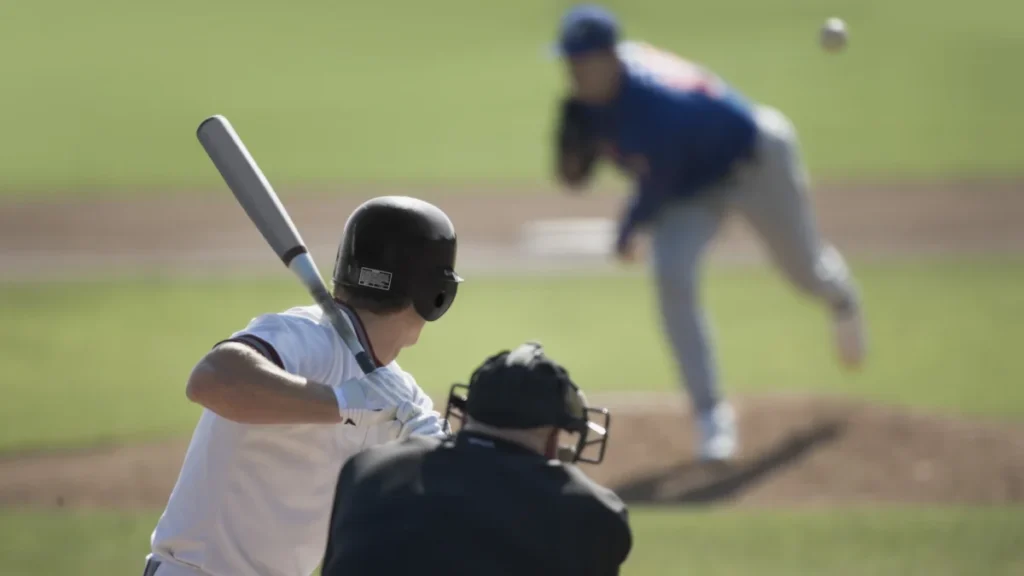
The ABS, colloquially known as the robot umpire system, does not involve a humanoid machine standing behind home plate. Instead, it is a sophisticated network of high-speed cameras and tracking sensors—similar to the Hawk-Eye technology used in professional tennis—designed to map the three-dimensional "strike zone" for every individual batter. This zone is determined based on the player’s height and stance, creating a digital volume through which the ball must pass to be called a strike.
When a pitcher throws, the system tracks the ball’s trajectory in real-time. Within milliseconds of the ball crossing the plate, the system determines its status and transmits the result to the human home plate umpire via an earpiece. The human umpire then relays the call to the players and the crowd. This hybrid approach maintains the traditional aesthetic of the game while ensuring that the core data driving the game’s most frequent decisions is objective and consistent.
Findings from the University of Michigan Study
The study, led by UM kinesiologists Jimin Song and Richard Paulsen, analyzed performance data from the 2024 KBO season, the first year the system was fully implemented in the top-tier league. The researchers compared these statistics against historical data from previous years when human umpires held sole discretion over the strike zone.
The results were stark: high-status players—those with multiple All-Star appearances, high salaries, or legendary reputations—saw a statistically significant decline in their plate discipline metrics. These elite hitters walked less frequently, struck out more often, and maintained a lower on-base percentage (OBP) than in previous years. Conversely, lower-status or journeyman players did not see a similar decline, and in some cases, their performance metrics stabilized or improved.
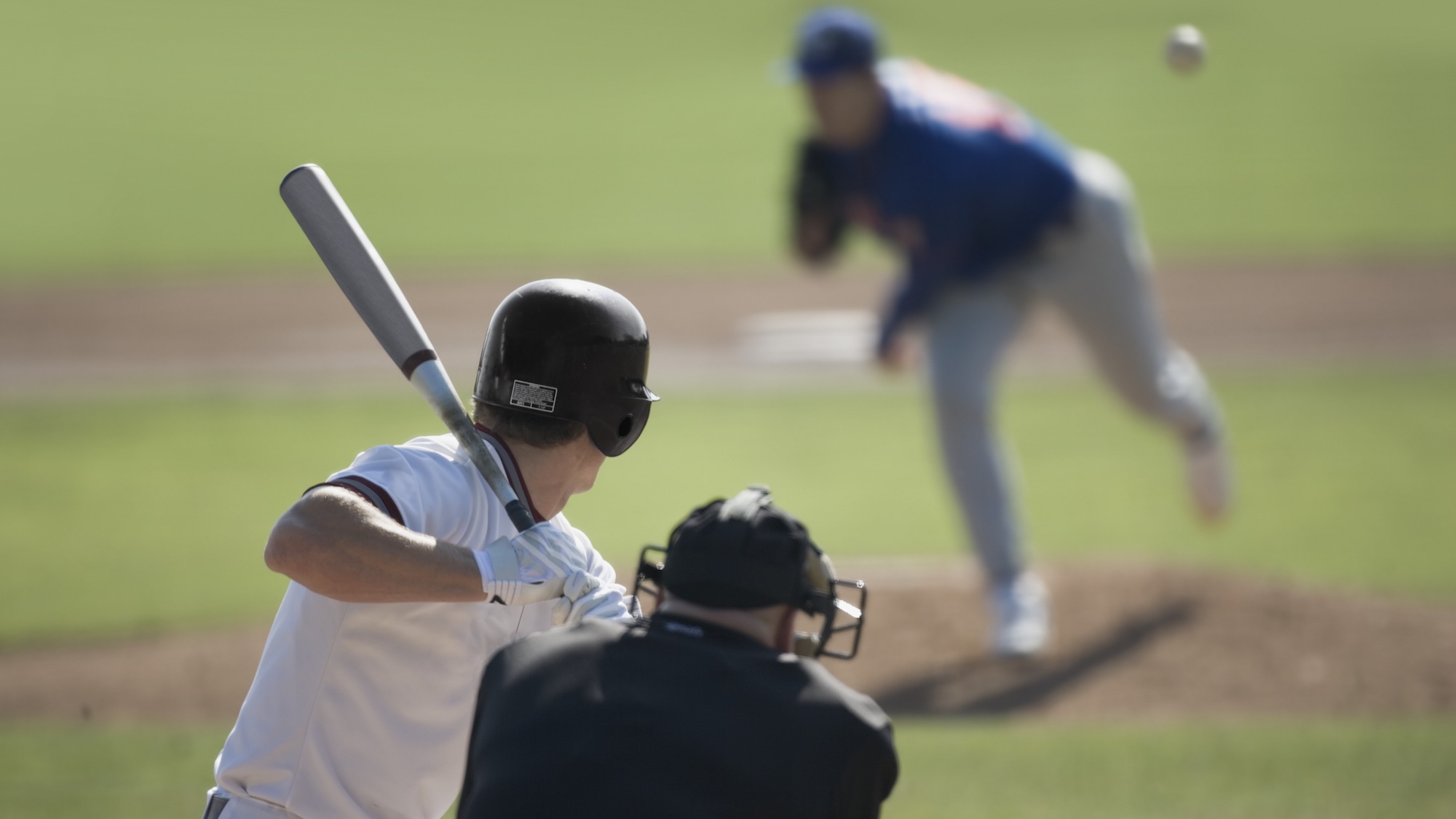
"This suggests that there may have been an existing bias in favor of prominent batters before ABS," Jimin Song stated. "Before ABS, when a big-name batter was at bat, umpires may have given more favorable calls on borderline pitches. If a pitcher threw a ball that was an inch off the corner, and the batter was a known superstar with a ‘great eye,’ the umpire was more likely to call it a ball. The robot doesn’t know who is standing in the box."
The Timeline of Technological Integration
The journey toward automated officiating has been a multi-year progression, marked by rigorous testing and incremental adoption.
- 2020–2022: Initial Testing. The KBO began testing the ABS in its futures league (minor league) to calibrate the sensors and ensure the latency between the pitch and the call was minimal.
- 2023: Refinement. Software updates were implemented to better account for the "top" and "bottom" of the strike zone, which varies significantly between a 5’8" second baseman and a 6’4" outfielder.
- 2024: Full Implementation. The KBO became the first major professional baseball league in the world to implement ABS for the entirety of its regular season.
- 2024–2025: MLB Parallel Track. Major League Baseball (MLB) in the United States began utilizing a "Challenge System" in Triple-A games, where teams could appeal a human umpire’s call to the ABS.
- 2026: Expansion. Based on the KBO’s success, MLB and other international leagues began finalizing plans to integrate similar automated systems into their top-flight competitions.
Supporting Data: Analyzing the Statistical Shift
To validate that the performance dip in star players was due to officiating changes rather than a natural decline in talent, the UM researchers looked at "wider-ranging hitting performance" metrics, such as exit velocity and launch angle. These physical metrics remained consistent for the star players, indicating that their ability to hit the ball had not diminished. The only variables that changed significantly were those directly tied to the strike zone: walks, strikeouts, and "called strikes."
Data from the 2024 KBO season showed that the league-wide walk rate for top-decile hitters dropped by nearly 12% compared to the three-year average prior to ABS. Meanwhile, the strikeout rate for the same group rose by 8%. For players in the bottom 50% of the league’s popularity and salary rankings, these metrics remained within a 1% margin of their historical averages.
This discrepancy highlights the "Halo Effect," a cognitive bias where a person’s overall impression of someone influences their feelings and thoughts about that person’s character or specific traits—in this case, their "eye" for the strike zone.
Official Responses and Player Reactions
The reaction from the KBO community has been a mixture of relief and frustration. Many pitchers have praised the system, noting that they no longer feel "squeezed" when facing the league’s most intimidating hitters. "A strike is a strike now," said one veteran KBO pitcher. "It doesn’t matter if I’m pitching to a rookie or a legend. If I hit the spot the computer says is a strike, I get the call."
On the other side of the plate, some veteran hitters have expressed frustration with the "loss of the human element." Critics of the system argue that the "art" of hitting involves understanding an umpire’s specific tendencies and adjusting throughout the game. However, league officials have remained firm. The KBO leadership emphasized that the primary goal of ABS is fairness and the elimination of human error that can decide the outcome of a championship.
In the United States, MLB Commissioner Rob Manfred has closely monitored the KBO’s data. While MLB has been slower to adopt a full-time "robot" system, preferring the "Challenge System" (where each team gets a limited number of opportunities to let the computer overrule a human), the KBO’s success in eliminating bias is expected to accelerate the push for full automation in the Major Leagues by 2026.
Broader Implications: Beyond the Diamond
The findings of Song and Paulsen extend far beyond the baseball diamond. The researchers argue that their study serves as a microcosm for how technology can be used to mitigate "status bias" in various professional sectors. Status bias occurs frequently in corporate hiring, academic peer reviews, and legal proceedings, where the reputation of an individual can cloud the objective assessment of their work or behavior.
"We’ve all seen calls that have influenced outcomes at the end of the game," said co-author Richard Paulsen. "Some decisions made by officials, like ball-strike decisions or out-of-bounds calls, are very objective and could be automated easily."
The researchers suggest that while the ABS model is specific to sports, the underlying principle—using blind, data-driven evaluations to check human judgment—is applicable to performance reviews in any industry. By removing the "identity" of the participant from the evaluation of the "act," organizations can ensure a more meritocratic environment.
The Future of Officiating
Despite the success of the ABS in Korea, experts do not believe that human officials will disappear entirely. The UM study notes that while "objective" calls (like whether a ball crossed a specific coordinate) are best handled by machines, "subjective" calls (such as checked swings, catcher interference, or unsportsmanlike conduct) still require human nuance and context.
"Human judgment, in my view, remains useful for more subjective decisions," Paulsen noted. "For that reason, I do not believe we will see human officiating go away completely anytime soon."
As the 2025 and 2026 seasons approach, the global baseball community remains at a crossroads. The KBO has provided a blueprint for a more equitable game, proving that while robots may lack a "feel" for the game, they also lack the prejudices that have long skewed the competitive balance in favor of the elite. For the fans, the result is a game where the outcome is determined solely by the players’ skill, rather than the reputation they bring to the plate.