



The experience of boarding a modern commercial aircraft often involves a stark transition from the sweltering heat of an airport tarmac to a cabin environment that feels more like a refrigerated locker. For many travelers, this necessitates the packing of heavy sweaters and thick socks, even when the destination is a tropical climate. While many passengers assume the frigid temperatures are a result of malfunctioning air conditioning or a lack of attention from the crew, the reality is rooted in a complex intersection of human physiology, aerospace engineering, and safety protocols. According to aviation experts and former flight crew members, these low temperatures are not merely a matter of preference but a calculated necessity designed to prevent medical emergencies and maintain the structural integrity of the aircraft.
The Primary Objective: Preventing In-Flight Syncope
The most critical reason for maintaining a cool cabin environment is the prevention of fainting, known medically as syncope. Bobby Laurie, a former flight attendant and co-host of the travel talk show The Jet Set, notes that fainting is one of the most common medical issues encountered by flight crews, particularly on long-haul or "red-eye" flights. The risk of fainting is significantly heightened by the unique atmospheric conditions inside a pressurized cabin.
When an aircraft is at a cruising altitude of approximately 35,000 feet, the cabin is typically pressurized to an equivalent altitude of 6,000 to 8,000 feet above sea level. While this pressure allows passengers to breathe without supplemental oxygen, it results in approximately 25 percent less oxygen being available to the bloodstream compared to sea-level conditions. This state of mild hypoxia can cause dizziness, lightheadedness, and disorientation.
Research indicates that high temperatures exacerbate these effects. Warm air causes the body’s blood vessels to dilate as it attempts to cool itself, which can lead to a drop in blood pressure. When combined with reduced oxygen levels, the heart must work harder to circulate blood, increasing the likelihood that a passenger will lose consciousness. By keeping the cabin temperature between 70 and 75 degrees Fahrenheit—and often lower during boarding—airlines help stabilize passenger heart rates and breathing, thereby reducing the incidence of fainting episodes.
The Role of Humidity and Perception
While the thermostat might read a standard room temperature of 72 degrees, the air on a plane often feels significantly colder due to extremely low humidity levels. Modern aircraft cabins are kept at a relative humidity of 10 to 20 percent, which is drier than the average humidity of the Sahara Desert. This dry air is an engineering requirement; high humidity would lead to condensation on the aircraft’s inner skin, eventually causing corrosion of the metal frame and potentially damaging sensitive electronic components.
Low humidity increases the rate of moisture evaporation from the skin. Since evaporation is a cooling process, passengers lose body heat more rapidly than they would in a more humid environment at the same temperature. Consequently, a cabin at 73 degrees feels much chillier than a home or office at the same setting. This "perceived cold" is a byproduct of the aircraft’s need to protect its structural integrity while ensuring that the air does not become "stuffy" or stagnant for the hundreds of people enclosed in a tight space.
Engineering the Environment: The ECS and Trim Air Valves
The management of cabin temperature is handled by the Environmental Control System (ECS), a sophisticated network of pipes, valves, and heat exchangers. The ECS is responsible for three primary functions: cabin pressurization, temperature control, and air filtration.
Most commercial aircraft utilize "bleed air" for this process. Air is tapped from the compressor stages of the jet engines, cooled through heat exchangers, and then mixed with filtered, recirculated cabin air. This mixture is then distributed through various zones in the aircraft.
A key component in this process is the trim air valve. Because different areas of the plane have different cooling requirements—the cockpit, for instance, generates significant heat from electronics, while the rear of the cabin may be less crowded—the ECS uses these valves to inject small amounts of hot or cold air into specific ducts. This allows for "zonal" temperature control. In a typical wide-body aircraft, the cabin may be divided into four or more zones, such as the flight deck, forward cabin, mid-cabin, and aft cabin.
Flight crews often find themselves in a constant battle with these zones. As passengers board, their collective body heat can cause the temperature to spike rapidly. A plane with 200 people generates the thermal equivalent of a small industrial heater. To counteract this "heat soak," pilots and flight attendants often pre-cool the cabin before boarding begins, ensuring that the temperature remains manageable once the aircraft is full.
Manufacturer Variations: Boeing vs. Airbus
The method of controlling this environment varies significantly between the world’s two largest aircraft manufacturers. On many Boeing aircraft, the primary temperature controls are located on the flight deck. Pilots use rotary knobs that are often calibrated with general "cool" to "warm" settings rather than specific degree increments. This means the flight crew in the front is making adjustments based on their perception of the environment, even though they are not physically in the passenger cabin.
In contrast, Airbus aircraft typically feature more localized controls. Flight attendants can often adjust the temperature of specific zones via a centralized touchscreen (the Flight Attendant Panel) located near the galleys. This allows for a more responsive approach to passenger complaints or localized heat build-up. However, regardless of the manufacturer, the goal remains the same: prioritizing safety and alertness over individual comfort.
Safety and Crew Alertness
Beyond the physiological health of passengers, temperature plays a role in the operational safety of the flight. Cold air is known to keep individuals more alert. For flight attendants, who must be prepared to respond to sudden turbulence, medical emergencies, or evacuations within seconds, maintaining a high level of situational awareness is paramount. A warm, cozy cabin can induce lethargy or sleepiness, which is detrimental to the crew’s safety functions.
This is why flight attendants are often seen wearing sweaters or jackets even when the cabin feels cool to passengers. They are physically active, moving through the aisles and working in the galleys, which are naturally colder due to their proximity to door seals and the cooling units used for food and beverage storage. Their preparedness for the "inside environment" is a reflection of the rigorous training that prioritizes safety protocols over comfort.
Strategic Seating for Sensitive Travelers
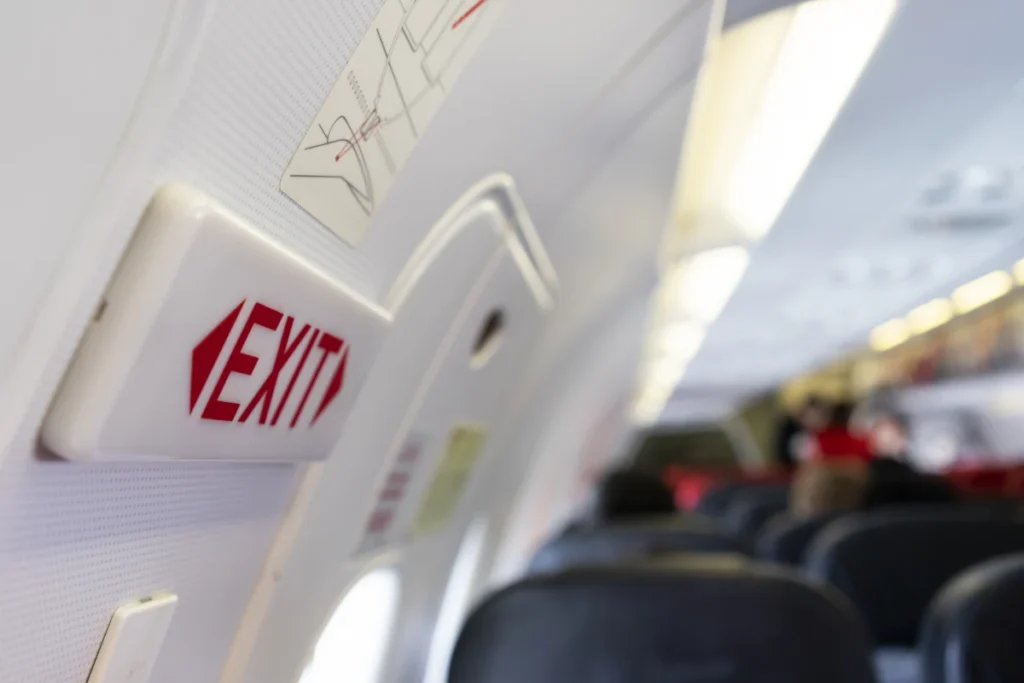
For passengers who are particularly sensitive to cold, understanding the layout of an aircraft’s ventilation system can help in choosing a more comfortable seat. Experts recommend avoiding exit rows, as the door seals are a common source of drafts and "cold spots" where outside air (which can be as cold as -60 degrees Fahrenheit) may slightly penetrate.
Window seats also tend to be colder because they are in direct contact with the aircraft’s outer fuselage. While modern insulation is effective, the proximity to the exterior skin of the plane at 35,000 feet makes these seats notably chillier than aisle seats. Furthermore, the galleys should be avoided by those who run cold, as these areas are designed with high-capacity cooling vents to manage the heat from ovens and to keep food carts at safe temperatures.
The Broader Impact: Efficiency and Future Trends
The management of cabin air is also an issue of fuel efficiency. Generating and cooling bleed air requires energy from the engines. Overly aggressive heating or cooling can marginally increase fuel burn. As airlines look to reduce their carbon footprint, more efficient systems are being developed.
The Boeing 787 Dreamliner, for example, utilizes a "no-bleed" system that uses electric compressors instead of engine air to pressurize and condition the cabin. This allows for higher humidity levels (up to 25 percent) and lower cabin altitudes (around 6,000 feet), which significantly improves passenger comfort and reduces the "dryness" associated with traditional aircraft. These technological advancements may eventually allow for slightly warmer cabin temperatures without the associated risk of hypoxia-induced fainting.
Conclusion
The "refrigerated" cabin is a hallmark of modern air travel that serves a vital purpose. By prioritizing a cool, dry environment, airlines mitigate the risk of medical emergencies caused by low oxygen levels, protect the aircraft from the damaging effects of moisture, and ensure that the flight crew remains alert and ready for any situation. While it may require an extra layer of clothing for the average traveler, the chill is a small price to pay for the sophisticated engineering and medical science that keeps millions of passengers safe in the skies every day. As aviation technology continues to evolve, the balance between comfort and safety will remain a central focus for engineers and operators alike.