


While social media is frequently scrutinized for its negative impact on psychological well-being, a unique digital movement is demonstrating the platform’s potential as a powerful tool for wildlife advocacy and global conservation. In the lead-up to World Tree Kangaroo Day on May 21, zoos and conservation organizations across the United States and the South Pacific have launched the International Tree Kangaroo Crunch-a-Thon. This initiative, spearheaded by the Association of Zoos and Aquariums (AZA) Saving Animals From Extinction (SAFE) program, utilizes the viral nature of "ASMR" (Autonomous Sensory Meridian Response) style videos to bring unprecedented attention to the 14 species of tree kangaroos, many of which are currently teetering on the brink of extinction.
The Crunch-a-Thon: Merging Viral Trends with Conservation Science
The International Tree Kangaroo Crunch-a-Thon is a strategic digital campaign designed to engage the public through the simple, endearing act of animals eating. Participants, primarily zoological institutions that house these rare marsupials, post high-definition videos of tree kangaroos consuming crunchy vegetables. The competition is structured around three primary categories: Most Likes, Most Views, and the prestigious Judges’ Choice award. By leveraging the algorithms of Instagram and Facebook, the AZA SAFE program aims to bypass traditional barriers to conservation awareness, reaching a younger, tech-savvy demographic that may be unfamiliar with the specific plight of arboreal marsupials.
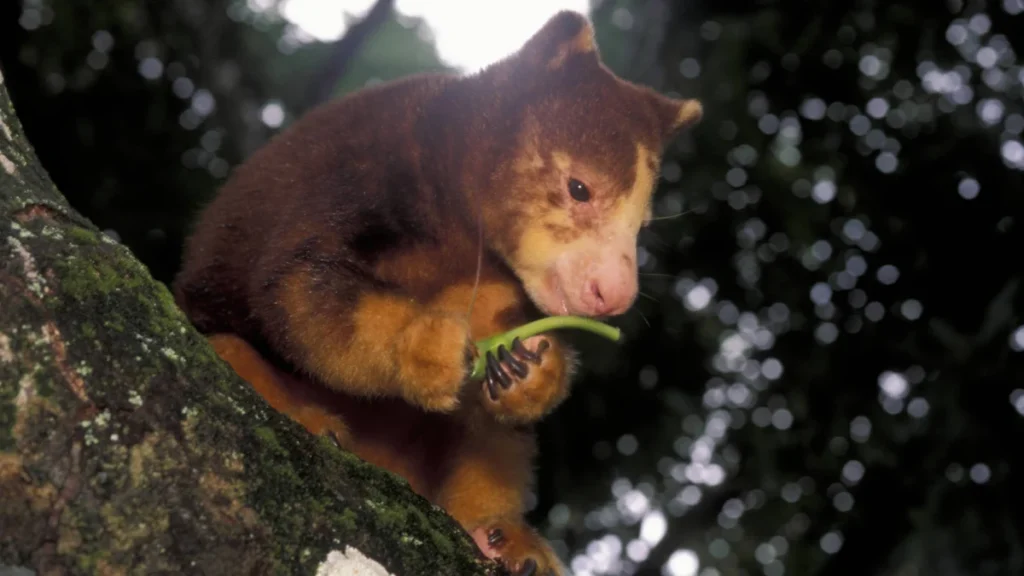
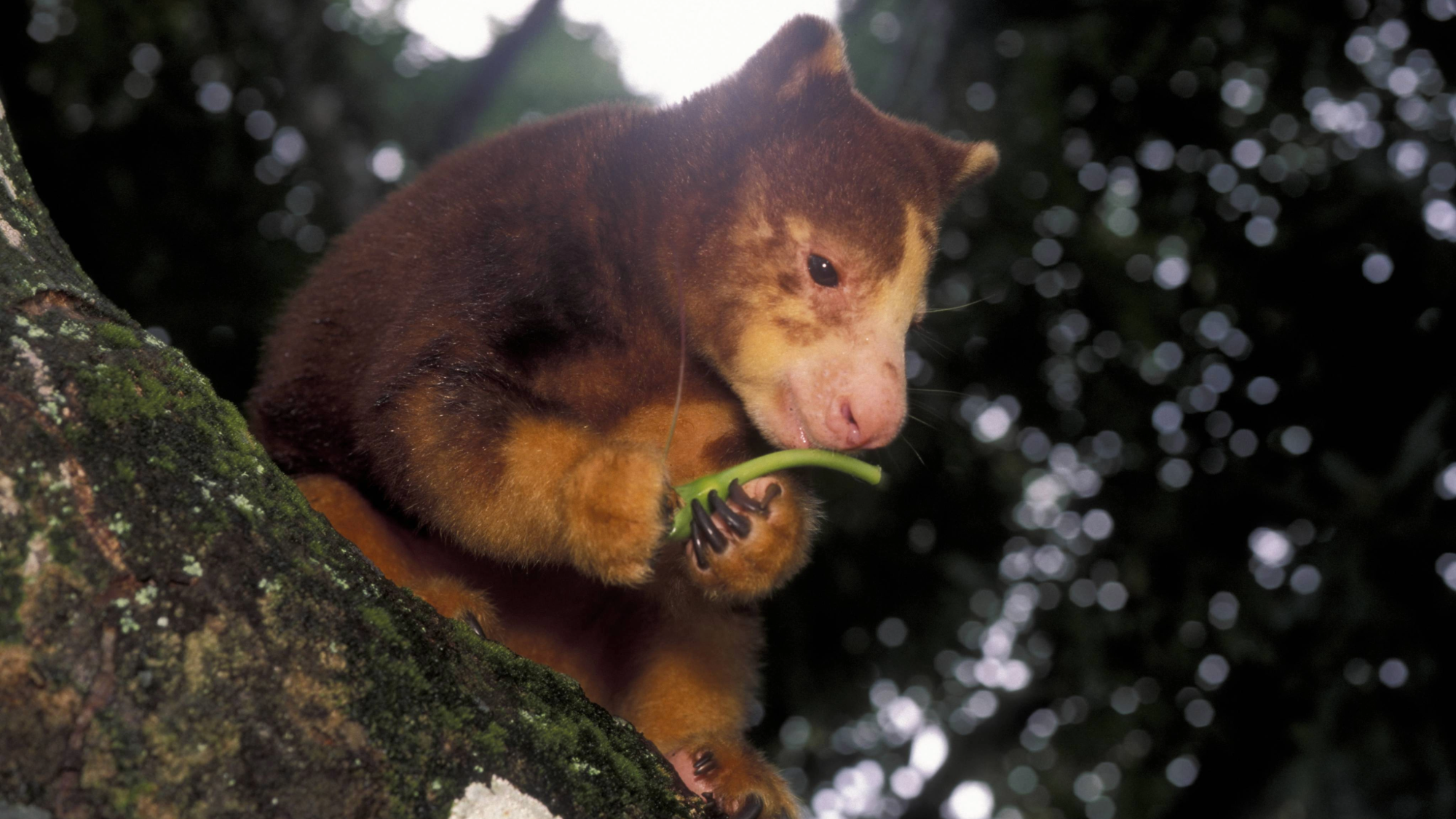
The competition organizers have provided specific dietary guidelines to ensure the "crunch" is audible and satisfying for viewers while maintaining the nutritional health of the animals. Recommended snacks include bell peppers, celery, romaine hearts, snap peas, and green beans. While cucumbers and zucchini are permitted, organizers noted they often lack the percussive "snap" required for a winning entry. Beyond the entertainment value, these videos provide a rare, close-up look at the unique facial structures and feeding behaviors of a genus that remains largely hidden in the wild.
Biological Profile: Understanding the Genus Dendrolagus
Tree kangaroos belong to the genus Dendrolagus, a group of macropods that transitioned from the ground back into the canopy millions of years ago. Unlike their terrestrial cousins, such as the Red Kangaroo or the Wallaby, tree kangaroos have evolved specialized physical adaptations for a life spent in the rainforest heights of Papua New Guinea, Indonesia, and Far North Queensland, Australia.
Structurally, tree kangaroos differ significantly from ground-dwelling marsupials. They possess shorter, broader back feet with long, curved claws that provide superior grip on mossy branches. Their long, bushy tails—often exceeding the length of their bodies—do not act as prehensile limbs but rather as essential counterweights for balance as they leap between trees. Furthermore, their front limbs are notably stronger and more flexible than those of terrestrial kangaroos, allowing them to pull branches closer for feeding and to climb vertical trunks with surprising agility.
Among the 14 recognized species, the Matschie’s tree kangaroo (Dendrolagus matschiei) and the Goodfellow’s tree kangaroo (Dendrolagus goodfellowi) are perhaps the most well-known in zoological circles. However, the Golden-mantled tree kangaroo (Dendrolagus pulcherrimus) represents one of the most critical conservation cases. Native to a tiny fraction of the Torricelli Mountains in Papua New Guinea, this species was nearly hunted to extinction before intensive community-based conservation efforts began to stabilize the population.
The AZA SAFE Framework and Institutional Participation
The Crunch-a-Thon is not merely a social media contest; it is a public-facing component of the AZA SAFE: Tree Kangaroo of Papua New Guinea program. The SAFE framework is designed to protect threatened species by prioritizing high-impact conservation actions and leveraging the collective expertise of AZA-accredited zoos and aquariums.
Institutions like the Roger Williams Park Zoo in Rhode Island have been vocal participants in this year’s event. Home to three Matschie’s tree kangaroos, the zoo has utilized the Crunch-a-Thon to educate its visitors on the "cloud forests" of Papua New Guinea. These high-altitude ecosystems are vital not only for the survival of the tree kangaroo but also as massive carbon sinks and water catchment areas for local human populations.
By participating in the Crunch-a-Thon, these zoos are helping to fund and promote the Tree Kangaroo Conservation Program (TKCP). The TKCP works on the ground in the Huon Peninsula of Papua New Guinea, collaborating with indigenous landowners to manage the YUS Conservation Area—the country’s first officially recognized protected area of its kind.
Chronology of Conservation Milestones
The path toward modern tree kangaroo advocacy has been marked by several key milestones that have transitioned the species from biological curiosities to global conservation icons:
- 1996: The Tree Kangaroo Conservation Program (TKCP) is established by Dr. Lisa Dabek, focusing on the Matschie’s tree kangaroo. This marked the beginning of community-based conservation in the Huon Peninsula.
- 2009: The YUS Conservation Area (named after the Yopno, Uruwa, and Som rivers) is formally established in Papua New Guinea, protecting over 180,000 acres of critical habitat.
- 2015-2018: Advancements in camera-trapping technology allow researchers to document elusive species like the Tenkile and Weimang tree kangaroos in the Torricelli Mountains, providing better population data for the IUCN Red List.
- 2022: The AZA SAFE program officially incorporates tree kangaroos into its portfolio, streamlining funding and research efforts across North American zoos.
- 2024: The International Tree Kangaroo Crunch-a-Thon reaches record engagement levels, with winners scheduled for announcement on May 17, leading into World Tree Kangaroo Day on May 21.
Threats to Survival: Habitat Loss and Climate Change
Despite the success of digital campaigns and community-led initiatives, tree kangaroos face an uphill battle against several systemic threats. The primary driver of population decline is habitat fragmentation. In Papua New Guinea and Indonesia, large-scale logging operations and the expansion of palm oil plantations have decimated the primary rainforests these marsupials call home.
Climate change presents a secondary, more insidious threat. As global temperatures rise, the specific "cloud forest" conditions—characterized by consistent moisture and moderate temperatures—are shifting to higher altitudes. Tree kangaroos, already confined to mountain peaks, may soon have nowhere higher to go, a phenomenon known as the "escalator to extinction."
Furthermore, hunting remains a concern in areas where community conservation programs are not yet established. In many indigenous cultures, tree kangaroos have historically been a source of protein and cultural significance. Modern conservation efforts, therefore, focus on providing alternative livelihoods and protein sources, such as coffee and cocoa farming, to local communities in exchange for their pledge to protect the marsupials.
Analysis of the "ASMR" Conservation Strategy
The decision to use "crunching" videos as a central pillar of a conservation campaign is a calculated move based on digital psychology. Studies have shown that "cute" or "satisfying" content can lower cortisol levels in viewers and increase the likelihood of content sharing. For a "non-charismatic" species—one that isn’t as globally famous as a giant panda or a tiger—creating a relatable and sensory-driven connection is vital.
The Crunch-a-Thon humanizes these animals. Seeing a tree kangaroo meticulously chew a snap pea allows the viewer to recognize a level of sentience and individuality in the animal. This emotional connection is the first step in the "Awareness-to-Action" pipeline. Once a viewer is engaged by the "crunch," they are more likely to read the accompanying caption about habitat loss or click a link to donate to the SAFE program.
Future Implications and Global Outlook
The success of the 2024 Crunch-a-Thon suggests a new blueprint for wildlife organizations. By moving away from purely "doom and gloom" messaging and toward interactive, joy-based content, conservationists can build a more resilient and engaged donor base.
As the winners of the Most Likes, Most Views, and Judges’ Choice categories are announced on May 17, the focus will shift to the long-term goals of World Tree Kangaroo Day. The ultimate objective is to ensure that the 14 species of Dendrolagus continue to thrive in the wild, not just in viral videos.
For the Golden-mantled tree kangaroo and its relatives, the road to recovery is long. However, with the support of international zoo networks and the power of digital engagement, these "ghosts of the forest" are finally stepping out of the shadows and into the global spotlight. The "crunch" heard on social media this week is more than just a snack; it is a signal of a growing movement dedicated to preserving one of the most unique lineages in the animal kingdom.